DbcultAccessing Vault...
Cult Review
Senior Film Conservator
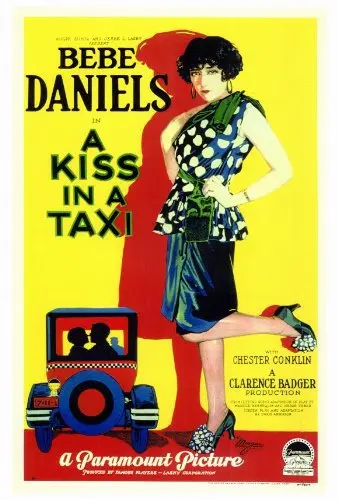
Is A Kiss in a Taxi worth your time today? Short answer: Yes, but only if you have a high tolerance for the manic, unrefined energy of early silent farce. This isn't a film that asks for your intellectual engagement; it demands your surrender to its sheer, kinetic stupidity.
This film is for the cinephile who wants to see the DNA of the modern rom-com before it grew a conscience. It is decidedly NOT for anyone looking for the nuanced character studies found in contemporary works like Little Dorrit or the atmospheric tension of The Mystery Road. This is a movie that thinks a car crashing through a window is the height of wit, and frankly, in 1927, it probably was.
1) This film works because it understands the physical charisma of Bebe Daniels, who manages to make a character who throws plates at customers feel genuinely endearing.
2) This film fails because the third-act resolution relies on a series of identity swaps that are so convoluted they almost derail the charm of the central romance.
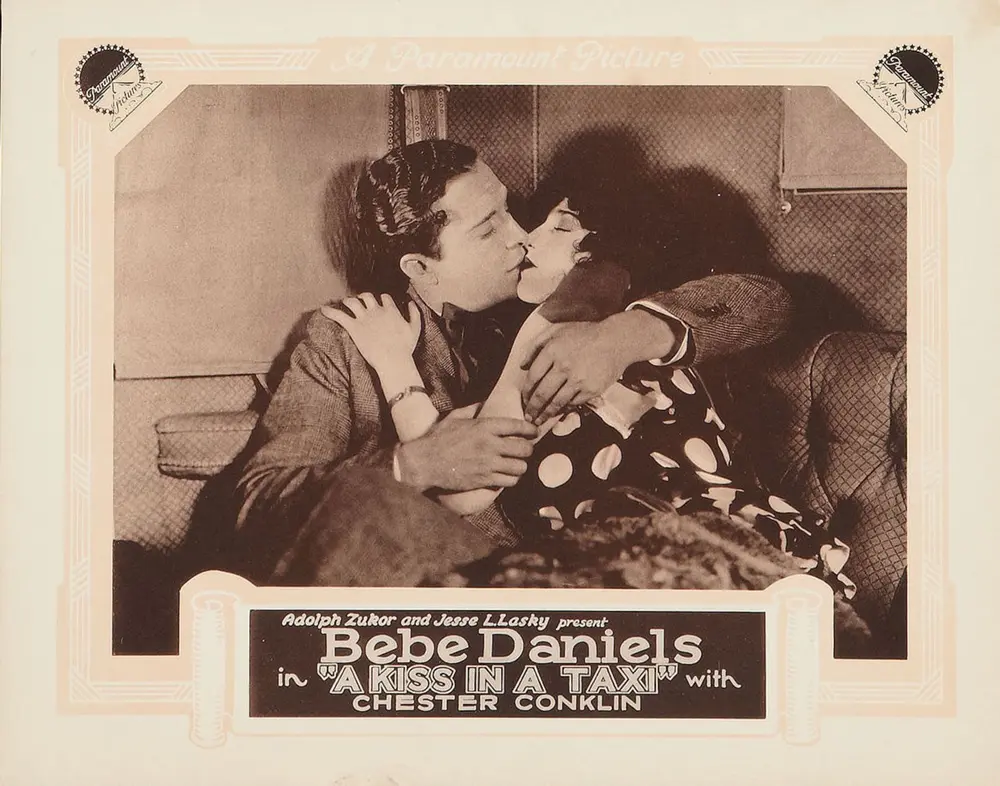
3) You should watch it if you want to see a masterclass in how silent film stars used their entire bodies—not just their faces—to convey a sense of mounting panic.
Bebe Daniels is the engine of this film. While many of her contemporaries were playing the 'damsel' or the 'vamp,' Daniels carves out a niche as the 'spitfire.' In the opening scenes at Café Pierre, her movements are sharp and decisive. When she objects to a customer's unwanted attention, she doesn't just say no; she weaponizes the dinner service. There is a specific moment where she balances a tray while fending off a suitor that showcases a level of physical coordination that is frankly missing from modern acting.
It works. But it’s flawed. The film’s reliance on her aggression can occasionally feel repetitive. However, compared to the more static performances in Monika Vogelsang, Daniels feels like a lightning bolt captured on celluloid. She isn't just a waitress; she’s a force of nature that the script barely manages to contain.
Chester Conklin brings his signature bumbling energy to the role of Leon Lambert. Conklin’s comedy is built on a foundation of dignity constantly being undermined by physics. Every time Leon tries to look sophisticated—whether he’s presenting a bouquet or stepping out of a taxi—the world conspires to trip him. His interaction with the 'gay lady' on the boulevards is a highlight of silent era timing, utilizing the restricted space of the taxi to create a sense of mounting claustrophobia.
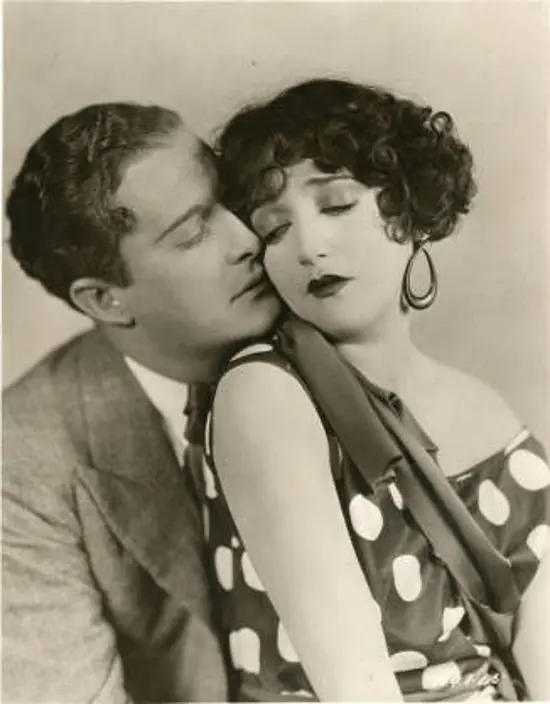
One surprising observation: Leon isn't actually a hero. He’s a wealthy meddler who uses his money to solve problems he created. The film frames his purchase of the restaurant for Ginette as a grand gesture, but a modern lens reveals it as a somewhat creepy attempt at control. This tension between the 'kind benefactor' and the 'clueless millionaire' adds a layer of unintended social commentary that makes the film more interesting than a standard slapstick romp like What Ho, the Cook.
The centerpiece of the film is, naturally, the taxi crash. In an era before CGI, the sight of a real vehicle smashing through a practical set carried a weight that modern audiences might take for granted. The way the chauffeur loses control is filmed with a frantic, handheld-adjacent energy that feels surprisingly modern. The debris doesn't just fall; it explodes into the frame, creating a visual metaphor for the disruption Ginette’s life is about to experience.
This sequence is the film’s peak. Everything that follows, including the identity mix-up with Maraval, feels like a slow descent from this high-octane moment. The pacing in the second half suffers as the script tries to juggle too many subplots. While Flirting with Terror manages to maintain its suspense throughout, A Kiss in a Taxi loses its way in the weeds of French farce tropes.
The cinematography by Edward Cronjager captures a version of Paris that is both romanticized and gritty. The boulevards are wide and inviting, but the interiors of the Café Pierre feel lived-in and slightly cramped. This contrast reinforces Ginette’s desire to escape her station. The lighting in the artist's studio scenes, where Lucien works, uses soft shadows to create a sense of bohemian idealism that clashes sharply with the bright, flat lighting of the high-society scenes.
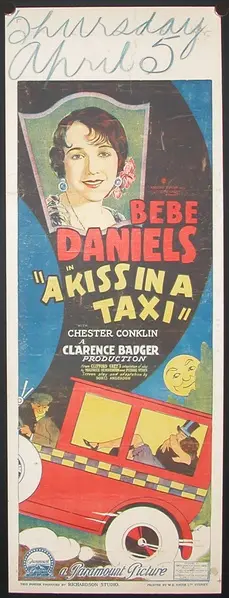
The film’s greatest strength is its refusal to take its own plot seriously, allowing the visual gags to breathe even when the logic fails.
The costumes also deserve a mention. Bebe Daniels’ transition from her utilitarian waitress uniform to the more elaborate gowns of the later acts signals her character's journey more effectively than the intertitles ever could. It’s a subtle touch in a film that is otherwise about as subtle as a brick to the head.
Yes, A Kiss in a Taxi is worth watching for anyone interested in the evolution of physical comedy. It captures a specific moment in cinema history where the spectacle of the machine (the taxi) met the precision of the stage performer. While the plot is a relic of its time, the energy of the performances remains infectious. It provides a fascinating counterpoint to the more serious silent dramas of the period, such as Children of the Night.
Pros:
Bebe Daniels is a comedic revelation; the film’s pacing is breakneck in the first half; the production design of the cafe is immersive; Chester Conklin’s moustache acting is top-tier.
Cons:
The romantic lead, Lucien, is remarkably bland; the class-based resolution feels dated; some of the intertitles are overly wordy and stall the momentum.
A Kiss in a Taxi is a loud, messy, and ultimately joyful piece of silent cinema. It doesn't have the emotional resonance of Any Woman, but it makes up for it with sheer audacity. Bebe Daniels proves she was a titan of the screen, capable of carrying a flimsy script on her shoulders through sheer force of will. If you can ignore the creaky plot mechanics, you’ll find a film that still has the power to make you smile nearly a century later. It is a chaotic ride that is well worth the fare.
IMDb —
1932
Community
Log in to comment.