DbcultAccessing Vault...
Cult Review
Senior Film Conservator
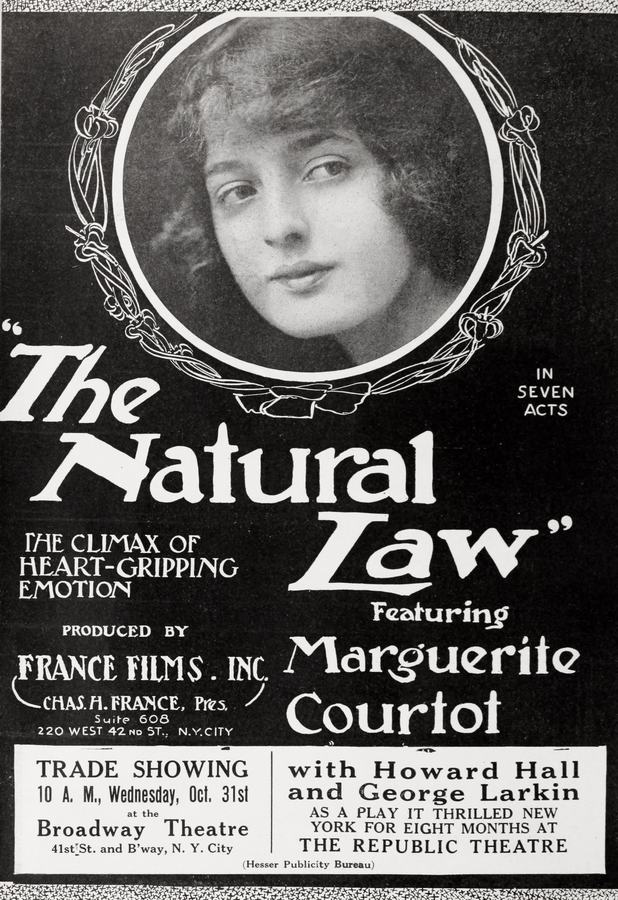
If you crave silents that hiss like branding irons, The Natural Law will scorch your retinas.
Picture this: 1921, a year still coughing up war dust, jazz slithering into parlors, and Victorian corsets loosened just enough to reveal collarbones that could slice bread. Into that tremor of modernity arrives this blistering rarity, directed by the criminally unsung Charles H. France, who swaps the usual pastoral whimsy for something closer to sulfur and sex. The film doesn’t ask for popcorn; it demands absolution.
The plot, deceptively melodramatic, is a hall of mirrors reflecting every anxiety the era had about female agency. Ruth’s engagement to Dr. Webster is less romance than transaction: security for her, a porcelain companion for him. Enter Jack Bowling—George Larkin’s kinetic marvel—whose quadriceps seem to ripple even in two dimensions. Their tryst is shot in chiaroscuro so aggressive that shadows pool like spilled ink, hinting that morality itself is a matter of lighting.
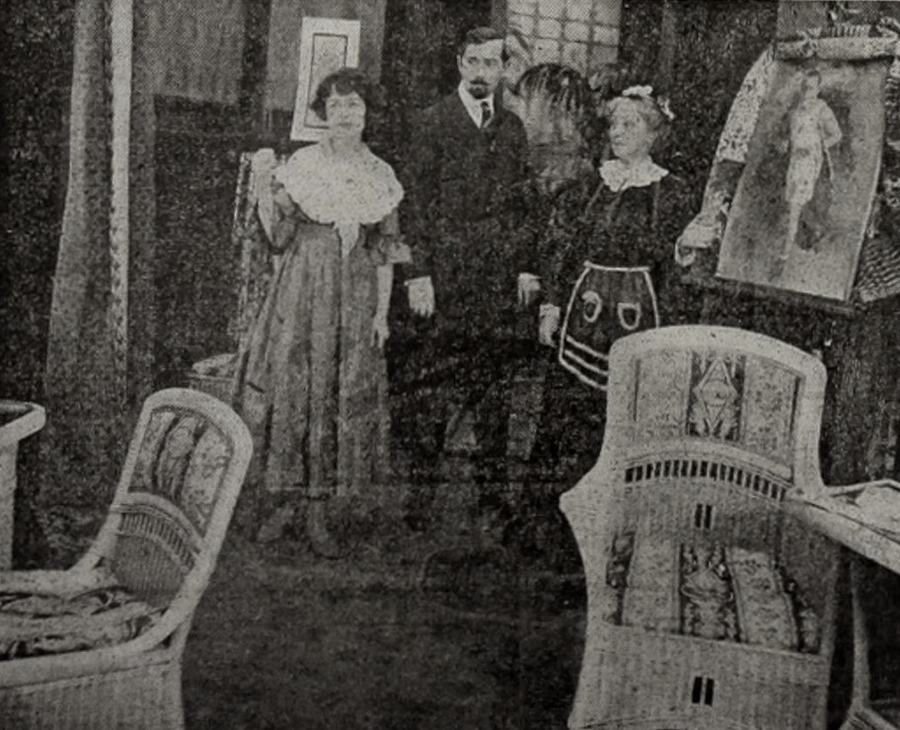
France’s camera language refuses tableaux. Instead, it glides, stumbles, lunges—mimicking the hormonal surges of youth. When Ruth’s plea for abortion lands on Webster’s deaf ears, the film cuts to a close-up of the doctor’s trembling hand hovering over a framed photograph of Ruth. That single cut carries more political dynamite than entire manifestos; it indicts patriarchal stewardship without a single subtitle card.
Ah, the intertitles—sparse, diamond-cut. One reads: “A child unloved is a verdict without appeal.” Audiences in 1921 reportedly gasped so loudly that projectionists in Ohio theaters feared riot. Compare that to the moral shrug elicited by Damaged Goods, which traded syphilis sermonizing for prurient cautionary tale. The Natural Law opts for existential vertigo.
Leila Blow’s Ruth is a revelation of micro-gesture: the way her pupils dilate when Jack tears off his sweat-drenched jersey, the tremor of her left ring finger as the doctor fastens the engagement clasp. Watch her in the pivotal refusal scene: she backs into a doorway whose molding resembles a cathedral arch, secularizing sanctity, proclaiming her body a sovereign state. Contemporary critics compared her to Lillian Gish; history should compare Gish to her.
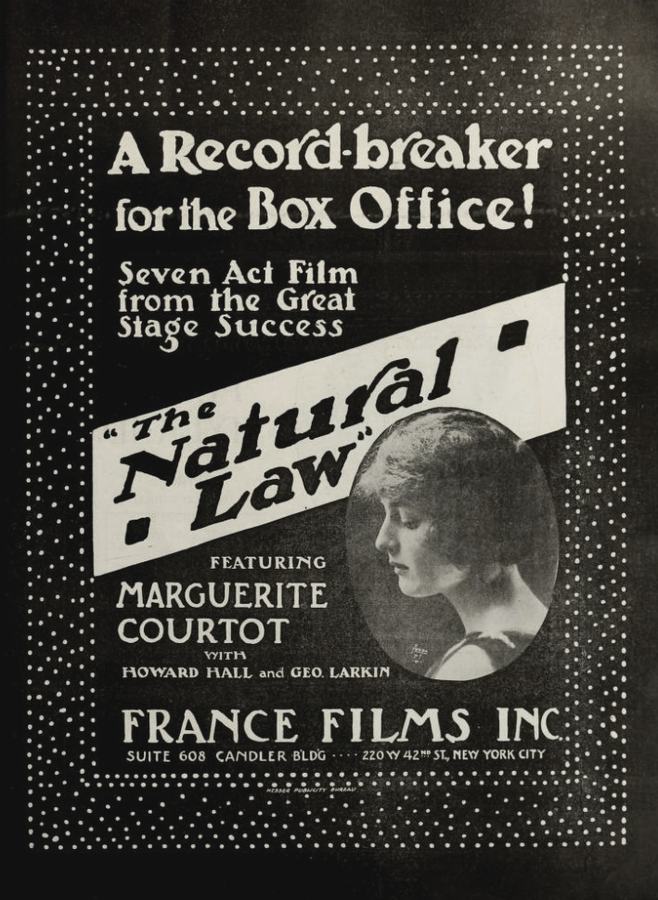
Gordon Gray’s Dr. Webster sidesteps villainous caricature. His gait—stooped yet predatory—recalls a heron poised to spear fish. When he lies about the abortion, Gray lets a vein in his temple pulse exactly three beats, like Morse code for guilt. The performance is calibrated to elicit not boos but the queasy recognition of how easily kindness mutates into control.
Jack Ellis, as Jack’s teammate and foil, injects comic buoyancy that keeps the narrative from capsizing into gloom. His proto-bromide winks at the homoerotic undercurrents of locker-room slapstick, a nod that would flower more openly in The Warrior five years later.
Technically, the film prefigures innovations wrongly credited to later silents. Note the athletic montage: France intercuts Jack’s pole-vault with Ruth’s eyelids fluttering in bed, the cross-rhythms of man’s external ascent and woman’s internal descent. Soviet theorists would call it intellectual montage; France just called it Tuesday.
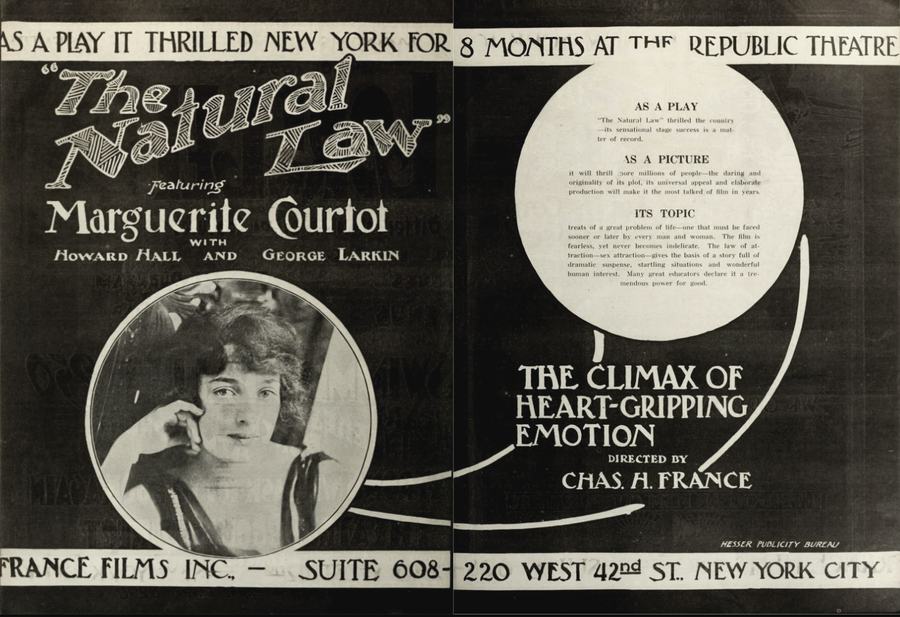
Score? Archival records indicate a live orchestra was instructed to weave Debussy’s Arabesque with syncopated snare drums during the track sequences. Imagine impressionist clouds colliding with ragtime thunder—exactly how desire feels when society denies it vocabulary.
Yet for all its audacity, the movie ends on a note that modern viewers might side-eye: Ruth capitulates after Jack’s lawsuit threat, implying that legal muscle, not empathy, wins her heart. But read the final shot closely: as the lovers embrace, the camera dollies back to reveal Dr. Webster in background, framed between their heads like a festering wound. He doesn’t exit the moral equation; he festers, suggesting the cycle of surveillance and submission merely changes custodians. The film’s title, The Natural Law, suddenly feels Orwellian—whose nature, whose law?
Restoration status: only two 35mm nitrate prints survive—one at Cinémathèque Française, the other in a private Rochester archive. Both suffer from vinegar syndrome, their blacks blistering into sepia bruise. A 2018 Kickstarter aimed at 4K scanning collapsed at 67% funding, proving that even cinephiles balk at moral discomfort wrapped in obscurity.
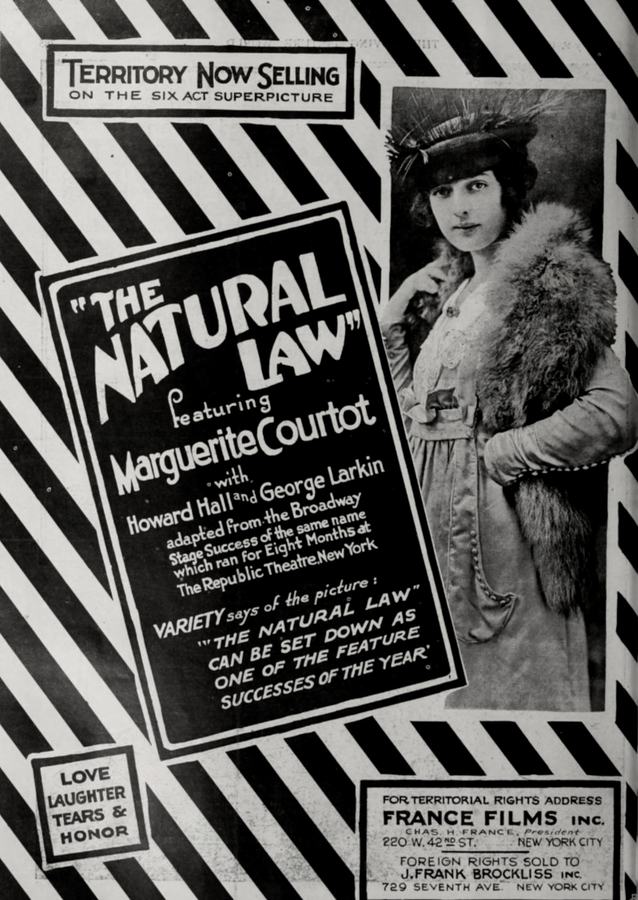
Comparative appetites: if you admire the illicit shimmer of The Incomparable Mistress Bellairs or the small-town hysteria of Kennedy Square, this will feel like the missing link. Conversely, viewers soothed by the redemptive neatness of Alias Jimmy Valentine may find The Natural Law too septic for comfort.
Personal coda: I first encountered the film on a bootleg VHS in a graduate seminar, the image so watery it resembled a memory dissolving in real time. Yet even through the murk, Leila Blow’s climactic smile—half surrender, half declaration of war—etched itself behind my eyelids for weeks. Movies are time machines, yes, but this one is a time minefield; you exit with shrapnel you didn’t know you volunteered to carry.
Verdict: hunt it down, even if you must bribe archivists with bourbon. Just don’t expect catharsis; expect scar tissue that glows in the dark.
IMDb —
1923
Community
Log in to comment.