DbcultAccessing Vault...
6.6/10
Senior Film Conservator
A definitive 6.6/10 rating for a film that redefined the boundaries of cult cinema. Big Business remains a cornerstone of transgressive art.
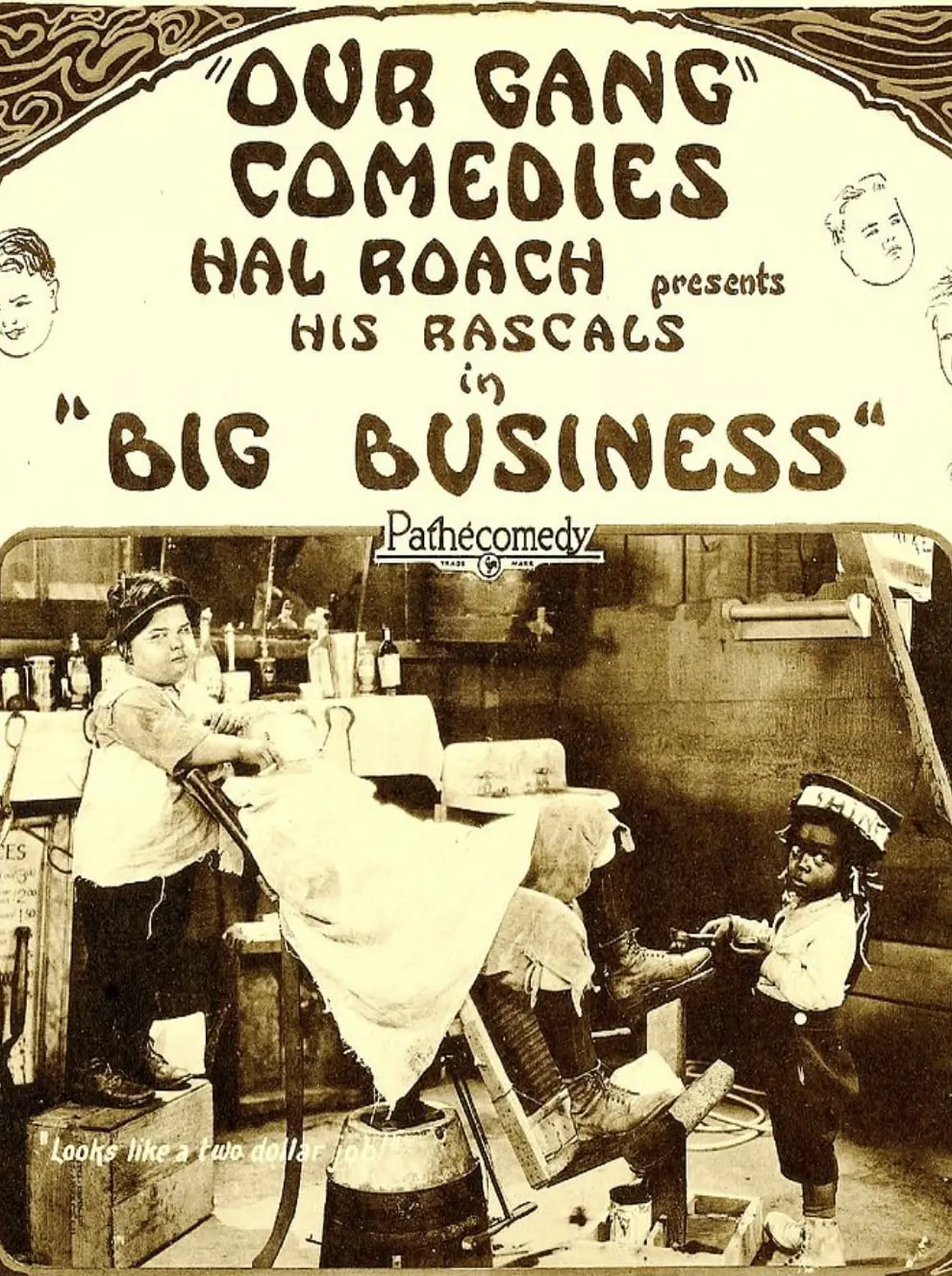
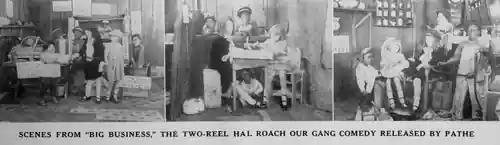
The 1925 film Big Business, directed by Hal Roach and featuring his esteemed Rascals, is a riotous exploration of social dynamics, class, and the universal language of comedy. The film's narrative is deceptively simple: Mickie, a wealthy youngster with a penchant for adventure, enters the barbershop of a group of spirited youngsters, setting off a chain reaction of hilarious events.
At its core, Big Business is a film about the power of comedy to transcend social boundaries. The film's cast, including Buster Brodie, Joe Cobb, and Ernest Morrison, bring to life a world of youthful exuberance and camaraderie. Their chemistry on screen is undeniable, and their comedic timing is impeccable.
Mickie, played by Charles Lloyd, is a rich kid with a taste for adventure and a desire to experience the world beyond his privileged bubble. His entry into the barbershop, ostensibly to obtain a haircut, sets off a chain reaction of events that is both chaotic and hilarious. The film's use of physical comedy and slapstick humor is expertly timed, with each gag and pratfall skillfully executed to maximize comedic effect.
The film's themes of class and social dynamics are timely and well-explored. The contrast between Mickie's affluent world and the humble barbershop of the Rascals serves as a clever backdrop for exploring these themes. The film's portrayal of the Rascals as a tight-knit group of friends, united in their quest for fun and camaraderie, is both heartwarming and humorous.
In comparison to other films of the era, Big Business holds its own against such classics as Cameo Kirby (1923) and The Littlest Scout. The film's lighthearted tone and comedic genius are reminiscent of Juan José and The Lotus Eater, while its exploration of social dynamics and class echoes A Lady of Quality and The Bugle Call.
The film's cinematography is noteworthy, with a clear and crisp visual style that adds to the overall comedic effect. The use of close-ups and long shots is well-balanced, providing an intimate view of the characters' antics while also showcasing the broader comedic landscape.
In conclusion, Big Business is a sidesplitting comedy that showcases the talents of Hal Roach's Rascals. With its expertly timed gags, nuanced exploration of social dynamics, and lighthearted tone, this film is a must-see for fans of classic cinema. Its themes of camaraderie and the universal language of comedy make it a timeless classic, one that will continue to entertain audiences for generations to come.
The film's supporting cast, including Andy Samuel, Lyle Tayo, and Mary Kornman, add depth and complexity to the narrative, while the direction by Hal Roach is deft and assured.

In an era marked by social change and upheaval, Big Business offers a welcome respite from the challenges of everyday life. Its lighthearted tone and comedic genius make it a film that will leave audiences smiling long after the credits roll. For those seeking a cinematic experience that is both entertaining and thought-provoking, Big Business is an excellent choice.
This film, much like This Way Out (1922) and The Rescue, showcases the comedic talents of its cast, while its exploration of social dynamics and class is reminiscent of Teeth and The Golden Wall. The film's lighthearted tone and comedic genius are a testament to the enduring power of comedy to bring people together.
In the pantheon of classic comedies, Big Business takes its rightful place alongside such films as Trimmed, A kuruzsló, and John Barleycorn. Its themes of camaraderie and the universal language of comedy make it a timeless classic, one that will continue to entertain audiences for generations to come.
The film's influence can be seen in such classics as A Man's Prerogative and The Picture of Dorian Gray, while its exploration of social dynamics and class echoes A Lady of Quality and The Bugle Call.
IMDb —
1917
Community
Log in to comment.