DbcultAccessing Vault...
5.2/10
Senior Film Conservator
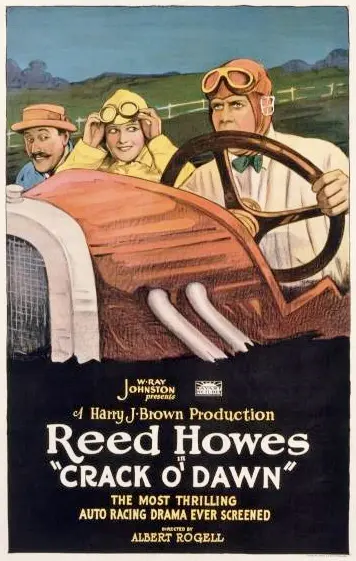
A definitive 5.2/10 rating for a film that redefined the boundaries of cult cinema. Crack o' Dawn remains a cornerstone of transgressive art.
Is Crack o' Dawn a silent classic worth digging up for a modern audience? Short answer: Yes, but only if you possess a genuine affection for the tactile, grease-stained aesthetics of 1920s action cinema. This isn't a film for those seeking the psychological depth of a modern character study. It is a film for the gearheads, the historians, and the fans of early American stunt-work.
This film works for the niche enthusiast who wants to see the birth of the 'racing movie' subgenre before it was sanitized by green screens. It is a raw, often clattering experience that prioritizes the machine as much as the man. If you are looking for a masterpiece on the level of Murnau or Lang, you will be disappointed. But if you want to see what happened when early Hollywood filmmakers got their hands on real engines and open dirt tracks, this is a vital piece of the puzzle.
1) This film works because it captures the genuine danger and excitement of early 20th-century automotive culture, using real vehicles and practical locations that feel visceral even a century later.
2) This film fails because the industrial espionage subplot involving Stanley Steele is thinly written and relies on generic villain tropes that distract from the central family drama.
3) You should watch it if you enjoy seeing the evolution of action choreography or have an interest in the history of the American automobile industry as depicted in silent film.
The core of Crack o' Dawn is the dissolution of the Thompson-Thorpe partnership. It is a classic American tragedy of pride. Two men, once united by a vision of the perfect car, are driven apart by their inability to compromise on technical changes. This reflects the real-world volatility of the early 1900s car market, where companies rose and fell on a single design choice.
Director J.P. McGowan handles the initial split with a brisk efficiency. We see the fallout not through long-winded title cards, but through the visual contrast of two rival factories. Unlike the suspenseful pacing found in The Vampires: The Poisoner, Crack o' Dawn moves with a mechanical rhythm. The editing mimics the pistons of the engines it celebrates.
The feud is deeply personal. When Earle Thorpe Jr. enters the Thompson factory under a false identity, the tension is palpable. It isn't just about a job; it's about the son reclaiming the legacy his father helped destroy. This undercover dynamic adds a layer of suspense that keeps the first half of the film engaging, even when the pacing slows for character introductions.
The middle act of the film shifts focus to the engineering of the 'super car.' This is where the film finds its heart. Ette Thompson and Earle Jr. represent the next generation—the ones who realize that progress requires synthesis, not isolation. They take the best features of both the Thompson and Thorpe designs to create something new.
There is a specific scene in the workshop where the two leads pore over blueprints. It is surprisingly intimate. The film treats the act of invention as a form of romance. It’s a refreshing take, moving away from the more traditional melodrama seen in The Sorrows of Love. Here, the 'love interest' is a combustion engine.
However, this technical focus is precisely where the film might lose casual viewers. It gets bogged down in the mechanics. While the 'super car' is a great plot device, the film spends perhaps too much time on the logistics of its creation and not enough on the emotional toll the theft takes on the characters. When Stanley Steele finally steals the car, it feels like a relief because it forces the plot back into motion.
Reed Howes as Earle Jr. brings a rugged, athletic energy to the role. He looks like a man who knows his way around a wrench. In an era where many silent film leads were overly theatrical, Howes is relatively grounded. He doesn't overplay the 'secret identity' aspect, which makes his eventual reveal more satisfying.
Ruth Dwyer as Ette is more than just a damsel in distress. She is an active participant in the engineering process. This is a subtle but important distinction. She isn't just waiting for the hero to win the race; she is the one who helped build the car he’s driving. Her performance provides the necessary emotional anchor for the film's chaotic finale.
The villains, however, are a different story. Stanley Steele and his cohort are cartoonishly evil. Their motivations are purely financial, lacking the ideological weight of the Thompson-Thorpe feud. Compared to the nuanced antagonists in The Yellow Dog, Steele feels like a placeholder. He exists only because the plot requires a chase.
J.P. McGowan was a veteran of the silent era, known for his work on serials and action films. His experience shows in the way he handles the racing sequences. He uses low-angle shots to emphasize the speed of the cars, making the 40-mph vehicles look like they are flying. It’s a technique that would be perfected in later decades, but here it feels experimental and fresh.
The cinematography by an uncredited team captures the grit of the track. You can almost feel the dust in your eyes during the final race. This physicality is what separates Crack o' Dawn from more stage-bound productions like Zakroyshchik iz Torzhka. McGowan understands that the environment is a character in itself.
One surprising observation is the film's use of space. The factory floors feel cavernous and lonely, reflecting the isolation of the two founders. When the super car is finally unveiled, the lighting shifts to something brighter and more optimistic. It’s a simple visual cue, but it’s effective in a medium that relies entirely on sight.
Yes, if you view it as a historical artifact of the American 'Speed' obsession. It captures a moment in time when the car was the ultimate symbol of freedom and ingenuity. It isn't a deep film, but it is an honest one. It doesn't pretend to be more than a thrill ride with a heart of gold.
For those who have seen more polished silent adventures like Around the World in 80 Days, Crack o' Dawn might feel a bit small-scale. It doesn't have the global stakes or the massive budget. But what it lacks in scale, it makes up for in sweat and oil. It’s a grease-monkey’s dream. It works. But it’s flawed.
Pros:
Cons:
When compared to other action-oriented films of the time, such as Call a Cop or The Challenge Accepted, Crack o' Dawn stands out for its specific focus on industrialism. While many films used cars as props for comedy or chases, this film treats the car as the primary subject. The engineering is not just a backdrop; it is the catalyst for the entire story.
This focus on the 'machine' makes it feel more modern than some of its contemporaries. There is a direct line from the 'super car' in Crack o' Dawn to the high-tech gadgets of modern blockbusters. It taps into that primal human desire to build something better, faster, and stronger than what came before.
Crack o' Dawn is a solid, if predictable, silent thriller. It won't change your life, but it will entertain you for an hour. The film’s strength lies in its sincerity. It truly believes in the power of the automobile to fix a broken family. While the villains are forgettable, the central conflict between the two old men and the innovative spirit of their children provides enough weight to keep the wheels turning. It is a loud, dusty, and ultimately charming relic of a time when the world was moving faster than it knew how to handle. Go in with low expectations for the plot and high expectations for the stunts, and you'll find a lot to like.
IMDb 7.8
1926
Community
Log in to comment.