DbcultAccessing Vault...
Cult Review
Senior Film Conservator
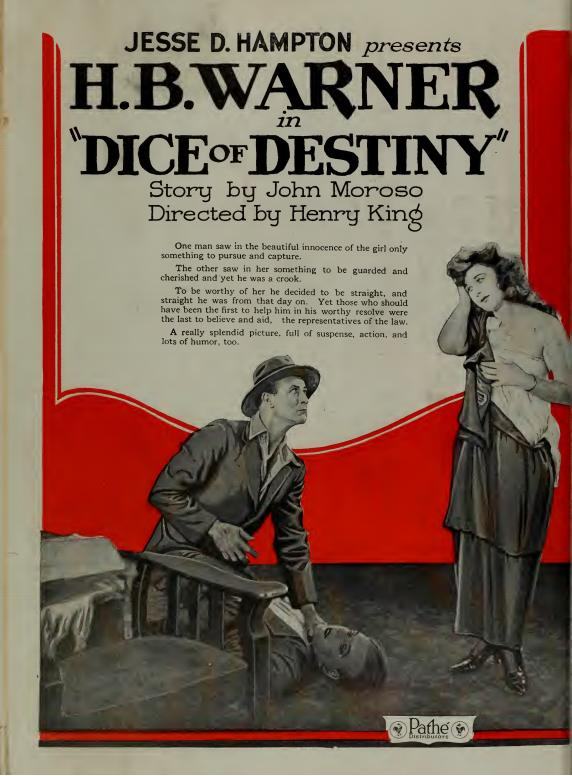
Somewhere between the first electric flicker of a projector and the last gasp of the nickelodeon boom, Dice of Destiny tumbled into cinemas like a pair of ivory cubes skittering across green felt—seemingly random, yet every bounce pre-loaded. Viewed today, the 1920 one-reel wonder feels less like relic than revelation: its grayscale gloom predates the brooding fatalism of later noir, its moral algebra predates the surgical ethics of Erstwhile Susan and the institutional rot exposed in Communism. The plot mechanics are pulp-simple—wrong man, vengeful cop, last-chance dame—but the after-burn is radioactive. Directors John A. Moroso and Fred Myton stage each betrayal inside cavernous urban negative space: alleyways where fog swallows footfalls, courthouses where gavels echo like coffin lids. The result is a 62-minute tone poem about the moment conscience collides with survival instinct.
Cinematographer Jules Cronjager—unsung artisan of the silent era—shoots Ashville’s snowy main street like a Brontë moor in miniature, then flips to chiaroscuro interiors that prefigure German Expressionism. Notice the asylum corridor where Doyle bandages Tierney: overhead lamps halo the detective’s sweat-slick face while Doyle’s shadow, elongated and talon-fingered, creeps up the wall as if the good in him still wrestles its doppelgänger. That single shot, framed at a Dutch angle, compresses the entire moral arc into silhouette. Cronjager’s lenses render rain as mercury beads; streetlights become interrogation lamps; Nancy’s satin gown glimmers like moonlit quicksilver when she flees the city—visual cues that make the audience feel pursuit even when no cop is on screen.
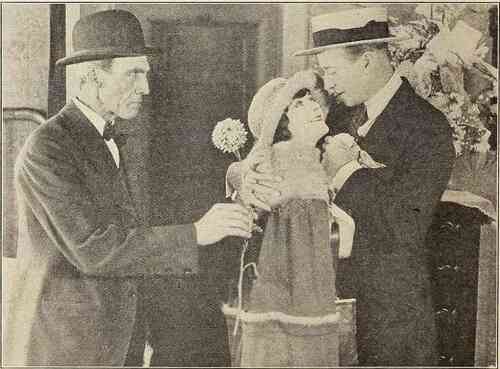
Fred Huntley’s Doyle carries the weary dignity of a man who has memorized every contour of his own coffin. His eyes—cavernous, charcoal-ringed—telegraph resignation so total it circles back to defiance. Watch the moment he learns of Monteith’s setup: Huntley’s shoulders slacken not from defeat but from the recognition that the world’s script has once again written him as villain; he straightens, fists tighten, and the camera dollies-in until his pupils become twin black dice showing snake-eyes. Opposite him, Howard Davies’ Tierney is no thick-necked sadist but a Calvinist zealot convinced predestination wears a badge. Davies underplays—tiny twitches at the corner of his mouth, fingers drumming Morse code on a courtroom rail—until the appendicitis scene, when agony strips away dogma and reveals a frightened child begging salvation from the very “devil” he condemned. The chemistry is electric precisely because both actors refuse redemption clichés; forgiveness arrives like morphine: sudden, nauseating, necessary.
Lillian Rich’s Nancy could have been mere decorative peril, yet she weaponizes vulnerability. In the hideout attic she rehearses a torch number a cappella, voice quivering yet pitch-perfect, turning the dusty space into a cathedral. The song is never named on the intertitles, but her tremolo implies every blues lament ever crooned at 3 a.m. When she clasps Doyle’s blood-spattered hand post-surgery, the camera captures her pulse throbbing in her throat—silent cinema’s answer to Dolby surround emotion.
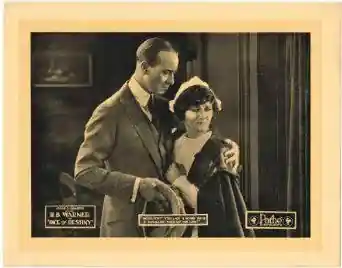
Moroso and Myton’s screenplay is a master-class in narrative sparsity: every setup clicks into payoff like tumblers in a lock. The dice motif appears first as a gambler’s trinket, then as a tattoo on Monteith’s wrist, finally as a pair of ivory cubes clacking in Tierney’s pocket while he waits for anesthesia—fate literally jangling. Dialogue intertitles are haiku-brief: “I fixed the game—never said I’d play fair.” Compare this ruthless compression to the overstuffed convolutions of The Labyrinth or the preachy pamphleteering of La muerte civil, and you appreciate how silence can sharpen theme.
The recent 4K restoration by Eye Filmmuseum swaps the traditional theater organ for a bespoke score—low strings, brushed snare, muted trumpet—composed by Hilmar Örn Hilmarsson. The new soundtrack avoids melodrama; instead it pulses like tinnitus, underscoring Doyle’s hyper-vigilance. In the asylum theater scene, Hilmarsson introduces a faint electrocardiographic blip that syncs with the editing rhythm, making viewers subconsciously monitor their own heartbeats. Purists may carp, but the approach honors the film’s existential pulse rather than plastering it with nostalgic schmaltz.
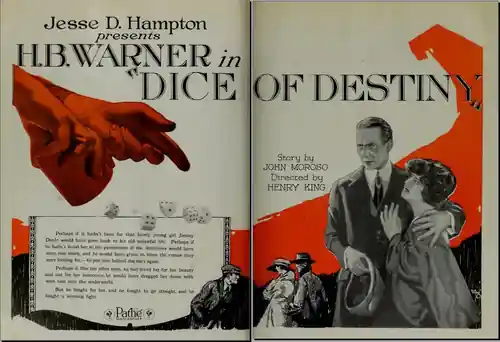
Released months after the Red Scare raids, Dice of Destiny smuggles a scathing indictment of carceral zeal. The prison sequences—chain-gang choreography, strip-searches shot from the convict’s POV—prefigure the social outrage later explicit in Küzdelem a Létért. Yet Moroso refuses easy anarchism; Doyle’s salvation hinges on personal accountability, not systemic overhaul. The film suggests institutions won’t change, but individuals can—an ideological tightrope that feels downright heretical beside the collectivist cries of Communism.
Where The Coiners’ Game revels in double-cross razzle-dazzle and The Hoodlum wallows in urban savagery, Dice of Destiny tempers thrills with metaphysical ache. Its DNA snakes through later redemptive noirs—think Boomerang!, The Hitch-Hiker—yet its closest spiritual sibling might be One Day, another fable where a single sunrise reframes morality. But while One Day leans on cosmic coincidence, Dice insists on conscious choice, scalpel in hand.
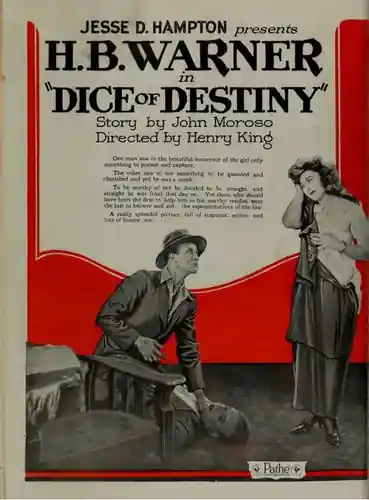
For decades the only print languished in a Belgian archive, mislabeled as “Destins de Dés.” Its 2023 resurrection triggered festival ovations from Pordenone to Telluride. Streaming rights are fractured—Criterion Channel rotates it quarterly, Kanopy carries the restoration for educational institutions, and a 2-disc Blu-ray (region-free) boasts commentary by noir scholar Eddie Muller plus a video essay on Moroso’s pre-code ethics. Bootlegs circulate on niche torrents, but HDR grading on the legit release renders sea-blue surgical gowns so luminously you’ll forgive the premium price.
Dice of Destiny lands like a switchblade in velvet: swift, gleaming, unexpected. It marries the kinetic punch of Griffith’s chase grammar to the bruised romanticism that would later bloom in full-bodied noir. Yes, some intertitles creak, and the escaped-convict trope predates even 1910s nickel reels, yet the film’s moral calculus—salvation granted not by priest but by the very adversary who sought your ruin—feels daringly modern. When Doyle snaps off surgical gloves and Tierney, teary-eyed, mutters “You’re free, kid,” the screen achieves that rarest alchemy: cynicism melted into clemency without saccharine aftertaste. Roll the dice; this one comes up sevens.
IMDb 5.5
1933
Community
Log in to comment.