DbcultAccessing Vault...
Cult Review
Senior Film Conservator
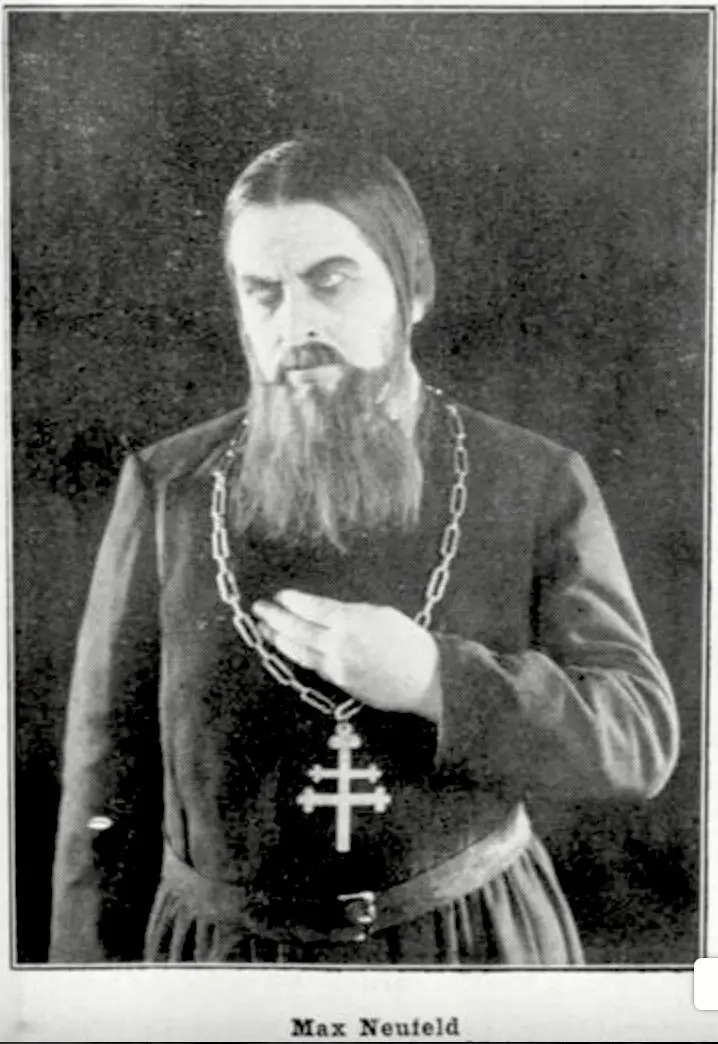
Is Die Brandstifter Europas worth your time nearly a century after its release? Short answer: yes, but only if you have the patience for a dense, historically-weighted autopsy of European failure. This is a film for the student of history and the lover of grand, silent-era political theater; it is decidedly not for those seeking the escapism of a lighthearted romance or the kinetic energy of a modern thriller.
Coming at a time when Europe was still picking through the rubble of its own soul, this 1926 production feels less like a movie and more like a collective exorcism. It lacks the polish of contemporary Hollywood imports like The Third Degree, but it makes up for it with a raw, almost desperate sincerity. It attempts to explain the unexplainable: how a continent that prided itself on civilization could descend into such absolute savagery.
1) This film works because: It captures the claustrophobic anxiety of pre-war diplomacy with a level of detail that feels almost documentary-like, despite its silent medium.
2) This film fails because: The narrative is frequently buried under an avalanche of intertitles and a massive ensemble cast that can be difficult to track without a history degree.
3) You should watch it if: You want to understand how the 1920s viewed the catastrophe of 1914, or if you appreciate the heavy, shadows-and-suits aesthetic of mid-European silent drama.
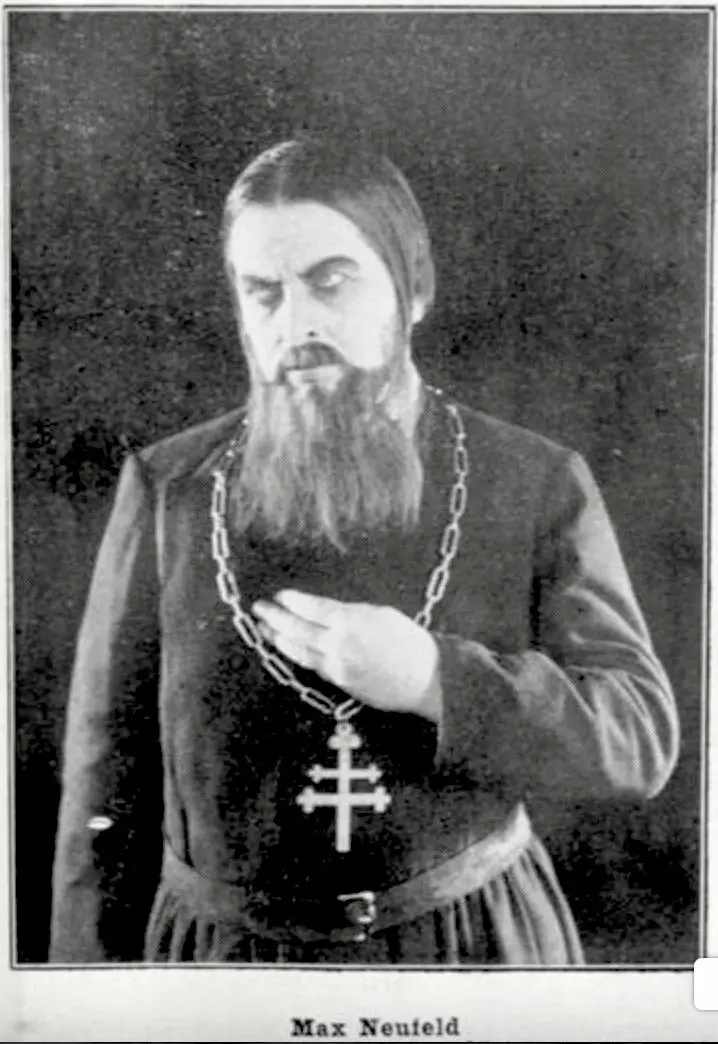
Director Max Neufeld, who also appears in the film, treats the subject matter with a gravity that borders on the religious. Unlike the more localized drama found in The Kentuckians, the scope here is pan-European. We are treated to a sequence of events that feel like falling dominoes. The cinematography, while static by today's standards, uses the architecture of power—massive doors, long tables, ornate hallways—to make the human characters look small and insignificant against the weight of their decisions.
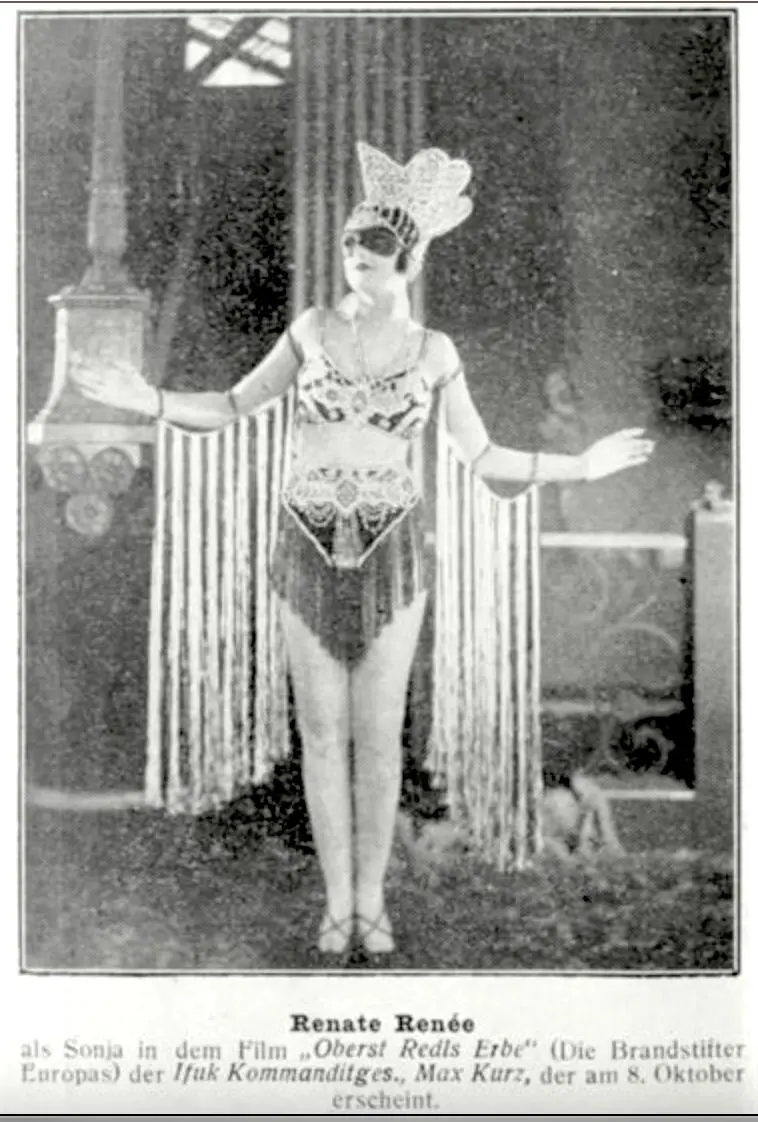
There is a specific scene involving a telegram where the camera lingers on the ink as it dries. It’s a moment of quiet horror. In that silence, you realize that the stroke of a pen is more lethal than a bayonet. This isn't the melodrama of Slaves of Pride; it is a clinical observation of a suicide pact between nations. The pacing is deliberate. Some might call it slow. I call it inevitable.
The cast is a 'who's who' of the era's dramatic heavyweights. Eugen Dumont delivers a performance of repressed panic that anchors the film. While many silent films of the mid-20s, such as Blue Jeans, relied on broad physical comedy or overt sentimentality, the actors here are remarkably restrained. Fritz Freisler and Victor Kutschera play off each other with a tension that is felt in the set of their shoulders and the tightness of their jaws.
Special mention must go to Charlotte Ander and Margarete Thumann. In a film dominated by the 'Great Men' of history, their presence provides the necessary emotional connective tissue. They represent the domestic world that is about to be shattered by the 'firebrands' of the title. It’s a stark contrast to the more whimsical character beats seen in Plain Jane. Here, every smile is a mask, and every gesture is a lie.
Jacques Bachrach’s writing is the backbone of this production. He manages to condense complex political maneuvering into digestible, if occasionally lengthy, intertitles. The direction by Neufeld is functional rather than revolutionary. He doesn't have the expressionistic flair of a Murnau, but he has the steady hand of a historian. He understands that the horror of the story lies in its reality, not in cinematic tricks.
When compared to the visual experiments of Mad Love, Die Brandstifter Europas feels conservative. But this conservatism is intentional. It mirrors the rigid social structures of the time. The film uses deep focus in several interior scenes to show characters in the background who are unaware that their world is ending. It’s a haunting technique. It works. But it’s flawed by a lack of visual variety in its second act.
Yes, Die Brandstifter Europas is worth watching for its historical significance and its brave attempt to critique the very foundations of European power. It offers a rare glimpse into the psyche of a post-war generation trying to make sense of their trauma. If you can handle the slow pacing and the heavy political focus, it provides a rewarding, intellectual experience that most modern war films lack.
Pros:
Cons:
The film’s most surprising observation is its refusal to lay the blame at a single door. In 1926, it would have been easy to make a propaganda piece. Instead, Bachrach and Neufeld create a tragedy of errors. It’s a more sophisticated take than what you’ll find in The Woman God Sent. It suggests that the 'firebrands' were not just individuals, but a system that valued prestige over human life.
There is a sequence near the end where the different heads of state are shown in a montage, each isolated in their own frame. They are literally and figuratively unable to see each other. It’s a powerful use of the medium. It’s also deeply cynical. The film doesn't offer a happy ending because history didn't offer one. It’s a bold choice that separates this from the more traditional resolutions of The Song of the Soul.
"The tragedy of Europe was not that the fire was lit, but that everyone brought their own matches to the table."
Watching this film today, one cannot help but see the parallels to our own fractured political climate. The faces have changed, but the mechanisms of ego and isolation remain the same. It’s an uncomfortable watch. It should be. It’s a film that demands your full attention and offers no easy comfort in return. It’s miles away from the escapist fluff of Mr. Billings Spends His Dime.
Die Brandstifter Europas is a monumental, if occasionally exhausting, piece of cinema. It is a vital document of a world in transition, captured with a gravitas that few films since have dared to replicate. It is long. It is heavy. It is essential for anyone who believes that cinema should be more than just a distraction. It is a mirror held up to a burning house. While it lacks the narrative fluidity of Never Say Die or the charm of My Pal, it possesses a soul-searching intensity that makes it a landmark of the late silent era. Proceed with patience, and you will be rewarded with one of the most intelligent historical dramas ever committed to celluloid.
IMDb 6.8
1931
Community
Log in to comment.