DbcultAccessing Vault...
6.8/10
Senior Film Conservator

A definitive 6.8/10 rating for a film that redefined the boundaries of cult cinema. En rade remains a cornerstone of transgressive art.
Short answer: yes, but only if you have the patience for a film that moves with the tide rather than a motor. This is not a film for those seeking the narrative drive of a modern thriller or even the structured drama found in something like The Price of Pleasure.
En rade is specifically for viewers who appreciate 'photogénie'—the idea that the camera can reveal the soul of an object or a landscape. If you are looking for a fast-paced plot, you will be disappointed; if you want to feel the mist of a 1920s port on your face, this is essential viewing.
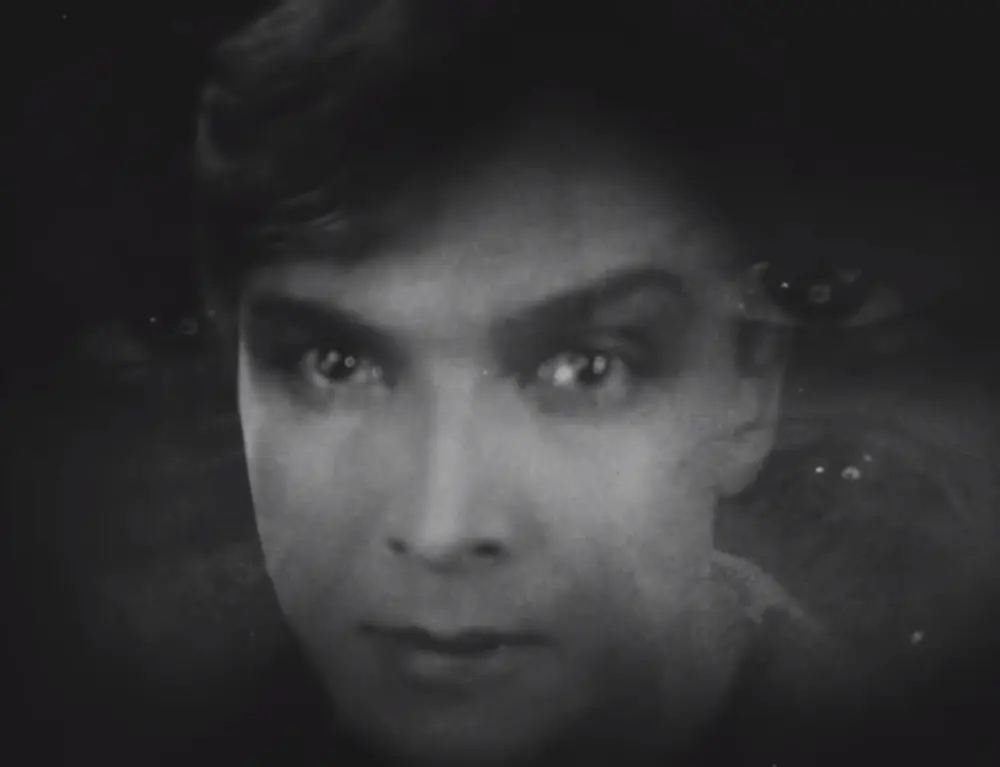
1) This film works because it captures the salt-crusted reality of a port town without the need for excessive dialogue.
2) This film fails because the central romance lacks the emotional heat required to sustain its runtime.
3) You should watch it if you are a student of visual storytelling who prefers mood over plot.
Alberto Cavalcanti was a master of the 'city symphony' style, and in En rade, he applies that documentary-adjacent eye to a fictional narrative. The result is a film that feels remarkably modern in its setting but deeply rooted in the French Impressionist school of the late 1920s. Unlike the more theatrical staging of The Governor's Ghost, Cavalcanti takes his camera into the streets and onto the docks of Marseille.
The cinematography by Jimmy Rogers is the real star here. There is a specific scene where the camera lingers on the thick, frayed ropes of a docking ship. It’s a simple shot, but it communicates the entire theme of the film: the tension between being tied down and the power required to break free. The visual rhythm of the film is slow, almost hypnotic. It mimics the boredom of its characters. It works. But it’s flawed.
The pacing is deliberately sluggish. While this serves the theme of being 'stranded' (the literal translation of the title), it risks alienating the audience. In an era where contemporary films like Saturday were experimenting with faster editing, Cavalcanti chooses to let his shots breathe. This creates a sense of lived-in reality that few silent films achieve.
Catherine Hessling’s performance is, frankly, bizarre. As the waitress, she moves with a jerky, puppet-like cadence that stands in stark contrast to the naturalistic environment. Some critics argue this is a distraction, but I find it a fascinating choice. She represents the psychological distortion caused by her environment. She is a woman who has been broken by the repetitive motions of her job.
Compare her to Nathalie Lissenko, who plays Jean’s mother. Lissenko is grounded, heavy, and realistic. The scenes of her washing clothes are visceral; you can almost smell the lye and the damp wool. This contrast between Hessling’s artifice and Lissenko’s realism creates a strange friction that keeps the film from becoming too grounded in documentary. It reminds us that this is a dream—or rather, a nightmare—of domestic entrapment.
Jean, played by Georges Charlia, is the weakest link in the trio. His 'sea fever' is expressed mostly through vacant stares at the horizon. While this fits the character's lethargy, it doesn't give the audience much to latch onto emotionally. We understand his desire to leave, but we don't necessarily feel his pain. This lack of a strong emotional core is what prevents En rade from reaching the heights of other silent masterpieces.

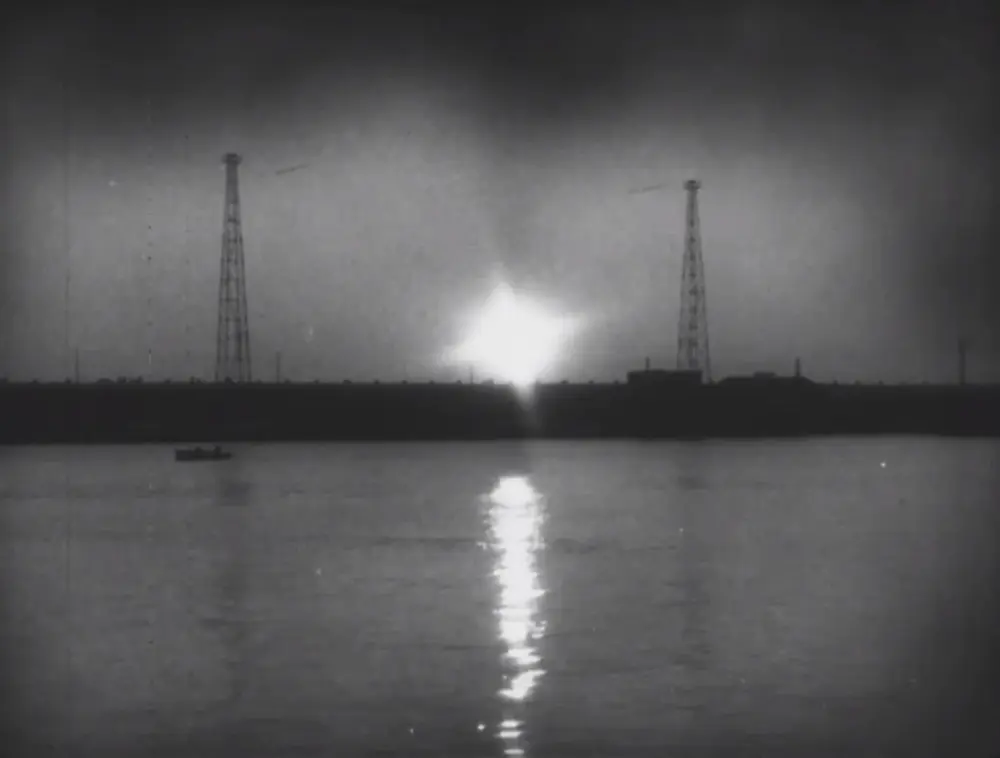
Why does the setting matter so much? In many films of this period, like Burnt Wings, the setting is a mere backdrop for the actors. In En rade, Marseille is an antagonist. The port is a labyrinth of masts and crates that hem the characters in. Cavalcanti uses deep focus to show the ships in the distance, always visible but always out of reach.
There is a surprising observation to be made about the film's treatment of labor. Most films about the sea focus on the adventure. Cavalcanti focuses on the laundry. By centering the story around the son of a laundress and a waitress, he highlights the invisible labor that keeps the port running. The ships can only leave because people like Lissenko and Hessling are doing the grunt work on land. It’s a subtly political stance that adds a layer of depth to the melancholy.
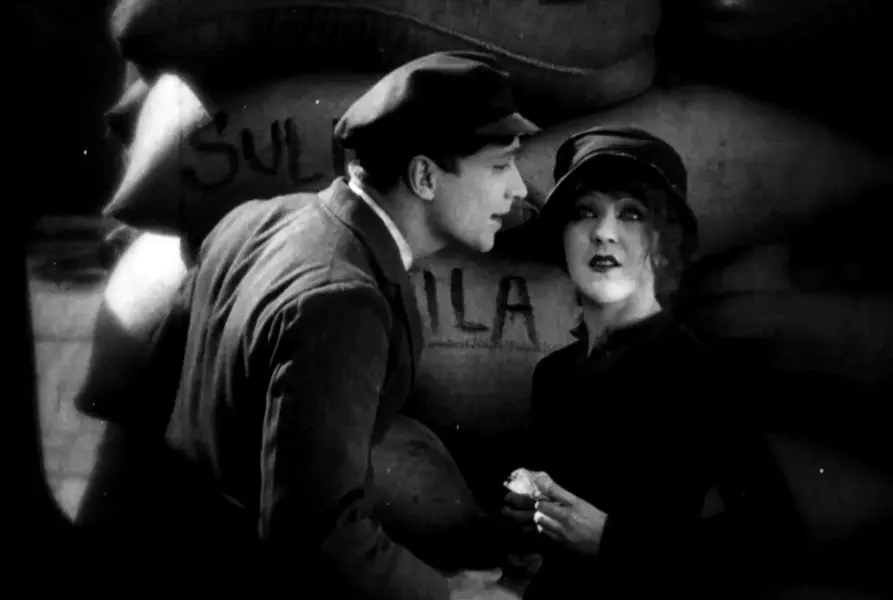
The film also avoids the easy out of a happy ending. Without spoiling the final moments, the resolution—or lack thereof—is brutally honest. It suggests that for some, the horizon is just a line that moves further away the more you chase it. This cynicism is refreshing compared to the forced optimism of American films from the same year, such as The Web of the Law.
Pros:
The film is a visual feast, offering a rare glimpse into the texture of 1920s port life. Cavalcanti’s direction is confident, and his use of real-world locations adds a level of authenticity that was rare for the time. The supporting performance by Nathalie Lissenko is powerful and grounded.
Cons:
The central narrative is incredibly thin, often feeling like a short film stretched to feature length. Catherine Hessling’s acting style is an acquired taste and may prove grating to modern audiences. The pacing is glacial, which, while thematic, can be a chore to sit through.
En rade is a film about the psychological state of being trapped. It uses the setting of a port town to symbolize the human desire for escape and the harsh reality of social and economic stagnation. It is less about a story and more about a feeling—the feeling of watching a ship sail away while you are left standing on the dock with nothing but the smell of fish and old ropes.
En rade is a beautiful, frustrating, and essential piece of cinema history. It isn't 'fun' in the conventional sense, and it certainly isn't a 'masterpiece' if your definition of that word requires a perfect script. However, as a work of visual poetry, it is unmatched. Cavalcanti proves that you don't need a complex plot if you have a deep understanding of how to use a camera. It works because it is honest about the boredom of life. It fails because it asks the audience to share in that boredom for too long. If you can handle the slow burn, the rewards are found in the details—the steam, the salt, and the silent screams of the stranded.

IMDb 7
1933
Community
Log in to comment.