DbcultAccessing Vault...
Cult Review
Senior Film Conservator
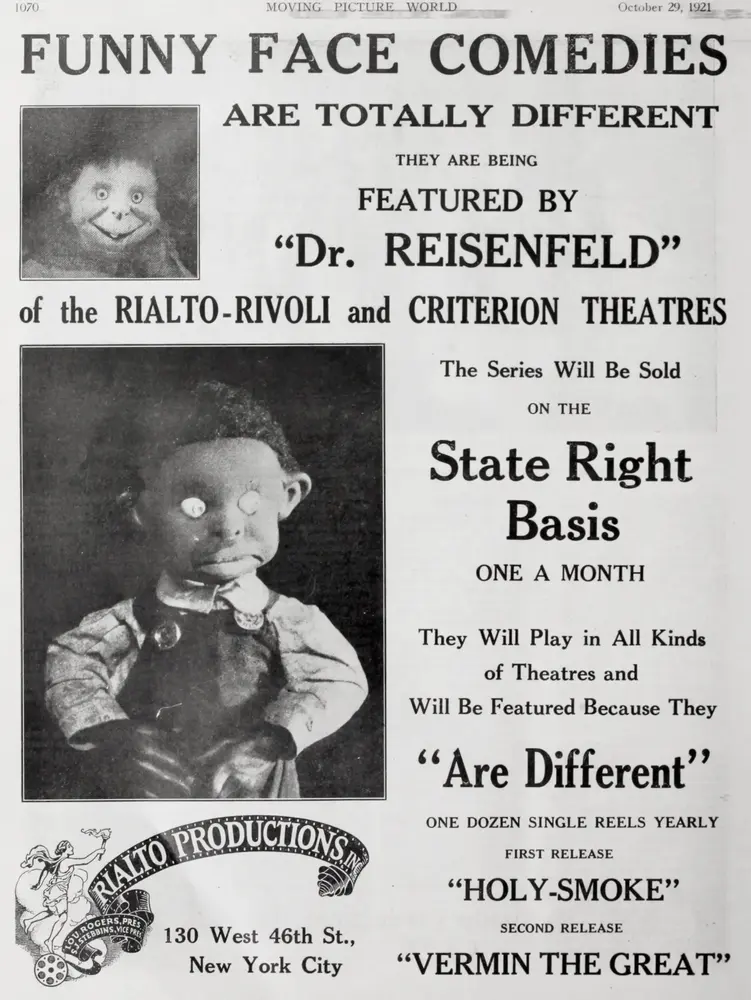
The year 1924 stood at a precarious crossroads for the American motion picture. As the industry gravitated toward the opulence of the studio system, the 'Poverty Row' Westerns maintained a raw, unvarnished energy that larger productions often sacrificed for polish. Holy Smoke, featuring the indomitable Leo Maloney, serves as a quintessential specimen of this rugged aesthetic. Unlike the high-drama adaptations such as Tess of the D'Urbervilles (1924), which sought to elevate cinema through literary prestige, Maloney’s work was grounded in the dirt and sweat of the vernacular experience.
To understand Holy Smoke is to understand the physicality of its lead. Maloney was not merely an actor; he was a technician of movement. In an era where stunt doubles were becoming the norm, Maloney’s insistence on performing his own equestrian maneuvers lent the film a documentary-like urgency. The way he mounts a horse—not with the choreographed grace of a ballet dancer, but with the weary efficiency of a man who has lived in the saddle—communicates more about his character than any title card ever could. This film shares a certain DNA with Canyon of the Fools, yet it strips away the whimsical nature of the latter in favor of a more direct, percussive narrative style.
The cinematography in Holy Smoke utilizes natural lighting in a way that feels almost accidental but is, in fact, a masterclass in adaptation. The harsh midday sun of the California scrubland creates deep, cavernous shadows beneath the brims of Stetson hats, forcing the viewer to focus on the grit of the performers' expressions. This visual language is a far cry from the stylized, avant-garde experimentation found in European imports like Havsgamar, yet it possesses an inherent honesty that is uniquely American.
One cannot discuss Holy Smoke without addressing the breakneck pacing that defines its middle act. The editing, likely handled with a sharp eye for rhythmic tension, mirrors the frantic energy found in Double Speed. Every transition feels earned, every cut serves to propel the protagonist toward an inevitable confrontation. While some critics of the time might have dismissed such works as 'programmers,' the structural integrity of Holy Smoke suggests a deep understanding of audience psychology. The film knows exactly when to breathe and when to tighten the noose.
Comparatively, while Flirting with Terror relied on the novelty of its thrills, Holy Smoke integrates its action into the very fabric of its moral conflict. The 'smoke' of the title isn't just a visual flourish; it represents the fog of war that descends upon the frontier as the old ways of the West clash with an encroaching, albeit unseen, modernity. The film functions as a bridge between the wild, lawless shorts of the 1910s and the more sophisticated Western epics that would follow in the 1930s.
In the landscape of 1924, moral ambiguity was beginning to seep into the Western genre. Holy Smoke flirts with this complexity. Maloney’s character isn't a saint; he is a man driven by a specific, often violent, code of ethics. This thematic depth is reminiscent of the social critiques found in Damaged Goods (1918), albeit translated into the rugged shorthand of the plains. The film asks: what is the cost of justice when the law is a distant abstraction? It is a question that echoes through other films of the period, such as The Price of Her Soul, which explored the transactional nature of human morality in a different social strata.
The supporting cast, though less celebrated than Maloney, provides a necessary friction. The antagonists are not mere caricatures; they represent the systemic greed that threatened the autonomy of the independent rancher. This struggle for land and legacy is a recurring motif, also seen in The Ranch Romeo, though Holy Smoke treats the subject with significantly more gravitas and significantly less slapstick. There is a weight to the violence here—a sense that every gunshot has a lasting consequence.
Technically, the film is a marvel of economy. Without the benefit of synchronized sound, the narrative relies heavily on visual cues and the expressive potential of the human face. The intertitles are sparse, used only when the visual information requires specific clarification. This allows the audience to remain immersed in the world, unburdened by excessive exposition. Such restraint is often missing in more experimental works like Capitan Groog and Other Strange Creatures, where the medium's novelty sometimes overshadows the storytelling.
The use of depth of field in Holy Smoke is particularly noteworthy. Several shots utilize a deep-focus technique that places the protagonist in the foreground while action unfolds in the far distance—a precursor to the visual language that would be perfected by Orson Welles and Gregg Toland decades later. This creates a sense of a vast, breathing world, rather than a series of flat theatrical stages. It stands in stark contrast to the more claustrophobic framing of El rompecabezas de Juanillo or the urban density of Die Verführten.
By 1924, the Western was already being nostalgic for a time that had barely passed. Holy Smoke captures this yearning perfectly. It feels like a dispatch from a dying world. The film doesn't possess the predatory intensity of The Tiger, nor the investigative curiosity of Sleepy Sam, the Sleuth. Instead, it occupies a middle ground of stoic observation. It is a film about survival—physical, emotional, and cultural.
The production values, while modest, are handled with a level of professionalism that belies the film's budget. The costuming is authentically worn, the sets (mostly natural locations) are chosen for their evocative power, and the horses are as much characters as the humans. In the broader context of 1920s cinema, including works like Lucciola or the high-octane Thrills, Holy Smoke maintains a dignified presence. It doesn't need to scream to be heard; its power lies in its silence and its steadfast commitment to the reality of the frontier.
Ultimately, Holy Smoke is more than just a relic of the silent era. It is a testament to the enduring power of the Western as a vehicle for exploring the human condition. Leo Maloney’s performance remains a high-water mark for the genre, offering a blend of physicality and quiet intensity that feels remarkably modern. As we look back at the cinematic landscape of 1924, this film stands out as a beacon of craftsmanship and narrative clarity.
For the modern viewer, Holy Smoke offers a window into a world where the stakes were simple but the emotions were profound. It reminds us that cinema, at its heart, is about the movement of bodies through space and the light that illuminates them. Whether you are a scholar of the silent era or a casual fan of Western history, this film demands your attention. It is a smoky, gritty, and utterly essential piece of film history that continues to resonate long after the final frame has flickered out.
Critic's Verdict
A masterclass in silent-era economy and frontier realism. Holy Smoke is a vital chapter in the Leo Maloney canon that proves the Western was sophisticated long before it was 'epic.' A must-watch for those who appreciate the raw power of early independent cinema.
IMDb —
1924
Community
Log in to comment.