DbcultAccessing Vault...
7.8/10
Senior Film Conservator
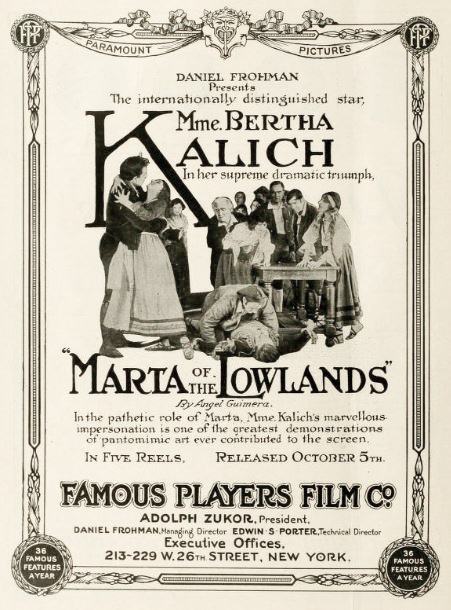
A definitive 7.8/10 rating for a film that redefined the boundaries of cult cinema. Marta of the Lowlands remains a cornerstone of transgressive art.
In the annals of early cinema, few narratives capture the raw, untamed spirit of human drama quite like Marta of the Lowlands. This isn't just a film; it's a visceral experience, a stark portrayal of vulnerability exploited and resilience forged in the fires of injustice. Adapted from Àngel Guimerà's celebrated play, the movie plunges viewers into a world where power corrupts absolutely, and the purest hearts are often the most susceptible to its machinations. It’s a testament to the enduring power of storytelling that a narrative so steeped in its specific cultural context can transcend time, speaking volumes about universal themes of love, betrayal, and the unyielding human spirit. The film, in its silent grandeur, invites an immersive contemplation, demanding more than passive viewership; it insists upon empathy, upon a deep understanding of its characters' plights and triumphs. The visual language, devoid of spoken dialogue, becomes a canvas for exaggerated expressions and gestures, a poignant ballet of emotions that communicates far more profoundly than words ever could. This is the art of early cinema at its zenith, demonstrating an unparalleled ability to convey complex narratives through pure visual poetry.
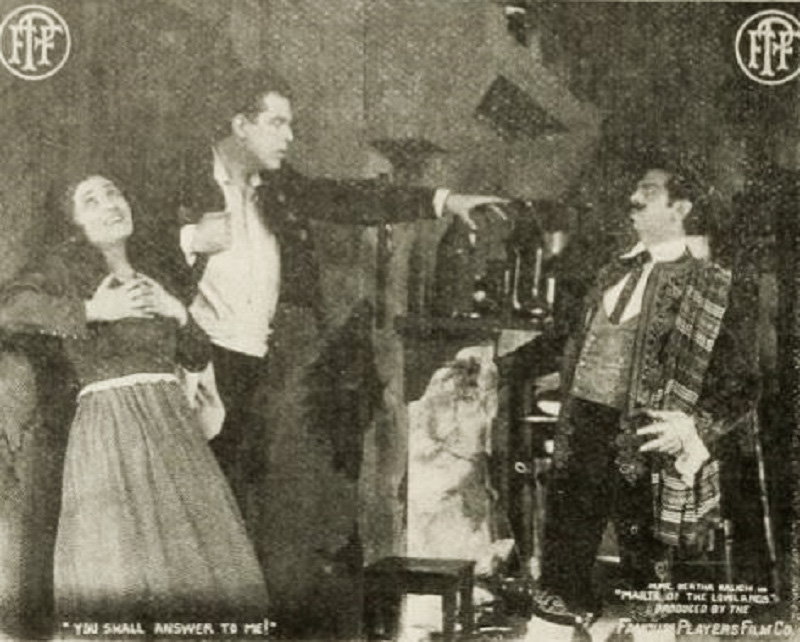
At the heart of this wrenching drama lies Marta, brought to life with heart-rending authenticity by Bertha Kalich. Her portrayal is nothing short of masterful, a nuanced exploration of a soul scarred by early hardship and further tormented by the insidious control of Sebastien, the wealthy landowner played with chilling authority by Hal Clarendon. Sebastien's initial act of 'charity'—adopting the beggar child Marta—is revealed to be a calculated maneuver, a prelude to a life of exploitation. He is a predator cloaked in the guise of a benefactor, his influence over Marta a dark stain on her existence. As he casts his gaze towards a more financially advantageous marriage, Sebastien seeks to maintain his illicit hold on Marta, orchestrating a cruel deception. He leverages Tomas, the unsuspecting hermit, to arrange a marriage between Marta and Manelich, a shepherd from the untamed mountains. This arrangement is a cynical ploy, designed to remove Marta from his immediate vicinity while ensuring she remains tethered to his will, a puppet in his grand, self-serving design. The intricate layers of Sebastien's manipulation are a stark reminder of the corrosive nature of unchecked power, echoing the intricate social commentary found in dramas like Anna Karenina, where societal expectations and personal desires clash with devastating consequences. Clarendon's Sebastien is not merely a villain; he is a force of nature, an embodiment of the era's patriarchal dominance and the quiet suffering it inflicted upon the vulnerable.
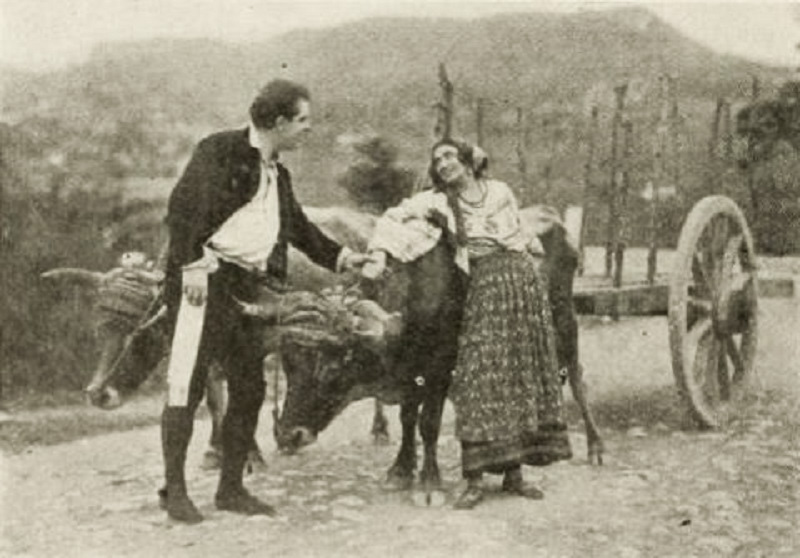
Enter Manelich, portrayed by Wellington A. Playter, a character forged in the crucible of nature, far removed from the guile and deceit of the lowlands. He is a man of instinct and purity, capable of felling wolves with his bare hands, yet utterly defenseless against the sophisticated treachery of Sebastien. Manelich's understanding of the world is simple: love is honest, intentions are clear. He approaches his arranged marriage to Marta with an open heart, genuinely believing her to be his beloved. Playter imbues Manelich with a rugged innocence that makes his eventual disillusionment all the more heartbreaking. When the truth of the deception slowly dawns upon him, the betrayal strikes deep, shattering his pastoral idyll. His journey from blissful ignorance to agonizing realization is one of the film's most powerful arcs, a testament to the fact that even the most robust spirit can be wounded by human perfidy. This raw emotional journey finds resonance with narratives like Joseph in the Land of Egypt, where an innocent protagonist faces profound betrayal and manipulation, yet ultimately finds a path through suffering. Manelich's love, initially built on a foundation of lies, proves to be a force strong enough to pierce through Marta's own protective cynicism, compelling her to recognize its genuine warmth and honesty.
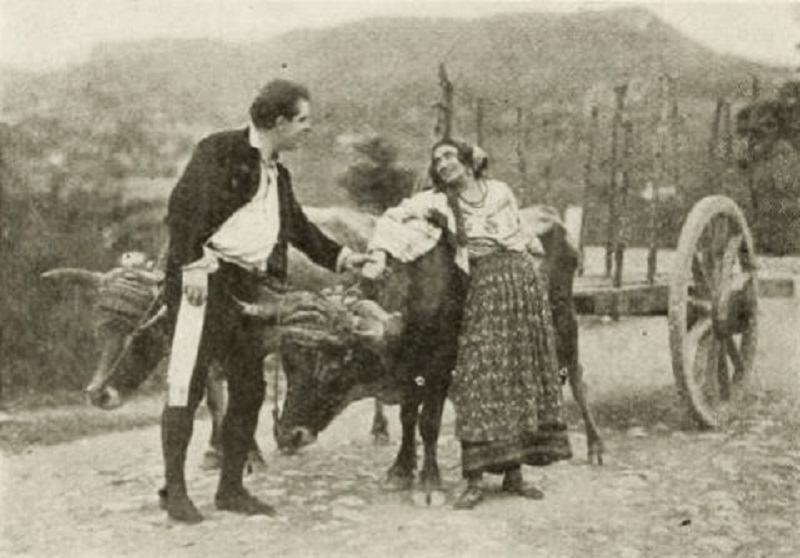
The dramatic core of Marta of the Lowlands lies in the gradual, agonizing revelation of truth and the subsequent, unexpected blossoming of authentic affection. Marta, initially viewing Manelich as another pawn in Sebastien's game, a husband bought and paid for, witnesses the unvarnished purity of his love. This realization is transformative. Her initial resignation gives way to a dawning awareness of Manelich's sincerity, a stark contrast to the duplicity she has always known. The honesty of his emotions acts as a balm to her wounded spirit, compelling her own heart to respond in kind. This mutual understanding, born out of a shared betrayal, becomes the bedrock of their burgeoning bond. It's a poignant exploration of how true love can emerge from the most unlikely and tragic circumstances, a theme that resonates with the intense emotional landscapes depicted in films such as Locura de amor, where passionate, often tumultuous, love stories unfold against backdrops of societal pressure and personal torment. The film masterfully portrays this psychological shift through subtle glances, hesitant touches, and the silent language of the eyes, showcasing the exquisite artistry of its lead performers.
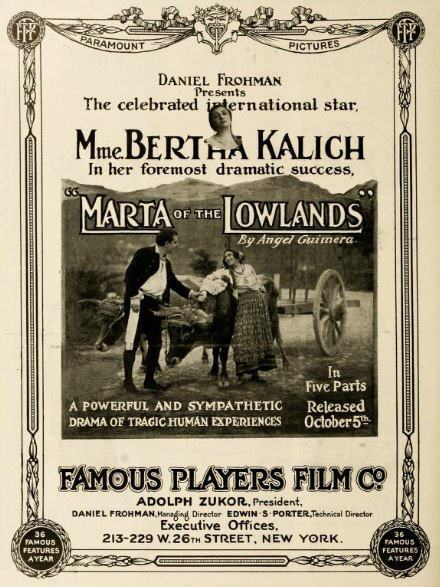
Bertha Kalich's portrayal of Marta is arguably the film's most compelling element. She is a figure of profound pathos, a patient sufferer whose quiet endurance in the face of Sebastien's relentless cruelty and manifold indignities is nothing short of heroic. We witness the poignancy of her grief, the restraint of her anguish, and the quiet dignity with which she navigates a world designed to crush her spirit. Her movements among the treacherous characters of her environment are those of a survivor, ever watchful, ever wary, yet never entirely devoid of hope. This character study is a trenchant examination of oppression and the resilience of the human will. Marta's journey is not one of overt rebellion, but of internal fortitude, a battle fought within the confines of her own heart and mind. Her suffering is palpable, yet her spirit remains unbroken, a beacon of strength that quietly illuminates the screen. This depth of character, the portrayal of a woman enduring immense hardship with grace, finds parallels in other powerful female narratives of the era, such as Rebecca the Jewess, where protagonists face societal prejudice and personal trials with unwavering resolve. Kalich's performance elevates Marta beyond a mere victim, transforming her into an icon of enduring strength, a testament to the power of the human spirit to find love and dignity even amidst the deepest despair.
While Bertha Kalich and Wellington A. Playter deliver performances that anchor the film's emotional weight, the supporting cast, including Lillian Kalich and George Moss, contribute to the rich tapestry of this dramatic world. Hal Clarendon, as the villainous Sebastien, provides a formidable antagonist, his presence looming large over the narrative. The genius, however, originates from the pen of Àngel Guimerà, whose original play Terra baixa (literally 'Lowlands') provided the intricate blueprint for this cinematic adaptation. Guimerà's work is celebrated for its powerful exploration of social injustice, class struggle, and the clash between urban sophistication and rural innocence. The translation of such a rich theatrical piece to the silent screen is a monumental achievement, relying heavily on visual storytelling, evocative cinematography, and the expressive capabilities of its actors. The film maintains the play's intense, almost operatic, emotional pitch, using close-ups and dramatic staging to convey the inner turmoil and external conflicts of its characters. This adaptation stands as a testament to the universal appeal of Guimerà's narrative, a story that transcends linguistic and cultural barriers, finding new life in the nascent art form of cinema. The meticulous direction ensures that every glance, every gesture, every dramatic tableau serves to advance the complex emotional and thematic landscape, making it a masterclass in silent film execution. The narrative's careful pacing allows for a slow burn of revelations, culminating in moments of profound emotional impact that resonate long after the credits roll.
Marta of the Lowlands is more than just a period piece; it's a timeless reflection on the insidious nature of power dynamics and the enduring quest for personal autonomy. The themes explored—sexual exploitation, class disparity, the purity of nature pitted against the corruption of society, and the redemptive power of genuine love—remain profoundly relevant. Marta's struggle against her oppressor, Sebastien, is a microcosm of broader societal battles against injustice. Her quiet resilience, her refusal to be utterly broken, speaks to the strength found in the most vulnerable. Manelich's journey from innocent mountain dweller to a man awakened to the harsh realities of human duplicity highlights the vulnerability of purity in a world driven by greed and control. The film serves as a potent reminder that while the specific costumes and settings may change, the fundamental conflicts of the human heart and the societal structures that perpetuate inequality remain strikingly similar across epochs. It challenges viewers to consider the various forms of 'lowlands' that exist in our own world, places where vulnerability is preyed upon, and where the struggle for dignity is a daily battle. Much like Children of the Stage; or, When Love Speaks, which delves into the raw emotions and dramatic lives of its characters, Marta of the Lowlands uses its theatrical roots to amplify the emotional stakes, creating a deeply affecting and thought-provoking cinematic experience that transcends its era.
Ultimately, Marta of the Lowlands stands as a towering achievement in early dramatic cinema. It is a film that demands to be seen, not just as a historical artifact, but as a vibrant, living narrative that continues to provoke thought and stir emotion. The intensity of its character studies, the trenchant critique of power, and the ultimate triumph of genuine affection over calculated cruelty make it an unforgettable experience. Bertha Kalich's portrayal of Marta remains a benchmark for silent film acting, a performance of such profound depth that it resonates with contemporary audiences. The film's ability to convey complex emotional landscapes without a single spoken word is a testament to the artistry of its creators and performers. It reminds us of the universal language of human suffering and triumph, proving that some stories, told with enough passion and conviction, truly are timeless. This is a film that deserves its place among the classics, a powerful and moving testament to the enduring human spirit and the relentless pursuit of dignity and love against all odds. Its legacy is not just in its historical significance, but in its unwavering capacity to connect with the raw, beating heart of humanity, making it a profound and essential viewing for any serious cinephile. The final frames leave an indelible impression, a poignant echo of Marta's journey from the depths of despair to the dawn of a hard-won, authentic love, a narrative arc that speaks volumes about the capacity for hope even in the most desolate of circumstances.

IMDb 7.3
1936
Community
Log in to comment.