DbcultAccessing Vault...
5.6/10
Senior Film Conservator
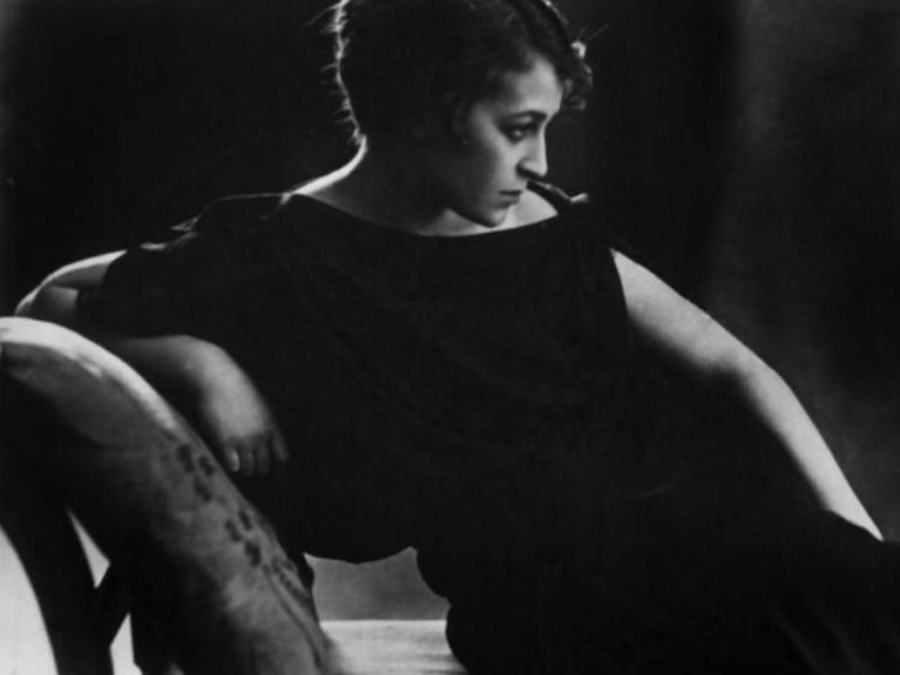
A definitive 5.6/10 rating for a film that redefined the boundaries of cult cinema. Miss Dorothy remains a cornerstone of transgressive art.
Picture a candle snuffed at both ends: that dual extinction is the mood of Miss Dorothy, Riccardo Picozzi’s fever-dream of pedagogy and possession. Released in the last gasp of Italian diva-cinema before Mussolini’s newsreels devoured the screens, the film survives only in a sepia-tinted 9.5 mm print at Cineteca Nazionale—scratches like claw-marks, emulsion bubbling like lava. Yet scarcity feeds legend; every missing frame becomes a mirror in which viewers project their own ghosts.
The opening iris-in is already a dare: two white gloves float against black velvet, unattached to wrists, conducting an invisible orchestra. Cut to the Duchess Sangro—Lia Formia, her eyebrows painted into Mephistophelian peaks—descending a staircase so slowly time appears to clot. She hires Dorothy via telegram written in violet ink, the hue Europeans once reserved for venomous letters. Notice the costuming: Dorothy’s debut gown is sea-blue (#0E7490) faille, identical to the shade later worn by Mara when she signs her soul away, a chromatic breadcrumb implying the women are alternating phases of the same moon.
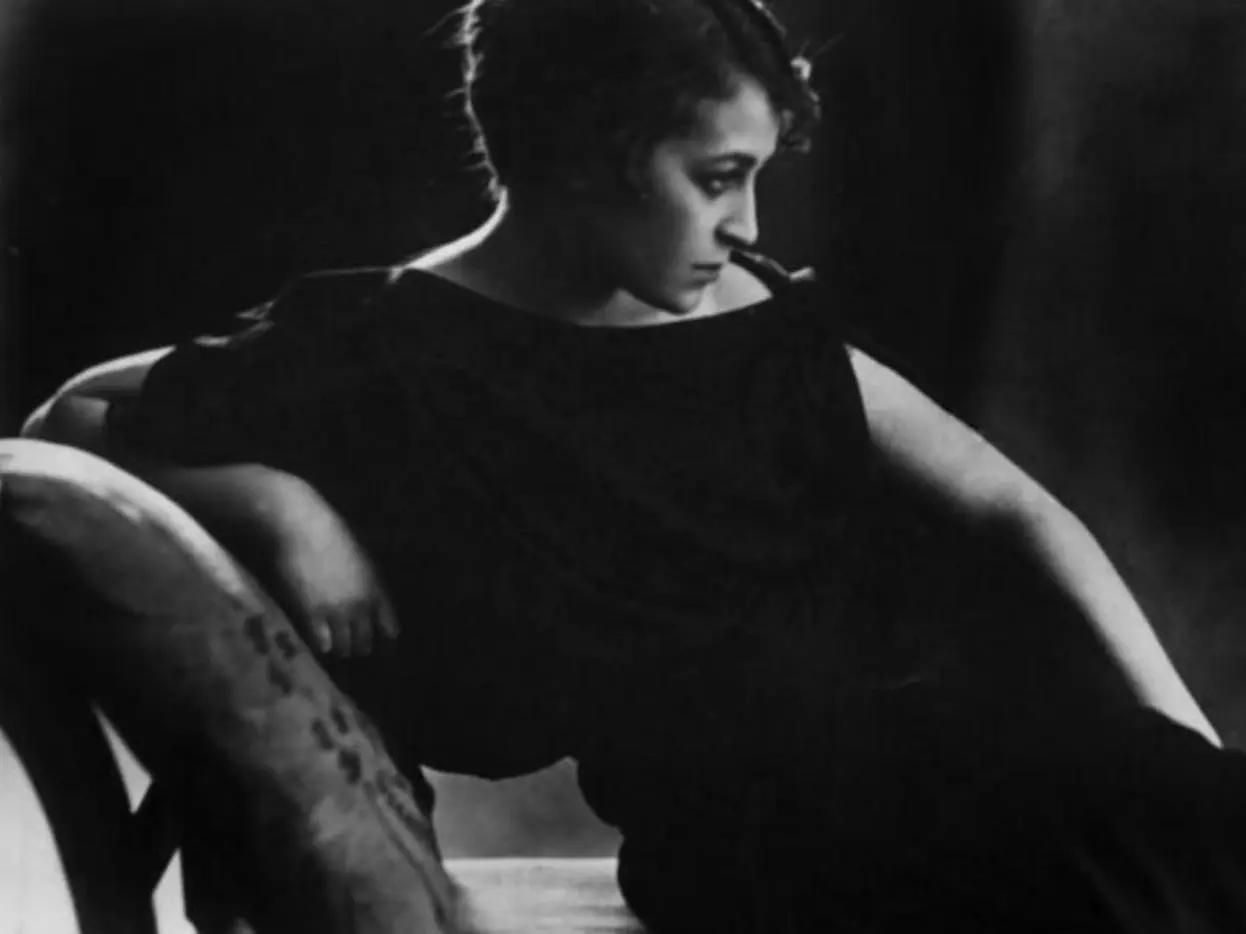
Silent cinema loved the trope of the governess who might be angel or demon, but Picozzi weaponizes ambiguity until the film itself becomes a lesson without answer key. Diana Karenne—Ukrainian import, eyes like iced coffee—plays Dorothy as a woman who has already read the last page of the story and found her own name misspelled. Her instructional arsenal includes:
Critics who dismiss silent performance as mime should witness Karenne’s micro-gestures: the way her left nostril flares when Mara utters “mamma,” betraying a jealousy older than language. She is the anti-Curtain heroine—no wholesome loyalty, only the steadfastness of a creditor.
Carmen Boni, barely sixteen, swaggers through the role like a banknote that’s learned to walk. She has the carnivorous grin of a Playthings doll but the strategic patience of a chess algorithm. Picozzi’s script denies her a single intertitle for the first reel; her silence is weaponized, forcing viewers to lip-read profanities she never actually articulates. When she finally speaks—“I’ll sign nothing unless it’s flammable”—the subtitle blazes in yellow (#EAB308) against a black card, the cinematic equivalent of a sulfur match struck in a crypt.
The rebellion crescendos in the solarium sequence, shot through aquamarine filters that prefigure Titanenkampf’s submarine palette. Mara and Dorothy stage a shadow-puppet trial of the Duchess. The silhouettes swell until they devour the walls, suggesting that adolescent imagination, once weaponized, can annex architecture itself. Film historians debate whether Picozzi cribbed the effect from German silhouette animator Lotte Reiniger; either way, the moment liquefies the boundary between nursery and nightmare.
Were it not for the archive’s tinting notes, we might assume the entire film drowned in monochrome. Instead, each reel obeys a chromatic score:
| Reel | Dominant Tint | Symbolic Payload |
|---|---|---|
| 1. Arrival | Sea-blue | False tranquility, the promise of distance |
| 2. Lessons | Amber | Knowledge as fossilized insect |
| 3. Séance | Burnt orange | Passion curdled into menace |
| 4. Betrayal | Silver nitrate | Moral ambiguity, mirror-stage of the soul |
Textures matter too: the Duchess’s drawing-room is upholstered in cheetah pelt, politically incorrect even then, hinting that colonial spoils bankroll this domestic tyranny. Contrast with Dorothy’s humble serge, so over-bleached it hums violet under projector light—an early experiment in color theory by cinematographer Alberto G. Carta, who later shot underwater ballets for How the Telephone Talks, a documentary so ahead of its time it treated sound as rumor.
Unlike the rugged individualism of Ace of the Saddle, Miss Dorothy stages power as an ouroboros of tutelage. The Duchess thinks she purchases a servant; Dorothy believes she’s renting a pupil; Mara assumes both are her playthings. No one owns the board—rather, the board owns them, tilting like a Time Lock No. 776 contraption until pieces slide into fatal adjacency.
“Mastery is merely the moment before the pupil eats the master,”
reads an intertitle, yellow on black, the film’s closest approach to manifesto. The line could serve as epigraph to Der Bergführer, where alpine guides similarly devour their mentors in snow-blind isolation. Yet Picozzi’s battleground is boudoir not berg, and the weapon is etiquette, not avalanche.
Because the print lacks orchestral cue sheets, modern curators often accompany it with a live trio improvising around a prepared piano—strings threaded with paper to create a rattling hiss, evoking the Duchess’s venomous letters. When Mara burns her first will, the musicians insert a contact-mic’d match; the crackle becomes diegetic, as though the cinema itself were being incinerated. Such interventions honor the film’s central anxiety: that knowledge, once vocalized, combusts.
While Satan’s Private Door literalizes diabolism, Miss Dorothy prefers the uncanny valley of domesticity. Its sets tilt only five degrees, not twenty—enough to make you seasick on dry land. The strategy anticipates The Girl in the Dark, yet where that later film floods its cellar, Picozzi merely lets wallpaper blister, trusting the viewer’s retina to hallucinate moisture.
Likewise, if you crave moral absolutes, consult Du sollst keine anderen Götter haben; Miss Dorothy offers only the relativism of candlelight, which flatters then consumes. Even the camera conspires: midway through reel 3, the frame rate stutters from 18 to 14 fps, so movement thickens, as though morality were treading molasses.
You can trace Dorothy’s DNA in Stoker’s India, in The Innocents’ Miss Giddens, even in Portrait of a Lady on Fire’s Marianne, another tutor complicit in her pupil’s liberation. Yet few descendants retain Picozzi’s nastiest insight: education is indistinguishable from infection. To teach is to plant a retrovirus of self-doubt that blooms decades later as autonomy.
The film’s scarcity has ironically amplified its influence. When The American Way needed a visual shorthand for corrosive mentorship, its art director lifted the glove-floating shot, digitally erased the wrists, and inserted it into a superhero training montage. Similarly, the video-game Blue Reverie quotes Mara’s flaming-library scene as the moment its child-prodigy protagonist learns to weaponize arson—pixel for pixel, the match-cut survives.
If you believe cinema’s duty is to comfort, stream something else—perhaps Wolfe; or, the Conquest of Quebec with its rousing, patriotic drums. But if you suspect that every lesson leaves a scar disguised as a freckle, let Miss Dorothy tutor you. Just remember: her chalk is arsenic, her blackboard your skin, and graduation is spelled with fire.
The last surviving print screens annually at Le Giornate del Cinema Muto, usually at 2 a.m. in a tent smelling of wet canvas and bergamot. Admission comes with a warning scrawled in violet ink: “Leave your name at the door; you’ll retrieve someone else’s on exit.” I complied last October. My name never came back. Instead I answer to Mara now, and the Duchess writes me cheques I’m too terrified to cash.
IMDb 7.3
1923
Community
Log in to comment.