DbcultAccessing Vault...
Cult Review
Senior Film Conservator
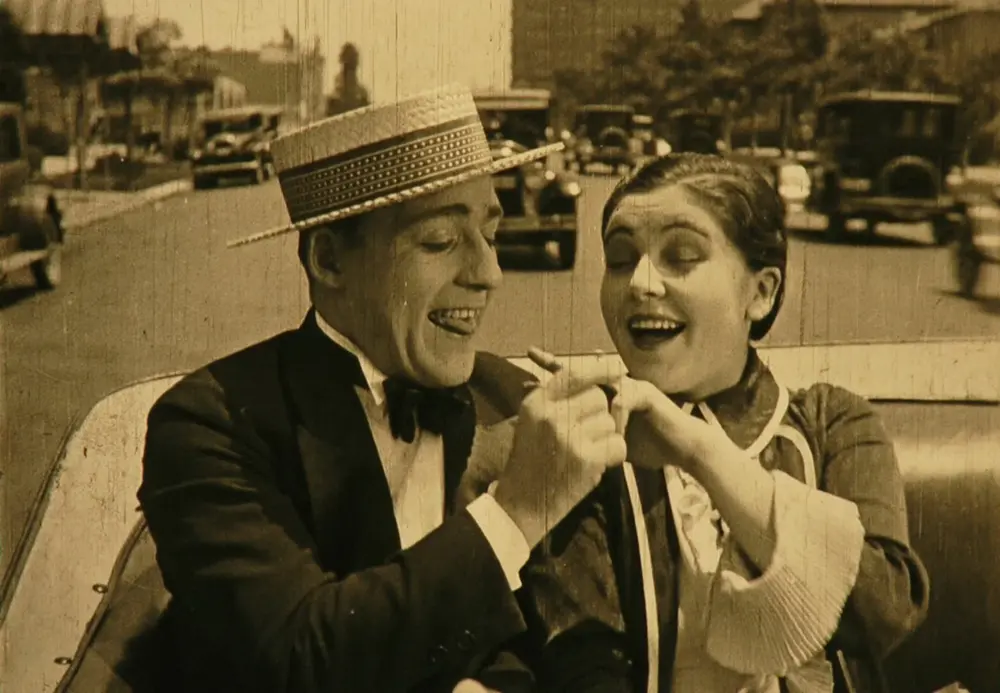
Does 'My Baby' still offer enough thrill to justify a modern viewing? Short answer: yes, but only if you appreciate the raw, unpolished kinetic energy of early silent-era stunts.
This film is for the cinephile who enjoys seeing the evolution of the 'action-comedy' and for those who find the social dynamics of the 1920s fascinating. It is NOT for viewers who require seamless continuity or high-definition polish. It’s a scrappy, frantic piece of celluloid history.
1) This film works because it successfully bridges the gap between lighthearted social satire and genuine suspense in its final act.
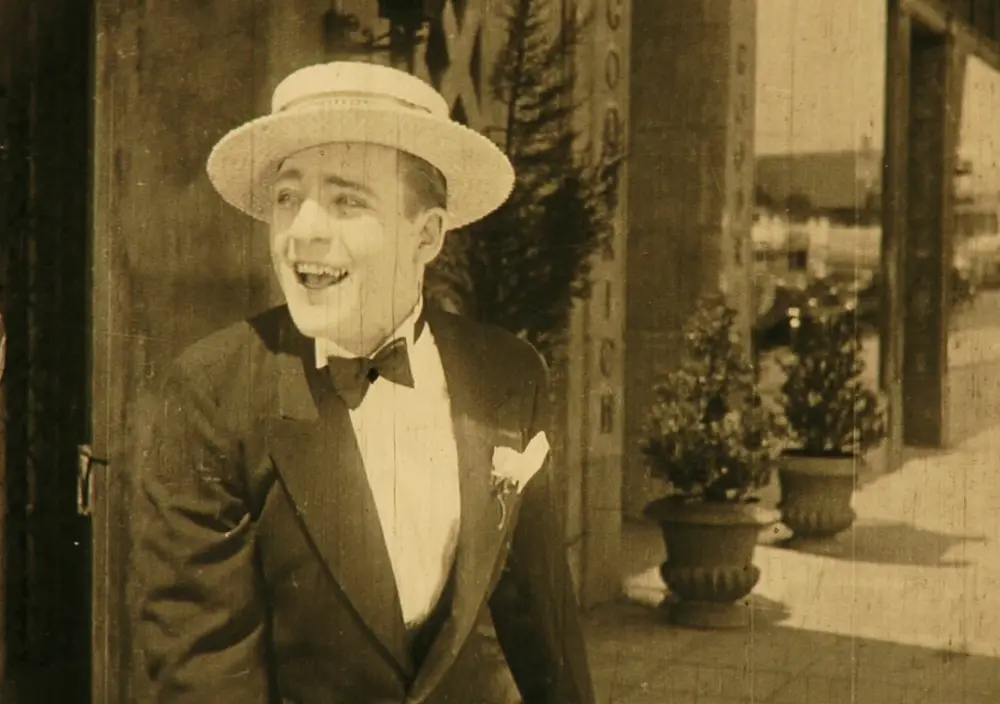
2) This film fails because the transition from Bobby’s incompetence to his sudden heroic capability feels rushed and narratively convenient.
3) You should watch it if you want to see how early filmmakers used verticality and height to create tension without the benefit of modern safety equipment.
Yes, My Baby is worth watching for its historical value and its surprisingly intense climax. While the first half plays like a standard 'lazy rich boy' trope seen in Discontented Husbands, the second half shifts into a high-octane chase. It is a simple film, but its simplicity allows the physical performances to shine.
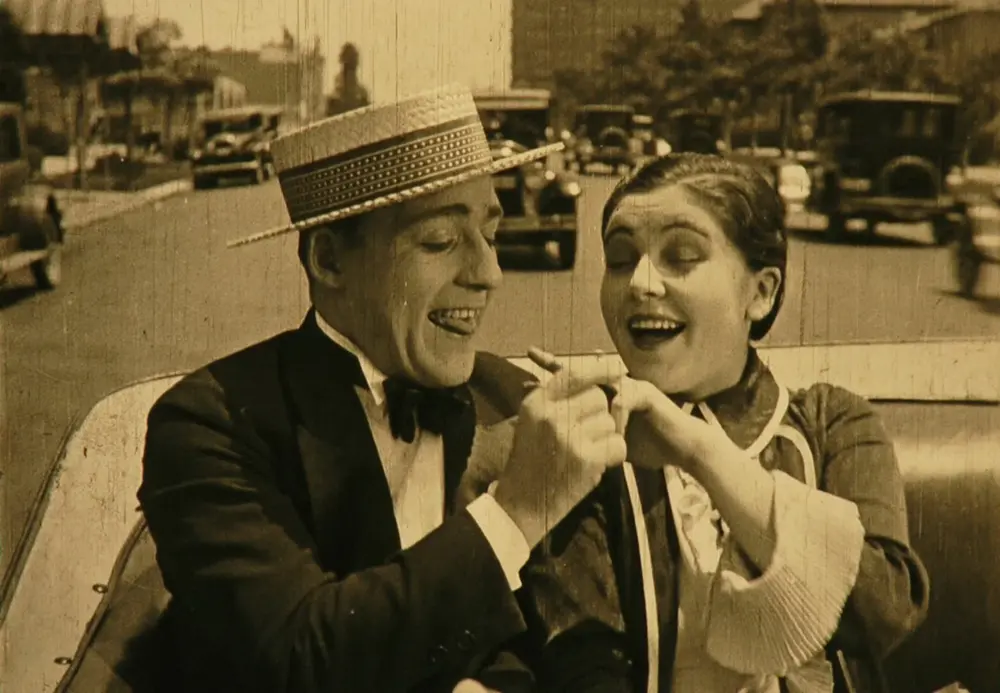
Bobby Ray plays the lead with a certain limp-wristed charm that was popular in the early 20s. At the start, he is annoying. He is meant to be. His 'uselessness' is the catalyst for the entire plot, a theme often explored in films like Hush Money.
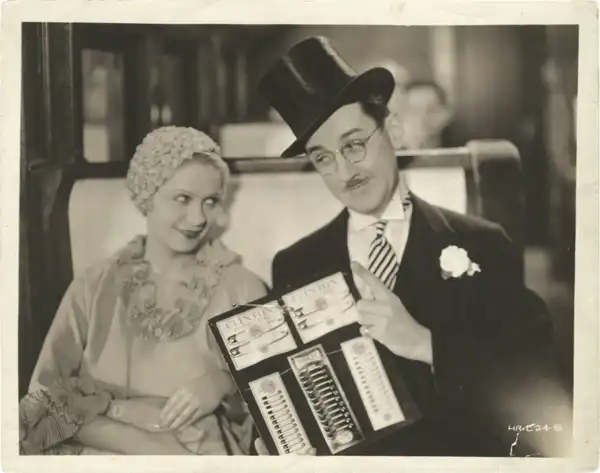
When Bobby becomes a bus conductor, the film finds its rhythm. There is a specific scene where he fumbles with tickets and passengers that feels like a precursor to the workplace comedies of the 30s. It’s clunky, but it’s human. We see a man actually trying to integrate into a world that doesn't care about his father’s bank account.
The acting style is broad, as expected. However, Shirley Palmer brings a groundedness to her role. She isn't just a trophy; she is the moral compass. Her refusal to marry Bobby until he proves his worth is a sharp contrast to the more passive female leads found in Wild Primrose.
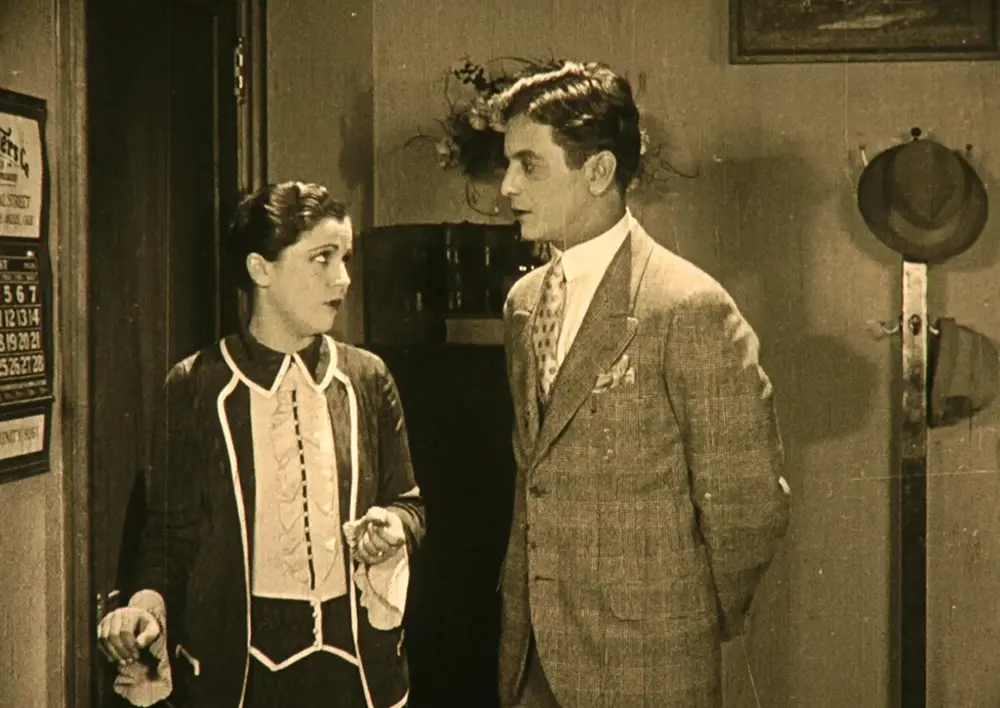
The arrival of George, played with oily menace by George Merrill, changes everything. The film stops being a comedy. The kidnapping of the baby is handled with a bluntness that is still jarring today. It’s not stylized; it’s a direct, ugly act of villainy.
This tonal shift might alienate some. It feels like two different movies stitched together. One moment we are laughing at bus antics, and the next, we are in the middle of a kidnapping plot reminiscent of The Carter Case. But this jarring nature is exactly what makes it memorable.
The pursuit sequence is where the directing shines. The use of the 'nurse' character—who remains uncredited but performs some of the most impressive physical work in the film—is a stroke of genius. She isn't just a sidekick; she is an active participant in the rescue.
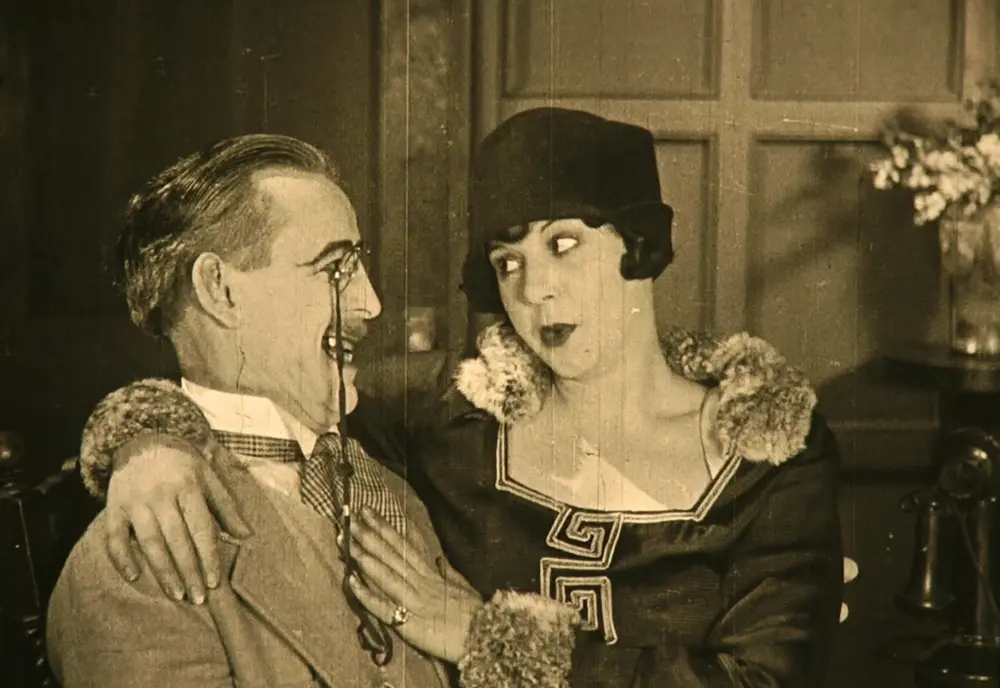
We have to talk about the ladder. The high ladder work in the finale is the film’s 'money shot.' There are no green screens here. When you see the actors dangling at height, the danger feels palpable. It’s a visceral experience that modern CGI often fails to replicate.
Compare this to the experimental visuals in Kino Pravda No. 16. While Vertov was experimenting with the camera's eye, the makers of My Baby were experimenting with how much they could make an audience’s stomach churn. The pacing here is relentless.
The camera angles are surprisingly sophisticated. They capture the scale of the climb, making the rescue feel like a Herculean feat. Bobby Ray sheds his 'useless' persona entirely. He becomes a man of action, and for the first time, we actually root for him.
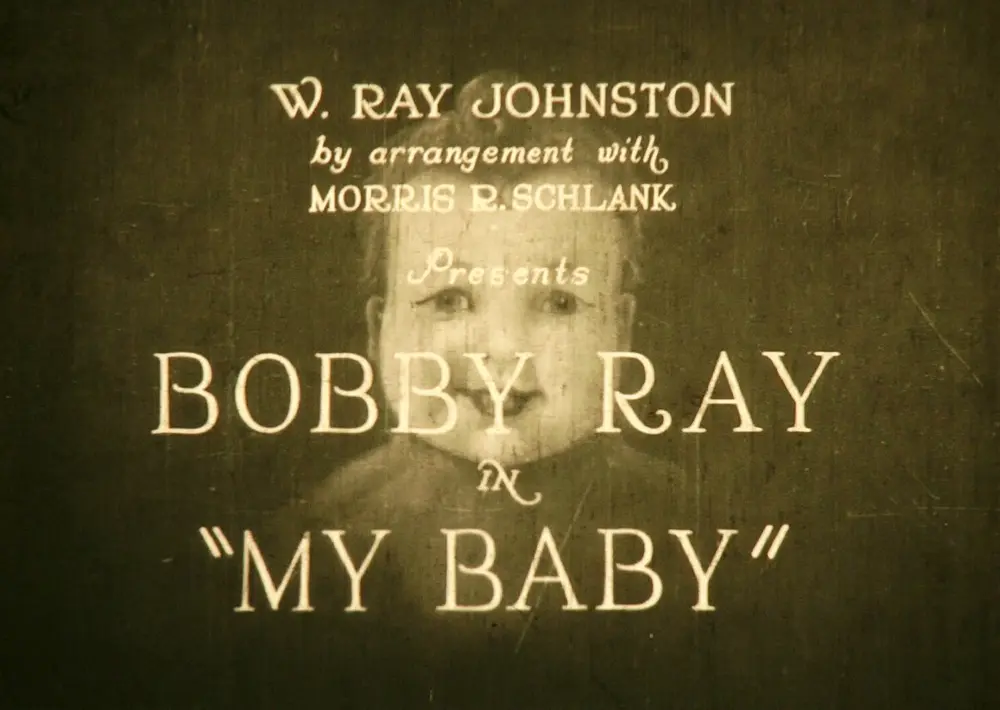
The film captures a very specific version of the early 20th-century city. The streets are crowded, the buses are rickety, and the class divide is visible in every frame. It lacks the surrealism of Hypocrites, opting instead for a gritty, functional realism.
The lighting is mostly naturalistic, which adds to the tension of the outdoor scenes. When George is captured, the resolution is swift and unsentimental. The police arrive, the villain is taken, and the order is restored. It’s a clean, punchy ending that doesn't overstay its welcome.
The final shot of Bobby’s father meeting his grandson is the only moment of true sentimentality. It works because it has been earned through the sweat and terror of the preceding twenty minutes. It’s a payoff that feels genuine, unlike the forced happy endings in After the Ball.
Pros:
Cons:
My Baby is a fascinating relic. It works. But it’s flawed. It starts as a lecture on middle-class work ethic and ends as a rooftop survival horror. This schizophrenia is its greatest strength. It keeps you off balance. While it might not have the artistic weight of The Isle of Lost Ships, it has a raw, populist energy that is infectious. If you can get past the initial fluff, the ladder sequence alone is worth the price of admission. It’s a frantic, sweaty, and ultimately satisfying piece of cinema that proves heroes aren't born—they’re made on the back of a bus.
IMDb 5.8
1926
Community
Log in to comment.