DbcultAccessing Vault...
Cult Review
Senior Film Conservator
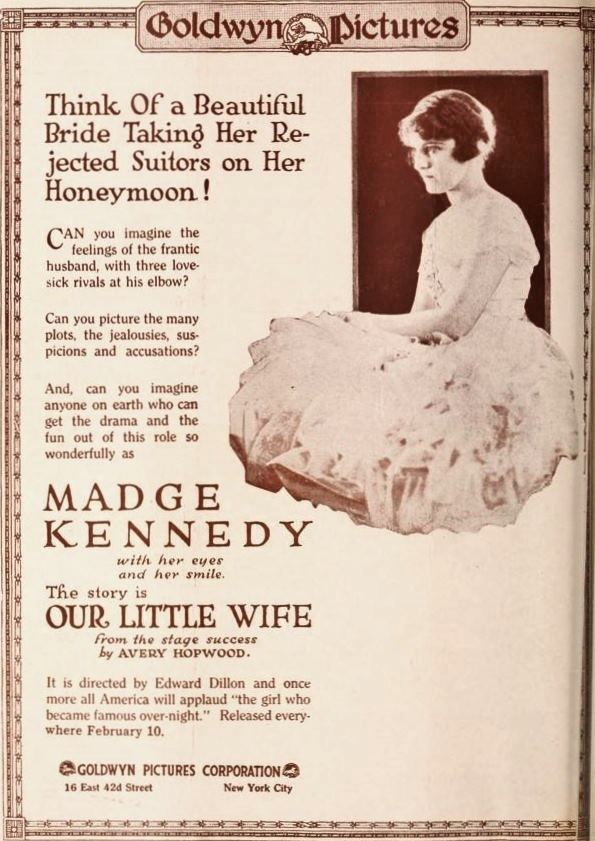
In the annals of early cinema, few characters embody the delightful, albeit exasperating, spirit of well-intentioned chaos quite like Dodo Warren in the film Our Little Wife. This charming, often farcical narrative, penned by Roy Somerville and Avery Hopwood, plunges us into the immediate aftermath of a wedding, where the conventional expectations of marital bliss are swiftly upended by a bride whose heart is perhaps too large, or at least, too indiscriminately generous. What unfolds is a captivating, if at times bewildering, exploration of social norms, personal boundaries, and the enduring power of comedic misunderstanding.
From the outset, the film establishes its unique premise with a bold stroke of characterization. Dodo Warren, portrayed with an infectious, wide-eyed innocence that belies her capacity for disruption, makes a decision that would send any newlywed husband into a spiraling existential crisis: she invites her three spurned suitors – Bobo Brown, Tommy Belden, and Dr. Elliott – to join her and her new husband, Herb, on their honeymoon. This is not merely an oversight or a moment of thoughtless folly; it is a conscious, deeply felt conviction on Dodo’s part that these gentlemen, having once held her affection, deserve a place in her new life. Herb’s protests, predictably vehement and entirely justified, fall upon ears deafened by Dodo’s unwavering, if utterly illogical, sense of propriety and compassion. It’s a setup ripe with comedic potential, immediately setting a tone that oscillates between lighthearted romance and outright farce.
The Florida resort, intended as a sanctuary for conjugal intimacy, swiftly becomes a stage for an elaborate, if accidental, comedy of errors. The presence of three former flames, all presumably still nursing some degree of longing for the bride, creates an atmosphere thick with unspoken tension and ripe for misinterpretation. It's a testament to the film's clever writing that this unusual quintet manages to coexist, albeit uneasily, under the same roof. The pivotal incident, Herb discovering Dodo in what appears to be a compromising embrace with Dr. Elliott, is a masterclass in situational comedy. The audience, privy to Dodo’s guileless nature, understands the absurdity of the situation, even as Herb’s gut reaction reflects the understandable jealousy and insecurity of a new husband. Dodo’s subsequent explanation, delivered with earnest conviction, manages to sway Herb, a testament to her persuasive charm or perhaps Herb’s desperate desire to believe in her untainted innocence. It’s a moment that highlights the fragility of trust and the often-comical lengths to which characters in romantic comedies must go to preserve it.
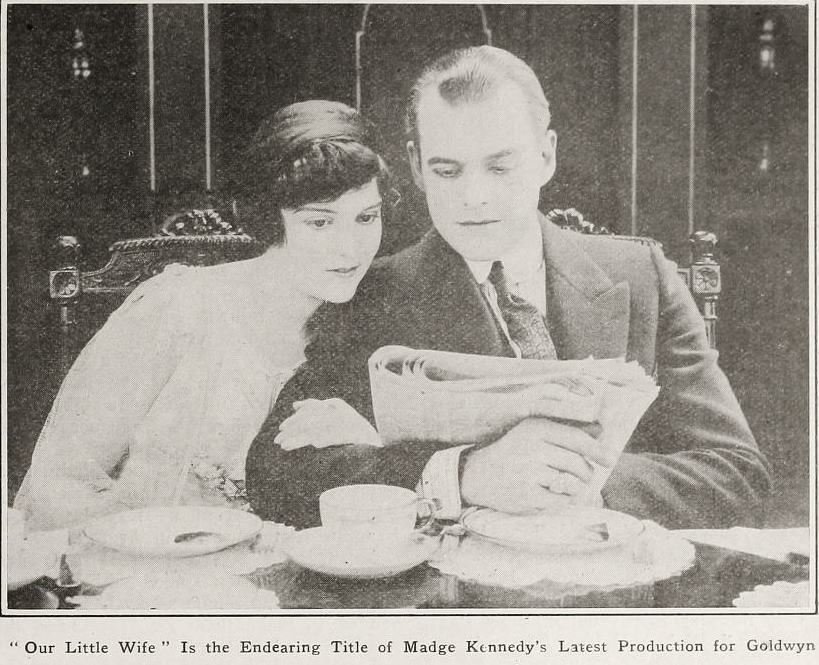
The narrative then fast-forwards a year, a temporal leap that suggests Dodo’s penchant for accidental entanglement is not merely a honeymoon phase aberration but a fundamental aspect of her character. Her attempt to mend the relationship between Angie Martin and Bobo Brown, another one of her former suitors, serves as a poignant reminder of her inability to simply observe. Dodo, ever the well-meaning meddler, finds herself once again at the epicenter of romantic discord. Her decision to enlist Bobo as her escort to a party, ostensibly to facilitate a reconciliation that never materializes, is a classic comedic trope: the road to good intentions paved with unforeseen complications. This leads to the film's second major set-piece: Dodo, locked into George Haywood’s apartment, an innocent victim of circumstance and her own boundless, if misguided, helpfulness. This predicament, fraught with potential scandal, demands another round of frantic explanations, each more convoluted than the last, until Dodo is finally extricated from her latest imbroglio.
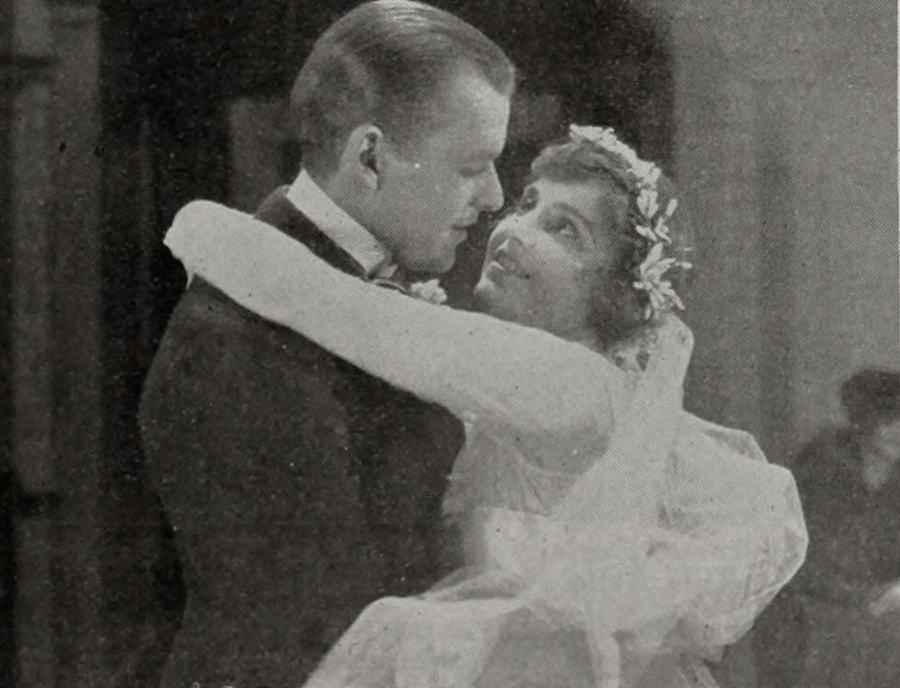
The film’s resolution, with Dodo promising never to look at another man again, is a charming, if wholly unbelievable, concession. It’s a comedic wink, acknowledging that Dodo’s nature is likely immutable, and her future will undoubtedly be punctuated by further well-meaning misadventures. This cyclical pattern of Dodo’s innocent transgressions and Herb’s exasperated forgiveness forms the comedic backbone of the film, creating a dynamic that is both frustrating and endearing. The audience is left to ponder whether Dodo’s promises are truly sustainable, or merely temporary truces in an ongoing marital comedy.
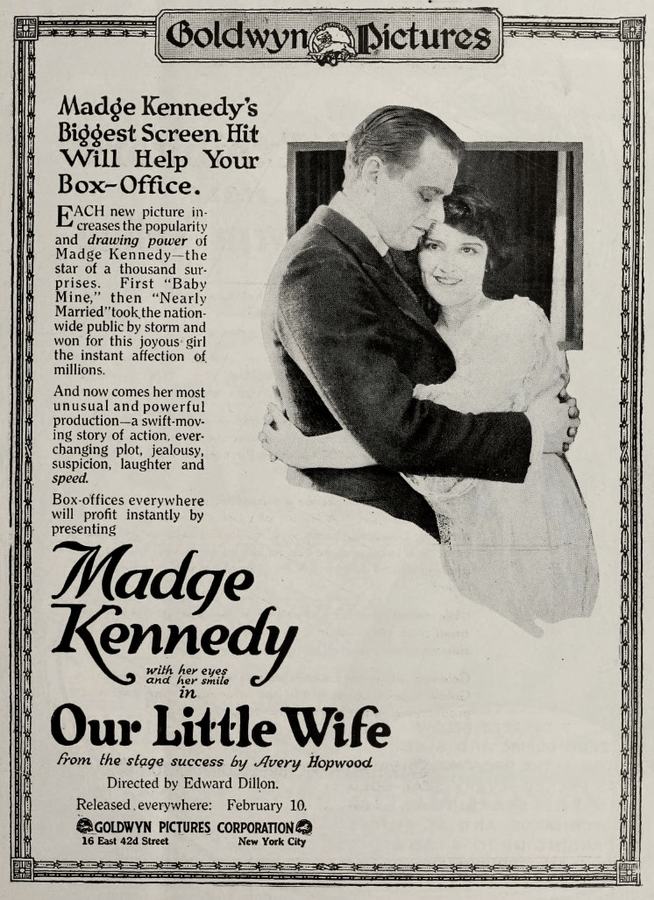
Madge Kennedy, likely in the role of Dodo Warren, delivers a performance that anchors the film’s comedic sensibilities. Her portrayal of Dodo must strike a delicate balance between utter naiveté and an underlying strength of conviction, however misplaced. Without a central performance that can convincingly convey Dodo’s innocent yet disruptive nature, the entire premise would crumble into mere annoyance. The supporting cast, including William B. Davidson as the beleaguered Herb, and the trio of suitors, would need to provide the perfect foils to Dodo’s antics, their reactions ranging from bewildered exasperation to lingering hope. The pacing of such a farce is crucial; the misunderstandings must escalate naturally, the explanations must be delivered with a sense of urgency, and the resolutions must provide a satisfying, if temporary, sense of relief. The film's ability to maintain a lighthearted tone amidst potentially scandalous situations is a testament to the skill of the director and the performers.
Compared to the more overtly dramatic or grand narratives of its era, Our Little Wife carves out a niche for itself as a delightful domestic comedy. While films like The Story of the Kelly Gang might captivate with epic scope and historical gravitas, or Hamlet might delve into profound psychological drama, Our Little Wife finds its strength in the intimate, often absurd, struggles of everyday relationships. It’s a reminder that early cinema was not solely concerned with grand spectacle or moral instruction, but also with the universal humor found in human foibles and romantic entanglements.
Beyond the immediate laughs, Our Little Wife subtly touches upon themes of fidelity and female agency within the confines of early 20th-century societal expectations. Dodo’s actions, while innocent, repeatedly challenge the boundaries of what was considered acceptable behavior for a married woman. Her continued association with former suitors, and her propensity for finding herself in compromising positions, could easily be misconstrued in a less comedic context. Yet, the film steadfastly maintains her purity of intention, suggesting that her heart is simply too open, too eager to help, rather than malicious or unfaithful. This narrative choice allows the film to explore the anxieties surrounding marital fidelity without descending into heavy drama, a stark contrast to films like Loyalty or Alma de sacrificio which might tackle similar themes with much greater solemnity.
Dodo's agency, or perhaps her lack thereof in controlling the outcomes of her actions, is also a fascinating aspect. She is a woman who acts on impulse and compassion, often without fully considering the ramifications. In a period where women's roles were often rigidly defined, Dodo represents a charmingly disruptive force. She isn't rebelling against societal norms consciously, but rather inadvertently flouting them through her sheer good nature. This makes her a compelling character, not a feminist icon in the modern sense, but a woman whose unique personality creates ripples in her carefully constructed domestic world. Her character, in a way, echoes the charmingly unconventional spirit that might be found in other period romances, though perhaps with a lighter touch than, say, the complex romantic dilemmas presented in a film like The Firefly.
The success of Our Little Wife lies in its embrace of classic farcical elements: mistaken identity, improbable coincidences, and rapid-fire explanations. These are the building blocks of enduring comedy, and the film utilizes them to great effect. The humor doesn't rely on cynicism or biting satire, but on the inherent absurdity of human behavior when placed under unusual pressure. The audience is invited to laugh at the characters' predicaments, not out of malice, but out of a shared understanding of how easily good intentions can go awry. It's a comedic tradition that finds parallels in various forms, from the intricate plots of The Marcellini Millions (if it contained comedic elements) to the more dramatic, yet still convoluted, narratives of films like The Great Bradley Mystery, showcasing how narrative complexity can serve different genres.
The film also offers a fascinating glimpse into the social dynamics of its time. The emphasis on appearances, the fear of scandal, and the earnestness with which characters navigate these social minefields provide a window into a bygone era. The concept of a honeymoon as a sacred, private institution is challenged by Dodo’s actions, highlighting a tension between personal desires and societal expectations. This social commentary, albeit lighthearted, adds an unexpected layer of depth to what might otherwise be a simple romantic comedy. It positions Our Little Wife not just as entertainment, but as a cultural artifact that reflects the values and anxieties of its period.
Ultimately, Our Little Wife stands as a testament to the enduring appeal of well-crafted romantic comedy. It’s a film that, despite its age, continues to resonate due to its universal themes of love, marriage, and the often-hilarious misunderstandings that arise between people. The character of Dodo Warren, with her captivating blend of innocence and accidental mischief, remains a memorable figure in early cinema. Her story reminds us that sometimes, the greatest challenges to marital harmony come not from malice, but from an overwhelming, if slightly misplaced, desire to do good. It’s a film that leaves you smiling, perhaps even chuckling at the sheer audacity of Dodo’s well-intentioned blunders, and pondering the delicate balance required to navigate the complexities of love and companionship.
The specific talents of William B. Davidson, Käthe von Nagy, Wray Page, Kempton Greene, Marguerite Marsh, Walter Hiers, Madge Kennedy, George J. Forth, and Gladys Fairbanks, under the direction influenced by writers Roy Somerville and Avery Hopwood, collectively brought this vibrant world to life. Their ability to convey nuanced character interactions without the benefit of extensive dialogue, often relying on exaggerated gestures and facial expressions typical of the era, speaks volumes about their craft. The film's charm lies in its simplicity and its unwavering commitment to its comedic premise. It doesn’t aspire to the grand allegories of The Birth of a Race or the historical pageantry of Richelieu, but instead finds its profound impact in the intimate, often uproarious, human experience. It's a delightful gem that reminds us of the versatility and inventiveness present in the nascent years of filmmaking, a period where stories like Dodo's could flourish and entertain, proving that a little chaos, when handled with comedic grace, can indeed make for a memorable viewing experience.
The lasting impression of Our Little Wife is not just in its plot twists, but in its gentle commentary on the expectations placed upon individuals within a marriage, especially women. Dodo’s final, almost exasperated promise to Herb – to forsake all other men – is less a definitive resolution and more a humorous acknowledgment of her own incorrigible nature. It’s a classic example of a character whose inherent qualities drive the narrative, creating a continuous source of conflict and amusement. The film’s approach to these domestic skirmishes is light-hearted, yet it subtly highlights the pressures of maintaining social decorum while navigating personal desires. This delicate balance is what elevates it beyond a mere slapstick comedy, imbuing it with a warmth and relatability that transcends its era, making it a truly captivating piece of early cinematic history.
IMDb —
1914
Community
Log in to comment.