DbcultAccessing Vault...
8.5/10
Senior Film Conservator
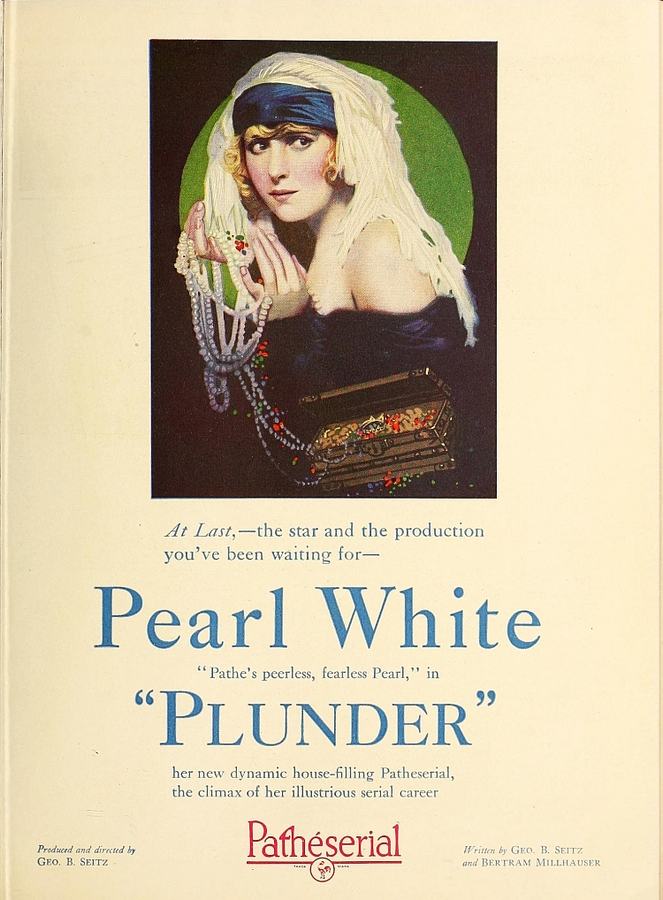
A definitive 8.5/10 rating for a film that redefined the boundaries of cult cinema. Plunder remains a cornerstone of transgressive art.
To witness Plunder (1923) is to observe the silent cinema at its most architecturally ambitious. While many of its contemporaries were content with the pastoral vistas of Twins of Suffering Creek or the maritime isolation seen in McVeagh of the South Seas, director George B. Seitz and writer Bertram Millhauser opted for a concrete jungle. The film posits a fascinating, almost surrealist conceit: that the riches of the past are literally the bedrock of the present. By burying a treasure beneath a skyscraper, the film creates a literalized hierarchy of class and ambition, where the characters must dig through the layers of modernity to reach the primal source of their desire.
Pearl White, playing the indomitable Pearl Travis, provides the emotional and physical anchor for this twenty-chapter odyssey. Unlike the more demure heroines found in The Eagle's Mate, White’s screen presence is one of perpetual motion. She is not merely a damsel in distress; she is an operative, a tactician, and a gymnast of the urban sprawl. Her performance here marks a sophisticated evolution from her earlier work, reflecting a world that had grown more complex and dangerous following the Great War.
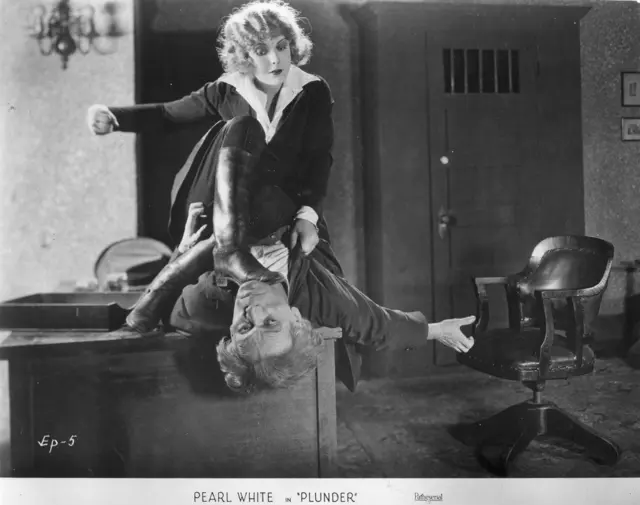
The supporting cast, featuring the likes of Tom McIntyre and the formidable Charles 'Patch' Revada, populates a world where morality is as fluid as the shadows cast by the New York skyline. There is a palpable sense of desperation that permeates the screen—a far cry from the lighthearted antics of A Barnyard Cavalier or the whimsical trouble in Teddy's Goat. In Plunder, the stakes are existential. The treasure is a catalyst that strips away the veneer of social respectability, revealing the same atavistic urges explored in the darker corners of The Head of Janus.
Wally Oettel and Edward J. Pool provide the necessary grit to the film's antagonistic forces. Their performances are not the mustache-twirling caricatures of lesser serials; they represent the systemic greed of a city that consumes its inhabitants. This thematic depth elevates the film beyond mere pulp, aligning it more closely with the social critiques found in I Accuse, albeit framed within the high-octane language of the action-adventure genre.
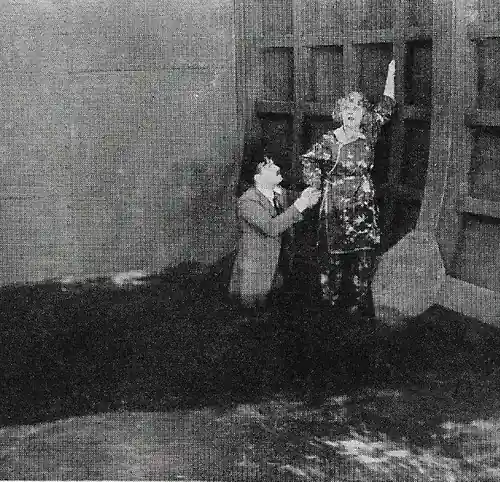
The cinematography in Plunder utilizes the sharp angles of the skyscraper to create a sense of vertiginous dread. The camera work is surprisingly kinetic for 1923, capturing the frantic energy of the chase scenes with a precision that rivals the best work in Behind Masks. The use of lighting to delineate the "clean" upper floors of the building from the "dirty" subterranean excavations is a masterclass in visual storytelling.
Bertram Millhauser’s script is a marvel of episodic construction. Maintaining tension over twenty chapters is no small feat, yet he manages it by constantly shifting the focal point of the conflict. One moment, we are dealing with a legal battle for property rights—reminiscent of the inheritance drama in Heiress for a Day—and the next, we are plunged into a life-or-death struggle atop a half-finished girder. This oscillation between the bureaucratic and the visceral keeps the audience in a state of constant apprehension.
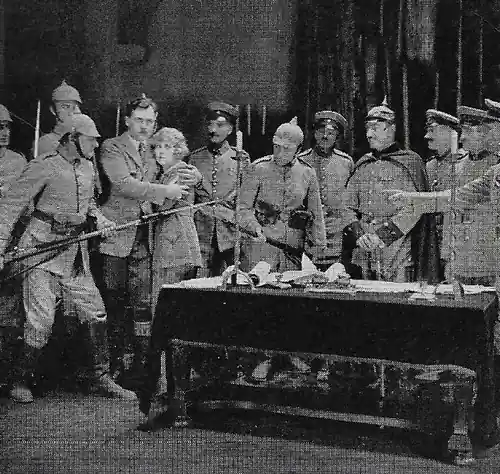
The film also touches upon the concept of the "stolen" legacy, a theme that resonates with the narrative core of Stolen Honor. However, in Plunder, the honor being stolen is that of the city itself. The skyscraper, intended to be a beacon of progress, becomes a tomb of secrets. It is this cynicism—this recognition that the foundations of modern success are often built upon a legacy of theft—that gives the film its lasting resonance.
When comparing Plunder to other films of the era, such as The Puncher and the Pup or Weak Hearts and Wild Lions, the sheer scale of Seitz’s vision becomes apparent. While those films operate within the comfortable confines of established genres (the Western, the animal comedy), Plunder attempts to synthesize a new kind of urban myth. It lacks the domestic focus of The Married Virgin or the courtroom rigidity of Call the Witness, opting instead for a panoramic view of human cupidity.

The film’s obsession with physical perfection and the 'Ideal'—perhaps a subtle nod to the themes in The Perfect Thirty-Six—is subverted here. In Plunder, the only 'perfect' thing is the plan, and even that is subject to the entropic forces of human error and greed. The physical prowess of the actors is used not to showcase beauty, but to demonstrate survival in an environment that is fundamentally hostile to human life.
As we look back on Plunder from the vantage point of a century, its influence on the 'urban thriller' cannot be overstated. It predates the film noir movement by decades, yet it possesses much of that genre's DNA: the cynical worldview, the femme fatale (reimagined here as a 'femme de force'), and the city as a living, breathing antagonist. The search for the buried treasure is ultimately a MacGuffin; the true subject of the film is the transformation of the American landscape and the souls of those who inhabit it.
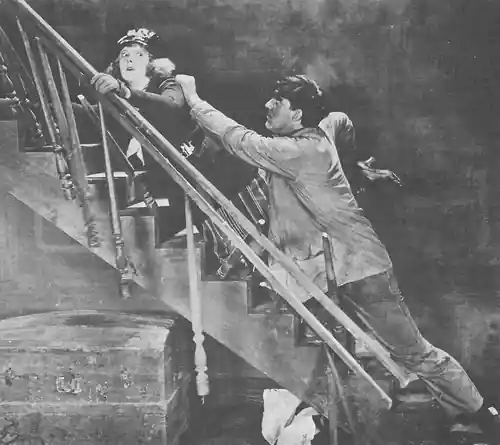
The climax of the film—a sequence that involves a daring escape from the very heights of the skyscraper—remains a breathtaking piece of stunt work. It encapsulates the spirit of the 1920s: a decade of soaring heights and precarious foundations. In the end, Plunder is more than just a serial; it is a cinematic time capsule of an era that was literally building its own future while digging up its past. It remains a vital, if occasionally overlooked, piece of silent cinema history that demands the attention of any serious cinephile.
A masterclass in silent suspense, Plunder is the definitive urban treasure hunt that paved the way for modern action cinema.
IMDb 5.2
1911
Community
Log in to comment.