DbcultAccessing Vault...
Cult Review
Senior Film Conservator
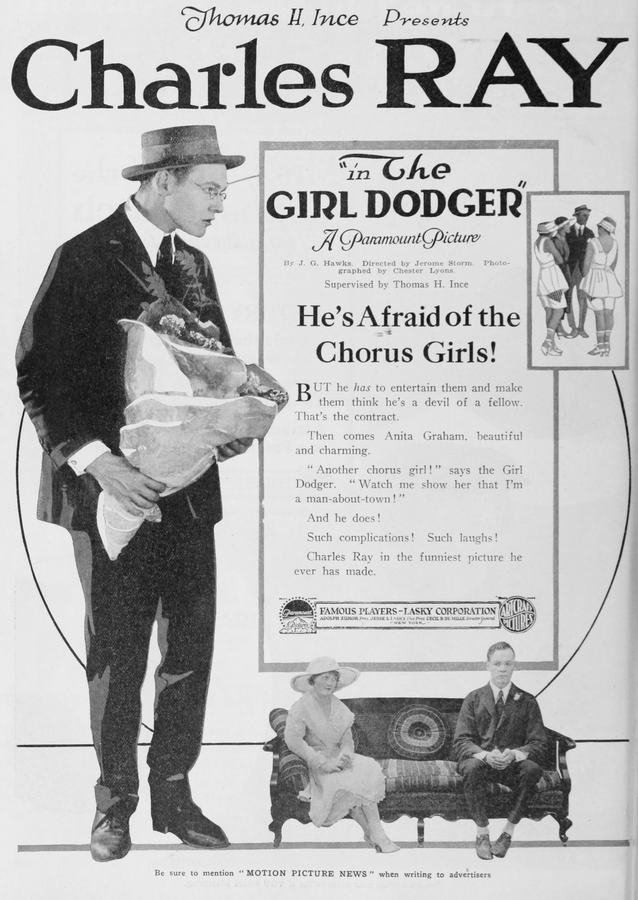
Charles Ray's Cuthbert Trotman enters the frame like a sapling in a hurricane—all awkward limbs and wide-eyed wonder. His portrayal of rural innocence confronting metropolitan sophistication remains a masterclass in physical acting. Watch how his posture shifts: initially curved inward like a question mark beneath Harry Travistock's (Jack Nelson's) polished dominion, gradually straightening as literary ambitions crystallize. Nelson crafts Travistock not as a caricatured villain but as a decaying aristocrat, his patronage laced with condescension that curdles into panic when his social currency devalues. The power dynamic plays out through props—Trotman's battered notebook versus Travistock's monogrammed cigarette cases, their objects telegraphing class warfare before intertitles utter a word.
Leota Lorraine's Anita achieves something revolutionary for 1921: feminine agency disguised as compliance. Her early scenes with Travistock hum with performative affection—a gloved hand resting too lightly on his arm, smiles that don't reach her kohl-rimmed eyes. When Trotman spills champagne on a Persian rug, Anita's laughter contains genuine warmth for the first time. Director Hobart Henley choreographs their attraction through negative space: the widening distance between Anita and Travistock on plush settees, the shrinking proximity between Anita and Trotman near rain-streaked windows. Unlike the volcanic passions of The Rose of Blood, this seduction unfolds in whispers. A glove "forgotten" on Trotman's writing desk becomes as erotic as any love scene.
J.G. Hawks' script weaponizes New York itself. Cinematographer William Fildew frames Trotman's boarding house as a vertical coffin—claustrophobic walls pressing against dreams. Travistock's Art Deco penthouse becomes a gilded cage where geometric shadows slice characters into fragments. The genius lies in how these spaces invert: Trotman's humble room gains warmth as his manuscript grows, while the penthouse's chrome surfaces turn frigid. Compare this to the pastoral deceit in Wild Primrose; here, corruption thrives in luxury, not wilderness. The film’s bravest choice? Denying us Trotman's novel. We witness its creation through discarded drafts floating in wastebaskets, ink-stained fingers, and the dawning horror on Travistock's face as he realizes the oaf he mentored now sees through him.
Watch Hallam Cooley's revelatory supporting turn as cynical columnist Jimmy—a chain-smoking Cassandra who observes the love triangle with world-weary amusement. His raised eyebrow as Anita "accidentally" brushes against Trotman at the racetrack conveys paragraphs of exposition. Dorothy Devore's flapper cameo provides vital comic relief, her Charleston interrupting a tense tea party like a grenade of joy. The film's rhythm mirrors Trotman's creative awakening: early scenes unfold in leisurely takes, luxuriating in Travistock's world. As disillusionment sets in, editing becomes staccato—quick cuts of revolving doors, ticking clocks, and typewriter keys hammering like gunfire. This kineticism anticipates the urban frenzy of later classics like La dixième symphonie.
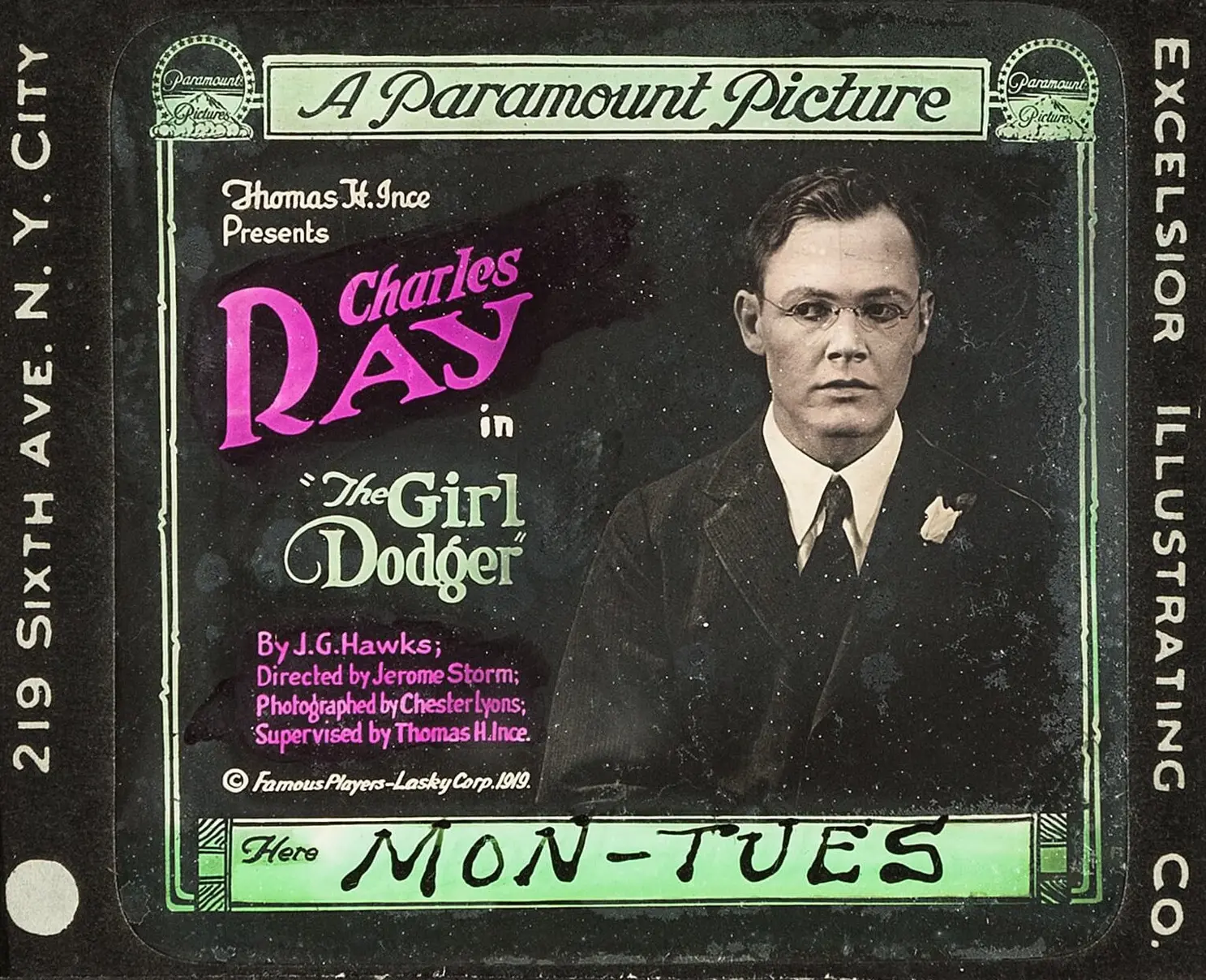
The film subverts melodrama conventions at every turn. When Anita confesses her shifting affections, Henley denies us the expected close-up. Instead, we witness the revelation through a hallway mirror—her face fragmented, Travistock's back turned, the composition underscoring emotional disconnection. Similarly, the climactic confrontation occurs not with fists or pistols but through literature: Travistock reading Trotman's thinly veiled fictional indictment of him, the pages trembling in his hands. The real betrayal isn't romantic—it's the collapse of his self-mythology. This intellectual duel echoes the psychological warfare in The Picture of Dorian Gray, though here the portrait is textual.
Costume designer Sophie Wachner communicates subterfuge through fashion. Anita's initial beaded gowns resemble armor, their rhinestones catching light like warning flares. As she gravitates toward Trotman, her silhouettes soften—dropped waists replacing restrictive corsetry, fabrics flowing rather than constricting. Travistock's sartorial unraveling proves equally eloquent: his perfect collar points wilt, ties slightly askew as control slips. Even the typography of intertitles evolves. Trotman's early interjections appear in plain font—"Gosh, Mr. Travistock, this soup's colder than a widow's heart!"—while later dialogue adopts elegant serifs as his wit sharpens. Such details elevate the film beyond contemporaries like The Liar.
The film’s exploration of artistic integrity versus patronage resonates with Her Moment's examination of creative compromise. Yet where that film succumbs to moralizing, The Girl Dodger embraces ambiguity. Anita's final choice—abandoning wealth for uncertain love—is neither celebrated nor condemned. The parting shot of her glove abandoned on Trotman's typewriter suggests not romantic closure but cyclical possibility. Contemporary critics dismissed this ambiguity as narrative timidity; modern eyes recognize radical sophistication. Similarly, Travistock’s fate—not ruined but diminished, sipping brandy alone in his cavernous apartment—foreshadows the nuanced character studies in Heimgekehrt.
Recent 4K restoration unveils astonishing textures: the grain of Trotman's corduroy jacket, the luminescent decay of orchids in Travistock's greenhouse, the almost imperceptible tremor in Anita's lip as she lies to her benefactor. These details amplify the film's central tension—authenticity versus performance. Notice how often mirrors appear: reflecting Travistock's vanity, Anita's duality, Trotman's dawning self-awareness. The restoration's crisp contrast makes these compositions thrum with new energy, exposing directorial choices that rival Murnau in complexity. Particularly breathtaking is the Coney Island sequence—its spinning Ferris wheel lights rendered in hypnotic halation, a visual metaphor for society's dizzying rotations.
Ninety years later, The Girl Dodger still beguiles because its core conflict remains devastatingly relevant: the price of self-invention in a world trading in illusions. Trotman's journey from wide-eyed aspirant to clear-eyed chronicler mirrors every artist's negotiation with compromise. Anita's gamble—choosing generative chaos over sterile security—resonates in an age dismantling traditional success metrics. Even Travistock's tragedy feels freshly poignant: the terror of becoming obsolete in a culture you once dominated. The film rejects easy catharsis. Our lovers don't ride into sunset but walk into dawn's uncertain light, while the abandoned mentor isn't damned but pitied—a nuance rarely afforded to antagonists in silent cinema. This refusal of binaries makes the film not a relic but a conversation, its questions about art, love, and selfhood echoing through decades like footsteps in an empty ballroom.
IMDb 6.4
1929
Community
Log in to comment.