DbcultAccessing Vault...
7/10
Senior Film Conservator
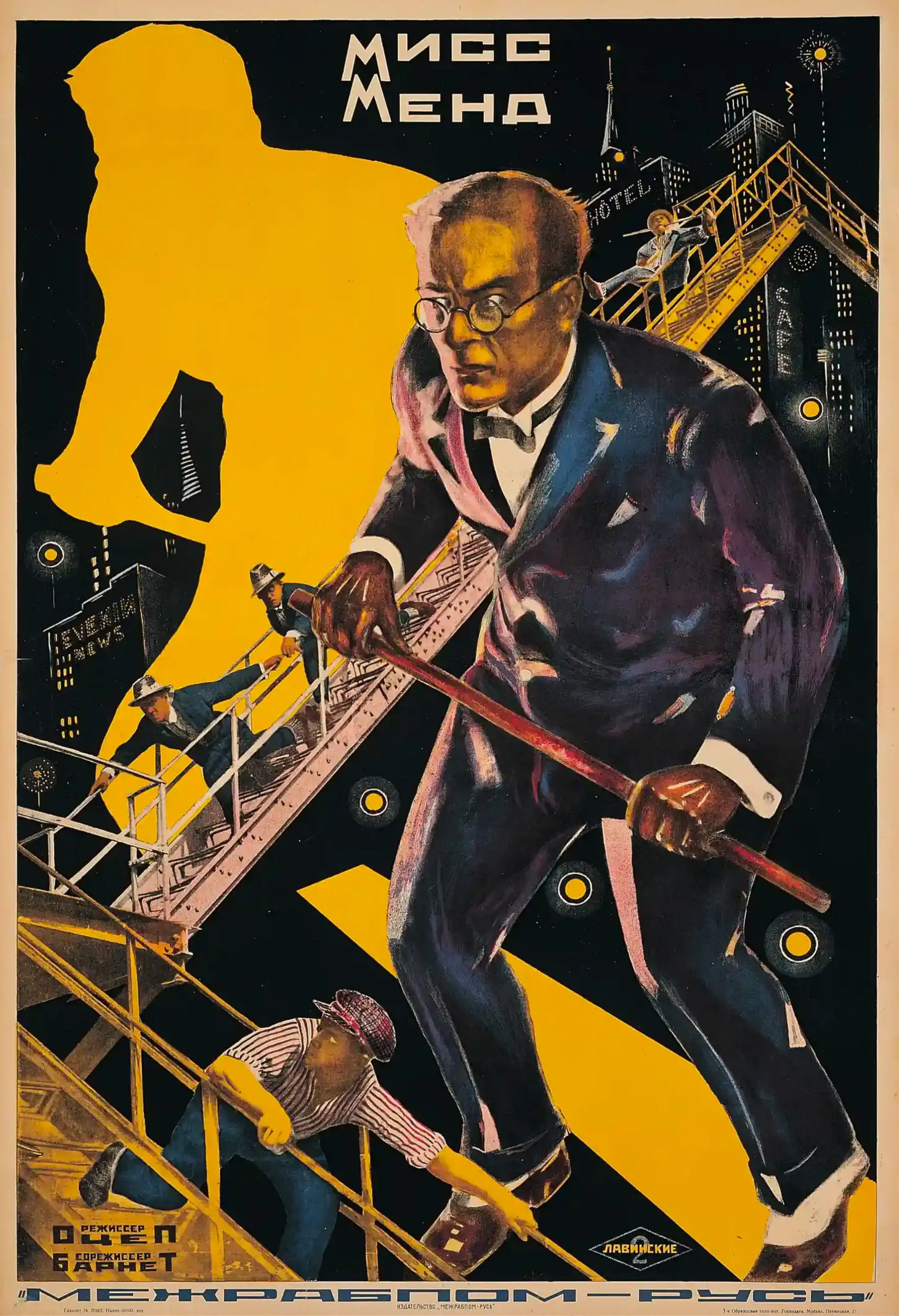
A definitive 7/10 rating for a film that redefined the boundaries of cult cinema. The Adventures of the Three Reporters remains a cornerstone of transgressive art.
Does a silent Soviet serial about bacteriological warfare still hold up in the age of digital blockbusters? Short answer: yes, but only if you appreciate the raw, kinetic energy of early cinema over narrative logic. This film is a mandatory watch for cinephiles interested in the evolution of the action genre and the history of propaganda, but it is definitely not for those who demand a grounded, realistic plot or high-definition polish.
This film works because it successfully mimics the breakneck pacing of American adventure serials while injecting a uniquely eccentric Soviet visual style. This film fails because its episodic structure, originally designed for multiple sittings, feels repetitive and occasionally nonsensical when viewed as a single feature. You should watch it if you want to see the exact moment when Soviet cinema decided to stop being purely intellectual and started trying to be genuinely fun.
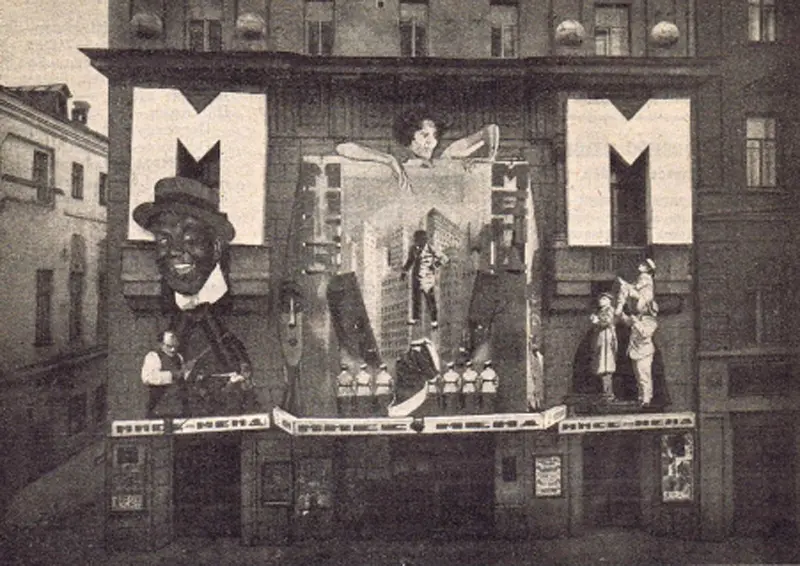
The Adventures of the Three Reporters (also known as Miss Mend) is absolutely worth watching for its historical significance and its surprisingly modern sense of movement. Unlike the heavy, formalist works of Eisenstein, this film prioritizes entertainment and physical comedy. It serves as a fascinating bridge between the avant-garde and the commercial, proving that even in 1926, filmmakers understood the power of a well-timed chase sequence.
Directed by Boris Barnet and Fyodor Otsep, the film is a sprawling epic that refuses to sit still. From the opening frames, it becomes clear that this is not your typical dour Soviet drama. The influence of American cinema is everywhere. You can see traces of the same adventurous spirit found in early adaptations like The Count of Monte Cristo, yet the ideological stakes are raised to a fever pitch. The villains are not just personal enemies; they are the personification of Western greed.
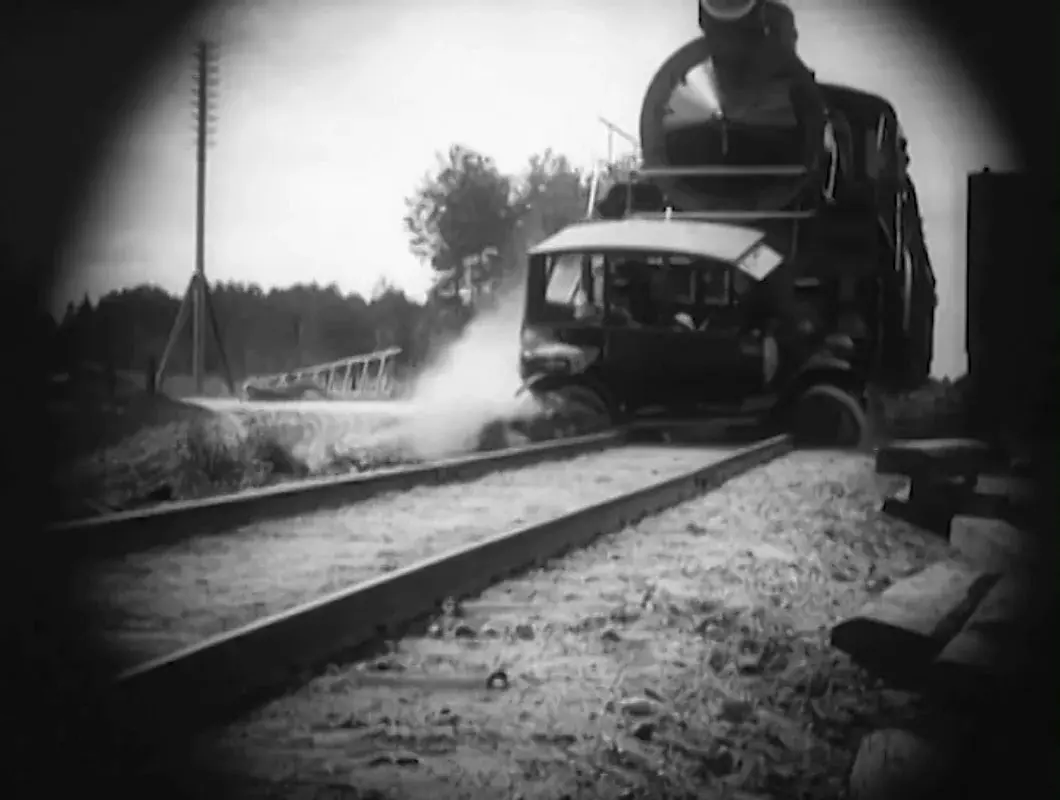
The plot revolves around a biological threat, a theme that feels strangely prescient today. The way the three reporters—played with boundless energy by Mikhail Zharov, Ivan Koval-Samborsky, and Vladimir Fogel—interact with the world is purely physical. They don't just investigate; they jump, climb, and fight. One specific scene involving a rooftop pursuit showcases Barnet’s eye for geometry and timing. The camera placement creates a sense of vertigo that was incredibly sophisticated for its time.
The inclusion of the office girl, Vivian Mend, played by Natalya Glan, is a stroke of genius. She is not a damsel in distress but a proactive participant in the espionage. This subversion of gender roles, common in early Soviet cinema, gives the film a progressive edge that many Hollywood productions of the same era lacked. While films like The Girl Philippa dealt with similar themes of wartime intrigue, The Adventures of the Three Reporters leans harder into the absurdity of the genre.

Boris Barnet was a former boxer, and you can feel that in the directing. The film has a punchy, rhythmic quality. Every cut feels like a jab. While some critics argue that the film lacks the deep philosophical resonance of its contemporaries, I would argue that its superficiality is its greatest strength. It’s a film that celebrates the joy of making movies. It doesn't care if you believe the plot; it only cares that you keep watching.
Take the performance of Igor Ilyinsky, who plays a bumbling clerk. His physical comedy is top-tier, rivaling the likes of Buster Keaton. In one sequence, his attempts to navigate a high-society party lead to a series of escalating disasters that are genuinely hilarious. This levity balances the darker themes of the bacteriological strike. It’s a risky tonal shift, but it works. It’s a chaotic mess, frankly. But it’s a brilliant one.
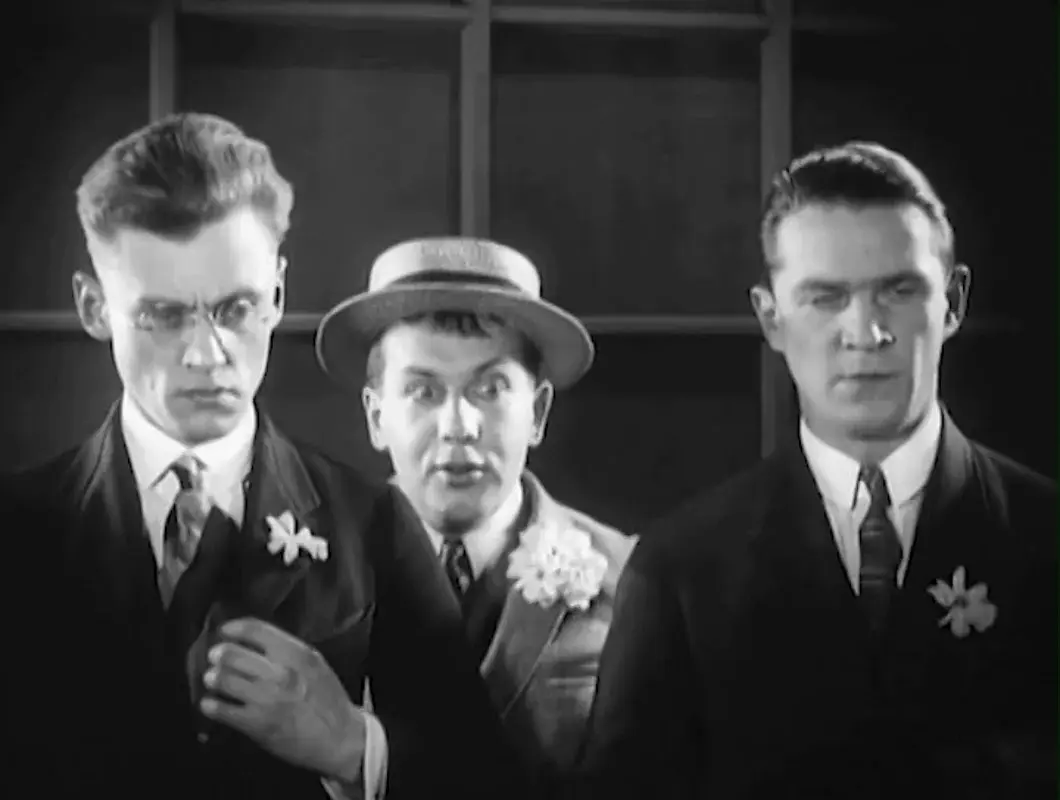
The cinematography by Yevgeni Alekseyev is another standout element. The use of shadows and industrial landscapes creates a noir-like atmosphere years before noir was a defined genre. The contrast between the sleek, sterile environments of the Western conspirators and the gritty, bustling streets of the Soviet city creates a visual shorthand for the ideological conflict at the heart of the story. It’s much more visually engaging than something like The Mailman, which relies on more traditional staging.
We have to address the elephant in the room: the film is blatant propaganda. The Western business leaders are caricatures of evil, smoking fat cigars and plotting the deaths of millions with a casual shrug. However, the propaganda is delivered with such flair that it becomes part of the aesthetic charm. It’s not a lecture; it’s a comic book. The film treats the USSR as a superhero team-up, and the reporters are the Avengers of the proletariat.

This approach was a direct response to the popularity of imported American films in Russia at the time. The Soviet authorities realized that if they wanted to compete with the likes of Boy Scouts of America or other Western adventures, they had to provide the same level of excitement. They succeeded. The Adventures of the Three Reporters was a massive hit, proving that audiences everywhere crave spectacle, regardless of the political message behind it.
The film’s pacing is relentless. Unlike The Ant or other slower-paced character studies of the era, Barnet’s work here is constantly pushing forward. Even when the logic of the plot falters—such as the villains' overly complicated plan to distribute the bacteria—the sheer momentum of the editing keeps you from dwelling on the holes. It’s a testament to the power of pure cinema.
Pros:
Cons:
It is impossible to discuss this film without mentioning its legacy. It paved the way for more experimental genre films in the Soviet Union. It showed that cinema could be a tool for the state without being a bore. While many of its contemporaries like Wild Sumac or The Branded Soul have faded into obscurity, The Adventures of the Three Reporters remains a point of study for its sheer audacity. It’s a film that tried to do everything at once—be a thriller, a comedy, a romance, and a political manifesto. And remarkably, it mostly succeeds.
The acting, particularly by Anna Sten and Anel Sudakevich in supporting roles, adds a layer of glamour that was unusual for Soviet films of this period. They represent the "modern woman" of the 20s, stylish and independent. This visual flair is what separates the film from more standard fare like Madame Behave. It has a specific, sharp identity that feels curated rather than accidental.
The Adventures of the Three Reporters is a magnificent, messy, and wildly entertaining piece of cinematic history. It is a film that wears its heart on its sleeve and its politics on its face. While it may not have the intellectual weight of a Tarkovsky or the technical perfection of a Hitchcock, it has a soul. It is a reminder of a time when movies were an adventure, both for the people making them and the people watching them. It works. But it’s flawed. And that’s exactly why you should watch it. It is a vibrant explosion of creativity that defies the limitations of its time. Final Rating: A must-see for the curious cinephile.
IMDb —
1932
Community
Log in to comment.