DbcultAccessing Vault...
6.5/10
Senior Film Conservator
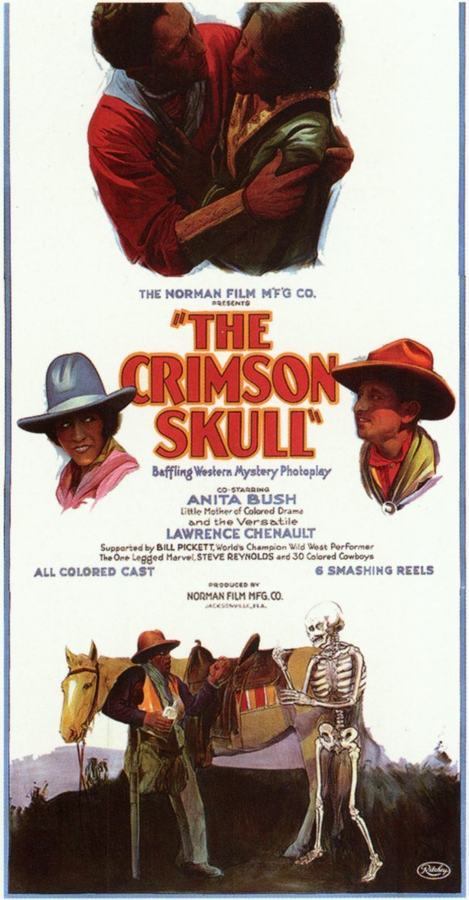
A definitive 6.5/10 rating for a film that redefined the boundaries of cult cinema. The Crimson Skull remains a cornerstone of transgressive art.
The cinematic landscape of the 1920s was a vibrant tapestry, woven from the threads of diverse genres and storytelling styles. Amidst this kaleidoscopic backdrop, The Crimson Skull emerges as a fascinating exemplar of the era's penchant for innovative narrative devices and the enduring appeal of the American West. Directed by an uncredited hand, this silent film masterfully employs the visual language of the medium to convey a gripping tale of psychological manipulation, where the protagonist, Bob Calem, played by Steve Reynolds, adopts the guise of the Crimson Skull to vanquish a gang of outlaws terrorizing the range.
The plot of The Crimson Skull is a testament to the ingenuity of its writers, who crafted a story that not only capitalizes on the superstitions of its villains but also explores the psychological impact of fear and the power of myth-making. By donning a skeleton costume, Calem transforms into a spectral figure, an embodiment of the outlaws' deepest fears, striking at the very heart of their existence. This clever device allows the film to delve into themes of identity, perception, and the malleable nature of reality, all set against the stark, beautiful backdrop of the American range, reminiscent of the dramatic landscapes found in films like Triste crepúsculo.
The performances in The Crimson Skull are noteworthy, with Steve Reynolds bringing a compelling intensity to the role of Bob Calem. The chemistry between the cast members, including Anita Bush and Bill Pickett, adds depth to the narrative, underscoring the human element of the story amidst its more fantastical elements. The cinematography is equally impressive, capturing the vast expanses of the range with a sense of awe-inspiring wonder, similar to the visually stunning A Day and Night at Coney Island, which also explores the intersection of reality and spectacle.
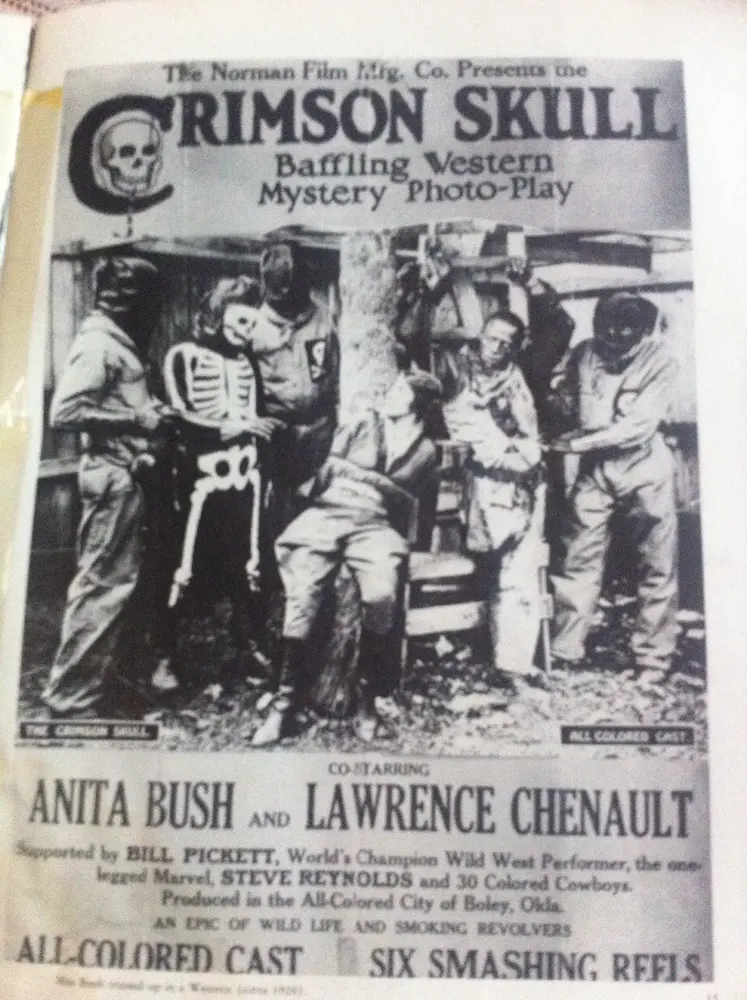
The film's use of the skeleton costume as a plot device is a clever nod to the tradition of masked heroes and villains, a trope that has been explored in various forms of media, from the early silent films like Masked Ball to more contemporary works. This element adds a layer of universality to the story, transcending its Western setting to touch on fundamental human fears and the power of symbols to shape our perceptions of the world. It's a theme that resonates deeply, much like the compelling character studies found in Home-Keeping Hearts, which also examines the complexities of human relationships and the masks people wear.
In terms of its place within the broader cinematic landscape of the 1920s, The Crimson Skull stands out for its unique blend of psychological thriller elements and traditional Western themes. This blend is reflective of the era's experimentation with genre and narrative style, seen in films as diverse as Bobbie of the Ballet and Attila, the Scourge of God, which pushed the boundaries of storytelling and visual expression. The film's exploration of fear as a tool for social control and change also resonates with the more socially conscious works of the time, such as Traffic in Souls, which exposed the darker aspects of human society.
The cinematographic quality of The Crimson Skull is another aspect worthy of consideration. The use of lighting and shadow to create an atmosphere of suspense and fear is masterful, with the skeleton costume often being silhouetted against the bright, sun-drenched backdrop of the range, creating a stark visual contrast that underscores the dual nature of Calem's character. This visual storytelling is reminiscent of the expressive cinematography found in Das Frauenhaus von Brescia, which also leveraged the interplay of light and shadow to convey complex emotions and themes.
In conclusion, The Crimson Skull is a film that embodies the spirit of innovation and experimentation that defined the silent era. With its gripping narrative, strong performances, and masterful use of visual elements, it stands as a testament to the power of cinema to captivate, to inspire, and to explore the deepest recesses of the human experience. As such, it remains a compelling watch for audiences today, offering insights into the evolution of cinematic storytelling and the timeless appeal of the American West, themes that are also beautifully explored in The Primrose Ring and Jungle Jumble.
IMDb —
1915
Community
Log in to comment.