DbcultAccessing Vault...
Cult Review
Senior Film Conservator
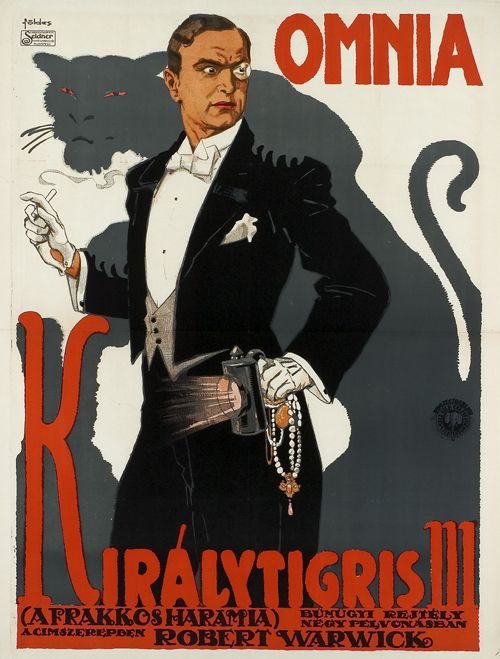
Dive into any archive of pre-1920 shorts and you’ll find melodrama thick as treacle—villains twirling mustaches, heroines tied to buzz-saw tables. Yet E. Magnus Ingleton’s The Flash of an Emerald detonates that comfort zone like a flash-powder bomb, trading theatrical tableaux for a jagged urban sensoria that anticipates Lang’s Labyrinth and the rain-slick nihilism of later noir. Shot in late 1914, released the following spring, then buried under distribution shuffles, this one-reeler exists today only in scattered 9.5 mm excerpts and a French Pathé description sheet. Still, its ghostly footprint is enough to make you rethink where American cinema’s obsession with criminal self-immolation truly begins.
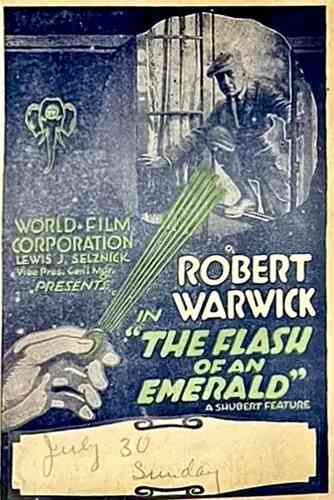
The plot—“crook bungles heist, flees, dies”—reads like a dog-eared penny dreadful, yet Ingleton stages it with a psychological claustrophobia that feels shockingly modern. Eddie Moran (played by an electric Robert Warwick) isn’t some mustache-twirling thug; he’s a jittery existentialist in a newsboy cap, forever rubbing a rabbit-foot keychain as though luck were a consumable metal. When he smashes the pawn-shop window and the emerald tie-pin skitters across wet pavement, Ingleton cuts to an extreme close-up: the jewel’s green flare fills the frame, an actinic lighthouse beacon guiding Eddie toward doom. That chromatic punch—hand-tinted, frame-by-frame—must have hit 1915 audiences like a slap from another dimension.
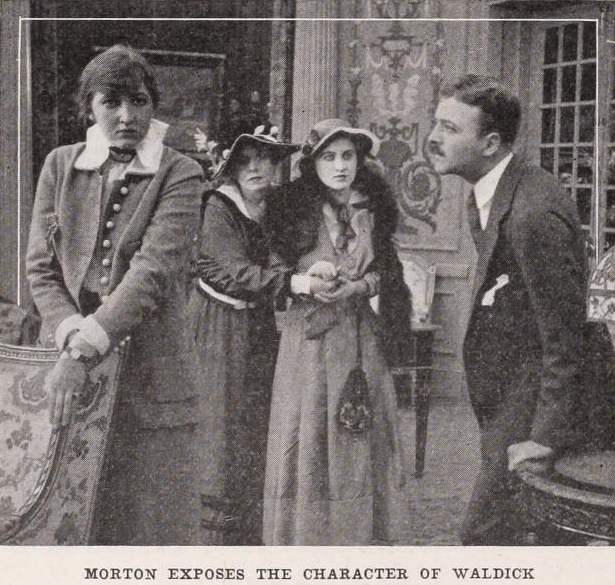
From there the city mutates into a living interrogation room. Shadows are gouged by rooftop water-tanks, elevated tracks stencil black bars across Eddie’s face, and every pedestrian becomes potential testimony. The camerawork, attributed to Dal Clawson (later of Mr. Barnes of New York), employs handheld jitters that predate cinéma vérité by half a century; you feel the camera operator’s pulse syncing with the protagonist’s sprint. Meanwhile intertitles shrink, shatter, or repeat single words—RUN RUN RUN—like Morse code from a panicked cerebrum.
I chased the emerald through the city, but the city chased me back.
Compare that kinetic dread with the pastoral moralism of The Hoosier Schoolmaster or the sentimental uplift of Only a Factory Girl, and you realize why Emerald vanished: it was too feral, too urban, too European for small-town exhibitors who preferred their crime punished and their virtue rewarded. Yet the film’s DNA seeps into later works. The rooftop finale—Eddie silhouetted against a sodium moon while sirens wail below—feels like an ur-text for His Turning Point’s climactic ledge scene. Meanwhile the gem itself, a verdant MacGuffin, forecasts the cursed diamonds of Lucille Love.
Performance-wise, Julia Stuart has maybe ninety seconds of screen time as the café society girl who locks eyes with Eddie across a crowded tearoom. She doesn’t utter a word—no one does, obviously—but her glance carries the weight of every life Eddie will never touch. In a medium where women often function as imperiled props, Stuart’s character remains maddeningly unattainable, a reminder that yearning is more lethal than any cop’s bullet. Speaking of cops, Paul Gordon’s detective never raises his voice; he simply appears in doorways, reflected in shop-windows, a proto-anthropomorphic fate. The cumulative effect is less chase than inescapable contraction, like watching a steel iris close frame by frame.
Ingleton’s script, sparse though it is, revels in poetic cruelty. One lost intertitle reads: “The city knew his name; the streets spelled it in broken glass.” That’s the entire film in miniature—urban space as both witness and accomplice. Contemporary reviewers (those who saw it) praised its “relentless tempo” and “nerve-scraping realism,” though Variety complained it was “too Russian”—code for too pessimistic. They weren’t wrong; Ingleton borrows the fatalism of Az utolsó bohém and compresses it into a quarter-hour sprint.
Technically, the film is a grab-bag of innovations. Day-for-night shots are achieved with green gelled lenses and silver-painted cardboard moons. A proto-dolly—basically a wheelchair commandeered from the prop ward—tracks Eddie through a Fulton Fish Market midnight, the camera ducking beneath dangling gas-lamps that flicker like interrogation bulbs. The final suicide is rendered in silhouette on a crumbling chimney, the gun-flash hand-painted in sulfuric yellow that must have singed retinas in 1915. Audiences reportedly gasped, then sat in stunned silence as the lights came up; one Chicago exhibitor claimed he sold more Bromo-Seltzer that night than popcorn.
Yet for all its formal bravura, Emerald lands its heaviest punch thematically: it stages criminality as a symptom of modernity rather than a moral defect. Eddie isn’t evil; he’s a cog who slips, only to discover the machine has no off-switch. That stance puts Ingleton miles ahead of contemporaries like Chains of the Past or A Mexican Mine Fraud, whose villains still genuflect to Victorian moral arithmetic. Here, morality is ambient, untrustworthy, like the green gem that seems to glow brighter each time Eddie lies or bleeds.
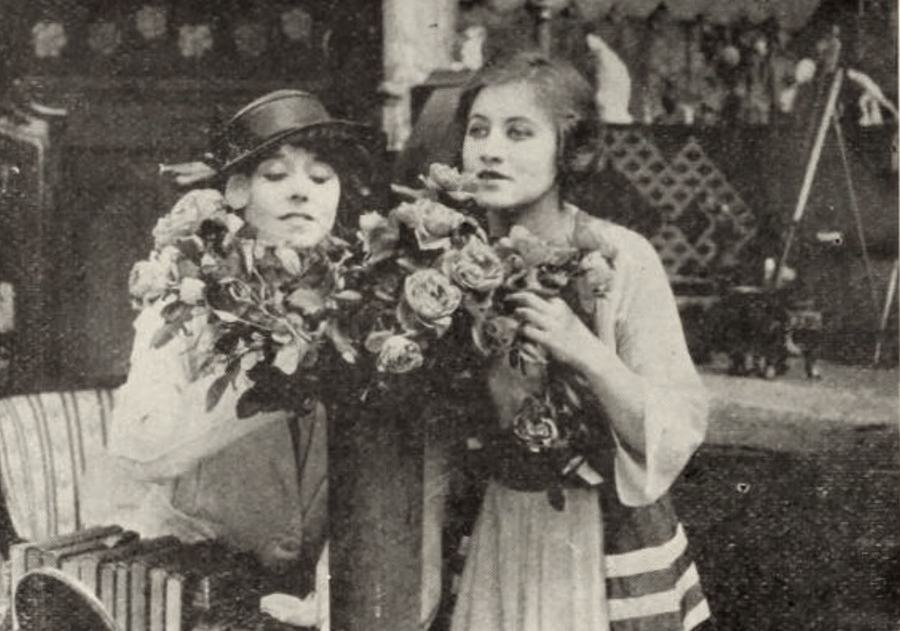
Criticism? If fragments hold true, the middle section—Eddie hiding inside a department-store delivery van—feels overextended, repeating visual motifs (shadows, whistles, revolving doors) that Ingleton already nailed. And the film’s gender politics, though progressive in sidelining the damsel dynamic, still give women symbolic rather than narrative agency. But these are quibbles when weighed against the film’s existential audacity.
Restoration prospects look bleak. The last reported print, held by a Belgian collector, crumbled during a 1988 flood. What survives are those 9.5 mm snippets—maybe six minutes—transferred to VHS in the ’80s under a magenta hue that looks like hell’s Instagram filter. Even so, film historians whisper of a 35 mm negative discovered in a defunct Montana church; if authentic, it would be the holy grail of pre-noir scholarship. Until then, we piece together the legend via stills, trade-paper hyperbole, and the fever dreams it inspires.
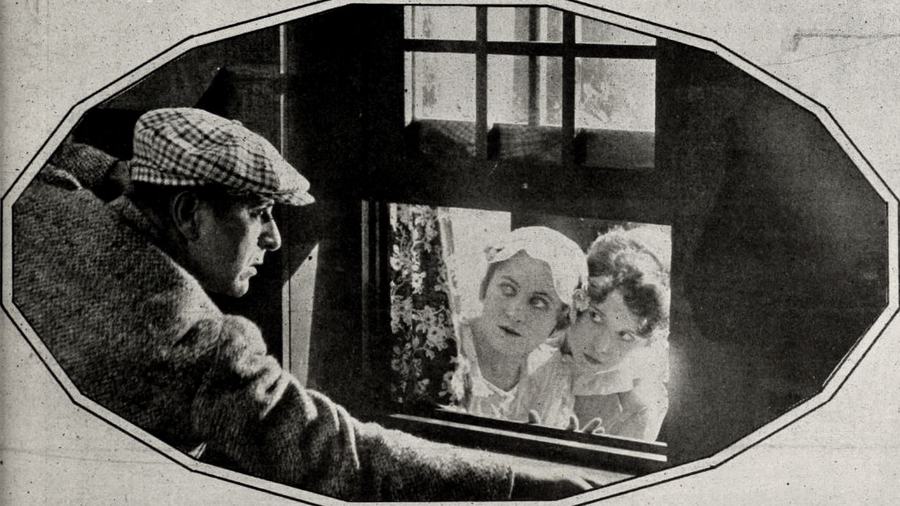
Should you care about a fifteen-minute curio few souls have seen? Absolutely. The Flash of an Emerald is the missing evolutionary link between nickelodeon morality plays and the full-grown chiaroscuro of 1940s noir. It proves American filmmakers didn’t need German Expressionism to channel urban dread; they just needed a night, a jewel, and a man convinced the city owed him something. Watch it (if you can) and you’ll never see rain-slick streets the same way again; you’ll sense the echo of Eddie’s footsteps, the glint of green that promises everything and delivers the abyss.
Until the reels resurface, keep your eyes peeled for bootlegs on the collector circuit. And if you spot an emerald tie-pin in an antique shop, maybe think twice before pocketing it—some artifacts carry curses older than celluloid, and some chases never end, they just rewind.
Review cross-references: The Lady Outlaw, The Hypnotic Violinist, The Crown Prince's Double, Joseph and His Coat of Many Colors, Dan, A Daughter of Australia.
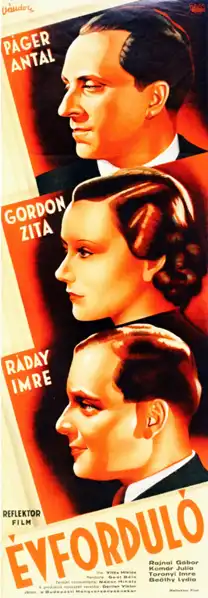
IMDb 7.3
1936
Community
Log in to comment.