DbcultAccessing Vault...
2.4/10
Senior Film Conservator
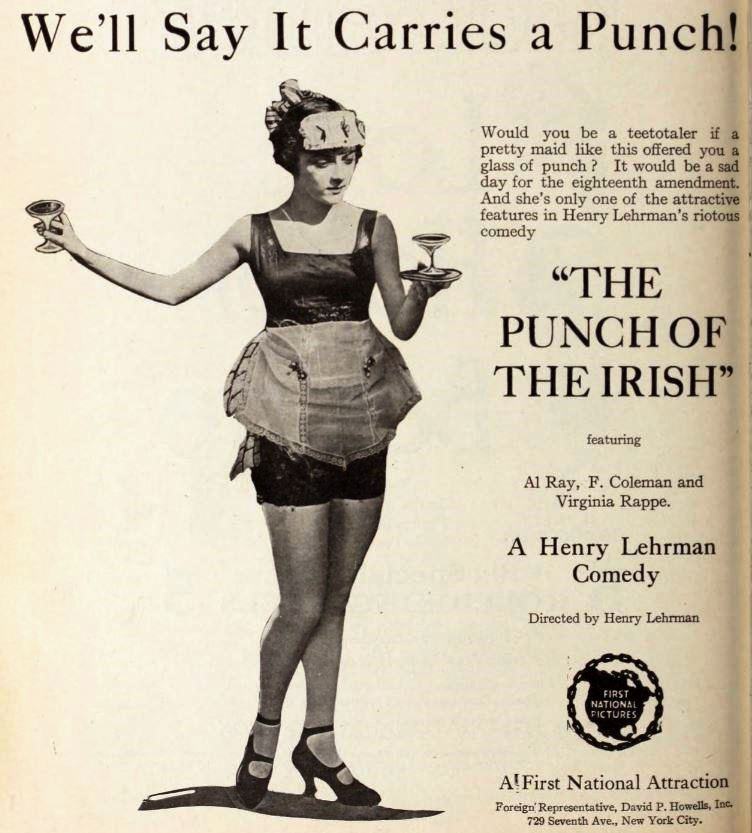
A definitive 2.4/10 rating for a film that redefined the boundaries of cult cinema. The Punch of the Irish remains a cornerstone of transgressive art.
In the annals of silent cinema, specifically the frenetic output of the L-KO Kompany, The Punch of the Irish stands as a fascinating, albeit chaotic, relic of 1917. Directed and written by the legendary 'Pathé' Lehrman—a man whose reputation for reckless stunt work and aggressive slapstick rivaled even Mack Sennett—this film offers a visceral glimpse into the era's obsession with social deconstruction and physical comedy. Unlike the more tempered humor of As You Like It, Lehrman’s work here is unrefined, unapologetic, and deliriously paced.
The film begins with a deceptive veneer of civility. We are introduced to a 'lady-like' mother and her charming daughter, played by the ill-fated Virginia Rappe. The setup is a classic romantic rivalry: two suitors vying for the daughter’s hand, each attempting to outdo the other with floral tributes. This trope, common in films like The Accidental Honeymoon, is merely the fuse for the explosive comedy that follows. The arrival of the suitors at a high-society tea party serves as the catalyst for a breakdown in decorum that feels surprisingly modern in its cynicism.
The true narrative engine, however, is the consumption of 'unwise' spirits. When the mother and an intellectual guest indulge too deeply, the film pivots from a comedy of manners into a surrealist brawl. The dialogue—conveyed through sharp, witty intertitles—revolves around a theological and social debate that borders on the absurd. The mother’s desire for a new Moses who can 'crack a rock and bring forth wine' is a brilliant piece of scriptwriting that likely resonated with a pre-Prohibition audience. It’s a subversion of religious imagery that one might expect in a more somber work like The Finger of Justice, yet here it is used to fuel a fistfight.
The intellectual guest, portrayed with a stiff-necked pomposity that demands to be humbled, introduces the concept of 'Hooch snakes.' This is a fascinating linguistic artifact of the time, predating the more common 'pink elephants' as a hallucination brought on by delirium tremens. His insistence that the world needs a new St. Patrick to drive out these snakes is the 'last straw' for the mother. The ensuing 'battle-royal' is a masterclass in Lehrman’s kinetic style. The movement is jagged, the framing is tight, and the energy is relentless. It lacks the sweeping epic scale of Napoleon, but it possesses a localized intensity that is exhausting to behold.
Critical Note: The physical comedy of the era often relied on a power imbalance. Here, the 'portly wife' becomes an unstoppable force of nature, a motif we see explored with different emotional resonance in The Weaker Vessel. In Lehrman’s world, however, there is no room for sentimentality—only the visceral impact of a well-timed fall or a hurled object.
The introduction of the 'mere, little husband' (played with pathetic charm by one of the ensemble) adds a layer of gender-role subversion. His attempt to mediate the conflict results in him becoming the punching bag for his wife’s redirected ire. The transition from a chaotic brawl to a formalized boxing match with gloves is a strokes of comedic genius. It parodies the 'sweet science' by stripping it of its dignity. While films like Love or Justice deal with the weight of moral decisions, The Punch of the Irish deals with the weight of a horseshoe hidden in a glove.
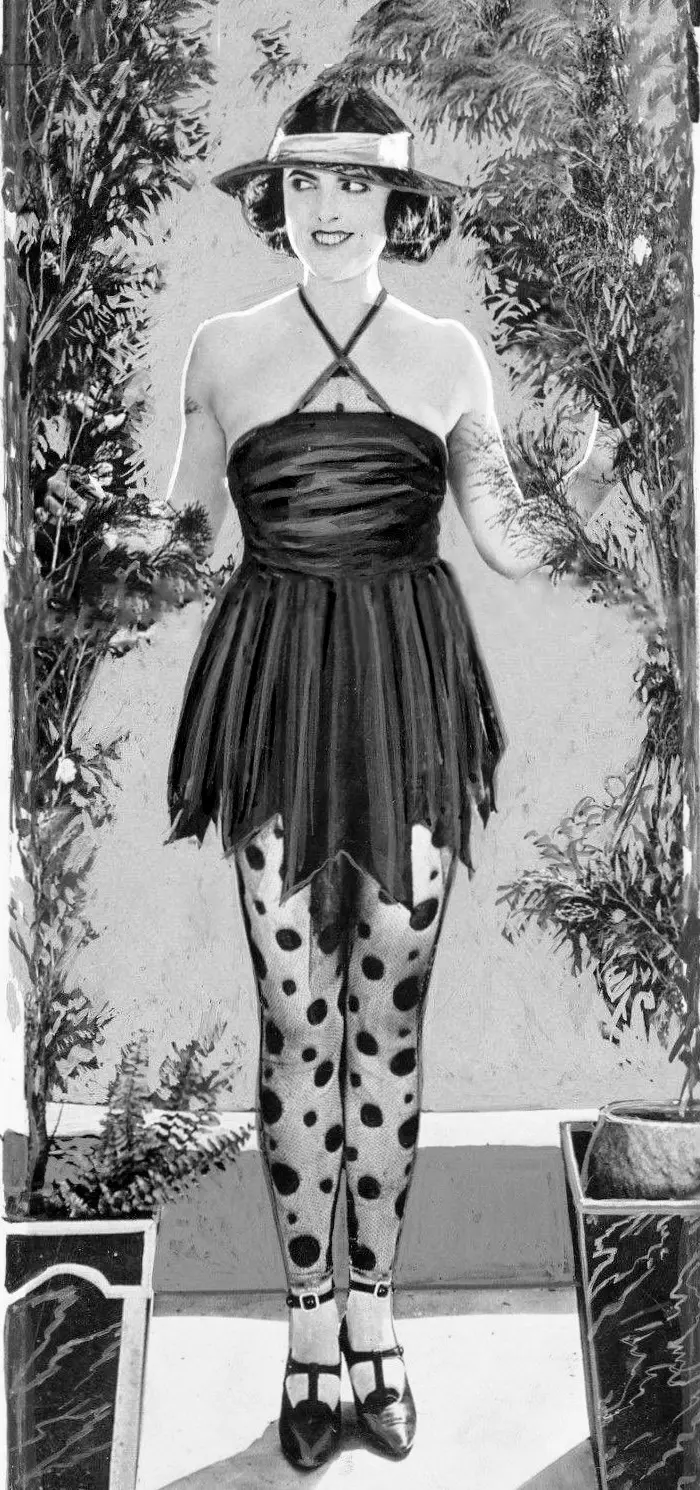
This climax—the 'dirty' win—is emblematic of the era’s 'anything goes' attitude toward comedy. The husband’s revenge, aided by the intellectual who has now switched sides, is not presented as a moral victory but as a survival tactic. It’s a cynical ending that refuses to offer a heartwarming resolution. The tables are turned, the wife is defeated, and the social order is restored through a blatant act of cheating. This lack of moralizing is what makes Lehrman’s films feel so distinct from the more didactic works of his contemporaries, such as Du skal ære.
One cannot discuss this film without mentioning Virginia Rappe. Though her role here is primarily to be the 'fair damsel' caught between suitors, her screen presence is undeniable. In the context of her later, tragic history, watching her in these lighthearted L-KO shorts is a haunting experience. She moves with a grace that contrasts sharply with the broader antics of Albert Ray and Phil Dunham. Her performance here, much like in Healthy and Happy, shows a talented actress who was often relegated to the background of masculine chaos but who nevertheless commanded the frame whenever she appeared.
The supporting cast, including Frank J. Coleman and George Rowe, are stalwarts of the slapstick genre. They understand the rhythm of the 'gag'—the precise moment to react, the specific angle to take a fall. This ensemble work is what separates a Lehrman production from lesser comedies of the 1910s. There is a sense of clockwork precision beneath the apparent madness, a trait also visible in Indiscreet Corinne.
From a technical standpoint, the film utilizes the standard static camera work of the mid-silent period, but the internal editing is remarkably tight. Lehrman was known for his 'choppy' editing style, which emphasized impact over fluid transition. This creates a staccato rhythm that mirrors the punches being thrown on screen. Compared to the more lyrical movements found in Driftwood or the atmospheric tension of Ghost of the Rancho, The Punch of the Irish is a sonic boom of visual information.
The film’s exploration of Irish identity is also worth noting. While it leans heavily into the stereotypes of the era—the 'naturally adverse' temperament and the love of a good scrap—it does so with a sense of self-aware exaggeration. It’s not meant to be a documentary of the Irish-American experience, but rather a cartoonish explosion of cultural tropes. This is a far cry from the more nuanced European sensibilities found in Balleteusens hævn or the romanticized landscapes of Out Yonder.
Ultimately, The Punch of the Irish is a testament to the raw power of early screen comedy. It doesn't ask for your sympathy, nor does it attempt to teach a lesson. It is a film about the fragility of social masks and the inevitable return to primal instincts once the 'tea' starts flowing. Whether you are a scholar of Virginia Rappe’s career or a fan of the unbridled mayhem of Henry Lehrman, this film remains a vital piece of the silent era puzzle. It shares a certain DNA with the gritty realism of Sündige Liebe in its willingness to show the darker side of human impulse, even if that darkness is played purely for laughs. It is fast, it is funny, and it is—true to its name—unquestionably punchy.
This review was crafted with an eye for the historical and the hilarious, ensuring that the legacy of the L-KO Kompany continues to strike a chord with modern cinephiles.
IMDb 6.1
1926
Community
Log in to comment.