DbcultAccessing Vault...
Cult Review
Senior Film Conservator
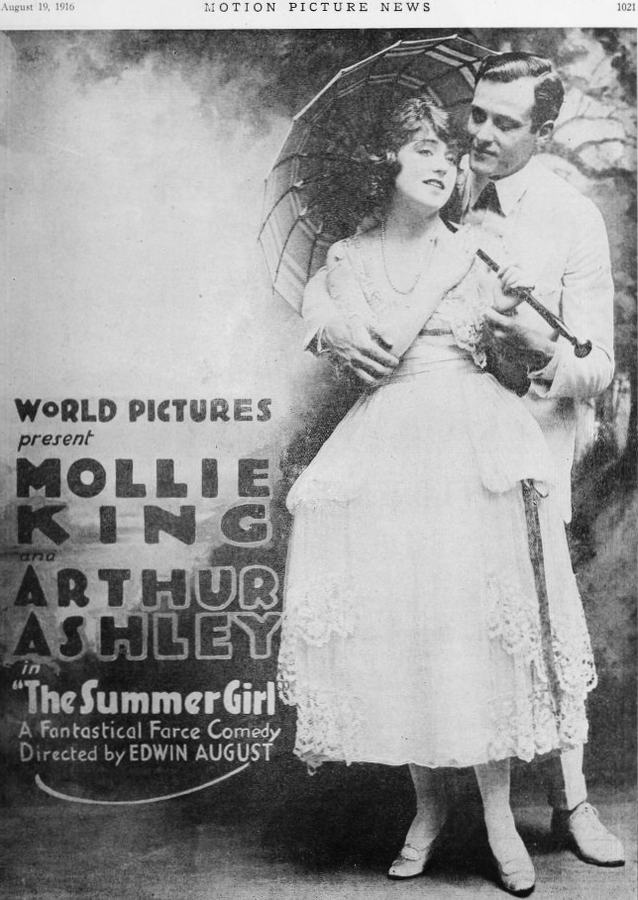
The 1916 cinematic landscape was often characterized by its obsession with the moral dimensions of wealth, and The Summer Girl stands as a quintessential artifact of this era. Directed with a keen eye for the performative nature of social status, the film presents a narrative that is both a romantic caper and a biting critique of the American aristocracy. Mary Anderson, portrayed with a luminous yet calculated vulnerability by Mollie King, embodies the quintessential 'poor little rich girl' trope, but with a psychological twist: she weaponizes her status through its absence. By feigning poverty, Mary attempts to bypass the transactional nature of her social circle, seeking a love that is unburdened by the weight of her inheritance.
This deception sets the stage for a collision between the world of the idle rich and the burgeoning bohemianism of the early 20th century. Bruce Haldeman, played by Dave Ferguson, represents the quintessential starving artist—a figure whose worth is measured in talent rather than dividends. The chemistry between King and Ferguson is palpable even through the silent medium, relying on a sophisticated language of glances and gestures that suggest a profound spiritual alignment. However, their union is not merely threatened by external forces, but by the very deception Mary employs to protect it.
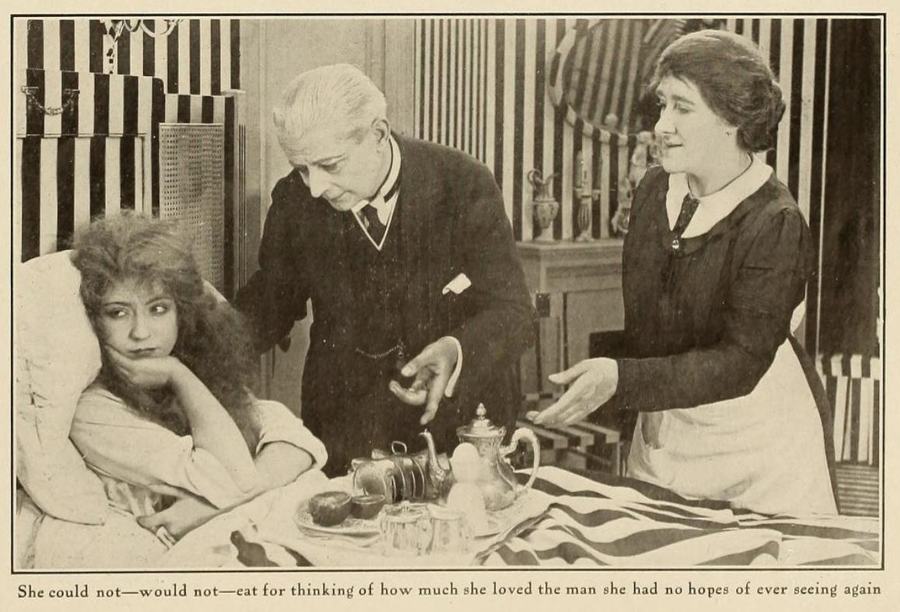
One of the most compelling sequences in the film occurs within the cluttered, evocative confines of Bruce’s studio. Here, the film transitions from a light-hearted romance into a melodrama of Shakespearean proportions. When Mary witnesses Bruce with a model, the film explores the fragility of trust when built upon a foundation of lies. The model, played with a surprising depth by Ruby Hoffman, is not the antagonist Mary imagines, but rather the catalyst for Bruce’s salvation. This subversion of the 'other woman' trope is a refreshing departure from the more binary moralities found in contemporary works like The Pillory.
The portrait of Mary serves as a central motif—a static representation of the ideal that Bruce worships, while the living, breathing Mary remains shrouded in her own fabrications. When Bruce, in a fit of existential despair, threatens to destroy the painting, it is an act of symbolic self-immolation. He is not just destroying art; he is attempting to erase the memory of a woman who has seemingly betrayed the purity of his vision. The model’s intervention, entering the painting into a contest, shifts the narrative from one of personal grief to one of public validation, a theme similarly explored in the social crucibles of Public Opinion.
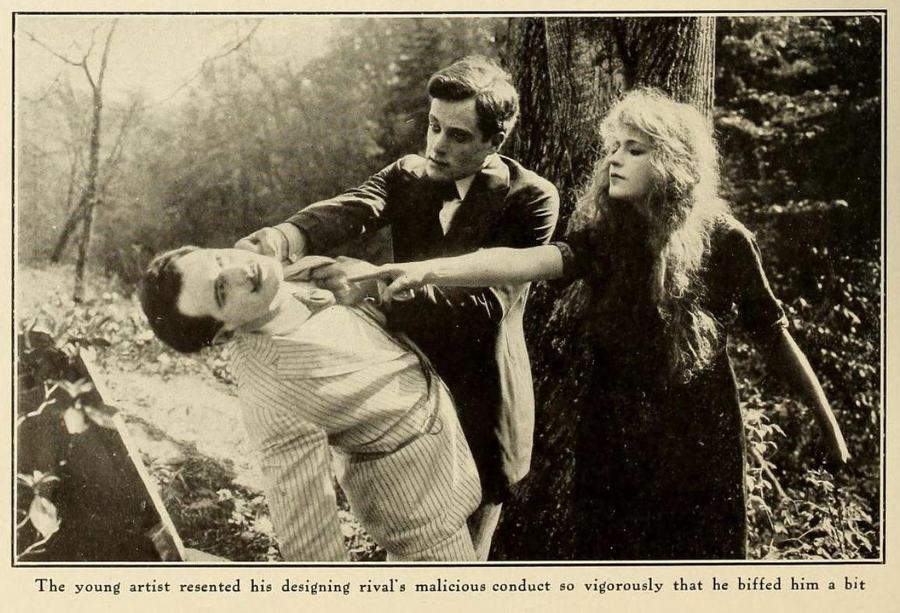
The third act introduces a fascinating dynamic in the character of Mary’s father. Unlike the mother, whose status-consciousness is rigid and unimaginative, the father possesses a cynical wisdom. His decision to feign financial ruin is a masterstroke of narrative irony. It functions as a litmus test for the soul, distinguishing between the genuine affection of the artist and the parasitic opportunism of the socialite, Smythe Addison. This maneuver echoes the thematic concerns of class mobility seen in The Whirlpool of Destiny, where the true character of an individual is only revealed when the safety net of wealth is withdrawn.
Smythe Addison’s immediate retreat upon the news of the Anderson family's 'downfall' provides a moment of sharp social satire. He is the embodiment of the mercenary suitor, a figure who views marriage as a corporate merger. In contrast, Bruce’s unwavering commitment to Mary, regardless of her supposed poverty, validates her initial impulse to hide her wealth. It is a satisfying, if somewhat idealistic, resolution to the conflict between capital and heart. The film suggests that while wealth can obscure one's true nature, the crucible of hardship—even if fabricated—will always reveal the underlying truth.

When comparing The Summer Girl to other films of the period, such as the rugged survivalism of The Sea Wolf, one notices a distinct shift in focus from physical endurance to emotional and social navigation. While Arizona deals with the grand scale of regional identity and honor, The Summer Girl is an intimate chamber piece that finds its stakes in the drawing room and the atelier. The film’s preoccupation with the 'truth' of one's identity also finds echoes in More Truth Than Poetry, though it approaches the subject with a lighter, more optimistic touch.
The technical aspects of the film, from the set design of the Anderson mansion to the atmospheric lighting of Bruce’s studio, demonstrate the growing sophistication of American silent cinema. The use of intertitles is sparing, allowing the visual storytelling to carry the emotional weight of the narrative. This reliance on visual nuance is something we often see in European imports of the era, such as An Alpine Tragedy, yet The Summer Girl retains a distinctly American optimism. Even when dealing with themes of hatred and despair, the film never loses its sense of rhythmic momentum.
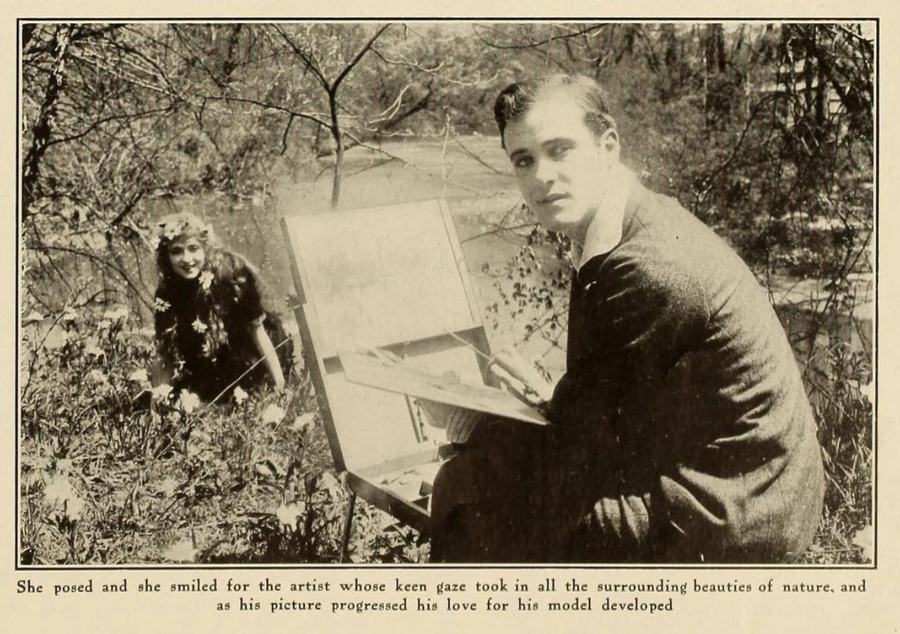
The climax, featuring Bruce’s overnight fame, serves as a dual coronation. He is crowned both a master of his craft and the rightful partner for Mary. This ending satisfies the audience’s desire for a meritocratic triumph—the idea that talent and virtue will eventually be rewarded with both love and money. While this may seem naive to modern sensibilities, in the context of 1916, it served as a vital social myth. It offered a counter-narrative to the rigid class structures of the Old World, which were being scrutinized in films like Tyrannenherrschaft.
Mollie King’s performance remains the film's anchor. Her ability to pivot from the playful deception of the early scenes to the agonizing heartbreak of the studio confrontation is a testament to her range. She avoids the histrionics that plagued many silent film actresses, opting instead for a more grounded, relatable presence. This naturalism is what makes the film's central conceit—the heiress pretending to be poor—somewhat believable. We see in her eyes not just a girl playing a game, but a woman desperately searching for something real in a world made of artifice.
Final Critical Verdict
The Summer Girl is more than a mere romantic relic; it is a sophisticated exploration of the intersections between identity, art, and commerce. It challenges the viewer to consider the masks we wear to find acceptance and the courage required to strip them away. While it shares some DNA with the sentimentalism of Only a Factory Girl, it elevates its material through a more complex understanding of character motivation and social pressure. For fans of silent cinema, it remains a vibrant, engaging, and ultimately hopeful piece of storytelling that resonates with the timeless struggle to be seen for who we truly are, rather than what we possess.
Reflecting on the broader cinematic landscape of 1916, one might also find interesting parallels in the exoticism of Der Sultan von Johore or the tragic undercurrents of La principessa di Bagdad. Yet, The Summer Girl stays firmly rooted in its domestic critique, making it a fascinating study of early 20th-century American values.

IMDb —
1928
Community
Log in to comment.