DbcultAccessing Vault...
Cult Review
Senior Film Conservator
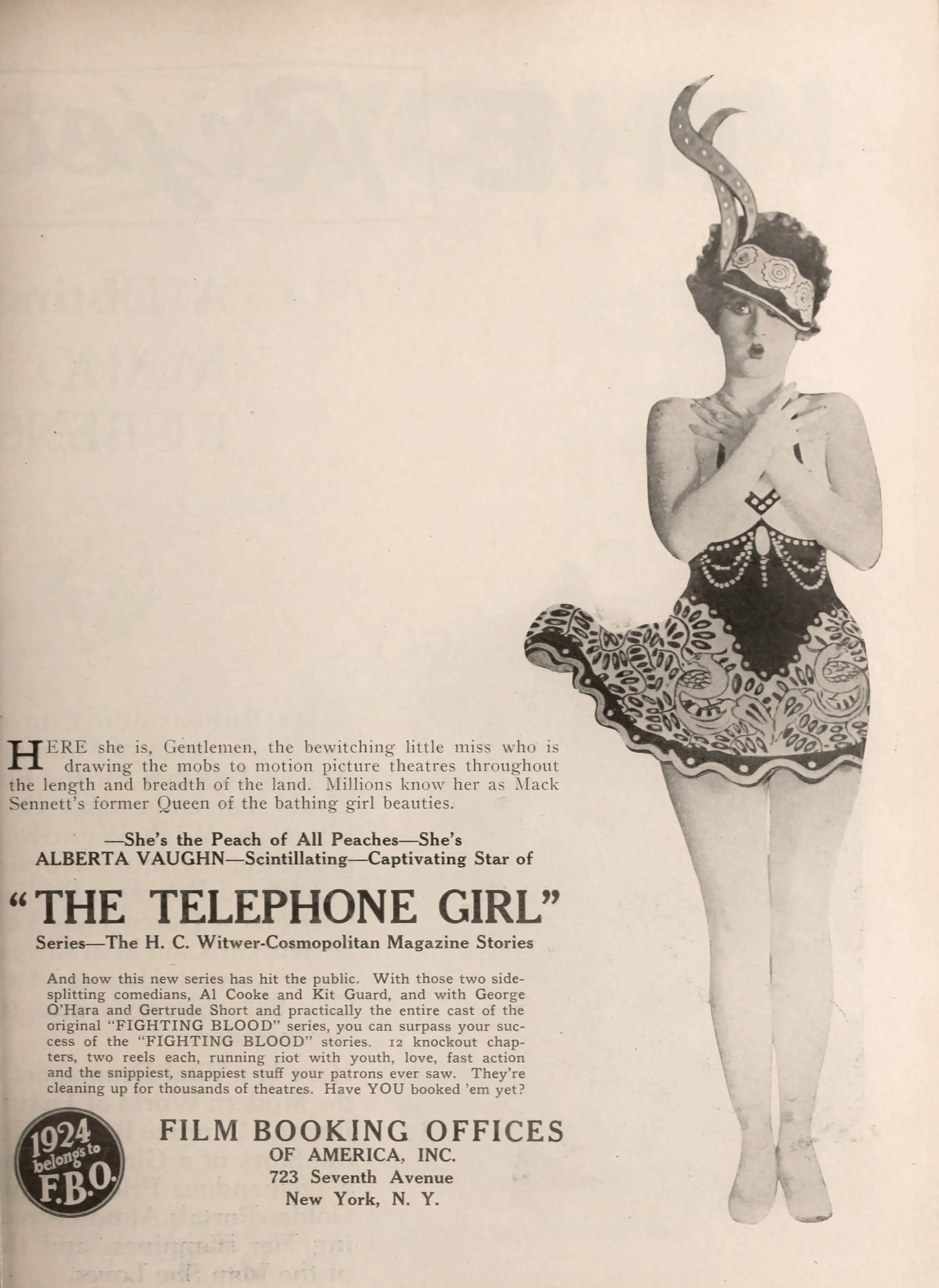
The early 1920s witnessed a fertile ground for cinema that often intertwined with the broader cultural and social movements of the time. 'When Knighthood Was in Tower' (1924) stands as a poignant exemplar of this era, where the pursuits of art and the realities of commercial success collide. Directed by Darryl F. Zanuck and written by George Marion Jr. and H.C. Witwer, the film introduces us to Gladys, a woman of considerable means, who seeks to champion a struggling playwright named Kenneth.
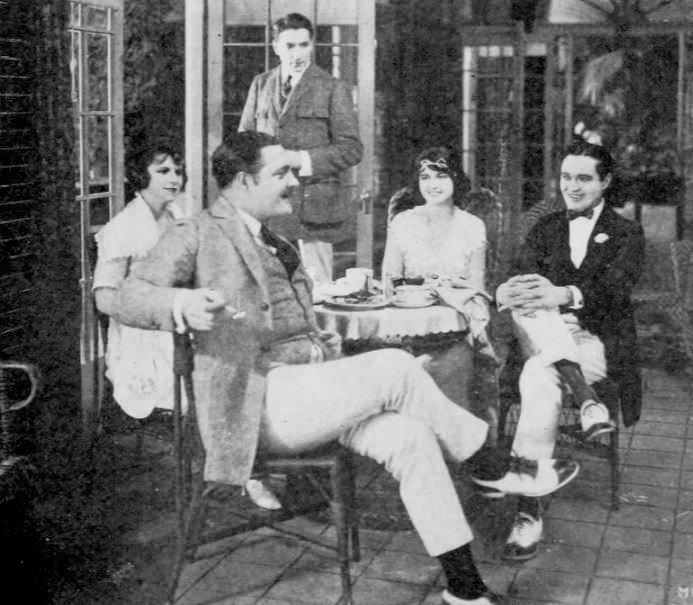
Kenneth, played by Douglas Gerrard, is a promising young writer who has penned a new play but finds himself in a dire financial situation. The film opens with a scene of Kenneth's eviction from the hotel where he has been staying, a circumstance that highlights the precariousness of existence for many artists during this period. Gladys, portrayed by the talented Al Cooke, takes it upon herself to intervene, arranging a meeting between Kenneth and a theatrical producer, George O'Hara, played by George O'Hara.
The meeting between the ambitious playwright and the producer sets the stage for a series of misunderstandings and revelations. The producer, though initially intrigued by Kenneth's work, ultimately rejects the play, citing its plot as 'improbable.' This rejection serves as a catalyst for a deeper exploration of the film's themes. The producer's critique is not merely a matter of taste but a reflection on the commercial pressures that often stifle artistic innovation.
The film's narrative is rich with symbolism and metaphor. The tower in the title, for instance, represents the precariousness of artistic endeavor and the struggle to reach the heights of creative achievement. The meeting with the producer, set against the backdrop of Kenneth's financial struggles, becomes a microcosm of the broader cultural tension between the idealism of art and the pragmatic imperatives of commerce.
Through the character of Gladys, the film also explores the role of patrons in the arts. Gladys, with her resources and influence, becomes a symbol of the potential for altruism in the commercial world. Her actions, while well-intentioned, also raise questions about the ethics of patronage and the dependency it creates.
Technically, 'When Knighthood Was in Tower' is a commendable production. The cinematography by Sidney Hickox captures the stark contrast between the opulence of the producer's office and the modest living conditions of the playwright. This visual narrative reinforces the thematic divide between the world of commerce and the realm of artistry. The film's score, composed by Benjamin Harland, adds an atmospheric layer that complements the visual storytelling, evoking a sense of melancholy and longing.
Comparatively, 'When Knighthood Was in Tower' bears a striking resemblance to films of its time, such as 'The Morals of Hilda' (1922) and 'Sacred Silence' (1924), both of which grapple with similar themes of artistic integrity and the challenges faced by independent artists. However, where these films might have taken a more didactic approach, 'When Knighthood Was in Tower' offers a nuanced exploration of its subject matter, avoiding simplistic moral judgments.
The performances in 'When Knighthood Was in Tower' are uniformly strong. Douglas Gerrard brings a depth to Kenneth's character, capturing both the idealism and the frustration of an artist struggling to be recognized. Al Cooke's portrayal of Gladys is equally compelling, balancing her benevolence with a subtle undercurrent of pragmatism. The supporting cast, including Gertrude Short, Kit Guard, Tom Wilson, and Alberta Vaughn, all contribute to the film's rich tapestry of characters and emotions.
Thematically, 'When Knighthood Was in Tower' resonates deeply with the concerns of its era, offering a poignant commentary on the intersection of art and commerce. While its technical aspects may not stand out as groundbreaking, the film's emotional resonance and thoughtful exploration of its subject matter make it a valuable addition to the cinematic landscape of the early 1920s. It serves as a reminder of the enduring relevance of these themes in contemporary discussions about creativity and the commercialization of culture.
In conclusion, 'When Knighthood Was in Tower' is a thoughtful and well-crafted film that offers a nuanced exploration of the challenges faced by artists in the early 20th century. Its exploration of the tension between art and commerce, as well as the role of patrons in supporting creative endeavors, makes it a significant entry in the annals of cinema history. For viewers interested in the intersection of art and society, this film is a must-watch.
The Morals of Hilda, Tainted Money (1924), Sacred Silence, Der Rächer von Davos, The Reclamation, The Hidden Law, A World of Folly, 'Twas Henry's Fault, Fair But False, Christus, The Birth of Patriotism, A Factory Magdalen, David Garrick, The Crucible of Life, Code of the Yukon
IMDb —
1921
Community
Log in to comment.