
Cult Cinema Deep Dive
The Alabaster Apostate: Decoding the Primal Transgressions and Narrative Anarchy of Cinema’s Earliest Midnight Mavericks
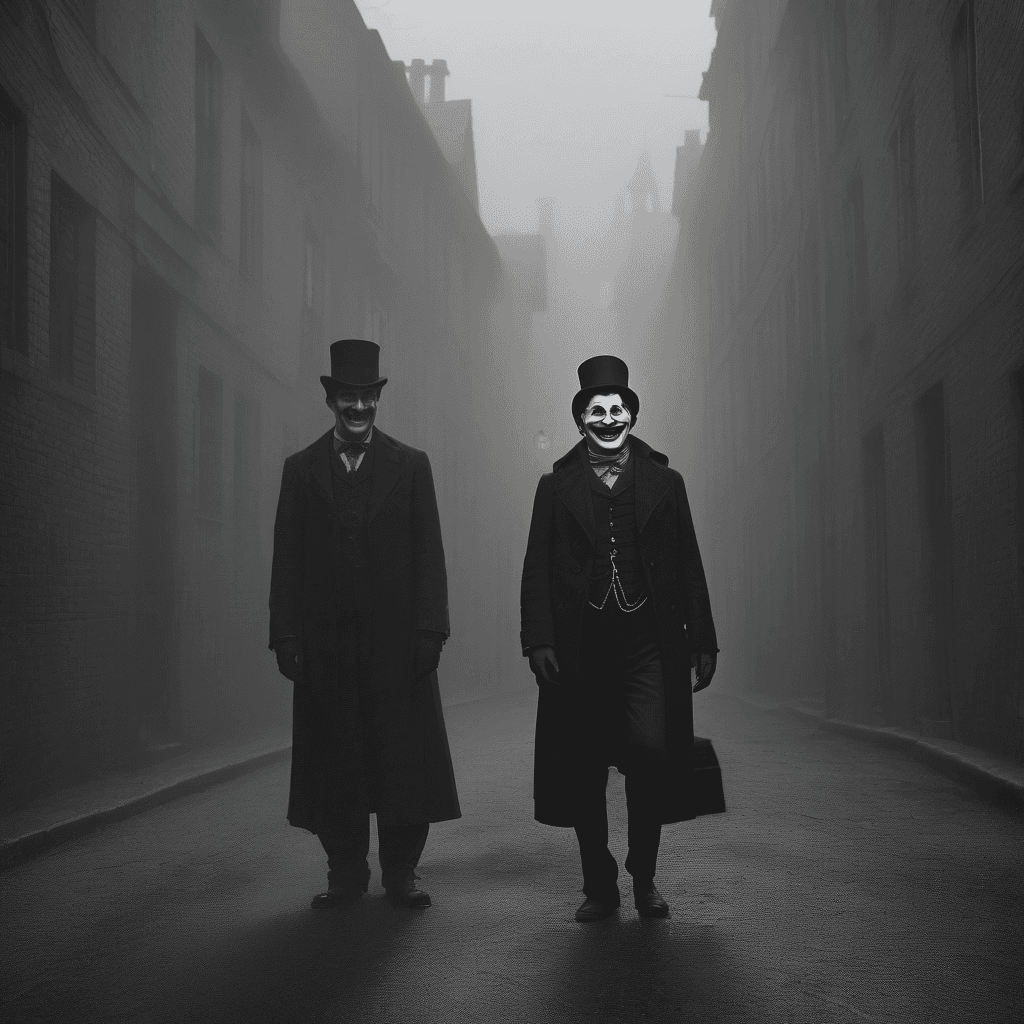
“An exploration of how early silent era outliers and narrative deviants laid the groundwork for the modern cult cinema phenomenon through visual extremity and moral subversion.”
The history of cinema is often written by the victors—the blockbusters, the Oscar darlings, and the films that defined national movements. Yet, beneath the polished surface of mainstream film history lies a jagged, shadow-drenched landscape populated by the Alabaster Apostates. These are the films that refused to conform to the burgeoning rules of the studio system, the works that embraced the grotesque, the absurd, and the morally ambiguous long before the term "cult cinema" was ever coined. To understand the modern obsession with the weird and the wonderful, we must look back to the early 20th century, where the seeds of midnight movie fervor were first sown by narrative outcasts and visual rebels.
The Genesis of the Grotesque: The Man Who Laughs and the Cult of the Other
Perhaps no film better encapsulates the proto-cult spirit than The Man Who Laughs (1928). While technically a high-budget production, its soul belongs to the fringe. The story of Gwynplaine, a man whose face was carved into a permanent, terrifying grin by gypsies, serves as the ultimate archetype for the cult hero: the misunderstood monster. This film, with its haunting expressionist visuals and deep-seated pathos, didn't just influence the creation of the Joker; it established the visual language of the cinematic outsider. Cult cinema thrives on the "other," and Gwynplaine is the patron saint of those who are seen as aberrations by polite society.
In the same vein, we see the early roots of horror and drama intersecting in ways that defied contemporary expectations. Films like The Face in the Moonlight explored the dark underbelly of aristocratic life, blending romance with the stifling pressure of societal preservation. When Ambrose is compelled to marry his cousin to save a lineage, despite his love for a peasant girl, the film touches on the transgressive themes of class and duty that would later become staples of cult narratives. These films were not merely entertainment; they were explorations of the cracks in the social facade.
Serialized Obsessions: Radium Tanks and Golden Lotus Leaves
Before the era of the modern franchise, audiences were captivated by the frantic energy of the serial. The Great Radium Mystery and The Dragon's Net represent the birth of niche obsession. In these films, the plot is often secondary to the spectacle of the chase and the allure of the impossible object. Whether it is a radium-powered tank or a set of eight golden lotus leaves holding the secret to eternal life, these "MacGuffins" drove a type of engagement that mirrors modern fan theories and expanded universes.
The cult of the serial was built on the cliffhanger—a narrative device that forced a literal and figurative devotion from the audience. In The Dragon's Net, the quest for immortality takes an adventurer across the globe, blending action with a sense of mystical wonder that prefigures the high-concept cult hits of the 1970s and 80s. These films were the original "event cinema" for the subculture, prioritizing kinetic energy and genre-bending over the slow-burn realism favored by the critics of the time.
The Moral Grey: From The Forgotten Woman to The Rummy
Cult cinema has always been a refuge for stories that the Hayes Code and its predecessors sought to sanitize. Consider The Forgotten Woman, a gritty drama about a waterfront waif tricked into a miserable marriage. This is not the sanitized romance of the mainstream; it is a story of survival, betrayal, and the harsh realities of the marginalized. Similarly, The Rummy dives into the world of night courts and prostitution, featuring a reporter who falls for a woman arrested on a "social charge." These films pushed the boundaries of what was considered acceptable subject matter, creating a space for transgressive storytelling that resonated with audiences who felt unrepresented by the moralizing tone of the era's major hits.
Even in the realm of comedy, the early cult spirit was alive and well. Buster Keaton's Convict 13 takes the grim reality of prison and turns it into a surrealist playground. The image of a golfer mugged by an escaped convict, only to find himself foiling a jailbreak, is pure narrative anarchy. It is this refusal to take the world seriously—to find the absurd in the tragic—that defines so much of the cult ethos. It is a rebellion against the gravity of the status quo.
Subverting the Frontier: The Western as Cult Canvas
The Western is often seen as the most rigid of American genres, yet the early silent era used the frontier as a laboratory for character subversion. One Shot Ross features a protagonist who decides to hang up his guns after witnessing the grief of a victim's daughter. This moment of moral crisis subverts the "invincible hero" trope, offering a vulnerability that would become a hallmark of the anti-heroes found in later cult classics like El Topo or The Shooting.
Similarly, Cupid the Cowpuncher and Cotton and Cattle blended the ruggedness of the West with romantic comedy and social commentary. In Cotton and Cattle, the struggle against foreclosure and the collective action of cowboys to save a plantation highlights a populist streak that often runs through cult cinema—the idea of the small, dedicated group standing against the corporate or systemic giant. These films utilized the open spaces of the West to explore the internal frontiers of their characters, often leading to results that were far more eccentric than the standard "white hat vs. black hat" dynamics.
The Visual Language of Deviance
The aesthetic of the early cult film was often a result of necessity meeting imagination. In films like Zelyonyy pauk or Anfisa, we see the influence of European avant-garde movements. Anfisa, in particular, deals with the collapse of a family dynamic when a female relative joins the household—a precursor to the "home invasion" or "psychological disruptor" subgenre. The visual storytelling in these films often utilized high-contrast lighting and unconventional framing to mirror the internal turmoil of the characters.
Even the more "traditional" dramas like The Lane That Had No Turning utilized secrets and physical deformities (a recurring theme) to build tension. The secret of Louis Racine—the potential loss of his wealth due to a contradictory will—is a classic cult setup: the world is not as it seems, and the protagonist is living on borrowed time. This sense of impending doom and the fragility of identity is something that modern cult audiences find endlessly fascinating.
The Sacred and the Profane: Cult Rituals in the Silent Era
The concept of the "midnight movie" is built on the idea of a shared ritual, and the seeds of this are found in the specialized screenings of the 1910s and 20s. Films like Kultur, which dealt with the tensions of the Kaiser and the impending World War I, were often screened in environments that encouraged vocal audience participation and political debate. This was cinema as a communal, often radical, experience.
In the more fantastical realm, Paradise Garden tells the story of an heir who is forbidden from seeing a woman until his twenty-first birthday. This kind of heightened, almost fairy-tale premise creates a unique logic that requires the audience to "buy in" completely—a prerequisite for any cult following. When Beauty's Worth pits an unsophisticated Quaker girl against the snobbery of high society, it invites the audience to root for the underdog in a way that feels personal and subversive. The "worth" of the protagonist is not defined by her wealth, but by her refusal to change her core self for the sake of the elite.
Legacy of the Outcasts: Why the Silent Fringe Matters Today
Why do we still talk about The Man Who Laughs or The Great Radium Mystery? It is because these films represent the genetic blueprint of cinematic rebellion. They proved that there was an audience for the strange, the dark, and the unconventional. They showed that a film didn't need a happy ending or a perfect hero to leave a lasting mark on the human psyche. The influence of Das Grand Hotel Babylon's class-based satire or The Mysterious Lady's espionage-heavy thrills can be felt in everything from the works of Wes Anderson to the latest A24 horror hit.
Cult cinema is an act of reclamation. It is the process of taking films that were ignored, maligned, or simply too weird for their time and elevating them to the status of sacred texts. The Alabaster Apostates of the silent era were the first to walk this path. They were the ones who dared to show the face in the moonlight, the secret of the storm country, and the man who could not stop laughing. As we continue to dig through the archives of film history, we find that the most enduring legacies are often found not in the center of the frame, but in the flickering shadows at its very edge.
In conclusion, the enduring allure of cult cinema lies in its ability to provide a home for the homeless narrative. Whether it is the melodrama of Seeds of Vengeance or the historical innovation of Florence Nightingale, these films remind us that cinema is a broad church with many altars. By studying the early outliers, we gain a deeper appreciation for the maverick spirit that continues to drive filmmakers to push boundaries, break rules, and create the next generation of midnight masterpieces. The apostates of yesterday are the icons of today, and their silent screams and painted smiles still echo through the halls of the cinematic underground.
Community
Comments
Log in to comment.
Loading comments…