
Cult Cinema
The Outcast’s Overture: Decoding the Primal Rebellion and Enduring Devotion of Early Cult Cinema
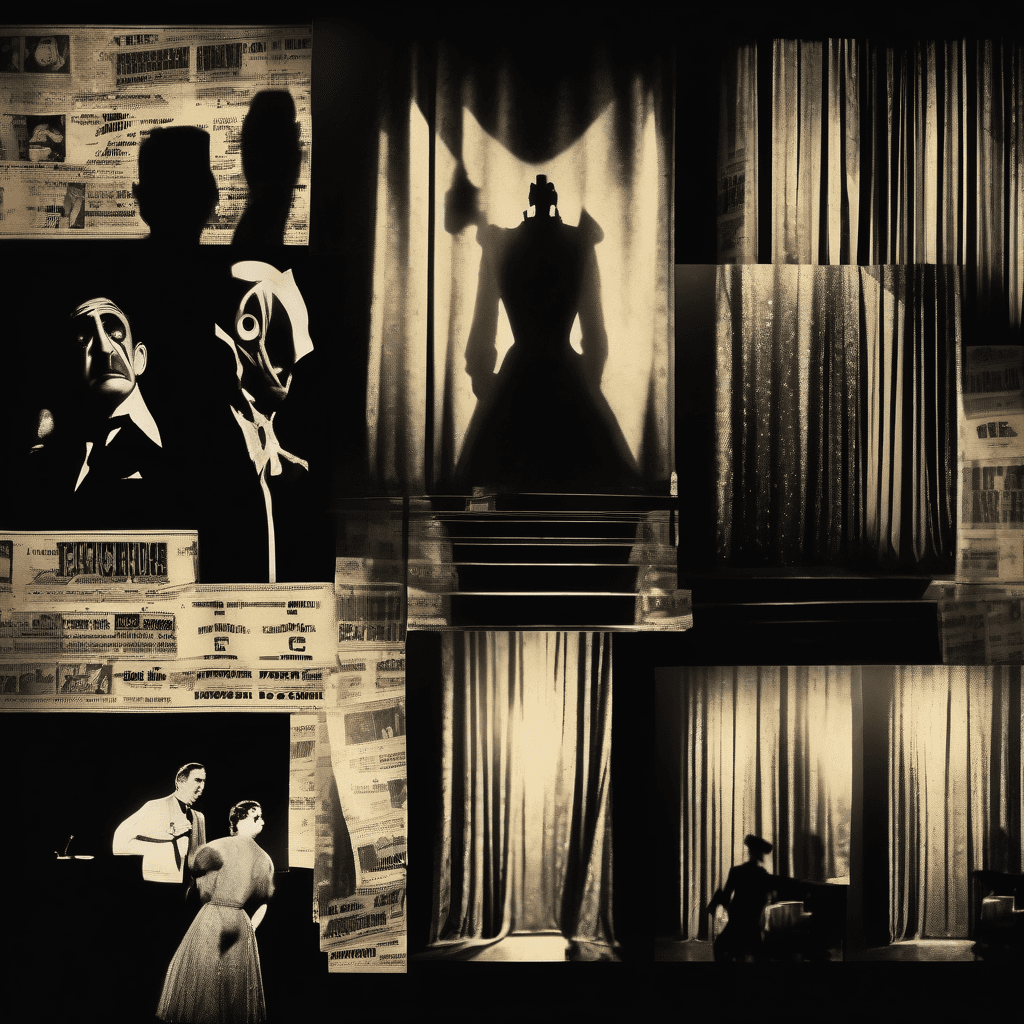
“Explore the hidden history of cult cinema's origins, from silent-era transgressions to the maverick visions that forged a century of niche devotion.”
To define cult cinema is to attempt to capture lightning in a bottle. It is not merely a collection of films, but a shared psychological space—a sacred intersection where the misunderstood, the transgressive, and the bizarre find a permanent home. While the modern concept of the 'midnight movie' was solidified in the 1970s, the genetic blueprints of this rebellion were drafted decades earlier in the silent era's fringes. The films that today we categorize as 'cult' are those that refused to conform to the rigid moral and narrative structures of their time, creating a rebel legacy that continues to vibrate through the celluloid of today.
The Architecture of the Unconventional
Long before the term 'cult' was a marketing buzzword, cinema was already birthing its first outcasts. These were films that existed in the shadows of the mainstream, often exploring themes of existential dread, social alienation, and moral ambiguity. Consider the 1921 masterpiece Destiny. Directed by Fritz Lang, this film introduced a level of metaphysical horror and fantasy that challenged the literalism of early cinema. When a woman’s fiancé disappears and she is confronted by Death himself, the narrative shifts into a triptych of tragic possibilities. This film didn't just tell a story; it created a visual language of shadow and fate that would later inspire the Gothic cultists of the 20th century. It is in these experimental narratives that we see the first inklings of a fandom that values atmosphere and philosophical depth over traditional happy endings.
The allure of the cult film often lies in its ability to present a world that feels slightly 'off.' Films like The Oyster Princess (1919) by Ernst Lubitsch utilized satire to dismantle the absurdities of the American wealthy class through a European lens. It was a film that mocked the very institutions that funded the industry, a subversive act that endeared it to those who felt alienated by the burgeoning capitalist dream. This mockery of status and the 'heiress' trope provided a blueprint for the satirical cult films of the future, where the elite are often the targets of surrealist derision.
Transgressive Identities and the Tomboy Rebel
One of the most potent themes in early cult cinema is the subversion of gender roles. In an era where social expectations were strictly codified, films that featured 'tomboy' protagonists or women in traditionally masculine roles became clandestine beacons of rebellion. Danger, Go Slow (1918) and The Only Road (1918) are prime examples. In the former, the character Muggsy Mulane dons boy's clothing to navigate a world of crooks and freight trains, while in the latter, the protagonist Nita lives a rugged life that defies the 'damsel in distress' archetype. These films weren't just comedies or dramas; they were manifestos of identity.
The Power of the Outsider Gaze
Cult audiences have always been drawn to the 'outsider'—the character who exists on the periphery of society. This is perfectly encapsulated in Notorious Gallagher; or, His Great Triumph. Here, we see a product of the slums who has been rendered invisible by his environment, only to find a moment of profound significance. This narrative of the 'forgotten man' resonates with the cult ethos because cult fandom itself is often a community of those who feel marginalized. The Maverick spirit of these films lies in their refusal to look away from the grit and the grime of the human experience.
Even in the Western genre, which was the bedrock of early American mainstream cinema, we see the rise of the 'Black Sheep.' Films like Black Sheep (1915) and A Black Sheep (1915) explored the internal conflicts of men who did not fit the heroic mold. These characters defended the rights of the few against the many, often at the cost of their own social standing. This narrative dissidence—the idea that the hero can be a pariah—is a foundational element of what makes a film 'cult.' It invites the audience to root for the underdog, the outlaw, and the eccentric.
The Visual Séance: Avant-Garde and Atmospheric Roots
Cult cinema is often defined by its aesthetic idiosyncrasies. It is a cinema of the 'vibe,' where the texture of the film stock and the lighting choices are as important as the dialogue. Souls on the Road (1920), a landmark of Japanese cinema, utilized cross-cutting and expressionistic techniques to weave a story of social outcasts and escaping convicts. It was a film that felt like a dream—or a nightmare—capturing a sense of haunting beauty that mainstream Hollywood of the time often avoided. This focus on the ethereal and the avant-garde created a template for the 'head films' of the 1960s and 70s.
Similarly, the Russian film Mechta i zhizn (Dream and Life) explored the boundaries between reality and the subconscious. When cinema stops trying to replicate the world and starts trying to replicate the mind, it enters the realm of the niche and the devoted. Cultists don't just watch these films; they inhabit them. They look for the 'hidden reels' within the frame, the subtle cues and bizarre choices that suggest a deeper, more arcane meaning behind the surface narrative.
The Sacred Ritual of the Midnight Screening
The transition from a film being an 'outcast' to becoming a 'cult classic' requires a specific kind of communal devotion. This often starts with the recognition of a film's unique failure or its radical success in a niche area. The Lady of Red Butte (1919), for instance, presents a theology student whose mind becomes unbalanced, leading him to a mining town as a self-proclaimed savior. This exploration of religious mania and the breakdown of the psyche is precisely the kind of 'heavy' material that midnight audiences crave. It challenges the viewer to confront the darker aspects of the human soul, transforming the act of watching into a cinematic séance.
Consider the 1916 version of Oliver Twist. While the story is a classic, early adaptations often took liberties that made them feel more like fever dreams than literary translations. The depiction of the London underworld was often stylized to the point of grotesque, creating an atmosphere that felt transgressive to contemporary viewers. This 'edge' is what keeps a film alive in the cultural memory long after its peers have faded into obscurity.
Genre Mutations and the Birth of the Weird
The beauty of the early century's rogue wave of cinema was its willingness to mutate genres. The Captive (1915) is not just a war drama; it is a psychological study of the relationship between a woman and her prisoner. This subversion of the 'enemy' trope creates a moral complexity that is a hallmark of the cult psyche. Similarly, Love, Honor and Obey (1920) introduced radical sexual theories through the character of a young author, pushing the boundaries of what was acceptable to discuss on screen. These films were the 'proto-cult' works that tested the waters of censorship and public taste, paving the way for the unfiltered visions of later mavericks.
Even the short films of the era, such as A Dollar's Worth or Screen Follies No. 1, displayed a level of narrative anarchy that was absent from the feature-length 'prestige' pictures. They were chaotic, often violent, and frequently nonsensical—qualities that would eventually define the 'trash cinema' and 'pulp' movements that are central to the cult canon. The Primal Deviance found in these shorts is the same energy that fuels the underground film festivals of today.
Conclusion: The Eternal Flame of the Misfit
Cult cinema is the eternal flame of the misfit. It is the refuge for films like The Secretary of Frivolous Affairs (1915), which used comedy to mask a sharp critique of social engineering, or A gyónás szentsége (The Sacrament of Confession), which delved into the heavy burden of guilt and the sanctity of the confessional. These films survived not because they were 'perfect,' but because they were unforgettable. They possessed a certain 'something'—a spark of the unconventional, a touch of the bizarre, or a commitment to a vision that the rest of the world wasn't ready to see.
As we look back at the Celluloid Outcasts of the early 20th century, we see that the history of film is not just a straight line of progress toward better technology and bigger budgets. It is a jagged, winding path filled with Maverick spirits who chose to tell stories that didn't fit. From the tomboyish antics in The Hope Chest to the tragic violins of Love Never Dies, these films represent the foundational DNA of cult obsession. They remind us that cinema is at its best when it is a little bit dangerous, a little bit weird, and entirely devoted to the shadows.
The enduring power of cult cinema lies in its ability to be rediscovered. Every time a modern viewer stumbles upon a dusty reel of Skirts or the surrealist comedy of The Dancin' Fool, the cult is reborn. It is a cycle of perpetual fandom, a testament to the fact that while trends may fade, the allure of the unconventional is timeless. We are all, in some way, disciples of the midnight screen, forever searching for that next transgressive masterpiece that will make us see the world in a different, more flickering light.
Community
Comments
Log in to comment.
Loading comments…