
Cult Cinema
The Alchemical Ancestry: How Early Cinema’s Misfits and Moral Mutants Forged the Modern Cult Soul
“A deep-dive investigation into the proto-cult roots of the silent era, tracing how forgotten genre outliers and transgressive icons birthed the modern midnight movie phenomenon.”
When we discuss the phenomenon of cult cinema, the mind often drifts toward the neon-soaked midnight screenings of the 1970s or the transgressive underground movements of the 1980s. However, the genetic blueprint of the cinematic outlier was drafted much earlier. Long before the term 'cult movie' was coined, a collection of genre deviants and narrative misfits were quietly dismantling the boundaries of traditional storytelling. From the gender-fluid interpretations of classic literature to the visceral descents into theological horror, the silent era was a breeding ground for the unconventional visions that would eventually become the sacred texts of obsessive fandom.
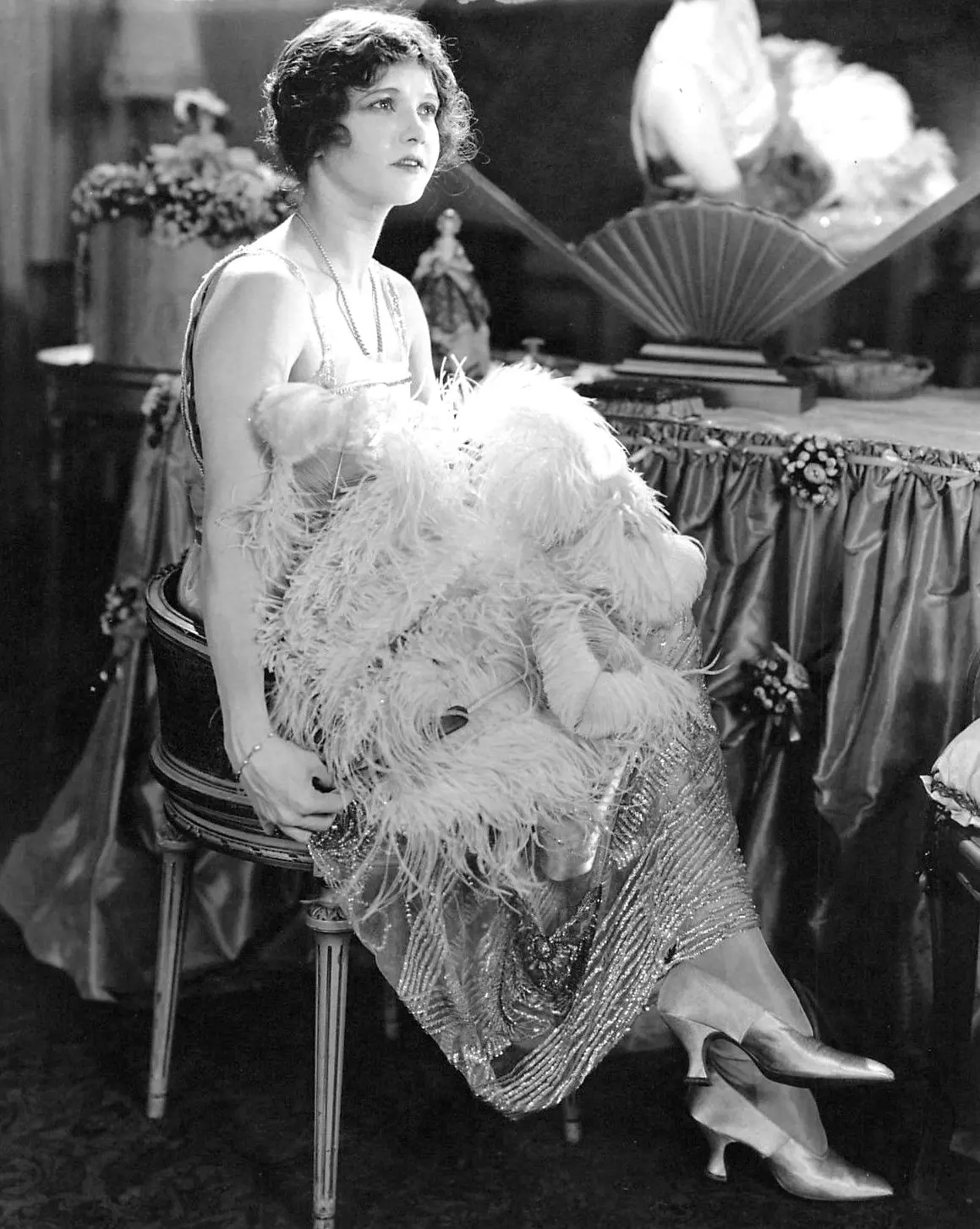
The Genesis of Transgression: Dante’s Inferno and the Visual Shock
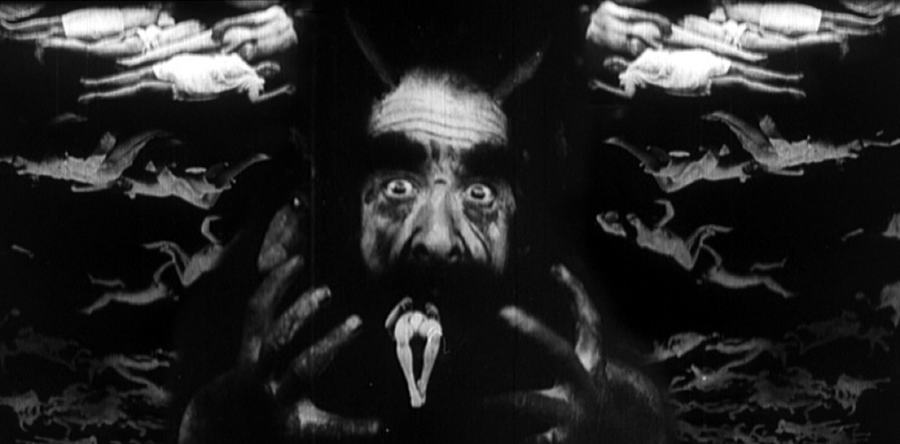
In 1911, the Italian production Dante's Inferno (L'Inferno) arrived as a seismic shift in visual language. As Italy's first full-length feature film, it didn't just adapt a literary masterpiece; it pioneered a form of visual extremism that prefigures the modern horror and fantasy cults. By depicting the Circles of Hell with a raw, almost tactile brutality, the film captured the imagination of audiences who sought something beyond the mundane. This wasn't merely a movie; it was an experience—a descent into the macabre that established the 'spectacle of the strange' as a cornerstone of the cult aesthetic. The film’s willingness to embrace the grotesque and the surreal provided a template for every future director who would attempt to visualize the impossible.
Gender Subversion and the Iconography of the Outcast
Cult cinema has always been a sanctuary for the exploration of identity and gender. This tradition finds its most potent early expression in the 1921 production of Hamlet, starring the legendary Asta Nielsen. By casting a woman in the role of the Danish prince—and reimagining the character as a woman forced to live as a man—Nielsen and her production company didn't just perform Shakespeare; they interrogated the very nature of performance. This subversive reimagining is a direct ancestor to the gender-bending performances that would later define films like The Rocky Horror Picture Show. Nielsen’s Hamlet is a figure of liminality, an icon for those who exist between the rigid definitions of society, making the film a foundational text for the marginalized and the rebellious.

The Liberal Being: Lulu and the Circus of Desire
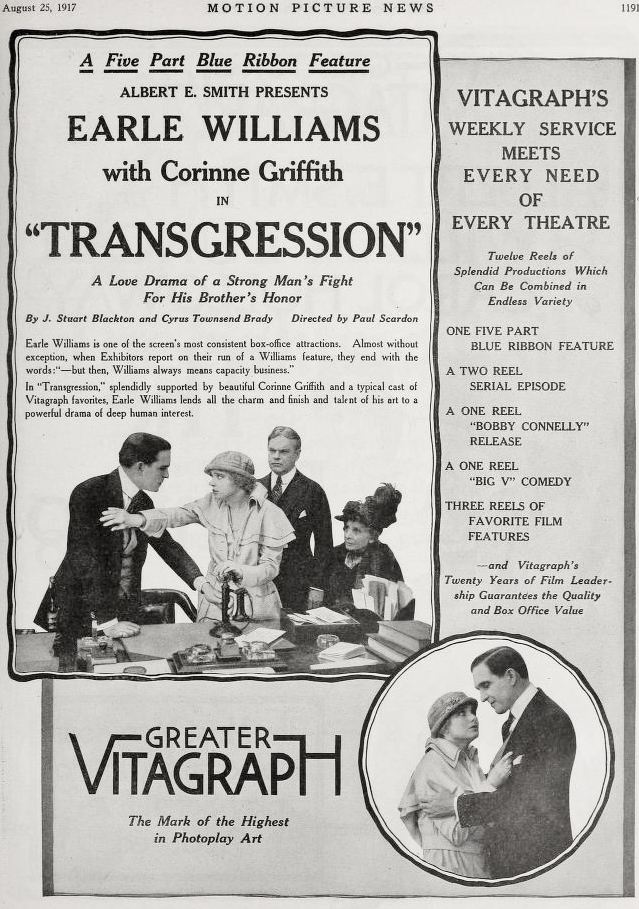
The 1917 film Lulu offers another fascinating glimpse into the early cult soul. Centered on a circus dancer described as a 'thoroughly liberal being,' the film explores the destructive power of desire and the societal rejection of the untamed spirit. Lulu’s relationships—ranging from the clown Alfredo to the tragic noble Henri von Reithofen—paint a picture of a woman who cannot be contained by the moral frameworks of her time. This narrative of the unrestrained outsider whose very existence causes systemic collapse is a recurring motif in the cult canon, celebrating the 'beautiful loser' or the 'dangerous dreamer' who refuses to conform.
The Urban Underworld and the Slums of Obsession
Early cinema was fascinated with the 'low-life,' the dark corners of the city where the rules of the middle class didn't apply. Films like A Child of the Paris Streets and The Big Sister delved into the gritty reality of the slums, often featuring protagonists who were forced into lives of crime or survival by a cruel and indifferent system. In A Child of the Paris Streets, we see the 'Apaches'—a Parisian underworld family—engaging in a cycle of retaliation and kidnapping against a judge who refused mercy. This focus on the criminal counter-culture and the 'noble outlaw' created a sense of empathy for the disenfranchised, a sentiment that remains a pillar of cult devotion today.

Similarly, A Broadway Scandal introduces us to Nenette Bisson, a dancer who finds herself shot and abandoned after a joyride in a stolen car. These stories of urban peril and moral ambiguity resonated with audiences who felt alienated by the polished, sanitized narratives of mainstream society. They offered a reflection of the chaotic undercurrents of modern life, forging a bond between the screen and the viewer based on shared recognition of struggle and rebellion.
Genre Anarchy: From Western Waywards to Detective Panopta
The fluidity of genre in the early 20th century allowed for a level of experimentation that modern cinema often lacks. Take, for instance, The Daredevil (1920), which blended crime, western, and comedy elements through the character of Timothy, a wayward son sent to Arizona for 'safe keeping.' Or consider the female-led detective serials like Panopta II, where the titular heroine uses every means at her disposal to bring down the criminal Kippy. These films didn't just occupy a single niche; they were narrative mutants that appealed to a variety of sensibilities, much like the 'midnight movies' that would later combine horror, sci-fi, and satire into a single, unclassifiable experience.
The Frontier as a Liminal Space
The Western genre provided a unique canvas for these early cult explorations. In Love's Lariat, a rancher is forced to navigate the 'civilized' East to claim an inheritance, a fish-out-of-water story that highlights the clash between the wild spirit and the rigid social order. The Highway of Hope takes this further, presenting a protagonist cast out by his father who finds an unexpected, drunken salvation in a marriage to 'Lonely Lou.' These films utilized the frontier mythology not just for action, but to examine the psychological state of the exile—a theme that remains central to the cult movie's obsession with the wanderer and the misfit.
The Domestic Macabre: Melodrama as Psychological Horror
While we often think of cult films as being 'out there,' some of the most enduring cult archetypes were born in the claustrophobic confines of the domestic drama. The Neglected Wife and The Evangelist explored the rot at the heart of the modern family. In The Evangelist, Philip Nuneham’s obsession with building power plants leads to the emotional abandonment of his wife, Christabel, making her receptive to the 'attentions' of others. This focus on singular obsession—whether it be business, religion, or power—mirrors the obsessive nature of the cult fan. These films portrayed the home not as a place of safety, but as a site of psychological warfare and spiritual neglect, prefiguring the 'suburban gothic' cult films of the later century.
Surrealism, Dreams, and the Indifferent Universe
Perhaps the most 'cult' element of the silent era was its embrace of dream logic and existential dread. Sinbad, the Sailor (1919) utilizes the frame of a dreaming child to explore a world of mythic adventure, blurring the lines between reality and imagination. But it is Ewiger Strom that touches upon a deeper, more unsettling cult nerve. The story of a one-eyed ferryman who finds an abandoned baby and watches with indifference as it falls overboard—only for the child to be saved by the river itself—is a haunting meditation on fate and apathy. This kind of 'cruel surrealism' is exactly what draws devotees to films that defy traditional moral payoffs, favoring instead a raw, unfiltered look at the strangeness of existence.
The Exotic and the Forbidden
Cult cinema has a long, complicated history with the 'exotic,' often using far-flung locales to explore themes of forbidden desire and cultural clash. Her Purchase Price, with its harem slave auctions and Arab chieftains, and The Hidden Pearls, featuring a Hawaiian princess's son caught between two worlds, utilized these settings to heighten the sense of otherness. While these films are artifacts of their time, their focus on cultural liminality and the 'forbidden' contributed to the cult movie’s reputation as a space for exploring the boundaries of the known world, however problematic those explorations might be.
The Enduring Legacy of the Early Misfit
Why do we return to these flickering, grainy relics of the past? Because in films like Hell-to-Pay Austin, where a lumberjack becomes an accidental father, or Nineteen and Phyllis, which finds comedy in the desperate social climbing of a small-town youth, we see the first sparks of a maverick spirit. These films were often made on the fringes of the burgeoning studio system, or by creators who had yet to be constrained by the 'rules' of what a movie 'should' be. They are the ancestral ghosts of the midnight movie, the original rebels who dared to put the strange, the sad, and the subversive on screen.
The cult of the curious didn't begin with a high-heeled alien from Transylvania or a group of teenagers in a cabin. It began with the one-eyed ferryman, the woman playing the Prince of Denmark, and the businessman who loved his power plants more than his wife. It began with Dante’s Inferno and the realization that cinema could be a portal to the underworld. As we continue to celebrate the unconventional, we must acknowledge that our modern obsessions are merely the latest echoes of a century-old rebellion—a long, alchemical process of transforming the cinematic outlier into an enduring icon.
From the slapstick anarchy of Toonerville Tactics to the historical decadence of Madonnas and Men, the early century was a kaleidoscope of the weird and the wonderful. These films, though often forgotten by the mainstream, live on in the DNA of every cult classic that follows. They remind us that the most powerful visions are often the ones that start in the shadows, waiting for a dedicated congregation to find them and bring them into the light of the projector one more time.
Community
Comments
Log in to comment.
Loading comments…