
Cult Cinema
The Alchemical Archive: Tracing the Primal Echoes of Midnight Cinema in the Silent Era's Forgotten Reels
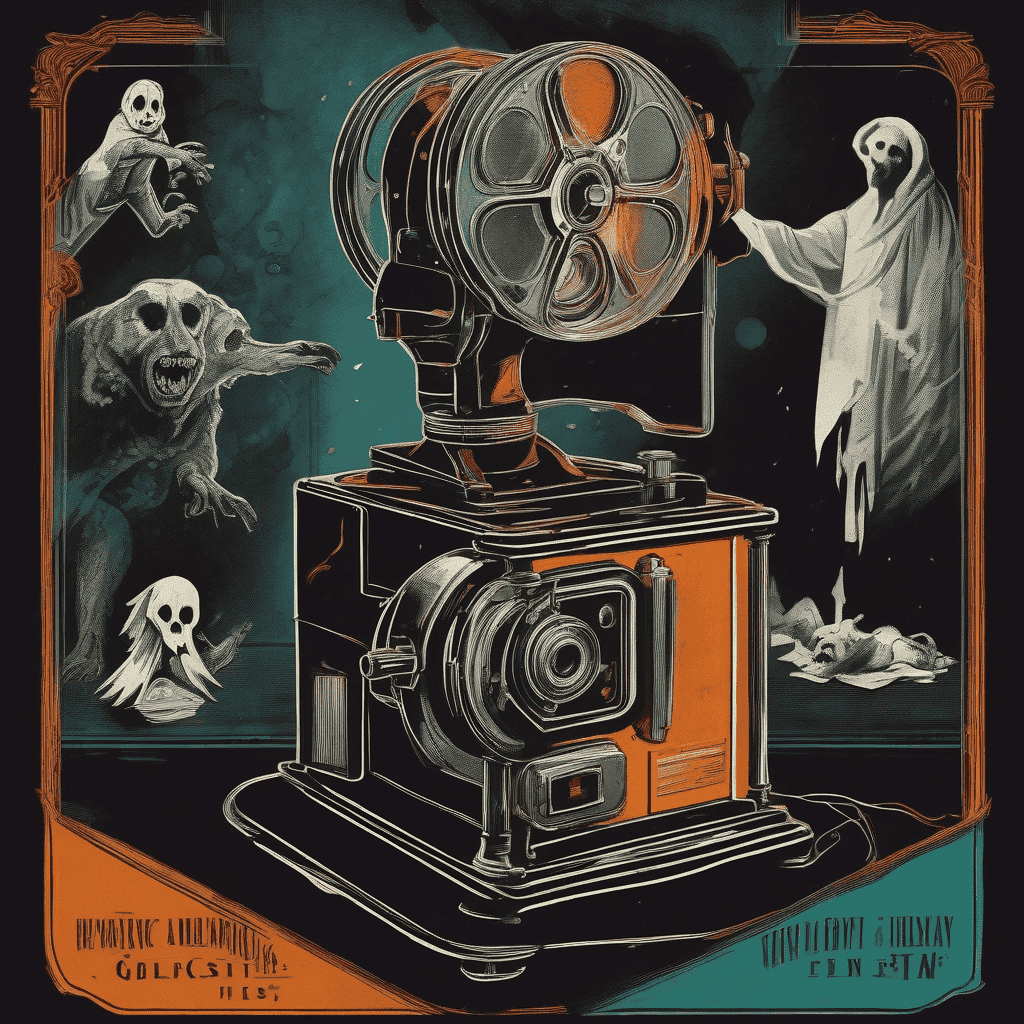
“Discover how the transgressive narratives and experimental genre-bending of the 1920s laid the foundation for modern cult cinema's most obsessive fandoms.”
The genesis of cult cinema is often erroneously relegated to the neon-soaked midnight screenings of the 1970s. However, to truly understand the magnetism of the unconventional, one must peer through the flickering nitrate of the early 1920s. This era was a crucible of narrative experimentation, where the boundaries of genre were not yet set in stone, and the seeds of niche obsession were planted in the fertile ground of the silent screen. From the gothic dread of The Hound of the Baskervilles (1921) to the meta-cinematic absurdity of Nutt Stuff, the early century provided a blueprint for the transgressive, the bizarre, and the fiercely beloved outliers that define the cult aesthetic today.
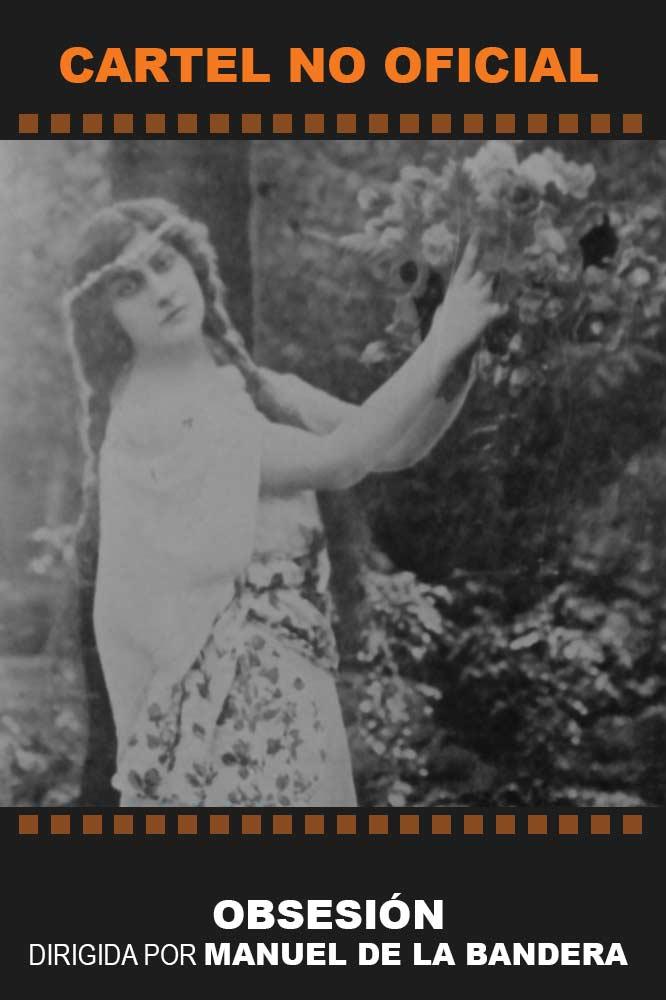
The Architecture of Obsession: Why 1921 Defined the Cult Soul
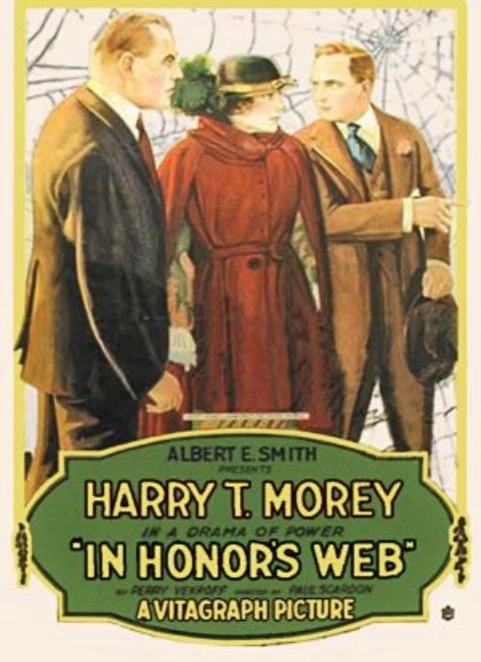
Cult cinema thrives on the 'other'—the films that exist outside the polished machinery of the mainstream. In the early 1920s, the film industry was still a wild frontier. Directors were grappling with the power of visual storytelling, often stumbling into surreal or disturbing territories that would later become hallmarks of the midnight movie. Consider the psychological depth of In Honor's Web or the intricate mystery of The Mystery of the Yellow Room. These weren't just stories; they were puzzles that demanded a different kind of viewership—a precursor to the obsessive fan who watches a film twenty times to decode its hidden meanings.
Gothic Foundations and the Horror of the Unknown
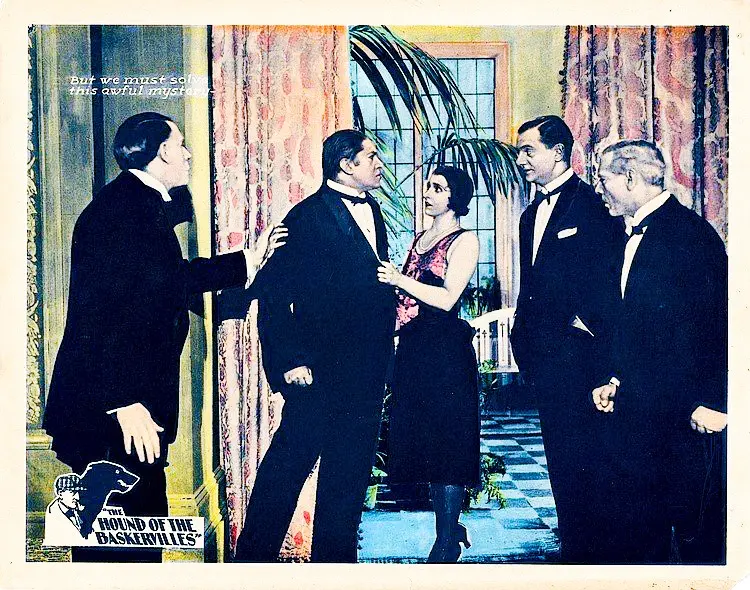
The roots of the horror cult are deeply embedded in the silent era's fascination with the macabre. The Hound of the Baskervilles (1921) is a prime example of how atmospheric dread was cultivated before the advent of sound. The demonic dog prowling the bogs near the estate created a visceral sense of terror that transcended the technical limitations of the time. Similarly, The Isle of the Dead, inspired by the painting by Böcklin, utilized a visual language of symbolism and shadows to explore the conflict between good and evil. This 'visual-first' approach to horror is exactly what draws modern audiences to silent-era cult classics; the lack of dialogue forces a deeper, more primal engagement with the imagery.
Transgressive Rhythms: Breaking the Moral Code
Long before the Hays Code attempted to sanitize the screen, early cinema explored themes that were remarkably bold. Melissa of the Hills delved into the violent feuds of the Tennessee hills, while The Toll of the Sea offered a heartbreaking, fantasy-tinged look at cross-cultural romance and the heavy price of social expectation. These films didn't shy away from tragedy or moral ambiguity. In Empty Arms, the narrative tackles the primal fear of childbirth and maternal mortality, a subject that remains heavy and transgressive even by modern standards. It is this raw, unfiltered honesty that allows these films to resonate with cult audiences who seek out stories that the mainstream often ignores.
The Meta-Cinematic Spark: Early Industry Satire
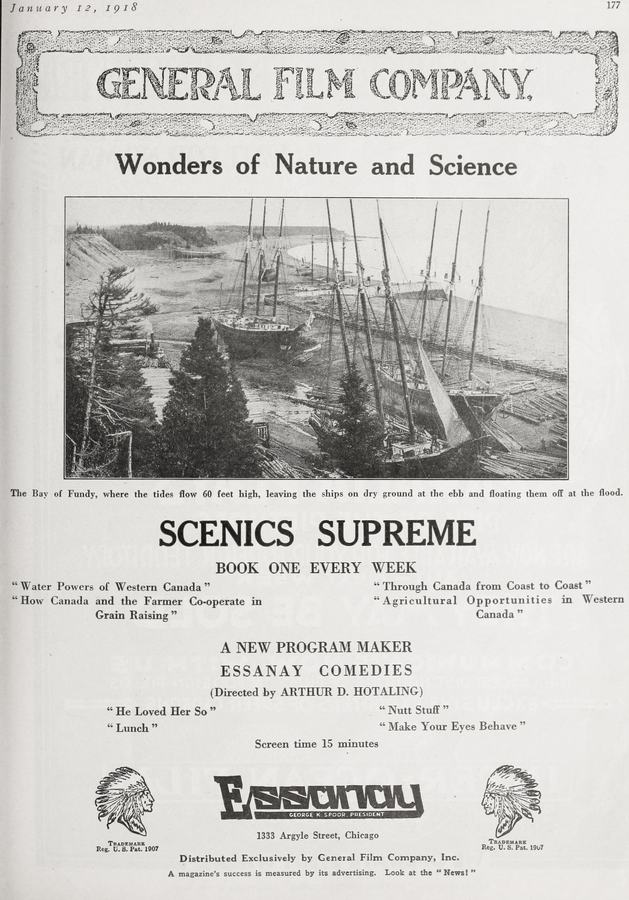
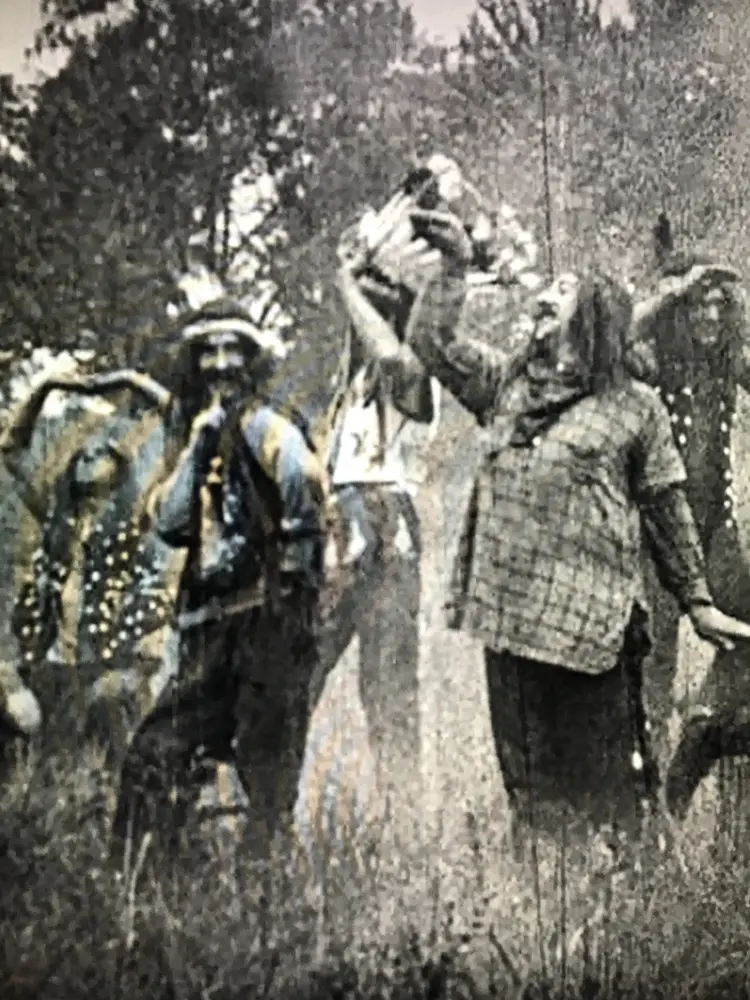
One of the most fascinating aspects of cult cinema is its tendency to look inward. Nutt Stuff is a remarkable early example of meta-cinema, featuring a director who stages a melodrama on credit, only to have the resulting film be as chaotic as its production. This self-referential humor is a direct ancestor to films like The Room or Ed Wood, where the process of creation becomes part of the cult legend. It invites the audience into a secret joke, a shared understanding of the absurdity of the medium itself. When we look at Hard Luck (1921), we see the early genius of physical comedy and the surreal logic that would later influence everything from the French New Wave to the Coen Brothers.
Identity, Masks, and the Double Life
The theme of the 'double' or the hidden identity is a recurring motif in cult-favored narratives. Bonds of Honor, with its story of twin brothers and a search for redemption amidst treason, explores the duality of the human spirit. The Master Mind takes this a step further, presenting a diabolical scheme of revenge orchestrated by a defense attorney. These films tap into a universal fascination with what lies beneath the surface. The 'masked' protagonist, whether literal or metaphorical, creates a sense of mystery that sustains long-term interest. Even in a western like Western Speed, the protagonist's adopted name and secret past serve as a narrative hook that keeps the audience guessing.
The Global Reach of the Silent Underground
Cult cinema has never been a purely American phenomenon. The 1920s saw a vibrant exchange of ideas across borders. Hasta después de muerta, an Argentine production, blended comedy and drama in a long flashback format that challenged traditional linear storytelling. In Denmark, Vor fælles Ven (an adaptation of Dickens) showcased the sophisticated narrative techniques of Nordisk Film. These international outliers prove that the 'cult' impulse—the desire for stories that are aesthetically or narratively unique—is a global constant. Whether it's the Italian street dancer's rise and fall in From Gutter to Footlights or the Australian bushranger's violent end in Dan Morgan, these films captured specific cultural anxieties while speaking to universal themes of ambition and tragedy.
Genre Anarchy: When Detectives Meet the Occult
The early 1920s didn't just respect genre boundaries; it gleefully blurred them. The Trail of the Octopus is a masterpiece of early genre-mashing, combining criminology with a 'cursed' trademark and nine daggers. This kind of 'kitchen-sink' storytelling is exactly what makes a film a cult candidate. It’s too weird for the general public, but perfect for the viewer who loves a narrative that refuses to be categorized. Similarly, The Grim Game showcased amazing powers of escape and pursuit, turning a murder mystery into a high-stakes spectacle of physical prowess. These films were the 'blockbusters' of their day, but their idiosyncratic execution has preserved them as objects of fascination for the modern cinephile.
Social Misfits and the Gospel of the Outcast
At its heart, cult cinema is the cinema of the outcast. The Dancing Girl features a Quaker girl thrust into the spendthrift world of London nobility, while The Hired Man explores the quiet ambition of a laborer in love with his employer's daughter. These stories of class struggle and social displacement resonate with the 'disenfranchised' audience that typically forms a cult following. The Poor Boob, with its self-effacing protagonist who eventually finds his way in the big city, is a classic underdog story that predates the modern 'loser-hero' trope found in so many cult favorites. Even Tansy, which deals with an orphan shepherdess evicted for 'suspected immorality,' highlights the cruelty of social judgment—a theme that cult cinema often seeks to dismantle.
The Spectacle of the Bizarre: From Bullfights to Sky Patrols
Sometimes, the cult appeal lies in the sheer spectacle of the unexpected. Mud and Sand, a parody of the bullfighting craze, used comedy and adventure to satirize national heroism. Washington's Sky Patrol brought the thrill of the air to the screen, capturing the technological awe of the era. These films provided a window into worlds the average viewer would never see, fulfilling a desire for escapism that remains a core driver of niche film fandom. Whether it's the high-stakes drama of Reputation (1921) or the swashbuckling adventure of Dick Turpin's Ride to York, the early 20th century understood that cinema was, above all, a medium of wonder.
Nitrate Resurrection: Why We Still Watch
Why do we return to these flickering shadows? It isn't just nostalgia. It's the recognition of a shared DNA. The filmmakers of 1921 were the original mavericks, working without a safety net and creating a visual language from scratch. When we watch The Fire Eater or False Evidence, we aren't just seeing old movies; we are witnessing the birth of the tropes, the archetypes, and the narrative risks that would eventually coalesce into the cult cinema movement. These films represent a time when the screen was a place of infinite possibility, where a 'hot dog' vendor (A Million for Mary) or a revivalist (Up from the Depths) could be the center of a cinematic universe.
Conclusion: The Eternal Flicker
The journey from the fringe to the pantheon is a long one, but it begins with a single, daring frame. The 50 films discussed here are more than just historical artifacts; they are the ancestors of every midnight movie ever screened. They taught us how to obsess, how to look closer, and how to find beauty in the unconventional. As we continue to unearth these lost reels, we find that the 'cult' was never a modern invention—it was always there, waiting in the dark, illuminated by the primal glow of the silent screen. The next time you find yourself at a midnight screening, remember the 9 daggers of the octopus and the demonic hound of the bogs; they are the ghosts that still haunt our cinematic dreams.
Community
Comments
Log in to comment.
Loading comments…