
Cult Cinema
The Alchemical Fringe: How Early Cinema’s Misfit Experiments Forged the Modern Cult Religion
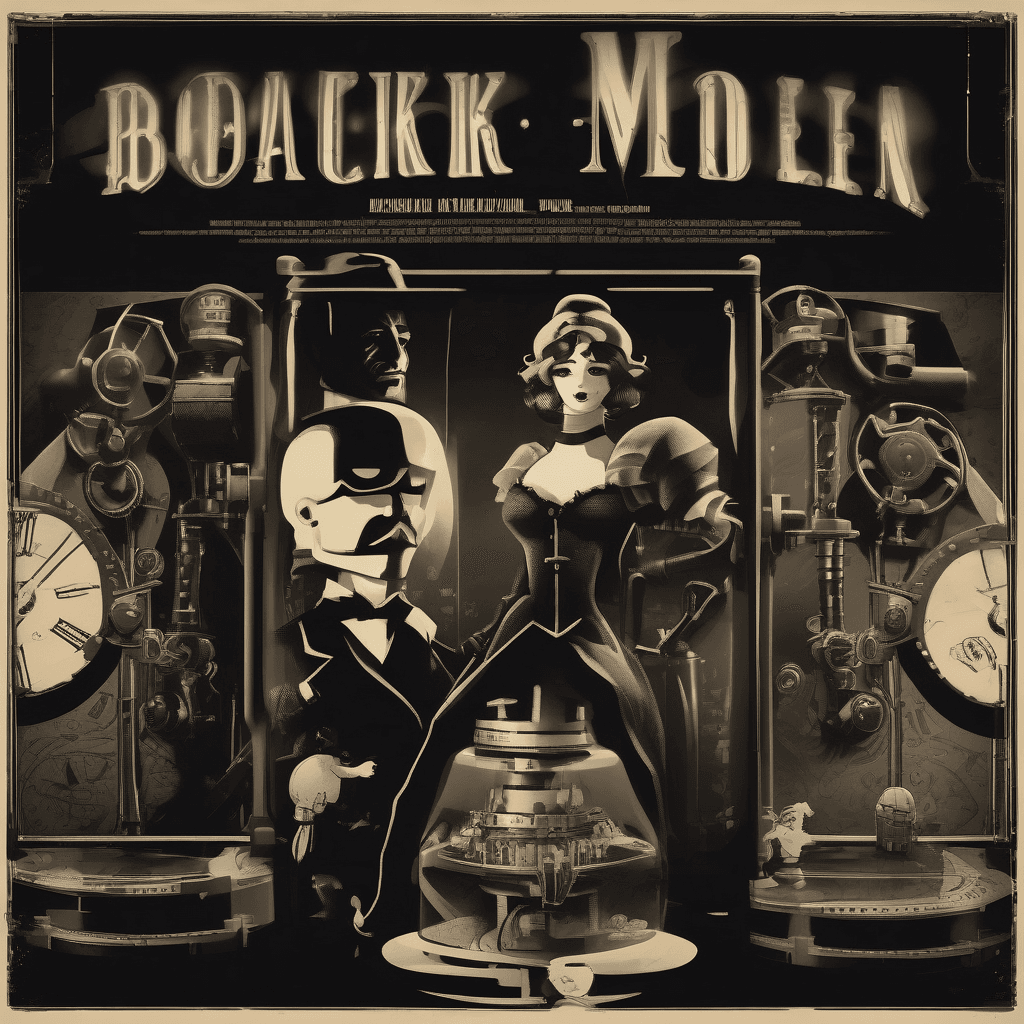
“Explore the hidden origins of cult cinema through the lens of early 20th-century outliers, from mechanical dolls to pirate-obsessed pearl divers.”
The history of cinema is often written by the victors—the blockbusters, the Academy Award winners, and the films that defined national identities. Yet, beneath the polished surface of the mainstream marquee lies a darker, more eccentric current: the world of cult cinema. This is a realm where the misfit, the anomaly, and the misunderstood reign supreme. While the term "cult film" is often associated with the midnight movie madness of the 1970s, the DNA of this subversive movement was actually coded into the very first decades of the celluloid medium. To understand the modern obsession with the unconventional, we must look back at the early 20th-century experiments that dared to be different, even when the world wasn't quite ready to watch.
The Surrealist Spark: From Mechanical Dolls to Life-Size Models
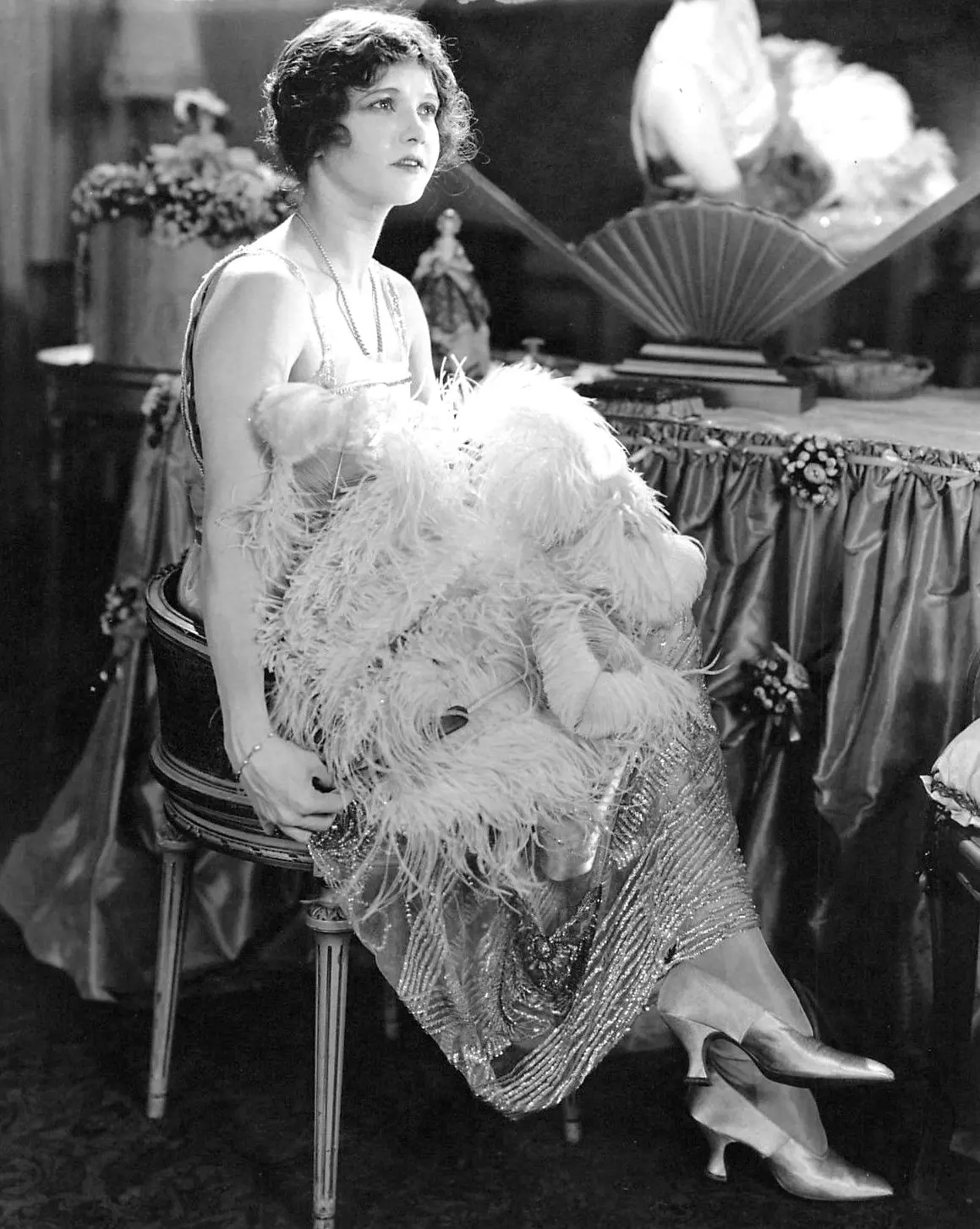
One of the defining characteristics of cult cinema is its embrace of the uncanny. In the early days of silent comedy, this often manifested as a fascination with the inanimate. Take, for instance, the 1917 short A Model Messenger. The premise—a young man joyriding with a life-size model of a lady to incite jealousy—is a direct ancestor to the surrealist comedies that would later populate the cult canon. It touches on a specific type of social absurdity that challenges the viewer's perception of reality. Similarly, Dolly Does Her Bit (1918) features a mechanical doll dressed in a Red Cross costume. These films weren't just simple amusements; they were early explorations of the "uncanny valley," a space where the line between human and object blurs, creating a lingering, slightly uncomfortable fascination that is the hallmark of cult devotion.
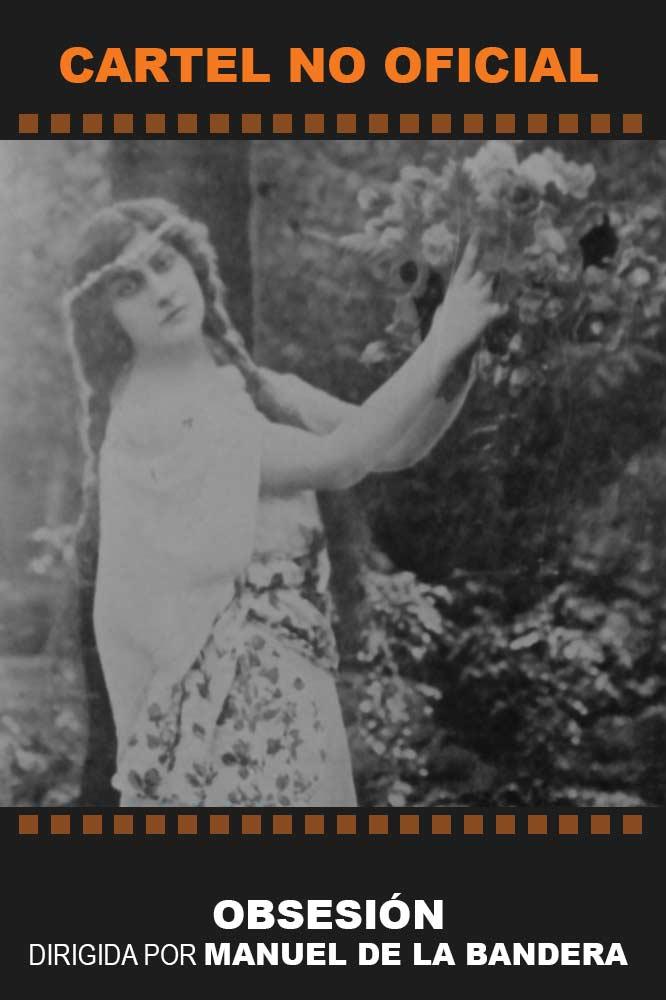
This trend of the "artificial human" continued with All Dolled Up (1921), where a department store cashier saves a spinster heiress from a swindler. The recurring motif of dolls and mannequins in early cinema suggests a primal interest in the manipulation of identity—a theme that would later reach its zenith in cult classics like The Rocky Horror Picture Show. These early filmmakers were, perhaps unintentionally, laying the groundwork for a cinematic language that prioritized the strange and the symbolic over the strictly naturalistic.
The Outlaw Archetype: Crime, Counterfeiters, and the Anti-Hero
Cult cinema has always had a love affair with the criminal underworld. The figure of the anti-hero—someone who operates on the fringes of morality—is essential to the genre. Early examples like The Hand of Peril (1916) introduced audiences to the high-stakes world of government agents and master counterfeiters. Here, the tension isn't just about catching the villain; it's about the technical mastery of the crime itself. The fascination with the "head of the gang" like Frank Lambert mirrors the way cult audiences would later idolize the charismatic villains of noir and pulp fiction.
The 1914 masterpiece Fantômas: The False Magistrate represents the pinnacle of this early criminal worship. Fantômas is the ultimate cult figure: a master of disguise, a murderer, and a man who evades capture with supernatural ease. By the time he is sentenced to life in Belgium and escapes back to France, he has become more than a character; he is a force of narrative anarchy. This archetype of the elusive, sophisticated criminal is echoed in The Lone Wolf's Daughter (1919), where auction houses and stolen Corot landscapes provide the backdrop for a story of hidden letters and exiled royalty. These films proved that audiences were hungry for stories where the law was merely a suggestion and the shadows held more allure than the light.

The Western Rebel and the Bargain of Redemption
The American West provided another fertile ground for the birth of the cult ethos. The Bargain (1914) gave us Jim Stokes, a bandit who wants to go straight for love. His deal with the sheriff for freedom is a classic trope, but in the hands of early mavericks, it became a study in the moral gray area. Cult films thrive in this gray area, where the protagonist's virtues are as compromised as their vices. This is further explored in M'Liss (1918), where a feisty girl in a mining camp must save her teacher from a lynching. These aren't just adventure stories; they are narratives about community outcasts fighting against a system that doesn't understand them—the very definition of the cult experience.
Global Deviants: International Roots of the Unusual
Cult cinema is a global phenomenon, and its roots are deeply international. From the Danish drama Hjertestorme (1916), which explores the psychological fallout of a blind woman regaining her sight and falling for her surgeon, to the Norwegian Nidelvia, early international cinema was unafraid of melodrama and emotional excess. These films often dealt with themes of obsession and betrayal that resonated far beyond their borders. In Germany, films like Die Tragödie auf Schloss Rottersheim and Bismarck (1914) utilized historical and gothic settings to create atmospheres of dread and destiny—elements that would later be synthesized into the cult horror and historical epic genres.
Perhaps most intriguing is the short film Tiannu san hua (1917), based on a traditional Peking Opera. This intersection of ancient theatrical tradition and the new medium of film created a visual style that was inherently "other." For Western audiences or even contemporary Chinese viewers, the stylized movements and operatic intensity offered a form of aesthetic escapism that is a core component of cult appreciation. Cult fans don't just watch a movie; they inhabit a world, and Tiannu san hua provided a blueprint for how cinema could preserve and transform cultural rituals into something new and strange.
The Psychology of Obsession: The Millionaire Pirate and Beyond
If there is one film from the provided context that perfectly encapsulates the cult mindset, it is The Millionaire Pirate (1919). The story of Joe, a pearl diver who becomes so obsessed with a portrait of himself as a pirate that he cannot take his eyes from it, is a profound metaphor for the cult viewer. We see ourselves reflected in the strange, the exaggerated, and the fictional. Joe’s obsession is the viewer's obsession; the painting is the screen. This meta-narrative about the power of the image to consume the soul is a recurring theme in the history of fringe cinema.
This internal psychological struggle is also present in Lille Teddy (1915), where a happy family life is destroyed by a father’s infatuation with a circus rider. The circus—a classic cult setting—represents the intrusion of the exotic and the dangerous into the mundane. Whether it is the gambling houses of His Debt (1919) or the feuding clans of Judith of the Cumberlands (1916), early cinema was obsessed with the moment when a character's internal desires forced them to break with society. This rupture is where the cult film lives.
Genre-Bending and the Narrative Anomaly
Cult films often defy easy categorization, a trait they inherited from early "anomalies." Consider The Deuce of Spades (1922), which blends drama and comedy as a Boston beanery owner tries to make his fortune in the West. Or The Misleading Lady (1920), where a stage-struck society girl meets an engineer recently returned from South Africa. These films frequently shifted tones, moving from slapstick to high stakes in a single reel. This narrative flexibility is something that mainstream Hollywood eventually ironed out, but it remained a staple of the underground. When we watch a contemporary cult film that refuses to stick to one genre, we are seeing the ghost of these early, unclassifiable experiments.
Conclusion: The Eternal Return of the Outcast
From the satirical heights of Skinner's Baby (1917) to the gritty realism of Dice of Destiny (1920), early cinema was a laboratory of the unusual. Films like The Garter Girl (1920) and The Follies Girl (1919) explored the disillusionment of the stage, while Through the Back Door (1921) used comedy to tackle the trauma of war and immigration. These stories were often relegated to the margins as the industry consolidated into a few major studios, yet they never truly disappeared.
The fans who seek out these "forgotten" reels are the modern-day equivalents of the characters within them—the seekers, the dreamers, and the rebels. We gather in the dark to watch The World, the Flesh and the Devil (1914) or The Secret of Eve (1917) not just because they are old, but because they possess a raw, unpolished energy that modern blockbusters often lack. Cult cinema is the preservation of the misfit spirit, a reminder that the most interesting stories are often the ones that were never meant to be told to everyone. As long as there are filmmakers willing to capture the strange and audiences willing to obsess over it, the alchemical fringe of cinema will continue to burn bright, illuminating the shadows of our collective imagination.
Community
Comments
Log in to comment.
Loading comments…