
DbcultAccessing Vault...
Cult Cinema
Archivist John
Senior Editor
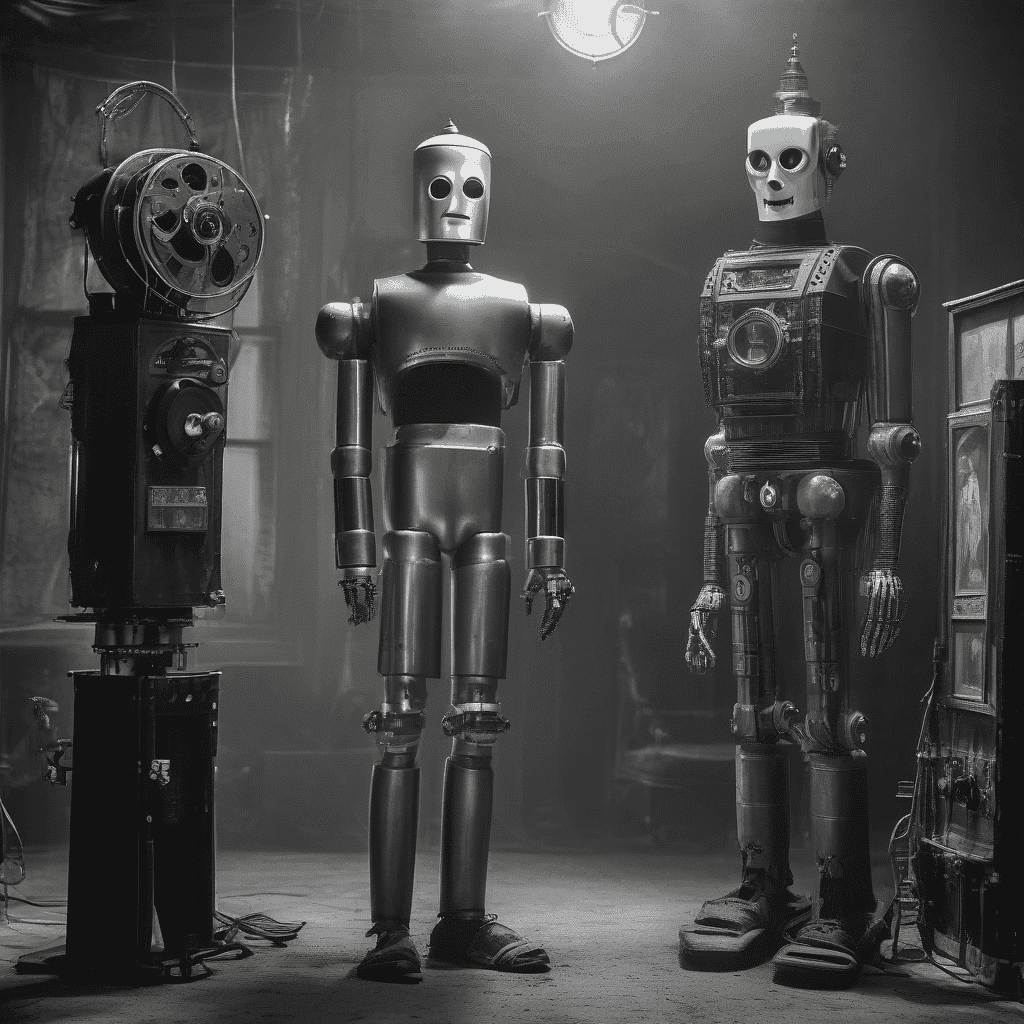
To the modern cinephile, the term cult cinema conjures images of midnight screenings, neon-drenched subcultures, and the transgressive energy of the 1970s and 80s. However, the genetic code of the cult gaze was not written in the era of VHS; it was forged in the flickering, volatile nitrate of the 1910s. Long before the term 'midnight movie' entered the lexicon, a series of cinematic anomalies, genre-bending experiments, and moral provocations were already establishing the rituals of niche devotion. These films, often relegated to the dusty basements of film history, represent the primal pulse of the fringe—a time when the rules of the medium were still being written and then immediately broken by mavericks and outcasts.
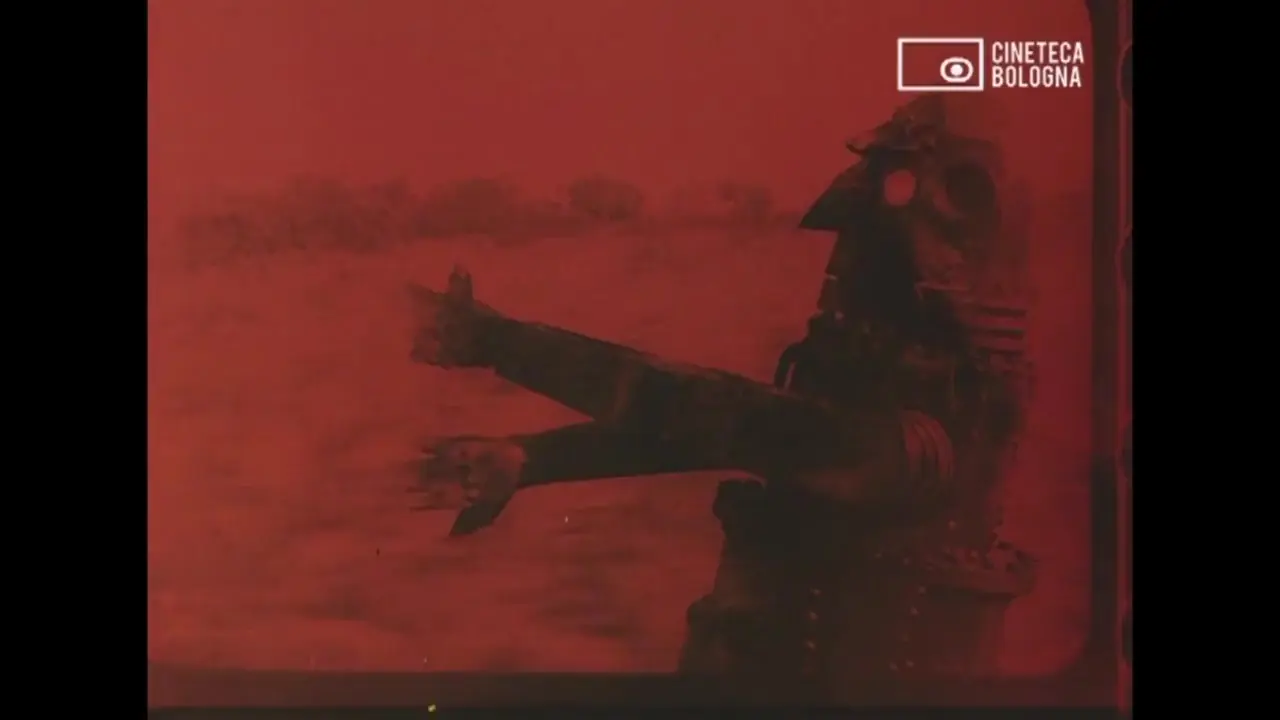
One cannot discuss the roots of cult obsession without acknowledging the birth of the cinematic 'other.' In the 1921 Italian short The Mechanical Man (Il uomo meccanico), we see a proto-cybernetic nightmare that would haunt the collective subconscious for a century. This film, featuring a remote-controlled metal giant, didn't just invent the robot on screen; it established the cult trope of the 'technological monster.' The visceral thrill of watching a scientist lose control of his creation provided a template for the sci-fi horror hybrids that would later define the cult canon. It is a film that exists on the boundary of comedy and terror, a tonal ambiguity that is the hallmark of any true cult masterpiece.
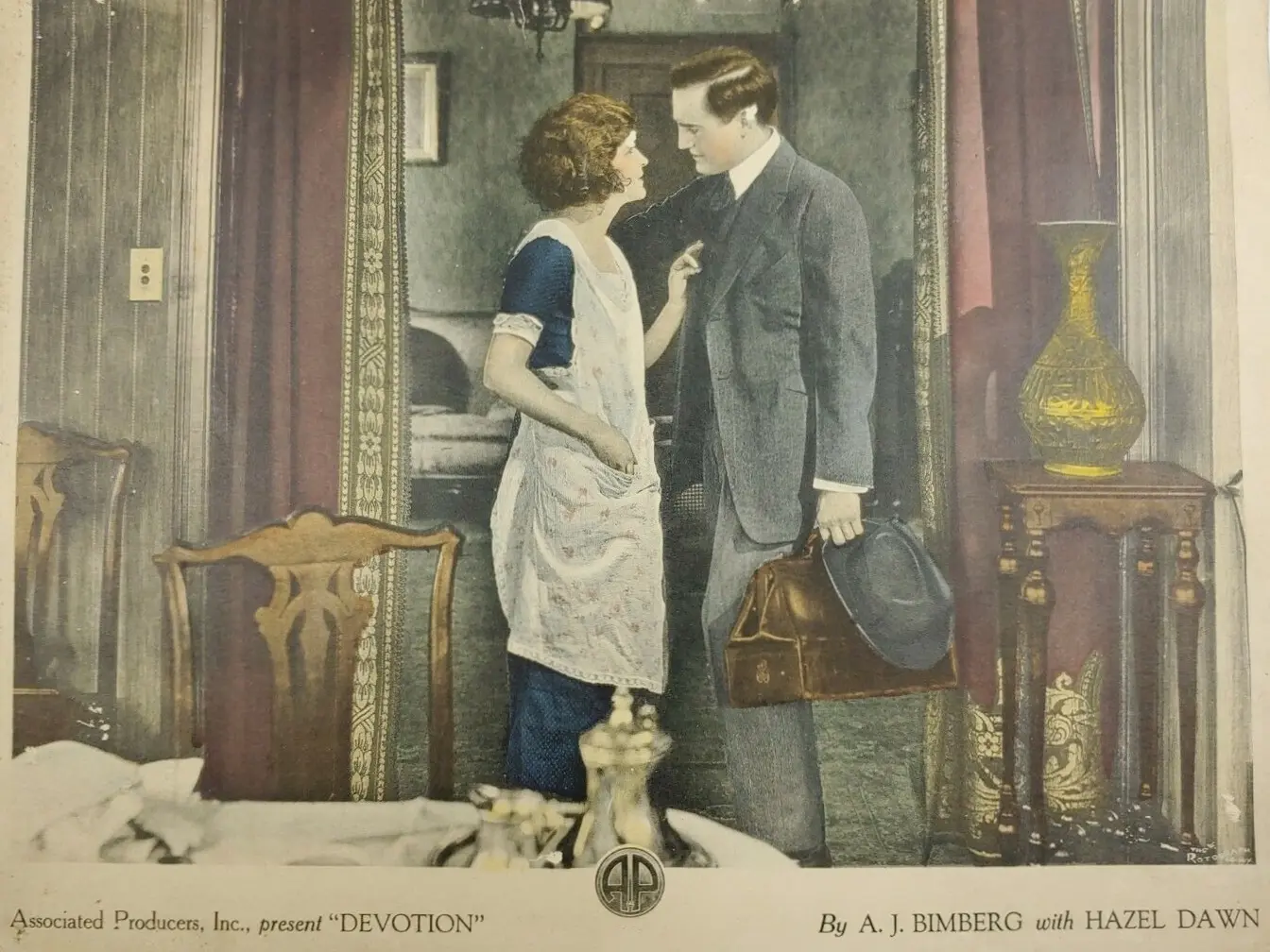
Similarly, the 1916 serial The Yellow Menace, specifically episode one, 'The Higher Power,' tapped into the era's pulp anxieties. By introducing Ali Singh—a fanatical, brilliant, and brutal scientist—the film created an archetype of the 'mad genius' that fans would obsess over. These early depictions of the fringe scientist and the mechanical beast provided the aesthetic and thematic foundation for a century of underground sci-fi, proving that the 1910s were far more experimental than mainstream history suggests.
Cult cinema thrives on the iconic, the masked, and the monstrous. Long before the slasher films of the 80s, the silent era was perfecting the art of the spectral antagonist. The 1916 British production Ultus, the Man from the Dead is a quintessential example of the 'revenge from the grave' trope that would become a staple of midnight movies. Ultus, a man left for dead who returns to exact vengeance on a scheming partner, is the spiritual ancestor of characters like Eric Draven or Jason Voorhees. The obsession with the revenant—the figure who refuses to stay dead—is a core tenet of cult devotion, representing a rebellion against the finality of mortality.
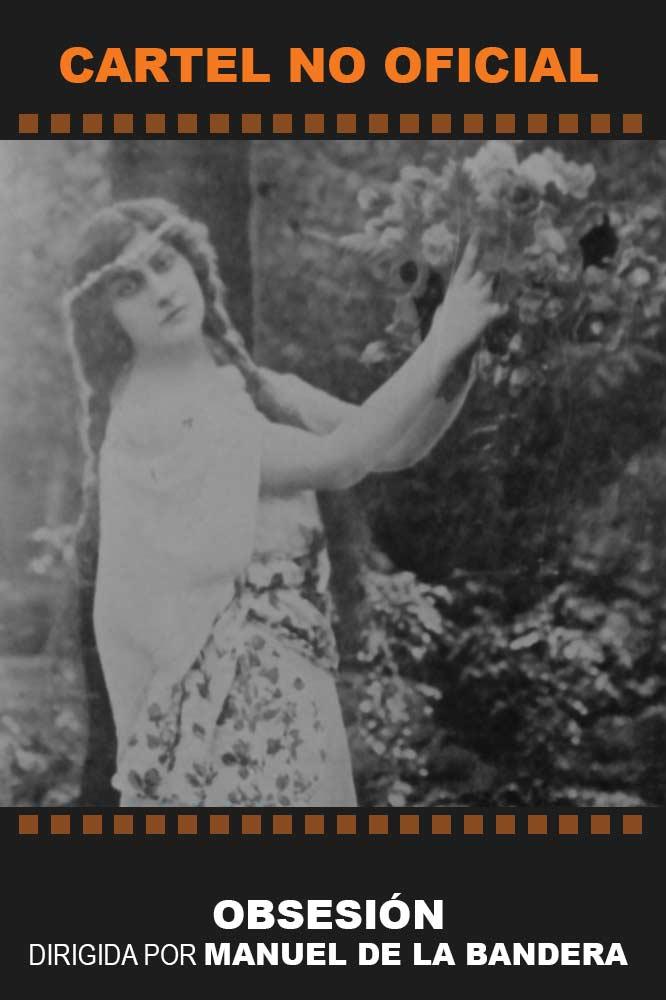
This lineage continues through the 1916 German masterpiece Das Phantom der Oper. While many are familiar with later adaptations, this early foray into the Paris Opera House’s subterranean depths established the 'phantom' as a cult deity. The idea of the disfigured genius hiding in the shadows, obsessed with a beautiful singer, resonated with audiences who felt like outsiders themselves. The phantom is the ultimate cult figure: misunderstood, grotesque, yet undeniably magnetic. This film, along with the eerie atmosphere of Beyond the Wall, where a city-dweller inherits a haunted estate, laid the groundwork for the 'dark house' mysteries and gothic horrors that would sustain the midnight movie circuit for decades.
If cult cinema is defined by its willingness to confront the 'forbidden,' then the 1910s were its most radical laboratory. Films like Traffic in Souls (1913) shocked audiences by pulling back the curtain on urban vice. By depicting a prostitution ring run by a secret philanthropist, the film engaged in the kind of 'social exploitation' that would later become a hallmark of grindhouse cinema. It wasn't just a movie; it was a provocation, a call to witness the hidden rot beneath the surface of polite society. This same energy can be found in the 1916 drama Cocain, which dared to tackle drug addiction with a frankness that would later be suppressed by the Hays Code.
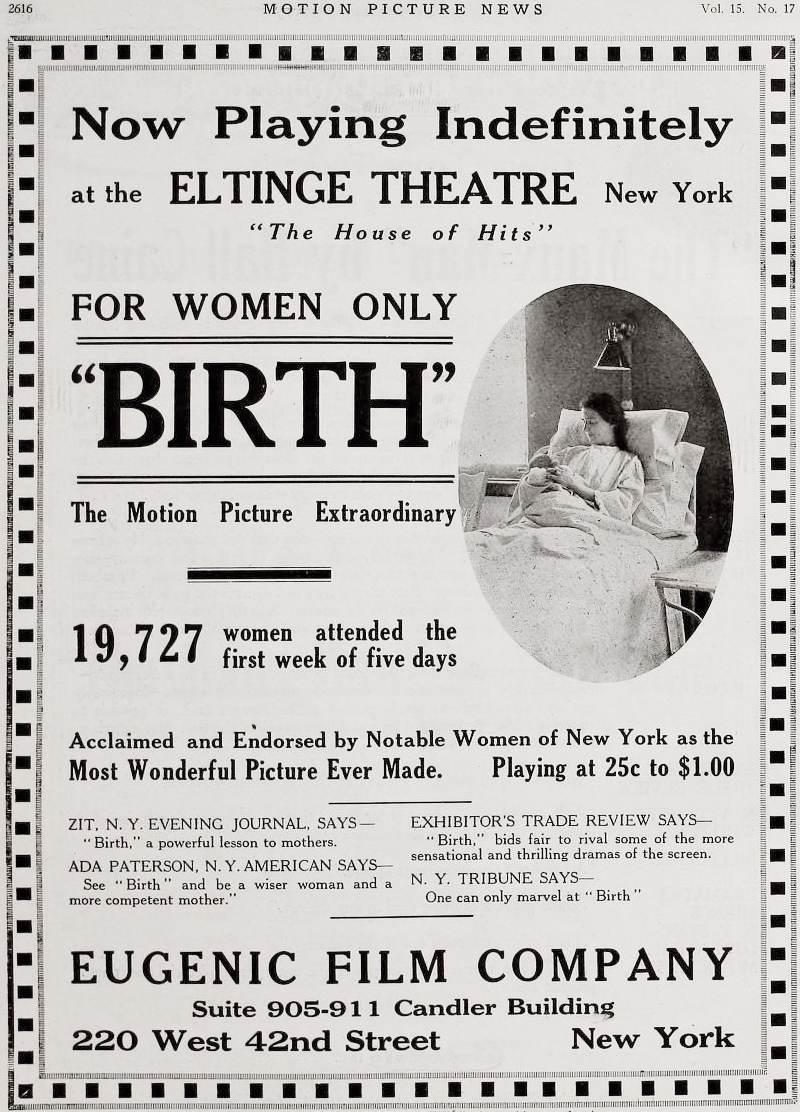
These films operated on the edge of the permissible, attracting a 'cult' of viewers who sought the unvarnished truth over sanitized Hollywood narratives. The 1917 film The Fuel of Life presents another radical departure: Angela De Haven, a woman who, after being betrayed, sets out to make all men pay. This 'female revenge' narrative prefigures the 'subversive woman' trope that would flourish in the 1970s. Angela is not a victim; she is a force of nature, a moral outlier who refuses to play by the rules of patriarchal society. In the same vein, Hail the Woman (1921) challenges the rigid, Puritanical structures of the time, celebrating the resilience of a daughter banned from her home. These stories of rebellion against social and moral norms are the lifeblood of the cult ethos.
Cult cinema has always been a sanctuary for the displaced, and the 1910s offered surprisingly nuanced explorations of identity. His Birthright (1918) tells the story of a biracial young man traveling from Japan to America to find his father. This narrative of searching for a place in a world that refuses to categorize you is a deeply 'cult' theme. It speaks to the outsider experience, the sense of being caught between two worlds. This search for origin and belonging is also mirrored in The Child of Destiny, where a girl raised in a swamp must eventually confront the 'civilized' world that awaits her.
The 1910s were a time of massive global shift, and the films of the era reflected a world in flux. His Muzzled Career and Dandy navigateur might seem like simple comedies, but they often featured characters struggling with their social status or navigating absurd bureaucratic hurdles. This sense of the individual against the system is a recurring motif in cult cinema, from the bumbling bellhops of Hop to It, Bellhop to the henpecked husband who finally asserts himself in The Dutiful Dub. These characters represent the 'everyman' as a misfit, a figure whose small rebellions against the mundane resonate with the disenfranchised.
Before the avant-garde movements of the 1920s fully took hold, the silent short was already pushing the boundaries of reality. Walt Disney’s early work, such as Kansas City Girls Are Rolling Their Own Now, showcased a raw, unpolished creativity that favored the bizarre over the beautiful. The early animation of The Sour Violin, featuring Mutt and Jeff, and the chaotic energy of A Blue Ribbon Mutt, provided a space for the grotesque and the nonsensical. In these shorts, the laws of physics were optional, and the humor was often dark and jagged.
This 'proto-surrealism' is essential to the cult gaze. It encourages the viewer to embrace the weird and the irrational. The 1920 short A Looney Honeymoon and the absurd antics in A Knockout are early examples of the 'pure cinema' of movement and mayhem. They are the ancestors of the 'weird for the sake of weird' films that populate the midnight slots of film festivals today. By stripping away the need for logical narrative, these films invited the audience to experience cinema as a dream—or a nightmare.
The thirst for the unknown—a key driver of cult fandom—was quenched by the adventure serials and mysteries of the 1910s. The Vanishing Dagger (1920) and The Raiders of Sunset Gap offered high-stakes thrills that relied on atmosphere as much as action. These films often featured exotic locales, secret societies, and impossible gadgets, creating a 'world-building' effect that modern cult fans would recognize from franchises like Star Wars or Mad Max. The 1917 film Le trésor de Kériolet transported viewers to rugged landscapes, while The Princess of Park Row mixed political intrigue with mining swindles in a way that felt both epic and intimate.
Even the more grounded dramas of the era, such as The House with the Golden Windows, contained elements of the 'secret world.' When a poor couple occupies an opulent estate during the owners' absence, they are engaging in a form of class-based roleplay that is both subversive and deeply human. This theme of 'living the lie' or 'the secret life' is a powerful cult trope, exploring the tension between our public personas and our private desires. Whether it's the gambler in The Conspiracy; or, A $4,000,000 Dowry or the novelist who loses his sight in My Unmarried Wife, these characters are defined by the secrets they keep and the lengths they will go to protect them.
The 1910s were not a primitive precursor to 'real' cinema; they were the most fertile ground for the birth of the cult movie soul. In the span of a decade, we saw the invention of the cinematic robot, the masked avenger, the social provocateur, and the surrealist prankster. Films like Die Sieger, Perdida, and Triumph des Lebens might be lost to time or rarely screened, but their influence is felt in every frame of modern underground cinema. They taught us that the screen is a place for the impossible, the forbidden, and the strange.
As we look back at the Aylwin’s of the world—where madness and landslides collide—or the Monna Vanna’s of the past, we see a mirror of our own modern obsessions. We are still drawn to the fringe, still captivated by the maverick who refuses to conform, and still searching for that 'shared secret' that only a cult film can provide. The nitrate may be fragile, but the spirit of the 1910s renegades is indestructible. They were the first to understand that cinema’s true power lies not in its ability to reflect the world, but in its power to transform it into something wonderfully, dangerously weird.