
Cult Cinema Deep Dive
The Alchemical Outcast: How the Silent Era’s Narrative Mutants and Moral Misfits Forged the Modern Cult Identity
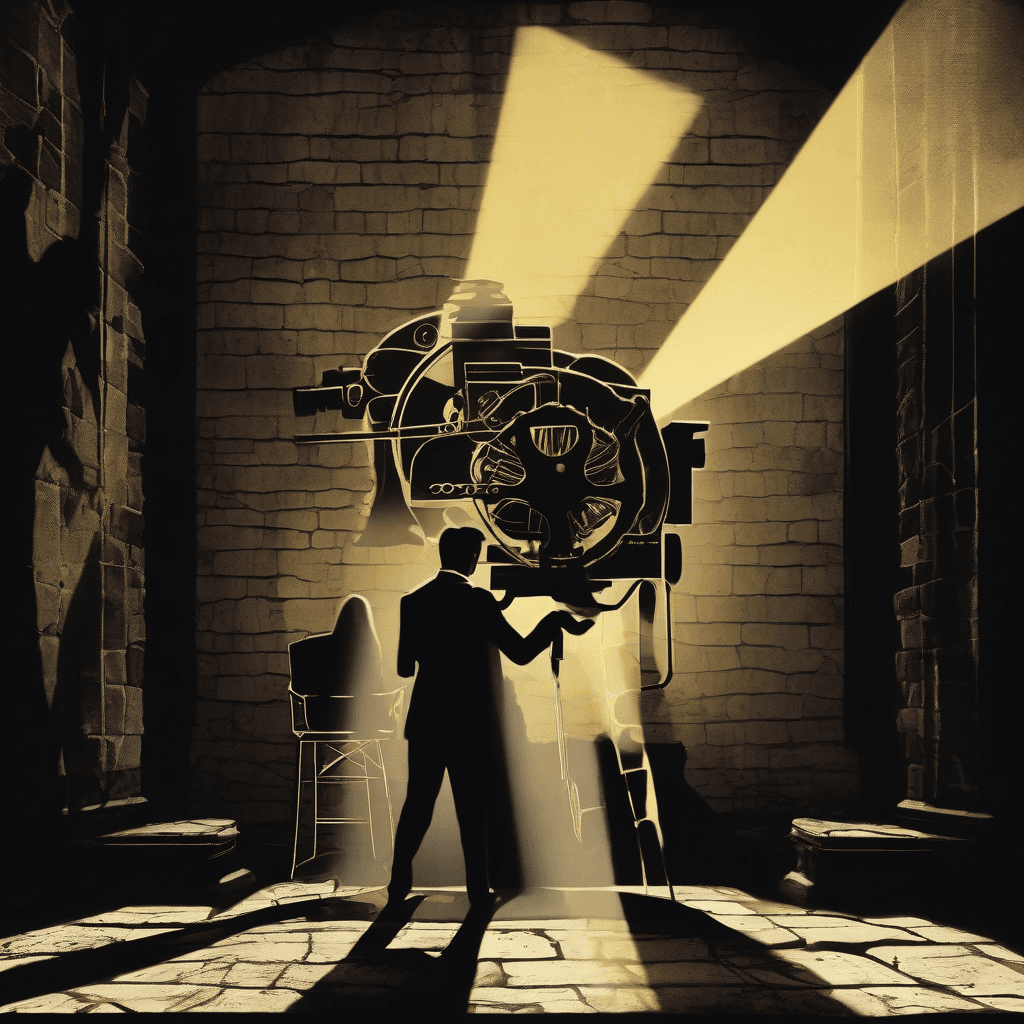
“Explore how the transgressive themes and eccentric characters of early 20th-century cinema laid the groundwork for today's most obsessive cult film followings.”
To understand the modern phenomenon of the cult movie, one must look beyond the neon-soaked midnight screenings of the 1970s and dive into the flickering shadows of the early 20th century. Before the term 'cult' was ever applied to celluloid, a breed of cinematic outcasts was already carving a niche in the collective subconscious. These were films that didn't just entertain; they unsettled, they challenged, and they spoke a secret language to those who felt like outsiders in their own lives. From the desperate shepherds of Thunder Island to the psychological haunting of Krzyk, the roots of our current obsession with the 'fringe' are buried deep in the nitrate of the silent era.
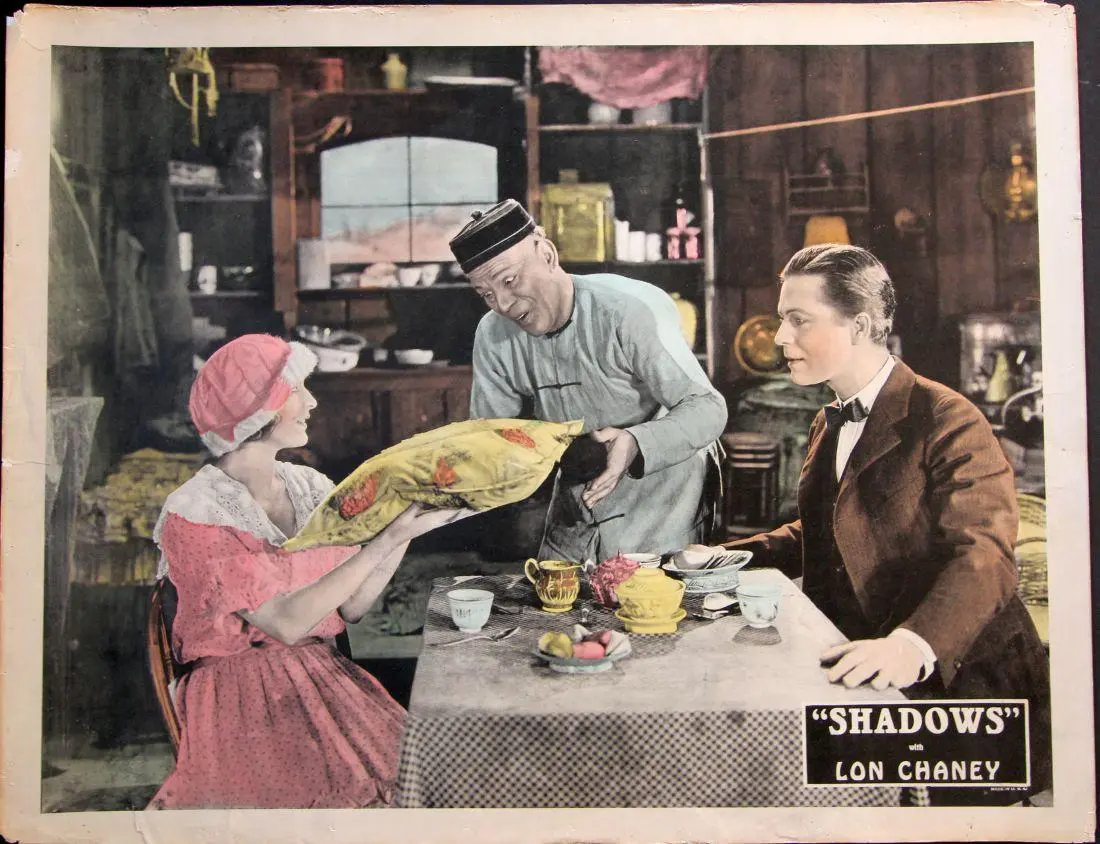
The Architecture of the Abnormal: Why We Worship the Misfit
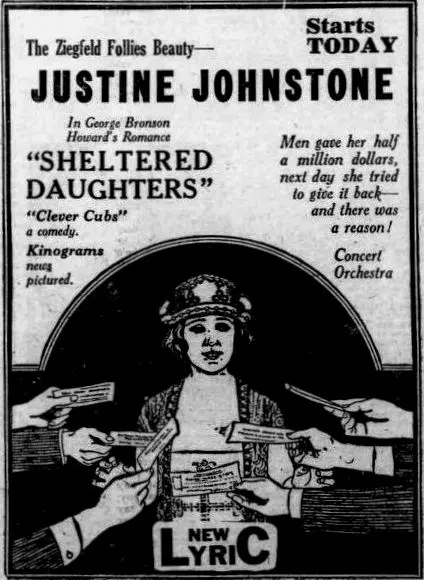
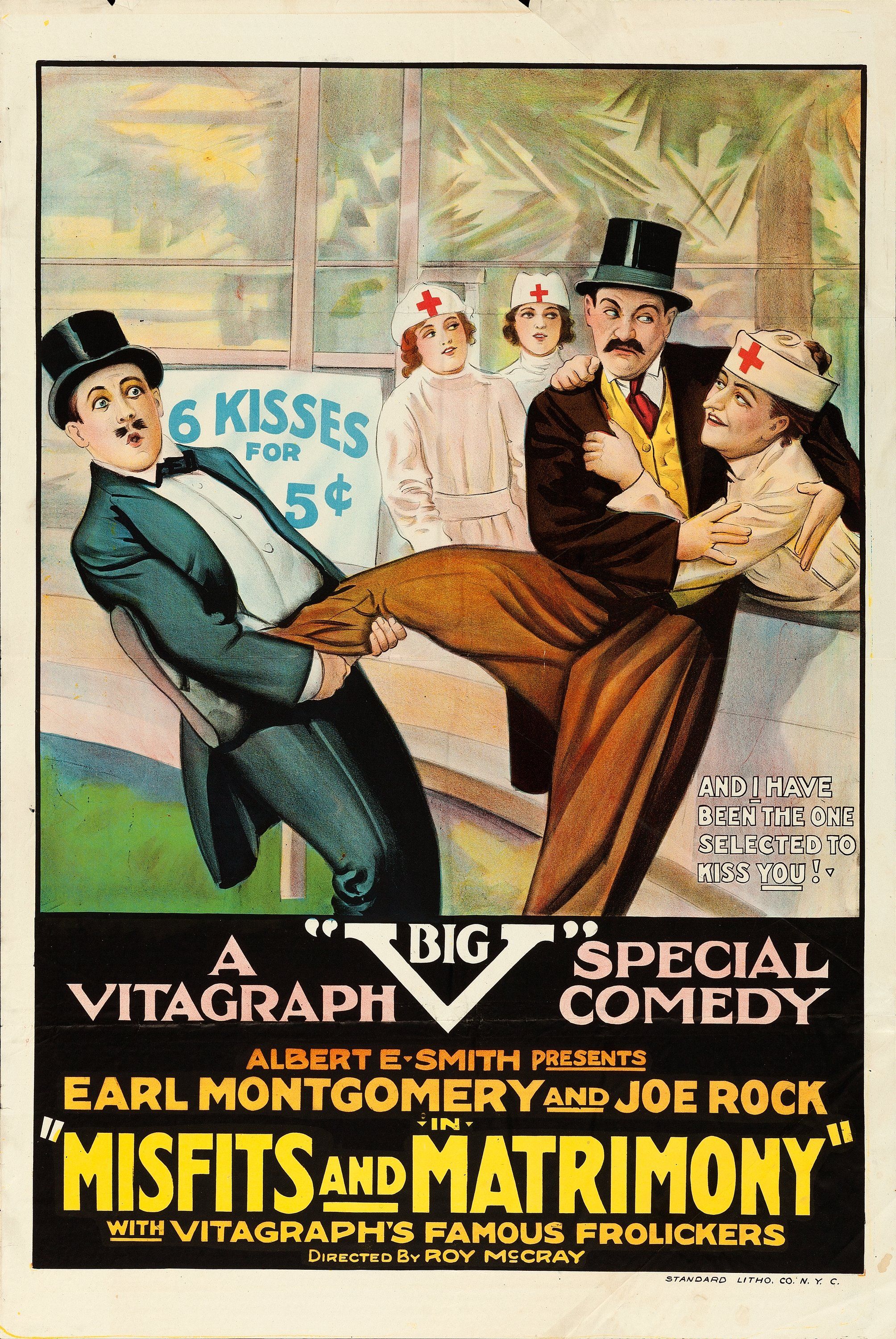
Cult cinema is rarely about perfection. Instead, it thrives on the beautifully broken. In the early 1920s, films like Sheltered Daughters explored the dissonance between the sanitized world parents create and the gritty reality of the New York streets. This tension—the gap between the expected and the experienced—is the fertile soil where cult devotion grows. When we watch a film like Misfits and Matrimony, we aren't just seeing a short comedy about a girl losing her mental balance at a Red Cross event; we are seeing a subversion of the 'happy ending' trope that dominated early commercial cinema.

This narrative dissidence is what attracts the cult follower. The mainstream demands a clear moral arc, but the cult film offers something more complex. Consider the 1920 Italian adaptation of The Monster of Frankenstein. Long before Boris Karloff became the face of the creature, these early, jagged interpretations of Shelley’s work were already tapping into the 'Otherness' that defines the genre. The monster is the ultimate misfit, a creature born of science but rejected by society, much like the films that find their home in the hearts of the few rather than the pockets of the many.

The Forbidden Gospel: Morality and the Fallen Icon
The allure of the transgressive has always been a primary driver for the midnight movie mindset. In the early days of film, the 'fallen woman' was a recurring motif that challenged the rigid Victorian morality of the time. The Eternal Magdalene presented a figure who was 'inevitable as the sunrise,' rich in spirit but poor in honor. This archetype—the woman who exists on the edges of societal acceptance—is a direct ancestor to the femme fatales and rebel heroines of modern cult classics.
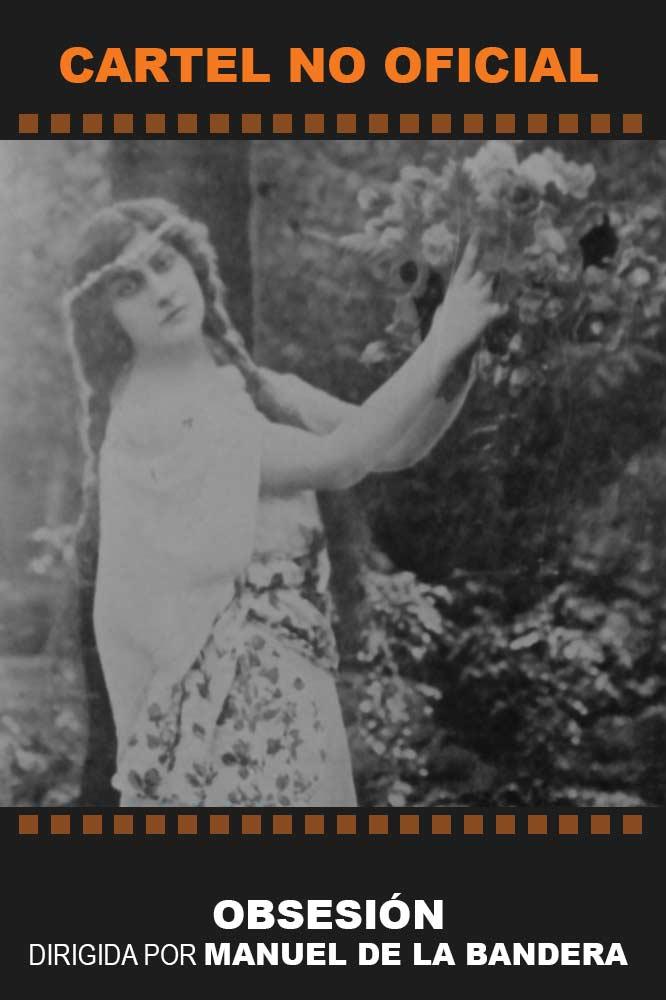
No figure embodies this better than the exotic dancer in Mata Hari. Accused of spying, she became a symbol of the dangerous, unclassifiable woman. These films didn't just tell stories; they built myths. They invited the audience to sympathize with the 'villain' or the 'outcast.' In Sweetheart of the Doomed, we see a woman whose betrayal by a man leads her to a path of revenge against an entire gender. This isn't a simple morality play; it is a raw, transgressive exploration of pain and power that predates the 'rape-revenge' or 'vigilante' subgenres that would later populate the cult circuit.
The Secret Badge: Fandom as a Ritual
One of the most fascinating aspects of cult cinema is the way it fosters a sense of community among its viewers. This isn't a new development. Even in the 1910s, films like The Fatal Wallop used the concept of a 'secret order' and a symbolic badge as a plot device. This mirrors the real-world experience of the cult film fan—the feeling of possessing a secret knowledge, a 'badge' of honor that distinguishes the initiated from the casual moviegoer.
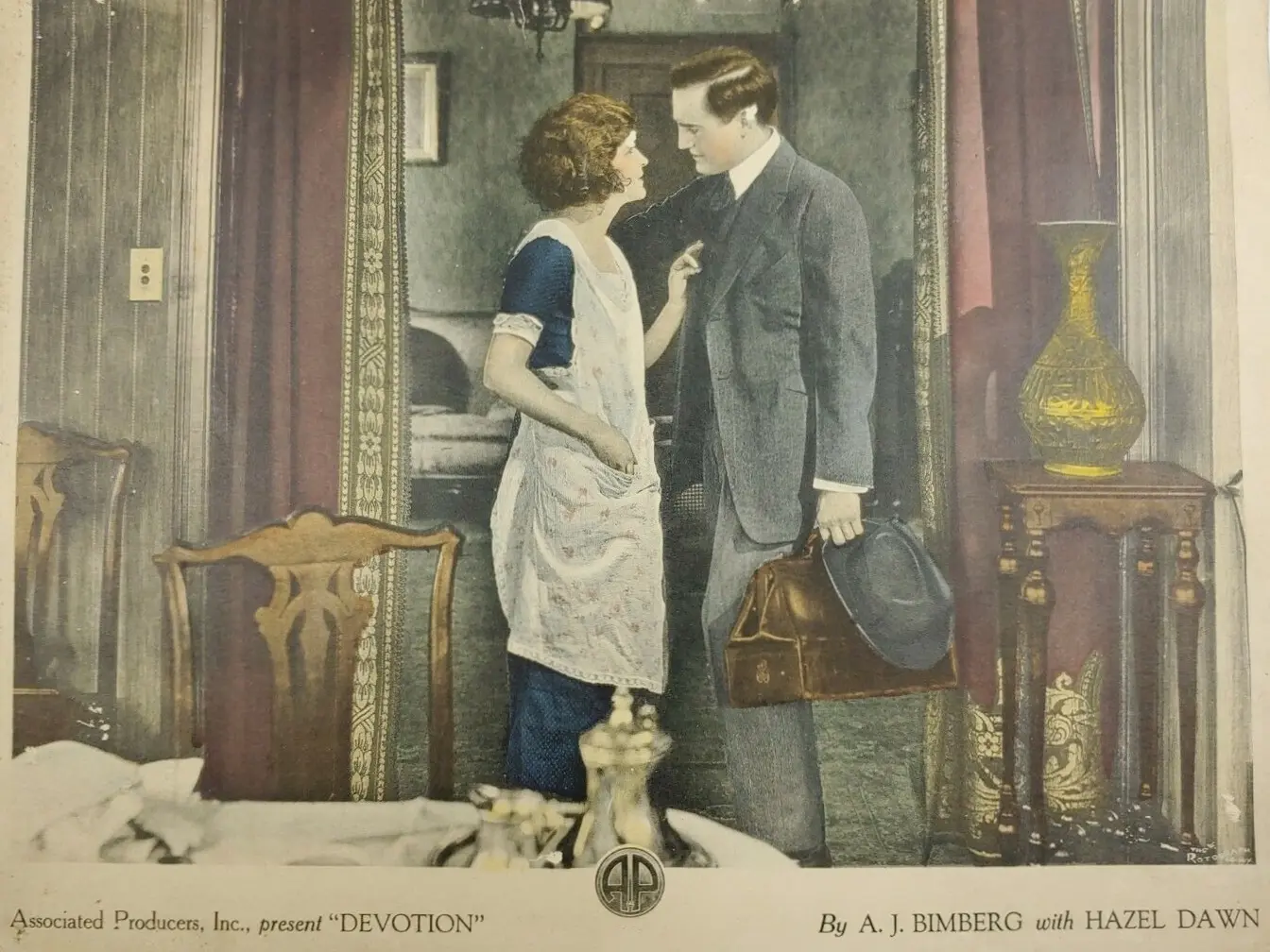
Whether it’s the 15-part serial of Beatrice Fairfax or the obsessive tracking of a biracial young man’s journey in His Birthright, these early works required a level of engagement that went beyond passive consumption. Fans would follow these narratives through multiple weeks or seek out rare screenings of international imports like the Danish Den skønne Evelyn. This devotion is the precursor to the modern 'fandom,' where the act of watching becomes a ritual of identity.
The Physicality of the Fringe: Slapstick, Danger, and the Grotesque
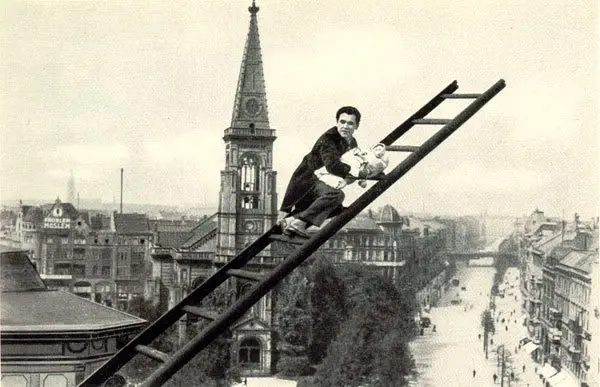
Cult cinema often leans into the visceral. In the silent era, this was achieved through death-defying stunts and the 'comedy of danger.' Harold Lloyd’s High and Dizzy, featuring a sleepwalking patient on a building ledge, is a masterclass in the kind of physical anxiety that keeps an audience on the edge of their seats. This visceral reaction—the literal 'dizziness' felt by the viewer—is a hallmark of the cult experience. We don't just watch these films; we feel them in our gut.
Similarly, the absurdity found in Now or Never or the bizarre scenarios in Is Matrimony a Failure? push the boundaries of reality. These films operate in a heightened space where the rules of the mundane world are suspended. In The Lost Bridegroom, a man suffering from aphasia is coerced into robbing his own fiancée’s home. This plot, while comedic, touches on themes of identity loss and social alienation—themes that would later be explored with much more darkness in the works of Lynch or Cronenberg.
Cultural Collisions: The Global Roots of the Underground
The early 20th century was a time of massive cultural shifts, and the cinema of the time reflected this through stories of clashing worlds. Films like Mr. Wu and A Heart in Pawn brought the 'East meets West' narrative to the screen, often through a lens of melodrama that appealed to those fascinated by the exotic and the unknown. In A Heart in Pawn, the sacrifice of a Geisha girl to fund her husband’s studies in America highlights a tragic, cross-cultural dissonance that resonates with anyone who has ever felt caught between two worlds.
This global perspective is essential to the cult DNA. Cult cinema is an international language. It is why a Polish drama like Krzyk, with its haunting 'scream' that echoes through the mind of the protagonist, can find a spiritual successor in the psychological horrors of Japanese or French cinema. The 'terrible scream' in Weryha's ears is a universal symbol of the psychological trauma that mainstream cinema often tries to resolve too neatly.
The Silent Rebels: Defying the Studio System
Long before the indie revolution of the 1990s, there were the indie mavericks of the silent era. These filmmakers were often working outside the major studio systems of their time, producing works like The Lone Wolf's Daughter or the adventurous The Mystery of the Fatal Pearl. These films were the 'pulp' of their day, filled with adventurers, stolen gems, and mysterious temples. They offered an escape into the fantastic that the prestige dramas of the era couldn't provide.
Even the early biographies, such as Theodor Herzl, der Bannerträger des jüdischen Volkes, served a specific, niche audience, providing a sense of representation and history that was often ignored by the broader market. This is the essence of the cult film—it is cinema made for a specific 'tribe.' It is the Lime Kiln Club Field Day, which featured a predominantly Black cast in a time of deep segregation, providing a space for a community to see themselves reflected on screen in a way that was both rare and revolutionary.
The Legacy of the Lost: Why We Keep Digging
Many of the films from this era are lost, partially destroyed, or exist only in the memories of film historians. This rarity adds to their cult allure. To find a copy of The Hundredth Chance or to see the Italian suicide-drama La sagra dei martiri is to unearth a hidden treasure. The cult fan is an amateur archaeologist, always digging through the 'worthless mining stock' (as seen in Old Lady 31) to find the one true gem.
The themes of Conrad in Quest of His Youth—the desire to recapture a lost time—perfectly encapsulate the cult film experience. We watch these old, flickering reels not just to see where we’ve been, but to find pieces of ourselves that the modern world has forgotten. We see the 'lazy' son in Mr. Wu or the 'bachelor daddy' in The Bachelor Daddy and we recognize the human struggle for purpose and connection.
Conclusion: The Eternal Flame of the Maverick
Cult cinema is a testament to the enduring power of the unconventional. It is a reminder that a film doesn't need a massive budget or a global marketing campaign to leave a mark. It just needs a vision that is bold enough to be different. Whether it’s the fantasy of The Flying Koffer or the gritty realism of Judgement, these early films proved that there is always an audience for the strange, the subversive, and the soulful.
As we continue to navigate the vast ocean of modern content, we should look back at the Alchemical Outcasts of the silent era. They were the original renegades, the first ones to realize that the most powerful stories are often found in the shadows, away from the bright lights of the mainstream. They are the reason we still gather in the dark, waiting for the flicker of the screen to show us something we’ve never seen before—and something we will never forget.
Community
Comments
Log in to comment.
Loading comments…