
Cult Cinema Deep Dive
The Alchemical Outlier: Decoding the Primal Magnetism and Transgressive Soul of Cinema’s Earliest Genre Rebels
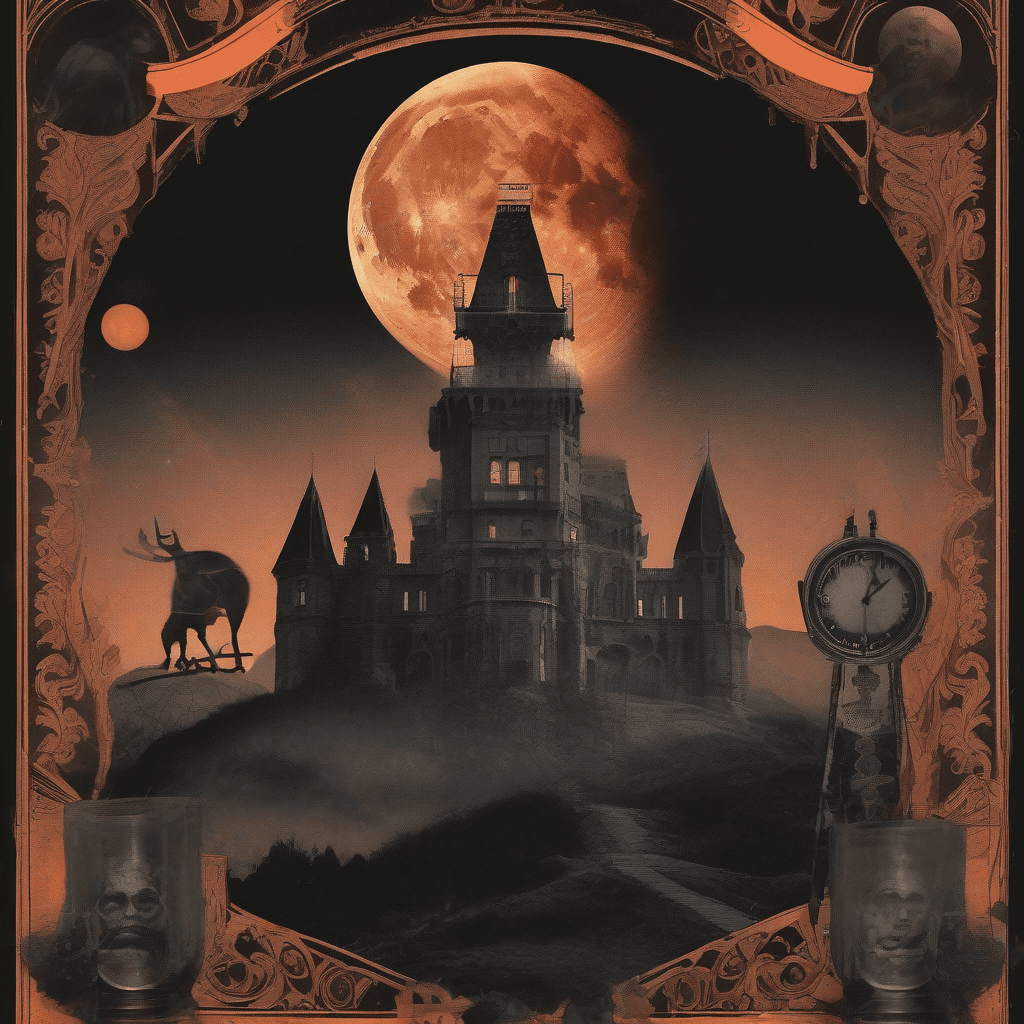
“Explore the forgotten roots of cult cinema through the prism of silent-era oddities and transgressive narratives that defined the midnight movie aesthetic decades before it had a name.”
The concept of the "cult film" is often framed as a mid-century phenomenon—a byproduct of the 1970s midnight movie circuit and the subsequent home video revolution. However, the genetic material of cinematic rebellion was spliced into the celluloid long before the term was ever coined. To understand the enduring allure of the unconventional, we must look back at the alchemical outliers of the early 20th century: the films that defied easy classification, the stories that prioritized obsession over accessibility, and the narratives that dared to dwell in the shadows of moral ambiguity.
The Supernatural Spark: Invisibility and Haunted Castles
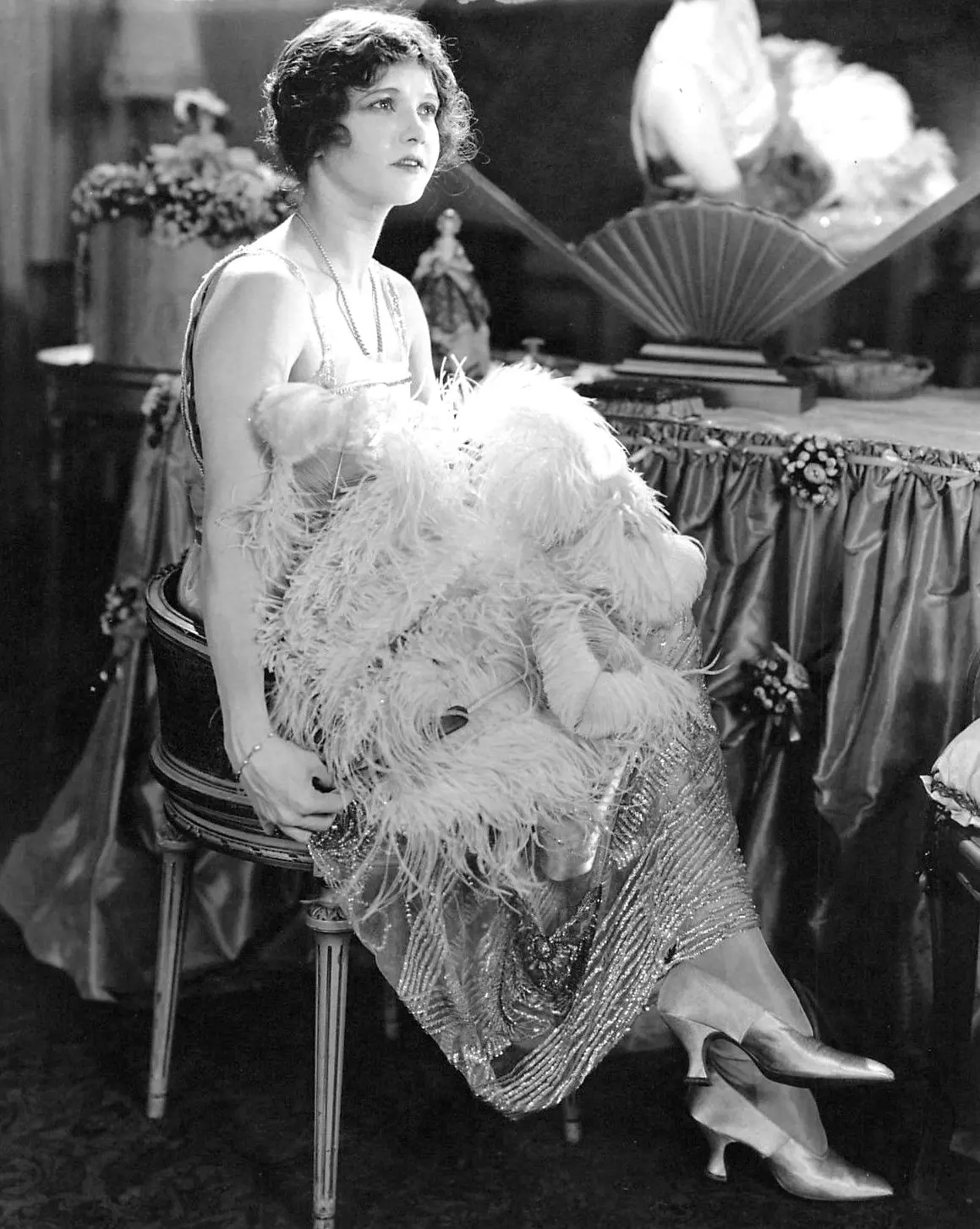
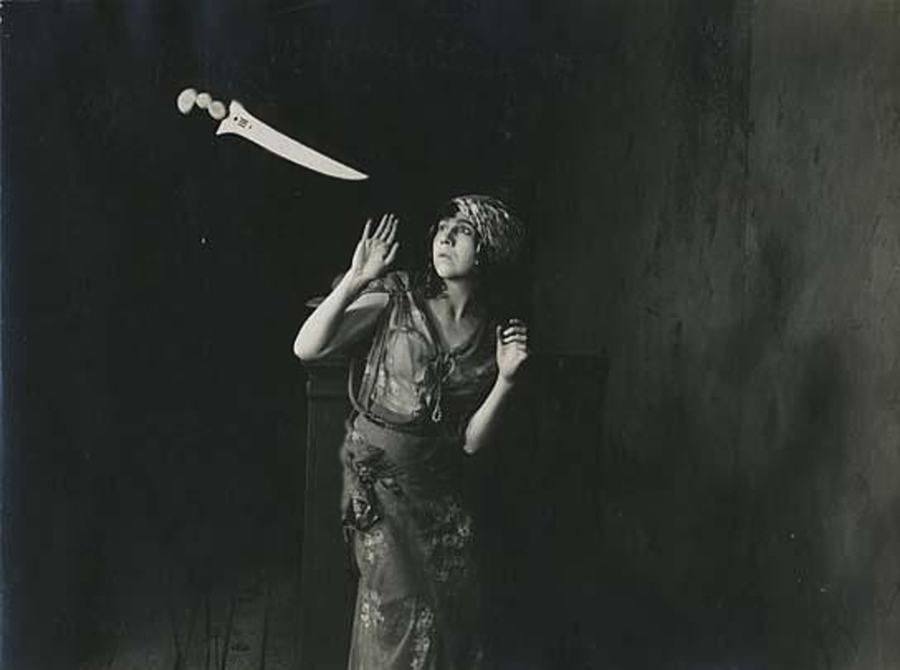
Cult cinema has always had a symbiotic relationship with the supernatural. In the silent era, filmmakers utilized the medium's inherent ghostliness to explore themes that felt truly otherworldly. Take, for instance, the 1916 German oddity Der Yoghi. This film, centered on an Indian mystic who uses the power of invisibility to haunt a young inventor, serves as a primordial blueprint for the "weird fiction" that would later dominate cult circles. It wasn't just about the trick photography; it was about the subversion of reality itself.
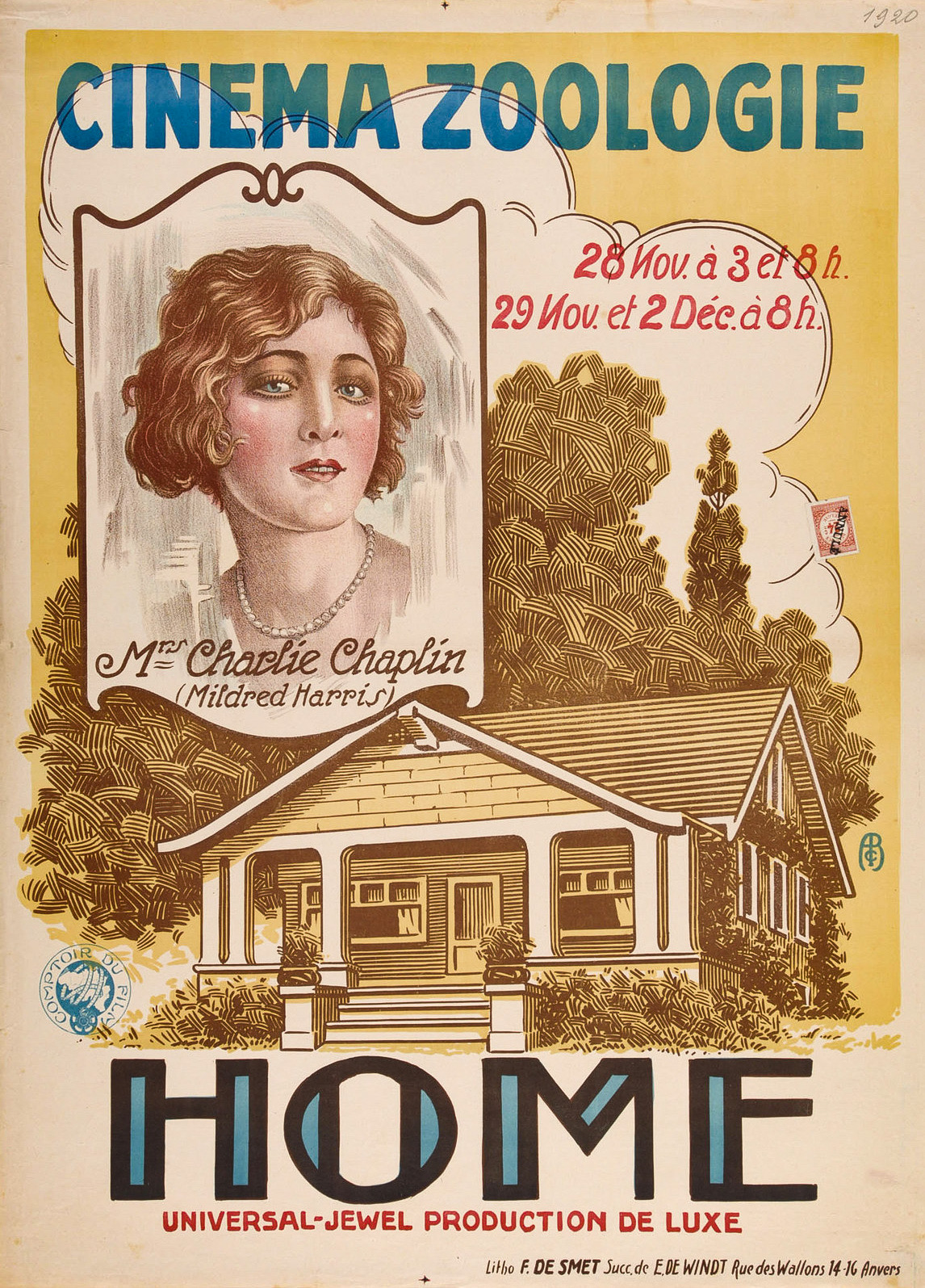
Similarly, the 1919 production The Phantom Honeymoon offers a fascinating look at the intersection of skepticism and the paranormal. When a paranormal skeptic and his two nieces visit a haunted castle inhabited by a mystical caretaker, the narrative treads the line between gothic horror and surrealist inquiry. These early experiments in atmosphere over plot are the direct ancestors of the atmospheric dread found in modern cult classics. They established that cinema could be a vessel for the inexplicable, a place where the rational world dissolves into a flickering nightmare.
Taboo and Transgression: The Moral Misfits
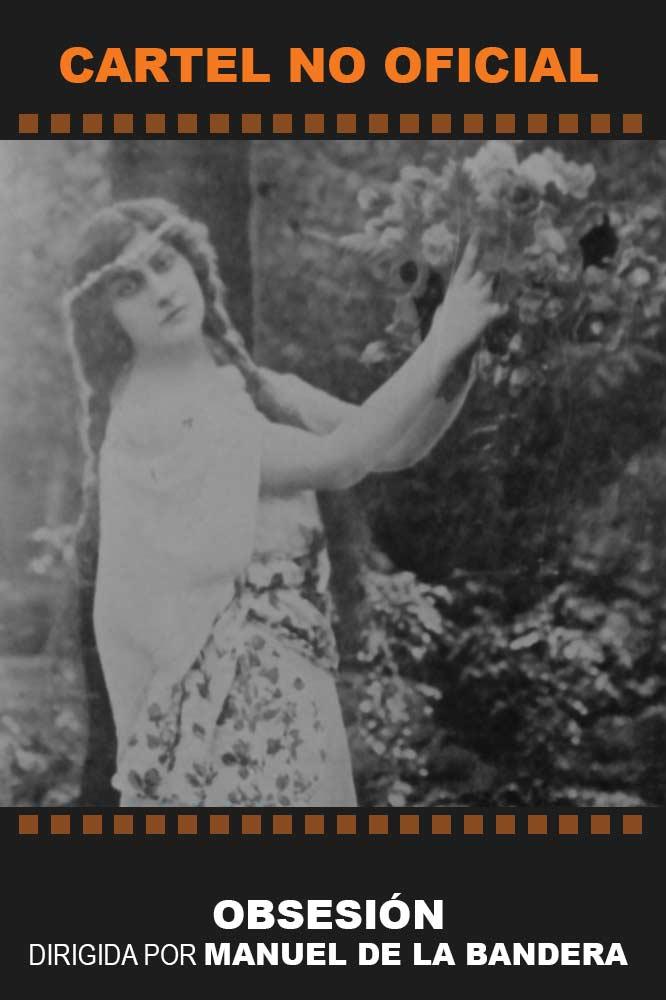
If there is one defining characteristic of cult cinema, it is its willingness to touch the untouchable. Long before the ratings boards and the Hays Code fully tightened their grip, early cinema was a wild west of moral experimentation. The film Damaged Goods (1914) is a seminal example. Billed as a stirring plea for a pure life, it navigated the "terrible consequences of vice" with a frankness that shocked contemporary audiences. By depicting the physical ruin that follows the abuse of moral law, it became a transgressive landmark, proving that cinema could be used as a social bludgeon.

This transgressive spirit is also found in the Danish film Syndig Kærlighed (Sinful Love) and the stark drama of Salvage (1921). In the latter, a mother leaves her husband after being told her baby died, only to find herself living in a tenement opposite a woman whose husband is in prison. These films explored the gritty, often ugly realities of human existence—poverty, infidelity, and despair—with a raw intensity that mainstream studio fare typically avoided. They spoke to the "outcast" experience, creating a space for viewers who felt alienated by the sanitized versions of life presented in more commercial works.
The Surrealist Surge: Reincarnation Dogs and Talking Rats
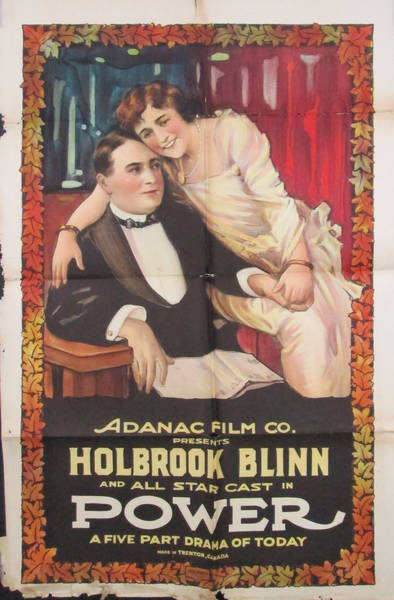
The cult aesthetic often thrives on a sense of the absurd, and the early silent era was rife with surrealist flourishes that seem remarkably modern in their eccentricity. Brownie, the Peacemaker (1917) presents a premise that would feel right at home in a contemporary indie dark comedy: a heroine lavishes affection on a dog she believes to be her reincarnated husband. This blend of pathos and the patently ridiculous is a hallmark of the cult sensibility.
Animation, too, provided a fertile ground for the bizarre. Felix Turns the Tide (1922) sees Felix the Cat enlisting as a soldier after rats declare war on cats. The visual logic of these early shorts—where physics is a suggestion and the world is infinitely malleable—paved the way for the psychedelic and underground animation of the late 20th century. Even the simple dreamscapes of Down the Mississippi (1924), where siblings dream of Huckleberry Finn-esque adventures, capture a sense of childlike wonder that borders on the hallucinatory.
The Misfit as Hero: From Quixote to the Outlaw
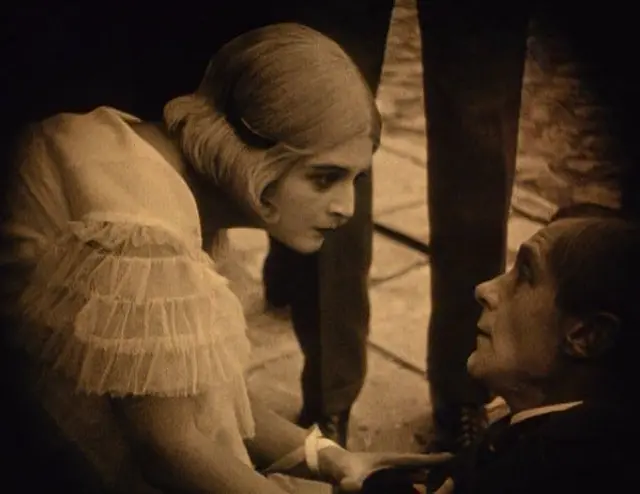
The cult film often centers on the "other"—the character who cannot, or will not, fit into society's rigid structures. The 1915 adaptation of Don Quixote is perhaps the ultimate archetype of this. A muddle-minded old idealist whose mind is unbalanced by reading about knight errantry, Quixote is the original cult hero: a man living in a reality of his own making, ridiculed by the masses but revered by those who understand his quest.
We see this same DNA in films like A Rogue's Romance (1919), where a master thief baffles the Parisian police while mingling with the aristocracy, and The Mask (1921), featuring twin brothers—one respectable, one wayward—caught in a web of diamond mine intrigue. These characters exist on the periphery of the law and social norms, embodying a rebellious spirit that resonates with the cult audience's desire for narrative anarchy.
The Urban Nightmare and the Lure of the City
Many early cult-adjacent films focused on the corrosive nature of the city versus the purity of the country, a theme that would later evolve into the "urban decay" subgenre of cult cinema. Mary Ellen Comes to Town (1920) and The Old Homestead (1915) both explore the "simple country girl/boy" being taken advantage of by "unscrupulous city-slickers." These films tapped into a collective anxiety about modernization and the loss of innocence.
In Hush Money (1921), a wealthy banker’s daughter injures a newsboy and attempts to cover it up to avoid embarrassment. This critique of the upper class and the moral bankruptcy of the elite provided a template for the biting social satires that would eventually populate the midnight movie screens. By exposing the rot beneath the polished surface of society, these films invited the viewer to side with the disenfranchised.
Genre Bending and the Birth of the Anomaly
Cult films are often those that refuse to stay in their lanes. The silent era was full of such genre-bending anomalies. The Submarine Eye (1917) combined industrial invention with treasure-hunting adventure, utilizing an "inverted periscope" to view the ocean floor. Soldiers of Fortune (1919) mixed mining engineering with South American revolution, while The Law of the North (1918) combined a kidnapping plot with a harrowing trek across a frozen wasteland.
These films weren't just westerns, or dramas, or adventures—they were hybrids. This refusal to adhere to a singular genre formula is precisely what makes a film a candidate for cult status. It creates a unique viewing experience that can't be replicated by standard studio output. When we look at Die Landstraße (1913), a crime drama about a murder blamed on a beggar, we see the early roots of the "wrong man" trope that would be perfected by Hitchcock and later subverted by the neo-noir cultists.
Conclusion: The Enduring Shadow of the Silent Fringe
The films of the early 20th century—from the surreal cat-wars of Felix to the invisible mystics of German expressionism—laid the groundwork for everything we now define as cult. They were the renegade reels that taught us to look for beauty in the bizarre and truth in the transgressive. Whether it was the religious fervor of Judith of Bethulia or the simple, mind-wandering rebellion of a bookkeeper in Spring Fever, these stories prioritized a singular vision over mass appeal.
As film journalists, we often focus on the blockbusters and the Oscar winners, but the true heart of cinema beats in the fringes. The 50 films discussed here—many of them forgotten by the general public—continue to exert a phantom influence on the creators of today. They are the midnight blueprints, the alchemical formulas that transformed light and shadow into something dangerous, beautiful, and eternally unconventional. To watch them today is to witness the birth of a counter-culture, one frame at a time.
Community
Comments
Log in to comment.
Loading comments…