
Cult Cinema
The Alchemical Underground: How Early Cinema’s Misfits and Melodramas Forged the Cult Movie Soul

“A deep dive into the transgressive roots of cult cinema, exploring how silent-era anomalies and fringe narratives birthed the midnight movie phenomenon.”
The term cult cinema often evokes images of midnight screenings, costumed fans, and grainy celluloid that defies the conventions of mainstream Hollywood. Yet, the DNA of this rebellious subculture was not formed in the 1970s with the rise of the Rocky Horror Picture Show or the grindhouse era. Instead, the true genesis of the cinematic fringe lies much deeper in the history of the medium, within the flickering shadows of the silent era and the early 20th century. Here, in the experimental and often transgressive works of early pioneers, we find the first instances of narrative dissidence and moral ambiguity that would eventually define the cult aesthetic.
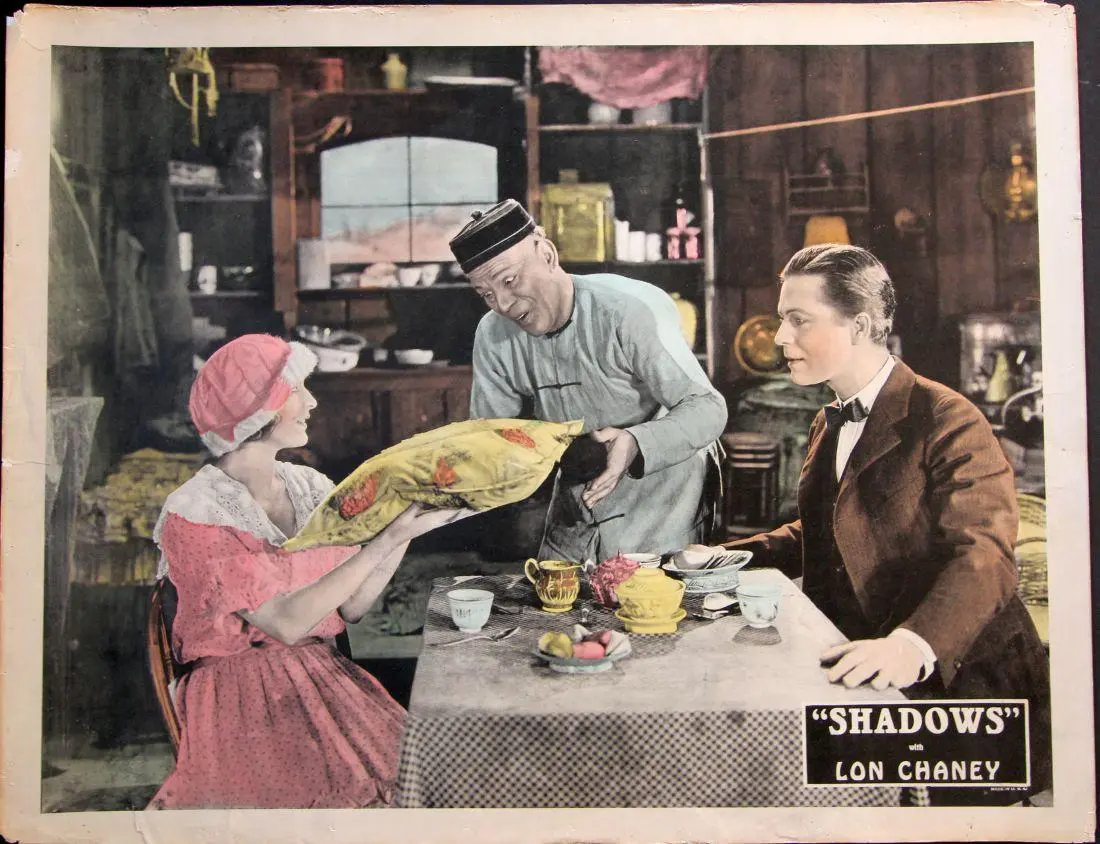
The Science of Obsession: The Protagonist as the Outsider
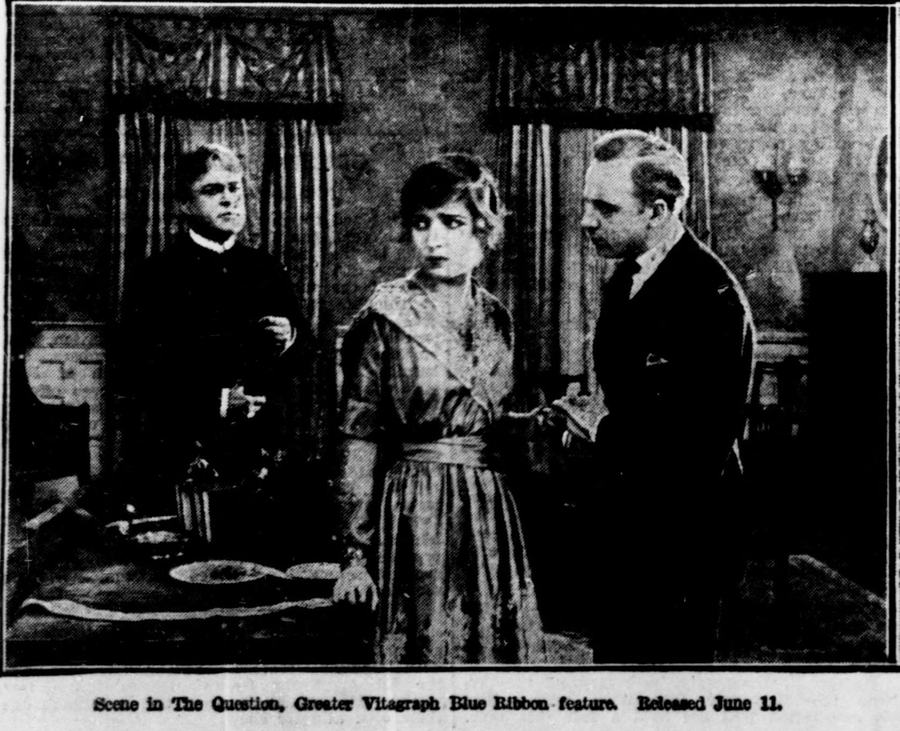
At the heart of every great cult film is a character whose obsession isolates them from society. This trope is vividly present in The Question (1917), where Dr. Rundel devotes his entire existence to a medical formula intended to revolutionize the world. His fear that a simple romance between his assistant and a local woman will impede his scientific progress mirrors the obsessive, singular focus we see in later cult icons. This narrative of the "mad scientist" or the isolated genius is a cornerstone of cult lore, representing the tension between the cold pursuit of truth and the messy reality of human emotion.
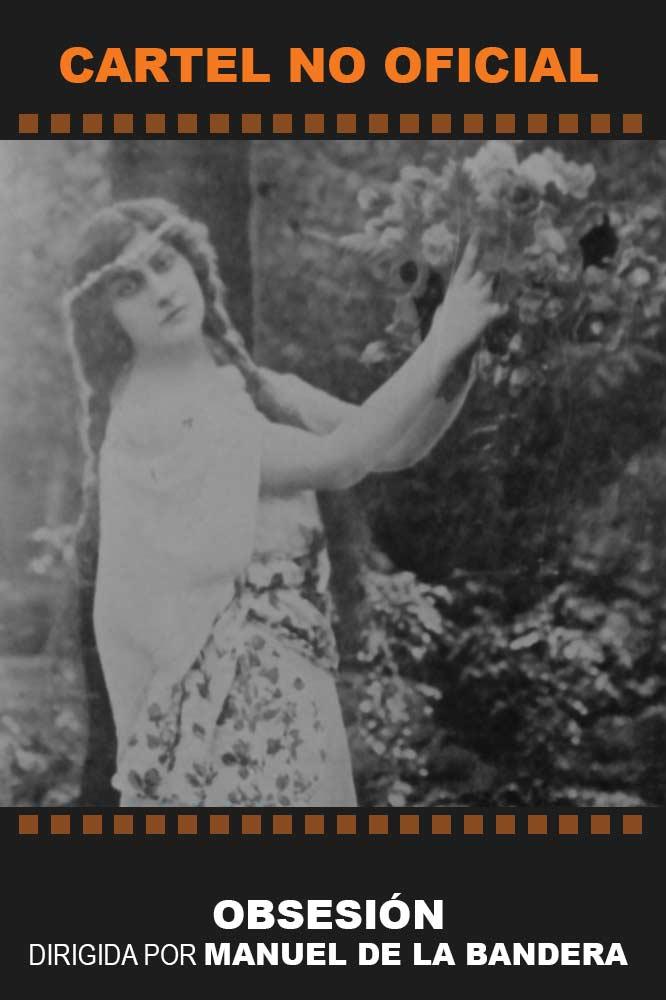
Similarly, the 1915 adaptation of Carmen explores obsession through a different lens—that of romantic ruin. The Spanish soldier who falls under the spell of a fiery gypsy girl is a classic archetype of the cult anti-hero: a man whose fixation leads to his inevitable destruction. This theme of ruinous passion is a recurring motif in the cult canon, speaking to an audience that finds beauty in the tragic and the doomed. These early films established that the most compelling stories aren't always about triumph, but about the fascinating descent into the abyss.

Transgression and the Moral Fringe
Cult cinema has always been a sanctuary for stories that the mainstream found too uncomfortable or too "low-brow." The 1918 film Outcast is a prime example of this early transgressive spirit. By centering on Miriam Gibson, a woman abandoned and forced into prostitution to support her child, the film tackled themes of social ostracization and systemic failure. When the baby dies, the narrative shifts into a stark exploration of grief and survival that prefigures the gritty realism of later underground movements. These are the narratives of the "moral outcast," the characters who exist on the periphery of polite society and find their voice in the darkness of the theater.
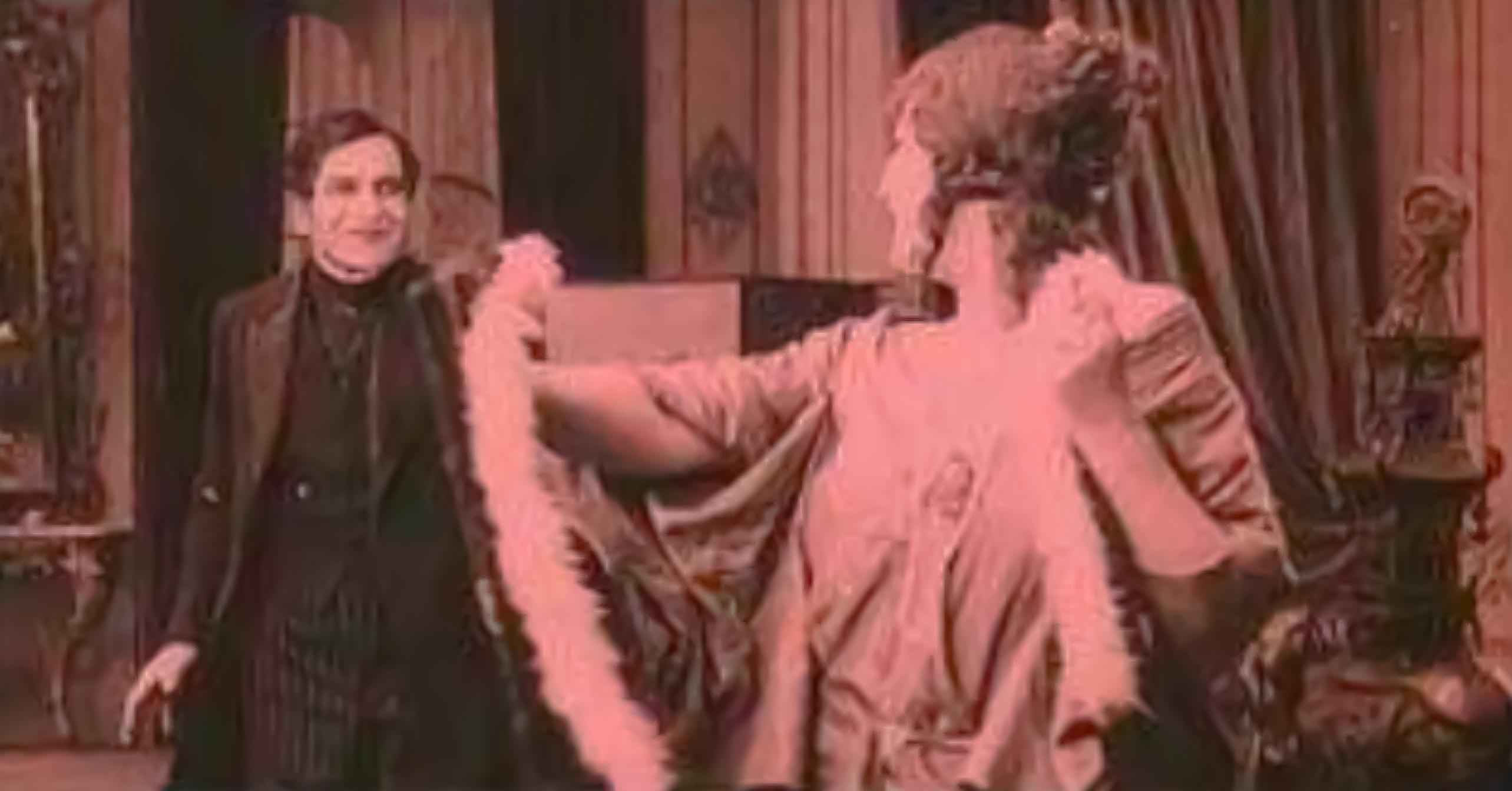
In the realm of the macabre, The Woman Who Gave offers a fascinating look at the intersection of physical deformity and high art. The story of Andrien, a hunchback artist whose portrait of a model attracts the attention of an evil Bulgarian prince, leans into the Gothic sensibilities that would later define the cult horror genre. It utilizes the "otherness" of its characters to create a sense of unease and fascination, a technique that remains a staple of fringe filmmaking. The prince, as the predatory aristocrat, represents the external threat to the vulnerable artist, a dynamic that resonates with the cult audience’s inherent distrust of authority and the elite.
The Architecture of Mystery and the Black Hand
Mystery and crime have always provided fertile ground for cult devotion. The Tell-Tale Step brings to life the shadowy world of the Black Hand, an Italian criminal organization, through the story of Giovanni Pallazzi and his blind daughter, Lucia. The film’s focus on secret societies and the lingering reach of one's past creates an atmosphere of paranoia and suspense. This "noir-before-noir" aesthetic is crucial to the cult identity, as it invites the viewer into a world of hidden codes and unspoken dangers. The blind daughter, as a symbol of innocence caught in a web of violence, adds a layer of pathos that elevates the pulp narrative into something more enduring.
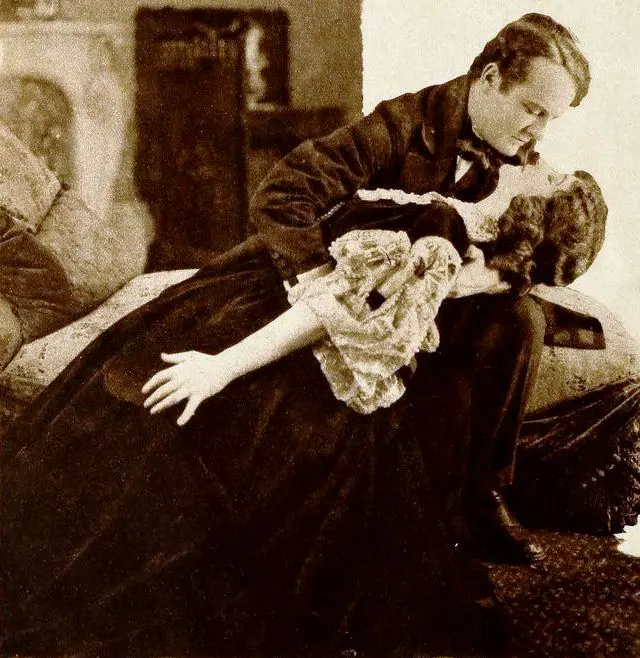
Likewise, The Catspaw explores the mechanics of the "clean up" scheme in the town of Milville. When Kittredge St. John and Roxane Bellairs decide to exploit the town, they engage in a narrative of deception and manipulation that mirrors the complex moral landscapes of modern cult thrillers. The idea of the "scheme" or the "con" is a recurring element in films that attract a dedicated following, as audiences enjoy the intellectual exercise of deconstructing the characters' motives and the filmmaker’s craft.
The Experimental and the Absurd: Comedy as Counter-Culture
Not all cult cinema is dark and brooding; much of it thrives on the absurd and the unconventional. Early shorts like Lions and Ladies or the curiously titled The Good Ship Rock 'n' Rye (featuring a lady who impersonates a sailor) showcase a penchant for slapstick and gender-bending that was remarkably ahead of its time. These films embraced the ridiculous, using the medium of film to push the boundaries of logic and social norms. In Trotting Through Turkey, the invasion of a harem to teach the ladies how to "dance the shimmy" represents a playful, if culturally dated, rebellion against decorum.
Even the documentary and sports films of the era, such as In the Pink—which features slow-motion footage of reducing classes and beach sports—hint at the cult obsession with the human body and its movements. This fascination with the "physicality" of the screen, whether through comedy or athletic display, laid the groundwork for the visceral experiences of later genre films. The cult audience is often an audience of observers who find depth in the surface, finding meaning in the way a character moves or the way a scene is staged, regardless of the narrative's complexity.
Political Awakening and the Silent Prophet
Cult cinema is frequently a vehicle for political and social commentary, often delivered through a subversive lens. Mat, the first screen adaptation of the literary classic, provides a powerful example of this. The story of a mother who moves from betraying her son's revolutionary activities to joining the struggle herself is a masterclass in character transformation and political awakening. This film didn't just tell a story; it served as a catalyst for thought, much like the revolutionary cult films of the 1960s and 70s. The image of the mother joining the demonstration is a potent symbol of the individual's power to defy authority, a theme that remains central to the cult ethos.
On a more personal scale, The 13th Commandment deconstructs the illusion of wealth and the transience of social status. When a young woman realizes her father’s bank balance can no longer support their lavish lifestyle, she is forced to confront the reality of her situation. This critique of consumerism and social climbing resonates with the cult audience’s typical skepticism of the American Dream. These films weren't just entertainment; they were mirrors held up to a society in flux, reflecting the anxieties and aspirations of those who felt out of place.
Restoration and the Resurrection of the Forgotten
The survival of these films is a miracle of preservation and a testament to the enduring power of the image. Works like Die Silhouette des Teufels or Das Experiment des Prof. Mithrany might have been lost to time if not for the dedicated efforts of film historians and collectors. The act of "unearthing" a lost film is, in itself, a cult ritual. The discovery of a rare print or a forgotten masterpiece fuels the passion of the cinephile, creating a sense of shared discovery that defines the community. Whether it's the strange medical drama of The Question or the maritime intrigue of The Sea Flower, each recovered reel adds a new chapter to the secret history of cinema.
Consider the documentary Med prins Wilhelm på afrikanska jaktstigar. While ostensibly a zoological expedition, its existence as a 1921 record of Central Africa provides a window into a world that no longer exists, captured through a lens that is both scientific and colonial. Cult cinema often embraces these problematic or unusual artifacts, not necessarily for their intended message, but for the raw, unfiltered glimpse they provide into the past. The "found object" quality of early cinema is a major draw for those who seek out the unconventional.
Conclusion: The Eternal Flame of the Fringe
From the scientific obsessions of The Question to the revolutionary fervor of Mat, and the slapstick anarchy of Lions and Ladies, the early 20th century was a laboratory for the cult aesthetic. These films proved that cinema could be more than just a mass-market product; it could be a site of rebellion, a canvas for the grotesque, and a sanctuary for the misunderstood. The cult movie soul is not a modern invention but an ancient flame, ignited by the pioneers who dared to look away from the spotlight and into the shadows.
As we continue to explore the vast archive of silent and early sound cinema, we find that the boundaries of what we consider "cult" are constantly expanding. Every time we watch a film like Old Brandis' Eyes and marvel at its allegorical depth, or laugh at the mishaps in The Grocery Clerk, we are participating in a tradition of niche worship that spans over a century. The alchemical underground of early cinema continues to bubble beneath the surface, reminding us that the most enduring stories are often the ones that were never meant to be mainstream in the first place. They are the misfits, the anomalies, and the rebels—and they are the heart of why we love the movies.
Community
Comments
Log in to comment.
Loading comments…