
Cult Cinema
The Alchemical Underground: How the Silent Era’s Forgotten Misfits and Transgressive Tales Forged the Modern Cult Identity
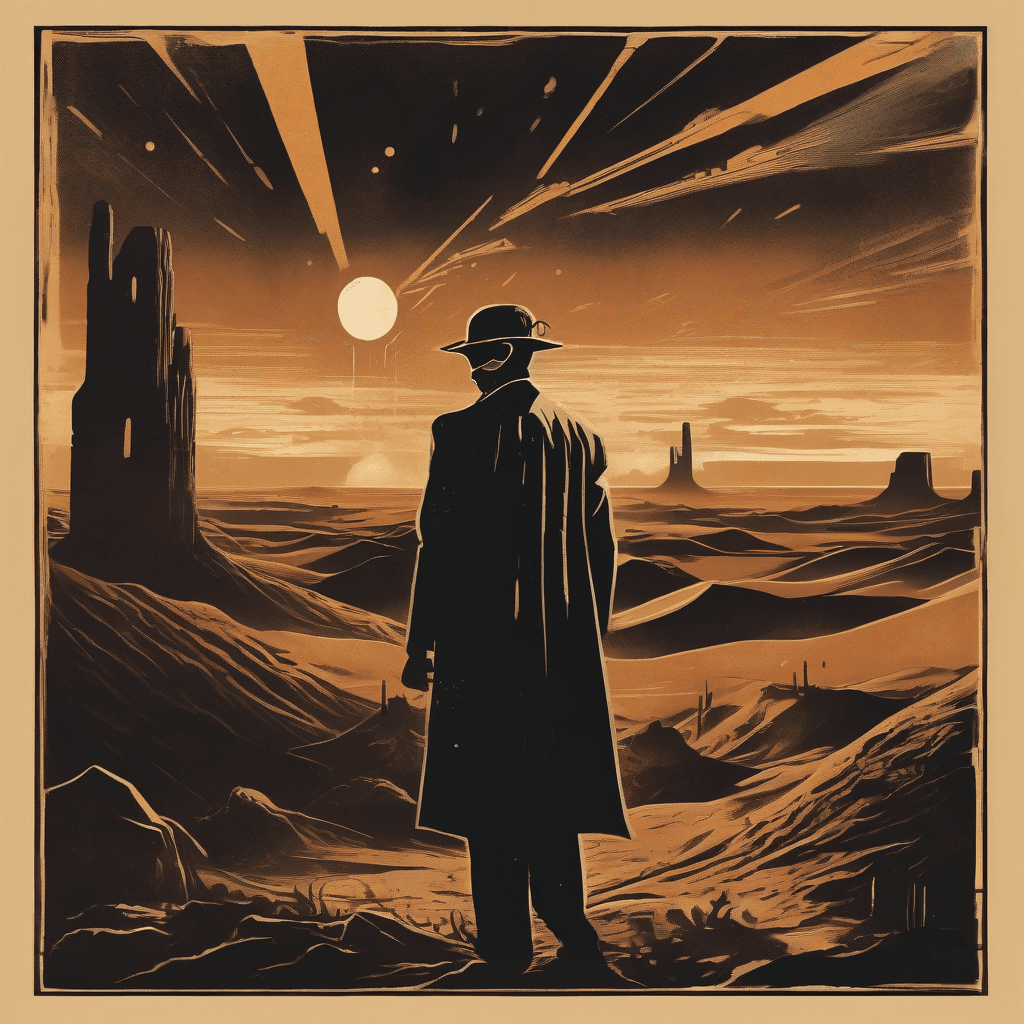
“Explore how the transgressive narratives and genre-defying experiments of the 1910s and 20s created the blueprint for today's cult cinema obsession.”
To understand the modern cult film—the kind of cinema that inspires midnight screenings, fanatical devotion, and obsessive academic deconstruction—one must look beyond the neon-soaked 1980s or the counterculture 1970s. The true genetic code of the cult aesthetic was written in the flickering nitrate of the 1910s and early 1920s. This was an era of profound experimentation, where the lack of a rigid studio system allowed for transgressive narratives and genre-bending anomalies that still resonate today. From the proto-sci-fi dread of The Invisible Ray to the stark, psychological horror of Sylvi, the silent era was the original laboratory for the weird and the wonderful.
The Genesis of the Genre Defiant
Cult cinema thrives on the "other." It seeks out stories that the mainstream ignores or deems too uncomfortable. In 1920, the film The Invisible Ray introduced audiences to a scientist who discovers a literal death ray, locking it in a box and triggering a hunt by criminals. This isn't just a simple thriller; it is the blueprint for the techno-horror and speculative sci-fi that would eventually define the cult genre. By centering the plot on a deadly mineral and a scientist's obsession, it prefigured the atomic age anxieties and the "mad scientist" tropes of later decades.
Similarly, the 1919 serial The Masked Rider brought an unexpected level of violence to the Texas-Mexico border. Cult fans have always gravitated toward works that push the boundaries of acceptable screen violence, and this 15-episode journey into the lawless frontier provided a visceral thrill that standard westerns of the time avoided. It is in these violent serials and speculative fictions that the cult gaze first found its focus: on the edge of the frame, where the rules of polite society begin to fray.
Transgression and the Moral Misfit
At the heart of every cult classic is a character who refuses to fit in. The silent era was populated by these moral outliers. Consider the 1913 film Sylvi. It is a story of a woman trapped in a marriage to an older man while pining for her childhood sweetheart. The "unspeakable act" she commits, and her subsequent loss of freedom and hope, mirrors the tragic, transgressive arcs found in the works of directors like John Waters or Lars von Trier. Sylvi is a cult icon in waiting, a woman whose internal passion drives her to social exile.
The theme of the social pariah continues in Whispering Devils (1920), where a puritanical minister’s crusade against immorality leads to the public shaming of an unwed mother. This critique of religious hypocrisy is a staple of cult cinema, which often seeks to unmask the rot beneath the surface of "respectable" society. By portraying the minister as the true antagonist, the film aligns itself with the counter-cultural spirit that would later define the midnight movie movement. These films weren't just entertainment; they were subversive manifestos dressed in the robes of melodrama.
Identity, Duality, and the 'Other'
Cult cinema often explores the fractured self. The Right to Happiness (1919) takes the trope of twin sisters—one raised in Russia, the other in America—and uses it to explore how environment and ideology re-entangle lives. This fascination with doubles and divergent identities is a recurring motif for cult directors who enjoy deconstructing the human psyche. When we look at the way cult fandoms obsess over character lore and alternate timelines, we see the seeds of that obsession planted in these early explorations of identity.
Even the concept of the "stranger in a strange land" was being refined in films like The Arab (1915) and The Demon (1918). Whether it was a sheikh’s son being punished or a man traveling to Africa to find proof of a cousin's death, these narratives used exoticism and adventure to challenge the viewer’s perspective. While often viewed through the lens of their time, these films provided the escapist textures that cult audiences crave—worlds that feel distinct, dangerous, and entirely separate from the mundane reality of the viewer.
The Architecture of Obsession: Genre Hybrids
If there is one thing a cult audience loves, it is a film that refuses to stay in its lane. The silent era was a masterclass in genre hybridization. Take $30,000 (1920), which blends mystery and crime with a high-stakes legal drama. Or Jacques of the Silver North (1919), which mixes the ruggedness of the trapper lifestyle with a poignant, forbidden love story involving a "half-breed" protagonist. These films didn't adhere to the strict marketing categories we have today; they were messy, ambitious, and wildly creative.
In The Haunted Manor (1916), we see an American adventuress, an Indian rajah, and a jealous artist in a triangle of courtly intrigue. It is this kind of melodramatic excess that cult fans adore. The heightened emotions, the grand gestures, and the life-or-death stakes create a cinematic experience that feels more like a ritual than a movie. This ritualistic quality is what transforms a casual viewer into a lifelong devotee. When we watch a film like La falena (1916), where a sculptor facing tuberculosis throws one final, desperate party, we are seeing the precursor to the "glamorous decay" aesthetic that would later populate the works of the underground avant-garde.
Justice and the Individual
Cult cinema is frequently concerned with the failure of systems. The People vs. John Doe (1916) is a prime example, presenting a fictionalized composite of murder cases where an innocent man is convicted on purely speculative evidence. This anti-authoritarian streak is a hallmark of the cult ethos. It invites the audience to side with the underdog against a corrupt or incompetent establishment. Similarly, The Blindness of Divorce (1918) and And the Law Says (1916) tackle the fallout of social and legal structures on the private lives of individuals, often with tragic results.
These films asked their audiences to question the law, the church, and the family unit. By doing so, they created a space for dissenting voices and unconventional perspectives. The cult fan is, by nature, a dissenter—someone who finds beauty in the broken and truth in the discarded. The 1910s provided an endless supply of these shadowy narratives that refused to provide easy answers or happy endings.
The Legacy of the Fringe
Even the shorter, more whimsical films of the era contributed to the cult landscape. Ramblers Three (1918) showed the influence of literary rebellion through children emulating Huckleberry Finn, while Bobby Bumps’ Pup Gets the Flea-enza (1919) brought a surreal, mischievous energy to early animation. These were the pop-culture artifacts that proved cinema could be playful, anarchic, and slightly off-kilter.
As we look back at the archaic brilliance of films like The Adventurer (1920) or the historical grandeur of The Battle of Trafalgar (1911), we see a medium in its infancy, yet already possessing the power to haunt and inspire. The cult cinema of today—from the weirdest indie horror to the most obscure foreign drama—owes its existence to these silent mavericks. They were the first to understand that the screen is not just a mirror, but a portal into the subconscious, the transgressive, and the eternal.
The midnight movie didn't start in a theater in the 1970s; it started in the minds of the directors, actors, and writers of the 1910s who dared to tell stories that didn't fit the mold. Whether it was the swashbuckling romance of The Valiants of Virginia or the stark social realism of The Right to Happiness, these films carved out a space for the unconventional. They taught us that the most enduring films are often the ones that were once forgotten, waiting for a new generation of obsessive seekers to bring them back into the light. In the end, cult cinema is less about the films themselves and more about the alchemical connection between the misfit on the screen and the misfit in the audience.
Community
Comments
Log in to comment.
Loading comments…