
Cult Cinema
The Midnight Mosaic: Decoding the Rebel Archetypes and Fringe Narratives That Defined Cult Cinema's Soul
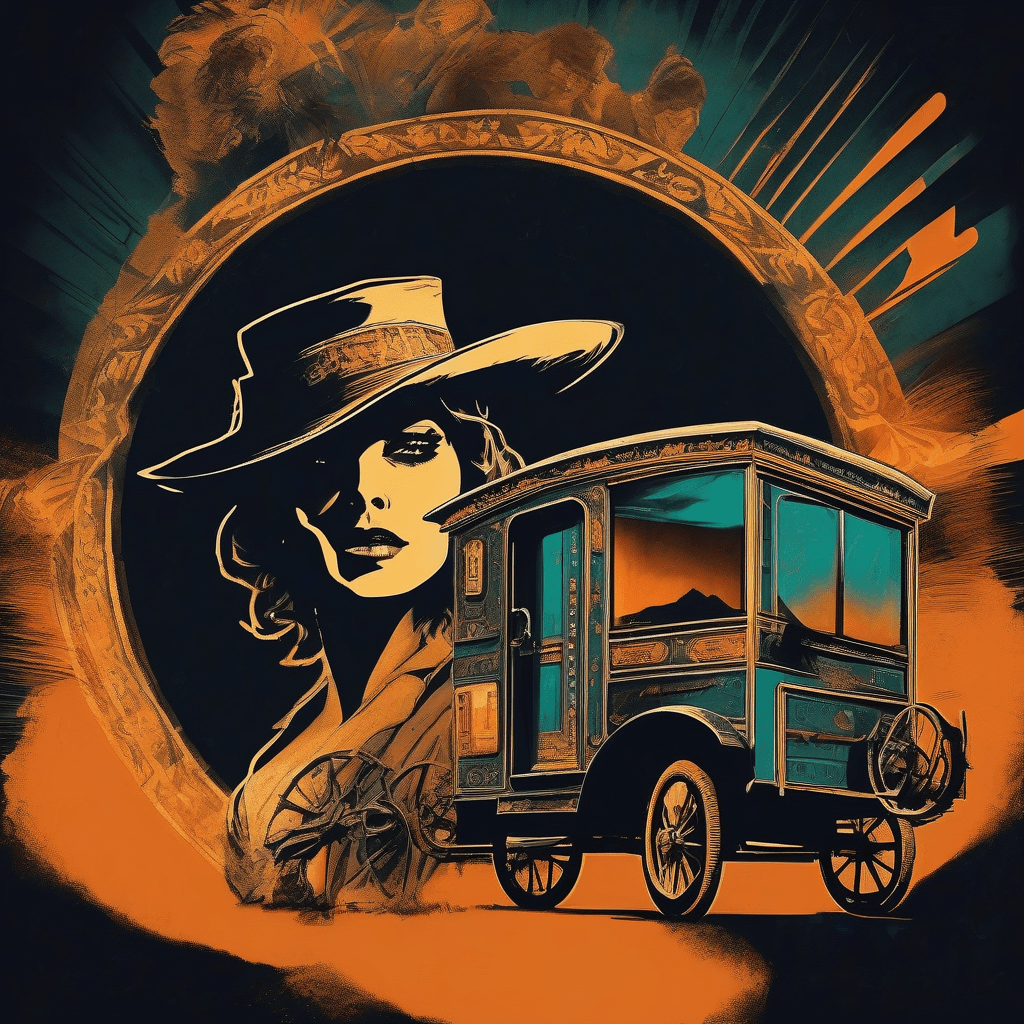
“An expansive exploration of how early cinema's outlaws, misfits, and genre-bending narratives laid the genetic groundwork for the modern cult film phenomenon.”
Cult cinema is rarely about the polished surface of the mainstream; it is a devotion born in the cracks of the celluloid, where the unconventional, the transgressive, and the misunderstood reside. To understand the modern obsession with midnight movies, one must look back at the Midnight Mosaic of the early 20th century—a time when films like Stingaree and Miss Petticoats were already experimenting with the archetypes of the rebel and the social outcast. These early narratives were not just stories; they were the blueprints for a cinematic rebellion that would eventually define the cult gaze.
The Outlaw as a Cultural Catalyst
The figure of the outlaw has always been a cornerstone of cult devotion. In the 1915 film Stingaree, we see the prototypical cult anti-hero: a dashing bandit in the Australian outback who is actually a wealthy Englishman cheated of his fortune. This narrative of the 'gentleman rogue' resonates deeply with the cult audience's desire for justice outside the confines of rigid law. Similarly, in Blue Streak McCoy, the ranger Job McCoy represents a frontier morality that prioritizes the protection of the vulnerable over the dictates of the powerful. These films established a precedent for the cinematic rebel—characters who exist on the fringe, operating by their own internal compass.
This fascination with the fringe is further exemplified in The Secret Man, where the convict Cheyenne Harry escapes prison only to find redemption through an act of mercy. Cult cinema thrives on these stories of the 'unseen' man, the individual who is cast out by society but possesses a secret nobility. The 1910s and 20s were rife with these nitrate rebels, figures who challenged the status quo and invited the audience to sympathize with the 'other.'
Identity, Deception, and the Subversion of Self
The Comedy of Errors and Social Performance
Identity is a recurring theme in cult cinema, often explored through the lens of deception and social performance. In the 1918 film All Night, we see a complex web of role-reversal where characters pose as servants and guests to impress a millionaire. This subversion of class and identity is a hallmark of the cult aesthetic, which delights in the absurdity of social constructs. In Search of Arcady takes this further, with Barbara Chichester disguising herself as a gypsy to escape the suffocating expectations of her high-society family. These films suggest that the 'true' self is often found when the mask of societal expectation is discarded.
Even in lighter fare like She Couldn't Grow Up, where a young woman is forced to dress as a child to stay out of her sister's way, there is a biting commentary on the performance of gender and age. Cult cinema has always embraced these narratives of identity fluidness, where the protagonist must navigate a world that demands they be someone they are not. This tension between the internal self and the external role is the engine that drives many of the most enduring cult classics.
Moral Ambiguity and the Architecture of Revenge
If the outlaw provides the heart of cult cinema, then moral ambiguity provides its brain. Films like The Master Mind (1914) showcase a diabolical complexity that was far ahead of its time. The story of a defense attorney concocting a revenge scheme against a prosecutor is a masterclass in the 'moral grey area' that cult fans adore. There are no easy heroes here; only people driven by trauma, obsession, and a thirst for a personal brand of justice. This theme is echoed in Moral Suicide, where the aging Richard Covington's marriage to a heartless seductress leads to the disintegration of his family, highlighting the destructive power of unchecked desire.
The 1917 film Chains of Evidence further explores the fallibility of the law, as a judge's daughter discovers her father's past mistakes. These films dismantle the idea of the infallible authority figure, replacing it with a nuanced view of human frailty. In the cult canon, the 'villain' is often as sympathetic as the 'hero,' and the line between the two is frequently blurred. This is perhaps best seen in Her Condoned Sin, a re-contextualized version of Judith of Bethulia, which explores the heavy price of religious and political duty.
The Social Fringe: Misfits and Mavericks
Cult cinema is, at its core, a sanctuary for the misfit. Miss Petticoats tells the story of Agatha, a girl of noble French blood living with her grandfather in a modest seaside cottage. Her struggle to reconcile her heritage with her reality is a quintessential cult narrative of belonging and exclusion. Similarly, The Little School Ma'am depicts a woman from Virginia trying to find her place in a hostile Western town. These stories of the 'fish out of water' resonate with audiences who have felt alienated by the mainstream.
The struggle for social acceptance is often depicted through the lens of sacrifice. In The Chimes, based on the Dickens story, the poor are told that it is a 'sin' for them to wed, a brutal reflection of class warfare that remains a potent theme in cult cinema. Gloriana explores the neglect of an adopted child in favor of 'overseas charity,' a sharp critique of performative morality that feels strikingly modern. These films do not shy away from the harsh realities of the social fringe; instead, they elevate the struggle of the marginalized to the level of myth.
Epic Shadows and Historical Anomalies
The grand scale of history and religion also provides a fertile ground for cult obsession. The Life of St. Patrick and Samson (1914) are more than just hagiographies or biblical epics; they are studies of the extraordinary individual pushed to the brink by divine or historical forces. In Samson, the focus on the childless couple's prayer and the eventual rise of a flawed strongman creates a narrative of tragic grandeur that is common in cult cinema. These films use the past to explore universal themes of power, weakness, and the supernatural.
Even war films like Defense or Tribute? take on a cult quality when they shift their focus from the grand strategy to the average civilian, like the wife waiting for news of her husband. This humanization of the epic is what allows these films to transcend their time. They are not just historical documents; they are emotional experiences that tap into the primal fears and hopes of the audience. The cult gaze looks past the spectacle to find the human heart beating underneath the armor.
Genre Bending: From Hard Rock to Iron Trails
The roots of genre-bending—a staple of the cult experience—can be found in films like The Hard Rock Breed and The Iron Trail. These are not just adventure or action films; they are stories of labor, grit, and the clash between honest work and corporate greed. The Iron Trail features a race to build a railroad in Alaska, a narrative that combines industrial progress with the raw power of nature. This 'industrial sublime' is a visual and thematic precursor to the gritty, mechanical aesthetics of later cult genres like cyberpunk or steampunk.
In the realm of action, Do or Die (1921) delivered the high-stakes thrills that would eventually evolve into the midnight movie's love for stunts and spectacle. Meanwhile, Blue Streak McCoy blended the Western with deep character drama, proving that genre boundaries were always meant to be pushed. These films were the 'punks' of their era, refusing to stay in the lanes assigned to them by the nascent studio system.
The Enduring Resonance of the Unconventional
Why do these films, many of which are over a century old, still matter to the cult enthusiast? It is because they speak a language of perpetual rebellion. Whether it is the silent defiance in Anfisa, where a family falls apart upon the arrival of a relative, or the desperate ruin of A Yellow Streak, where a broker is destroyed by a faithless wife, these narratives touch on the raw, unvarnished parts of the human experience. They are not 'safe' films; they are messy, emotional, and often deeply cynical.
The Midnight Mosaic is a reminder that cinema has always had a dark, rebellious underbelly. From the 'mud-pie days' of Milestones of Life to the opium smuggling plots of There Are No Villains, the early era of film was a wild frontier of storytelling. These 50 films—ranging from the comedic identity swaps of Girls Will Be Girls to the tragic remorse of Remorse, a Story of the Red Plague—represent the primordial soup from which the modern cult film emerged. They are the ancestors of the weird, the bold, and the beautiful failures that we continue to celebrate today.
As we navigate the vast landscape of contemporary cinema, we must never forget the nitrate outcasts who first dared to be different. They taught us that a film doesn't need a massive budget or a happy ending to be immortal; it only needs a voice that refuses to be silenced and a spirit that dares to live on the fringe. The cult gaze is not just a way of watching movies; it is a way of seeing the world through the eyes of the Stingarees and the Miss Petticoats—with a sense of wonder, a touch of defiance, and a deep, abiding love for the unconventional.
Community
Comments
Log in to comment.
Loading comments…