
Cult Cinema
The Ancestral Fever: Unveiling the Proto-Cult Foundations of Cinema’s Early Renegades
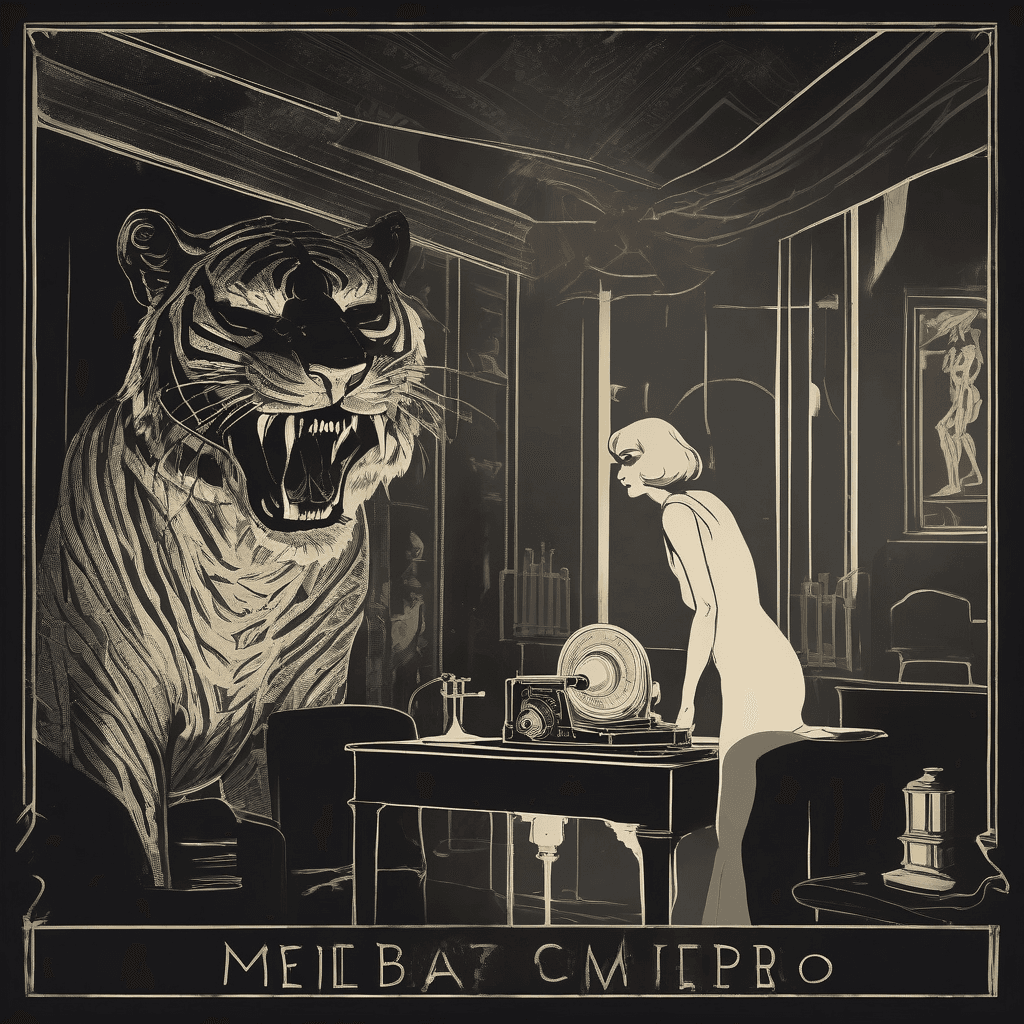
“An investigative deep dive into how the silent era’s most daring outliers, from tiger-worshipping cults to macabre visual symphonies, laid the subversive groundwork for the modern cult movie phenomenon.”
When we speak of cult cinema, the mind often drifts to the neon-soaked midnight screenings of the 1970s or the transgressive VHS underground of the 1980s. However, the genetic blueprint of the cult phenomenon—the obsession with the marginal, the celebration of the narrative mutant, and the worship of the cinematic outcast—was drafted long before the advent of the midnight movie. To truly understand the subversive soul of cult cinema, we must look back to the era of 1910 through 1925, a period where the medium was still defining its boundaries and, more importantly, learning how to break them. This was an era of cinematic alchemy, where films like The Crime of the Hour and The Tiger's Trail began to forge a new kind of relationship between the screen and the spectator.
The Transgressive Social Canvas: Breaking the Moral Monolith
Early cinema is often mischaracterized as a time of rigid Victorian morality, yet a closer look at the surviving fragments reveals a landscape of profound social transgression. In Ladies Must Live, we see a sophisticated dismantling of the marriage-for-money trope, where Christine Bleeker’s calculated pursuit of Ralph Lincourt reflects a cynical, almost modern approach to social mobility. This focus on the moral gray zone is a hallmark of cult cinema; it invites the audience to sympathize with characters who exist outside the traditional binary of hero and villain. Similarly, in Curtain, the tension between career and domesticity is explored through Nancy Bradshaw’s reluctant sacrifice of her stage life. These films didn't just tell stories; they challenged the social architecture of their time, much like the transgressive cult hits of the modern era.
The theme of the "fallen woman" or the social outlier is further amplified in Frou Frou and A Gutter Magdalene. These narratives centered on women who were either too frivolous or too damaged for polite society, yet they were granted a cinematic dignity that the mainstream often denied them. This empathy for the disenfranchised is the beating heart of cult fandom. When we watch Frou Frou navigate her indifferent motherhood and social ostracization, we are witnessing the birth of the cinematic anti-heroine—a figure that would later evolve into the icons of the underground.
Surrealism and the Anarchic Logic of the Animated Void
Cult cinema has always had a flirtatious relationship with the surreal and the nonsensical. Long before David Lynch or Alejandro Jodorowsky, there was Felix Minds the Kid. In this early animation, the logic of the physical world is discarded for a dream-like fluidity where a baby can swallow a balloon and float away. This anarchic rhythm is essential to the cult experience; it disrupts the viewer's expectations and forces them into a state of wonder and disorientation. The surrealism of early animation provided a safe space for visual experimentation that would eventually bleed into live-action genre films.
Consider the visual symphony of Danse macabre. As a short horror film set to the music of Camille Saint-Saëns, it bypassed traditional narrative altogether, opting instead for a sensory experience of death and the Black Plague. This focus on mood, atmosphere, and the macabre over linear storytelling is exactly what draws audiences to cult classics. It is the aesthetic of the uncanny. This same energy is felt in Hoffmanns Erzählungen, a work that fought against rationalism and embraced the "nature morte," using carnival-like scenes to anticipate the literary and cinematic techniques of the future.
Pulp, Mystery, and the Rise of Niche Obsession
The concept of the "series" or the "serial" in the 1910s allowed for the development of niche fandoms. Films like The Tiger's Trail, featuring Hindu tiger worshippers and Western outlaws, were the precursors to the high-concept genre mashups we celebrate today. They were weird, they were specific, and they were unapologetically pulp. The audience for The Tiger's Trail wasn't just watching a movie; they were entering a specific mythos. This is the foundation of the midnight movie culture—the desire to revisit a specific, strange world repeatedly.
Even the comedic shorts of the era, such as The Hound of Tankervilles featuring the correspondence school detective Philo Gubb, played with genre tropes in a way that felt meta-textual. By parodying the detective genre, these films invited the audience into a joke that felt exclusive and smart. The same can be said for Battling Torchy or A Fool and His Money, which utilized the specific subcultures of boxing and skating to build their narratives. These films were the "deep cuts" of their day, cherished by those who appreciated their specific eccentricities.
The Outlaw Archetype and the Golden Heart of the Fringe
At the center of the cult mythos is the rebel. In the silent era, this was often personified by the Western outlaw or the social deviant. Bull Arizona presents us with a bank-specialized outlaw who possesses a "rough shell and a golden heart." This renegade spirit is a recurring theme in films like A Marked Man and Selfish Yates. Yates, who operates a disreputable saloon on the edge of the Arizona desert, represents the frontier of the soul—a place where traditional laws don't apply and where personal codes of honor reign supreme.
This fascination with the fringe is also evident in The Brute Breaker, where a stranger must navigate impassable rapids to prove his worth in a logging camp. These stories of physical and moral endurance in the wilderness mirrored the audience's own desire for escape and rebellion. The cult film is, at its core, a manifesto for the outlier. Whether it is the spiritual struggle in The Immortal Flame or the class conflict in The Rise of Susan, early cinema was obsessed with the individual's fight against a suffocating system.
The Global Language of the Weird
Cult cinema is a global phenomenon, and the early 20th century saw a cross-pollination of transgressive ideas across borders. From the Danish drama Hvor Sorgerne glemmes to the Hungarian A csikós and the Spanish El beso de la muerte, the language of cinematic rebellion was universal. Kadra Sâfa, with its depiction of a sheik’s favorite wife and her "poetry of motion," offered a glimpse into an exoticized, dream-like world that captivated Western audiences. These films provided an escape into the "other," a key driver for the cult movie seeker.
Even the technical experimentation of the time, such as the "visual symphony" approach seen in Giro d'Italia or the early animation techniques in Fishing (featuring Mutt and Jeff), pushed the boundaries of what the screen could represent. These were the primitive sparks of a fire that would eventually consume the mainstream. When we look at the $5,000,000 Counterfeiting Plot or the high-stakes drama of Brewster's Millions, we see the early industry's attempts to create spectacle that resonated on a visceral level, bypassing the intellect and aiming straight for the nerves.
Conclusion: The Eternal Return of the Misfit
The enduring allure of cult cinema lies in its ability to offer a home to the unconventional. The films of the 1910s and 20s, like Through the Valley of Shadows or The Seal of Silence, were not merely stepping stones to modern blockbusters; they were the original architects of the abnormal. They taught us that a film doesn't need to be perfect to be loved; it just needs to be honest, daring, and perhaps a little bit strange. From the frivolous mother in Frou Frou to the tiger-worshipping zealots of the pulp serials, these characters and stories built the altar at which cult fans still worship today.
As we continue to excavate the history of film, we find that the midnight spirit has always been there, flickering in the shadows of the silent screen. The genetic rebellion of the early genre outcasts—the smugglers, the liars, the hunchbacks, and the nihilists—remains the most potent force in cinema. They remind us that the most powerful stories often come from the places we are told not to look. In the end, the history of cult cinema is the history of the audience's own rebel heart, forever seeking the light of a forbidden flicker.
Community
Comments
Log in to comment.
Loading comments…