
Film History
The Ancestral Trap: How Silent Cinema’s Obsession with Haunted Identity Birthed the Cult of the Fragmented Self
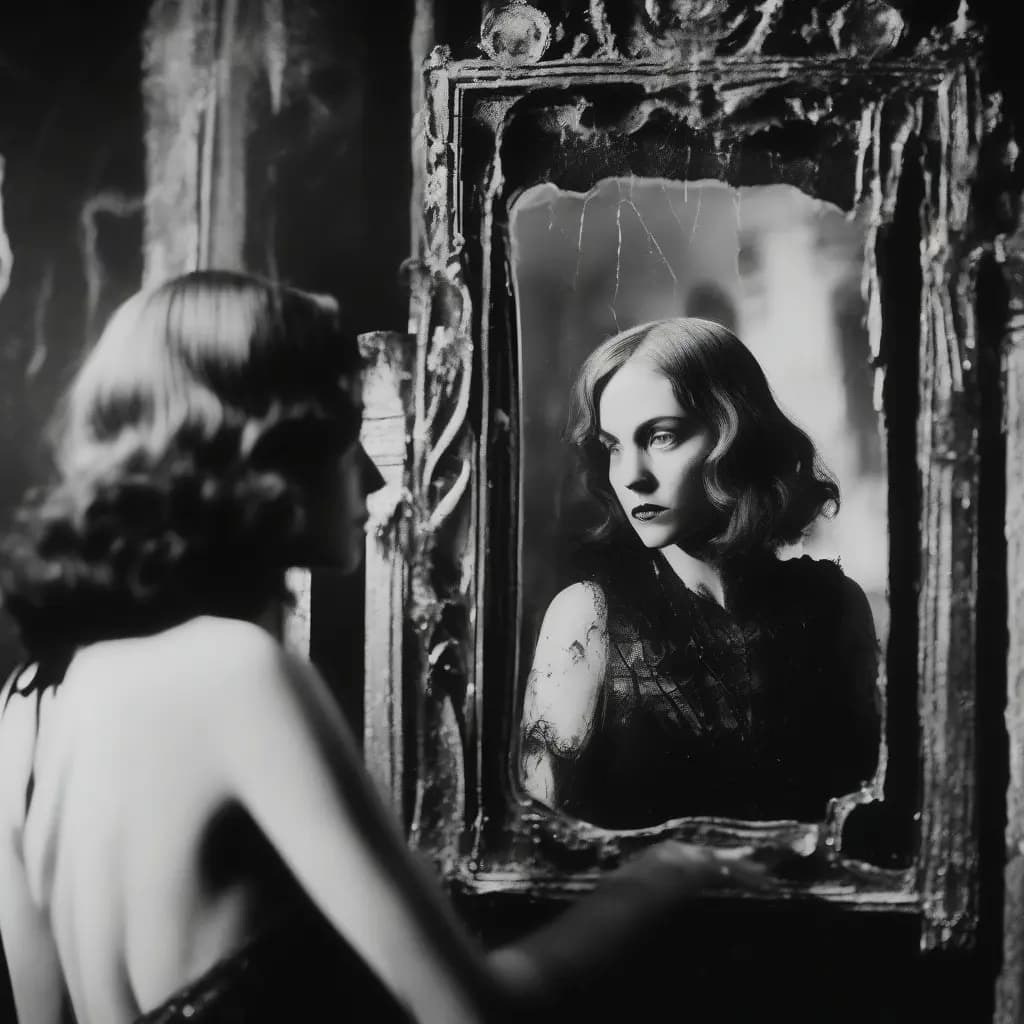
“Explore the unsettling origins of the 'haunted identity' trope in silent cinema, where ancestral ghosts and deceptive masks forged the DNA of the modern psychological cult film.”
To watch a silent film in the 21st century is to engage in a séance. The flickering frame rate, the ghostly silver of the nitrate, and the exaggerated physicality of the performers all conspire to create an atmosphere of the uncanny. But beneath the surface-level aesthetics of the 1910s and 20s lies a deeper, more corrosive obsession that would eventually become the bedrock of cult cinema: the terror of the fragmented self. Long before David Lynch explored the fractured psyches of Mulholland Drive or Ingmar Bergman dissected the merging faces of Persona, the pioneers of the silent era were already obsessed with the idea that our identities are not our own. They suggested that we are merely vessels for the sins of our ancestors, or masks worn to navigate a hostile social landscape. This 'Atavistic Gothic'—a genre that blends ancestral haunting with psychological disintegration—is the true, unheralded ancestor of the modern cult obsession with the fluid, often dangerous, nature of the human soul.
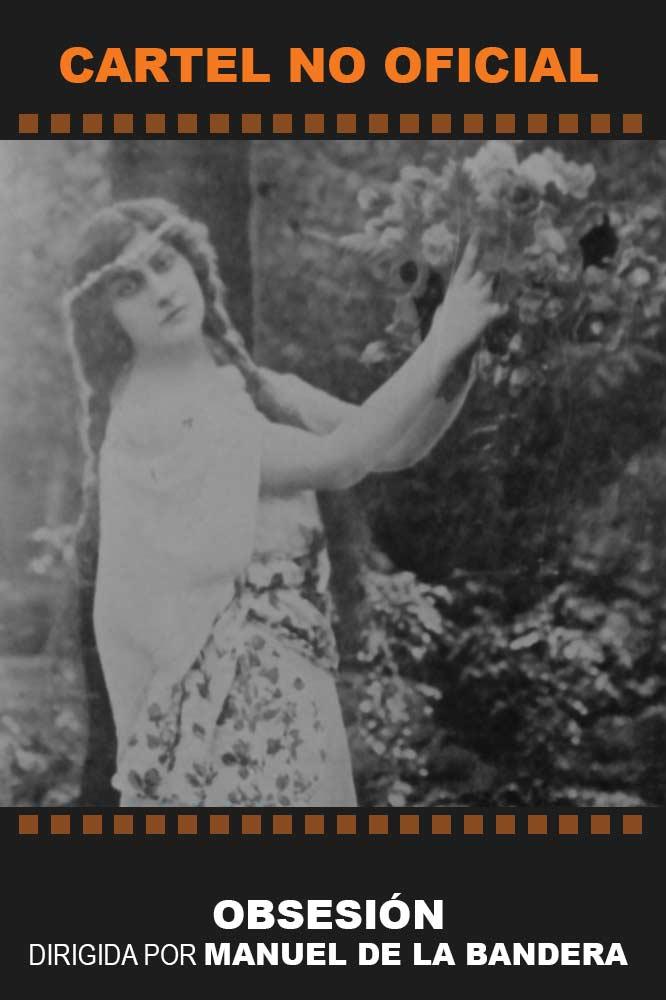
The Ghost in the Bloodline: Malombra and the Reincarnated Self
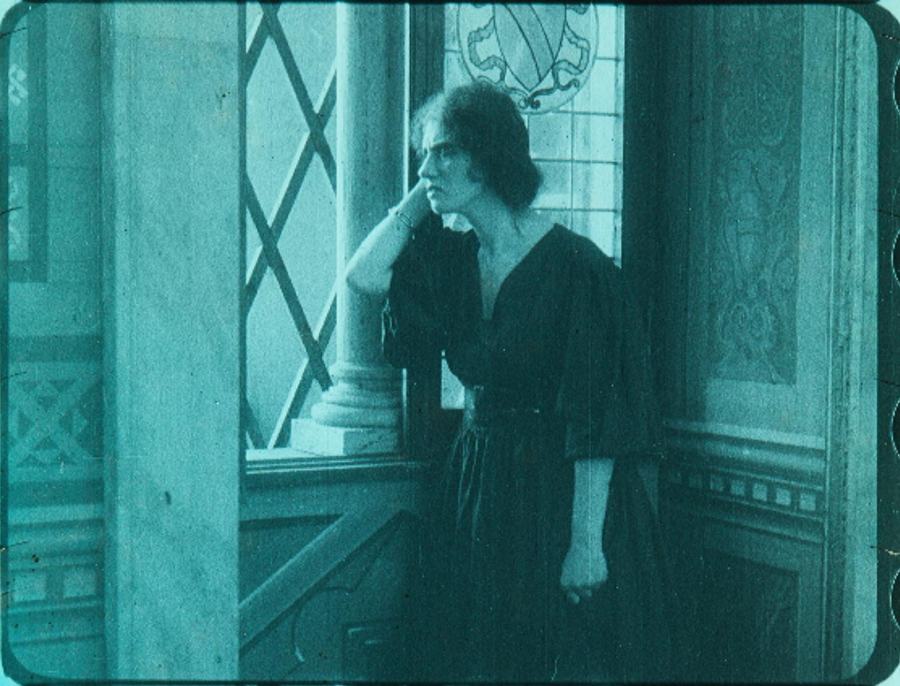
Perhaps no film captures the birth of the psychological cult archetype better than Carmine Gallone’s 1917 masterpiece, Malombra. In this Italian Gothic fever dream, a young woman living in a decaying castle discovers a cache of letters written by an ancestor. As she reads, the boundary between the past and the present dissolves. She becomes convinced that she is the literal reincarnation of a tormented aristocrat who once paced those same stone halls. This isn't just a ghost story; it is a film about the erasure of the individual by the weight of history. The protagonist’s descent into madness is portrayed not as a loss of mind, but as an acquisition of a different, more powerful, and ultimately destructive identity.
Cult cinema thrives on this sense of inevitability—the idea that our destinies are pre-written in our DNA or dictated by the architecture we inhabit. Malombra established a visual language for this internal takeover: long, lingering shots of mirrors, the fetishization of old objects, and a performance style that suggests a body being puppeteered from the inside. It laid the groundwork for every 'inherited' horror film that followed, from the possession tropes of the 70s to the genealogical dread of Ari Aster’s Hereditary. The film asks a question that remains central to the cult mindset: if you are not who you think you are, who are you?
The silence of the era wasn't just a technical limitation; it was a psychological amplifier. Without the clutter of dialogue, the face became a landscape of shifting identities, a canvas where the past could bleed into the present without a single word of explanation.
The Grotesque Masquerade: Engelein and the Perversion of Innocence
While Malombra explored identity through the lens of the supernatural, other films of the era took a more grounded, though arguably more disturbing, approach. Consider the 1914 German film Engelein. Here, the manipulation of identity is a conscious act of deception, but the results are no less unsettling. To secure a massive inheritance, a grown woman disguises herself as a young girl. The 'cult' appeal of Engelein lies in its inherent wrongness—the sight of an adult performing childhood for the benefit of a predatory or oblivious patriarchy. The film touches on the 'child-woman' trope that would later haunt films like Baby Doll or even The Orphan, creating a sense of moral vertigo in the viewer.
This is identity as a survival tactic, a recurring theme in the 'misfit' narratives of cult cinema. In Engelein, the mask becomes so successful that it begins to consume the wearer, especially when she falls in love with her 'Uncle.' The comedy is laced with a subterranean layer of psychological horror. It highlights a fundamental truth of the genre: the more we pretend to be someone else, the more we lose the ability to return to our original selves. This 'identity theft' of the self is a hallmark of the transgressive, pushing the audience to confront the fluid and often fraudulent nature of social roles.
Social Chameleons and the Terror of the Double Life
The silent era was particularly obsessed with the 'Double Life'—a theme that spoke to the anxieties of a rapidly urbanizing world where one could easily disappear into the crowd. Theda Bara, the original 'Vamp,' embodied this better than anyone. In Her Double Life (1916), Bara plays Mary Doone, a woman whose existence is split between the squalor of a tenement and the high-stakes drama of the war front as a nurse. This duality wasn't just a plot device; it was a reflection of the era's fractured social reality.
The fascination with the 'other' self is what drives many cult devotees to the cinema. We look for characters who can shed their skins, who can move between worlds. We see this in films like The Countess Charming (1917), where a bachelor’s social standing is mediated through a series of performative encounters. In these stories, identity is a currency to be traded, a weapon to be wielded, and a trap to be escaped. The silent screen offered a space where these transformations could be visualized through costume changes and lighting shifts, creating a proto-noir aesthetic that prioritized the 'shadow self' over the public persona.
The Wilderness of the Unconscious
Often, the search for identity led characters out of the city and into the liminal spaces of the wilderness. In One Hour (1917), the protagonist Opal is a woman who knows nothing of her ancestry until she encounters a 'strange young man' in the Canadian wilds. The wilderness acts as a catalyst for self-discovery, but it is a discovery fraught with peril. The isolation of the setting mirrors the isolation of the psyche. This 'wilderness of the self' is a recurring motif in cult cinema, from the desert landscapes of Zabriskie Point to the snowy isolation of The Shining. It is where the civilizing masks fall away, and the primal, often terrifying, truth of one’s heritage is revealed.
- The use of landscape as a psychological mirror.
- The 'strange stranger' as a catalyst for identity shifts.
- The revelation of hidden ancestry as a turning point in the narrative.
- The tension between nature and the 'civilized' self.
The Sins of the Father: Inheritance as Horror
In the silent era, inheritance was rarely just about money; it was about the moral and psychological baggage passed down through generations. The Third Generation (1920) takes this quite literally, portraying the crushing weight of family prestige as a force that drives a man toward fraud and suicide. The protagonist is not an individual; he is merely the latest link in a chain of failures. This theme of 'genetic haunting' is a cornerstone of the cult of the macabre. It suggests that we are haunted not by external ghosts, but by the very blood in our veins.
We see this again in Faith (1916), where a father’s disapproval of a marriage leads to a decades-long deception involving a lost daughter and a fake death. The 'cult' element here is the cruelty of the family unit—the way those who are supposed to protect our identity are often the ones who seek to erase or manipulate it. These films tapped into a primal fear that resonates with anyone who has ever felt like an outsider in their own family. They suggest that the most dangerous 'secret societies' are often the ones we are born into.
The Legacy of the Fractured Frame
Why do these century-old explorations of identity still matter to the cult cinema fan today? Because they represent the first time cinema was used not just to tell a story, but to map the internal architecture of the human mind. The 'Atavistic Gothic' of the silent era was a laboratory for the psychological tropes we now take for granted. By focusing on the haunted identity, these films moved cinema away from simple melodrama and toward a more complex, unsettling exploration of the human condition.
When we watch a film like Malombra or Engelein, we aren't just looking at history; we are looking at the blueprints of our own cinematic obsessions. We are seeing the first attempts to capture the feeling of being a stranger in one’s own skin, of being haunted by a past we didn't live, and of wearing a mask that refuses to come off. These films remind us that the 'cult' of cinema has always been about the search for the hidden self, the one that exists in the shadows, waiting for the projector to turn on and bring it to life once more. The silent era didn't just give us movies; it gave us the mirror in which we still see our most fragmented, beautiful, and terrifying selves.
Community
Comments
Log in to comment.
Loading comments…