
Cult Cinema Deep Dive
The Anomalous Aesthetic: Decoding the Subversive Rhythms and Rebel Spirit of Cinema's Earliest Genre Experiments
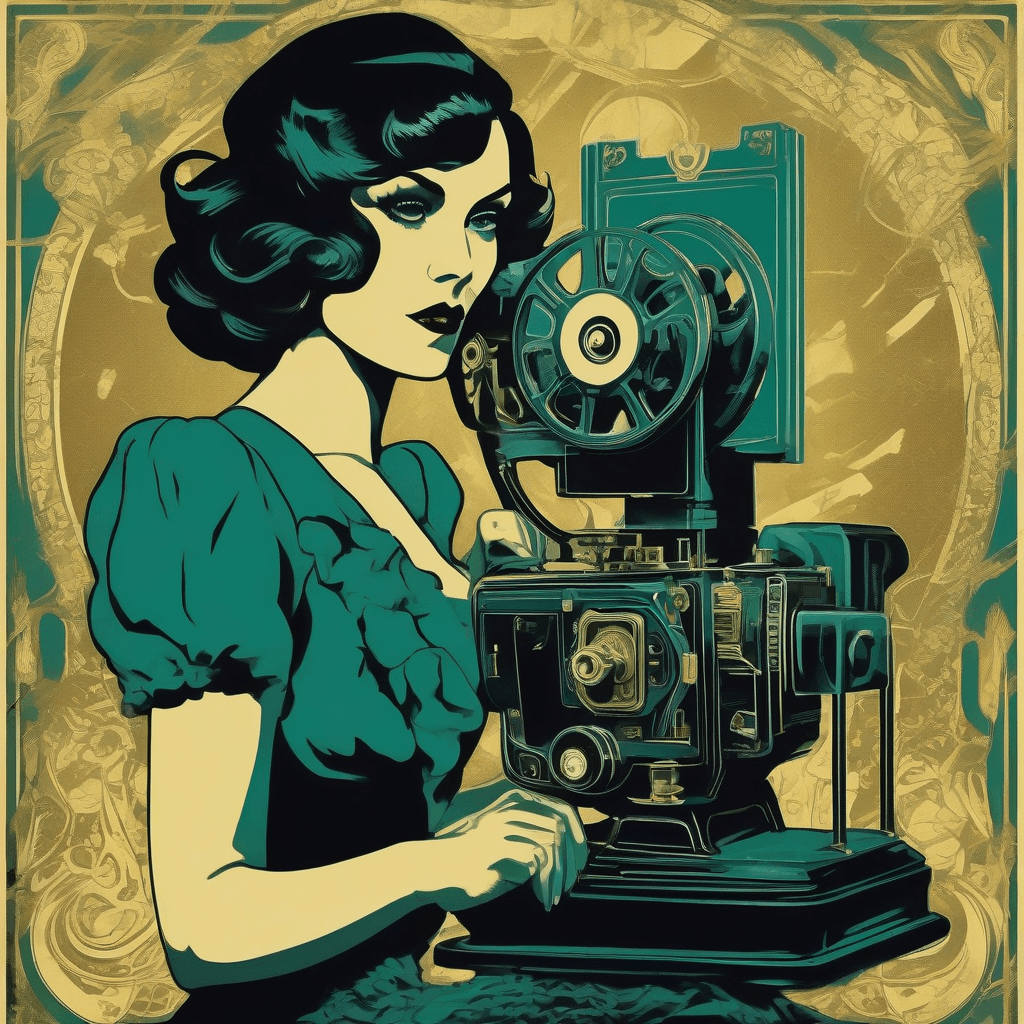
“Explore the hidden foundations of cult cinema through the lens of early 20th-century anomalies, where social transgression and narrative experimentation forged the soul of modern fandom.”
Cult cinema is often defined by its relationship with the audience—a bond forged in the fires of shared obscurity, transgressive themes, and a rejection of the polished mainstream. While the term 'midnight movie' rose to prominence in the 1970s, the genetic markers of this rebellion were present in the earliest decades of the moving image. From 1910 to 1920, a series of narrative anomalies and genre-bending experiments laid the groundwork for what we now recognize as the cult ethos. These were films that didn't just tell stories; they challenged the moral, social, and technical boundaries of their time, creating a spectral blueprint for the devotees of the unusual.
The Radical Advocacy of the Advocacy Reel
One of the most potent elements of cult cinema is its ability to serve as a platform for the disenfranchised or the controversial. Long before the modern true-crime obsession, The Celebrated Stielow Case (1916) functioned as a cinematic intervention. Based on the real-life plight of Charlie Stielow, an immigrant on death row, the film was released while the case was still active. This was not mere entertainment; it was a political provocation designed to sway public opinion and challenge the finality of the legal system. This spirit of advocacy—of using the screen to scream against injustice—is a cornerstone of the cult tradition, where the film becomes a rallying cry for a specific, often marginalized, cause.
Similarly, The Battle and Fall of Przemysl (1915) offered a gritty, documentary-style look at the horrors of World War I. By exposing the shortcomings of the Austro-Hungarian military, it moved beyond simple propaganda into the realm of subversive realism. In these early works, we see the roots of the 'outsider' perspective that defines cult fandom: a preference for the raw, the unvarnished, and the dangerously honest over the sanitized studio product.
Domestic Grotesque and the Comedy of the Absurd
The domestic sphere, usually a site of comfort in mainstream cinema, was frequently subverted in early cult-adjacent works. Dining Room, Kitchen and Sink (1910) presents a road-show narrative that blends the mundane with the criminal, suggesting that the familiar spaces of the home are never quite as safe as they seem. This domestic uncanny is echoed in Bungalow Troubles (1920), where a surprise party spirals into a chaotic exploration of marital friction and social expectation. These films anticipated the 'camp' sensibility, finding humor and horror in the exaggerated performances of everyday life.
Even the short comedies of the era, such as The Fowl Bird and Brownie's Baby Doll, displayed a penchant for the eccentric. They relied on visual non-sequiturs and a sense of the grotesque that would eventually influence the surrealist movements of the mid-20th century. In the world of the cult film, the 'low' art of slapstick often hides a radical rejection of logic, a trait that was clearly blossoming in the 1910s.
The Shadow of the Other: International Genre Bending
Cult cinema has always been a global phenomenon, thriving on the cross-pollination of cultural anxieties and aesthetic styles. Caravan of Death (1920), featuring a young Bela Lugosi, is a prime example of the early century's fascination with the 'exotic' other. Set in the Sahara, it blends adventure with a sense of orientalist dread, creating a template for the desert-bound genre films of the future. The presence of Lugosi, who would become a literal icon of cult cinema, signals the birth of the genre star—an actor whose very presence guarantees a specific type of atmospheric, often transgressive, experience.
Across the globe, films like Tájfun (1917) and I bimbi di nessuno (1916) explored themes of displacement and tragedy that resonated with local audiences while maintaining a universal sense of melodramatic intensity. These films often operated outside the dominant Hollywood narrative structures, favoring elliptical storytelling and emotional extremes. This 'otherness' is precisely what attracts the cult viewer—the sense that they are watching something that was not made for the masses, but for those who understand a different, more complex visual language.
Social Transgression: Class, Money, and Blood
The tension between the 'haves' and the 'have-nots' provided fertile ground for early cinematic rebellion. The House with the Golden Windows (1916) is a haunting exploration of envy and class aspiration. When a poor shepherd and his wife occupy an opulent estate in the owners' absence, the film delves into the psychological toll of poverty and the fragility of social status. This theme of 'usurping' a space is a recurring motif in cult cinema, representing the audience's own desire to inhabit a world that is usually closed to them.
The struggle for survival and the ethics of wealth are further examined in Dollars and the Woman (1916) and Pay Day (1918). In Pay Day, the dapper but evil Kirke Brent embodies the charismatic villain—a figure that cult audiences often find more compelling than the traditional hero. The film’s meta-commentary, featuring the Sidney Drews discussing scenarios before filming, also points toward a self-reflexive quality that would become a hallmark of postmodern cult classics.
The Test of Honor and the Moral Gray
Cult cinema thrives in the moral gray areas where heroes are flawed and villains are justified. The Test of Honor (1919) follows a man seeking revenge after being framed for a crime he didn't commit. This 'wronged man' trope, coupled with a ruthless pursuit of vengeance, aligns perfectly with the vigilante spirit of later cult hits. Similarly, Sporting Blood (1916) deals with the fallout of seduction and gambling, portraying a world where honor is a commodity and blood is the only currency. These films refused to offer easy resolutions, instead leaning into the darker impulses of the human psyche.
The Supernatural Spark and Proto-Horror
The roots of cult horror are deeply embedded in the silents. Teufelchen (1915), with its 'doctor from hell' and devilish elixirs, is a whimsical yet dark precursor to the body horror and supernatural thrillers of later decades. The use of practical effects and fantastical imagery to represent internal states is a primary driver of the cult aesthetic. This visual anarchy—the idea that the screen can represent anything, no matter how grotesque or impossible—is what allows cult cinema to transcend the limitations of reality.
Even in more grounded dramas like During the Plague (1913), the looming specter of death and the cold, reserved nature of the protagonist create an atmosphere of dread that is essential to the genre. The film’s setting in India and its focus on an army surgeon’s duty amidst a biological catastrophe prefigure the 'outbreak' subgenre, proving that the anxieties of the 1910s were just as visceral and pervasive as those of today.
The Feminine Rebellion: Miss Jackie and the New Woman
Early cinema also saw the emergence of the rebellious female lead, a figure that would eventually evolve into the 'final girl' or the 'femme fatale' of cult lore. Miss Jackie of the Navy (1916) features a wealthy Californian daughter whose 'frolicsome nature' and refusal to conform to the expectations of authority (in the form of Captain Robert Crowne) make her a proto-feminist icon. Clover's Rebellion (1917) takes this a step further, as the heiress Clover Dean rejects the suitors chosen by her family in favor of a struggling doctor. These films were subversive acts in their time, portraying women who seized agency in a world designed to keep them passive.
In The Woman Under Cover (1919), the narrative takes a darker turn when a backstage quarrel leads to a killing. The film’s exploration of the cost of fame and the violence inherent in the theatrical world provides a cynical, almost noir-like perspective on the 'American Dream.' This cynicism is a vital ingredient in the cult cocktail, offering a bitter but necessary alternative to the saccharine optimism of mainstream features like Pollyanna (1920)—though even Pollyanna, with its obsessive focus on 'the glad game,' can be read through a cult lens as a form of psychological horror.
Conclusion: The Perpetual Midnight
The films of the 1910s, from A Square Deal to The Wrong Door, were more than just historical curiosities. They were the primordial soup from which the modern cult obsession emerged. They taught us that cinema could be a tool for justice, a mirror for our darkest desires, and a playground for the narratively insane. When we look at a film like The Squaw Man's Son (1917), which deals with the complexities of mixed-race identity and the return to ancestral lands, we see a level of thematic ambition that many modern blockbusters fail to achieve.
The enduring allure of cult cinema lies in its ability to remain 'undiscovered' by the general public while being 'worshipped' by a dedicated few. This niche worship began in the silent era, in the dark theaters where audiences first witnessed the unconventional rhythms of Kapten Grogg och fru or the tragic romance of En Skuespillers Kærlighed. As we continue to dig through the celluloid archives, we find that the spirit of rebellion is not a modern invention, but a timeless pulse that has been beating since the very first flicker of the projector.
Community
Comments
Log in to comment.
Loading comments…