
Cult Cinema Deep Dive
The Anomaly Archive: Tracing the Primal Deviance of Cinema’s Early Misfits and the Birth of the Midnight Mindset
“Explore the forgotten roots of cult cinema through the transgressive, surreal, and rebellious reels of the early 20th century, where cinematic anomalies first ignited the fires of obsessive fandom.”
The genesis of cult cinema is often mistakenly tethered to the 1970s midnight movie craze, a period defined by counter-culture anthems and transgressive spectacles. However, the genetic blueprint of the cinematic outlier was drafted decades earlier. To truly understand why we worship at the altar of the unconventional, we must descend into the flickering shadows of the 1910s and 1920s. This was an era of profound experimentation, where the lack of rigid genre boundaries allowed for the birth of narratives so bizarre, so defiant, and so visually arresting that they laid the foundation for what we now recognize as cult obsession.
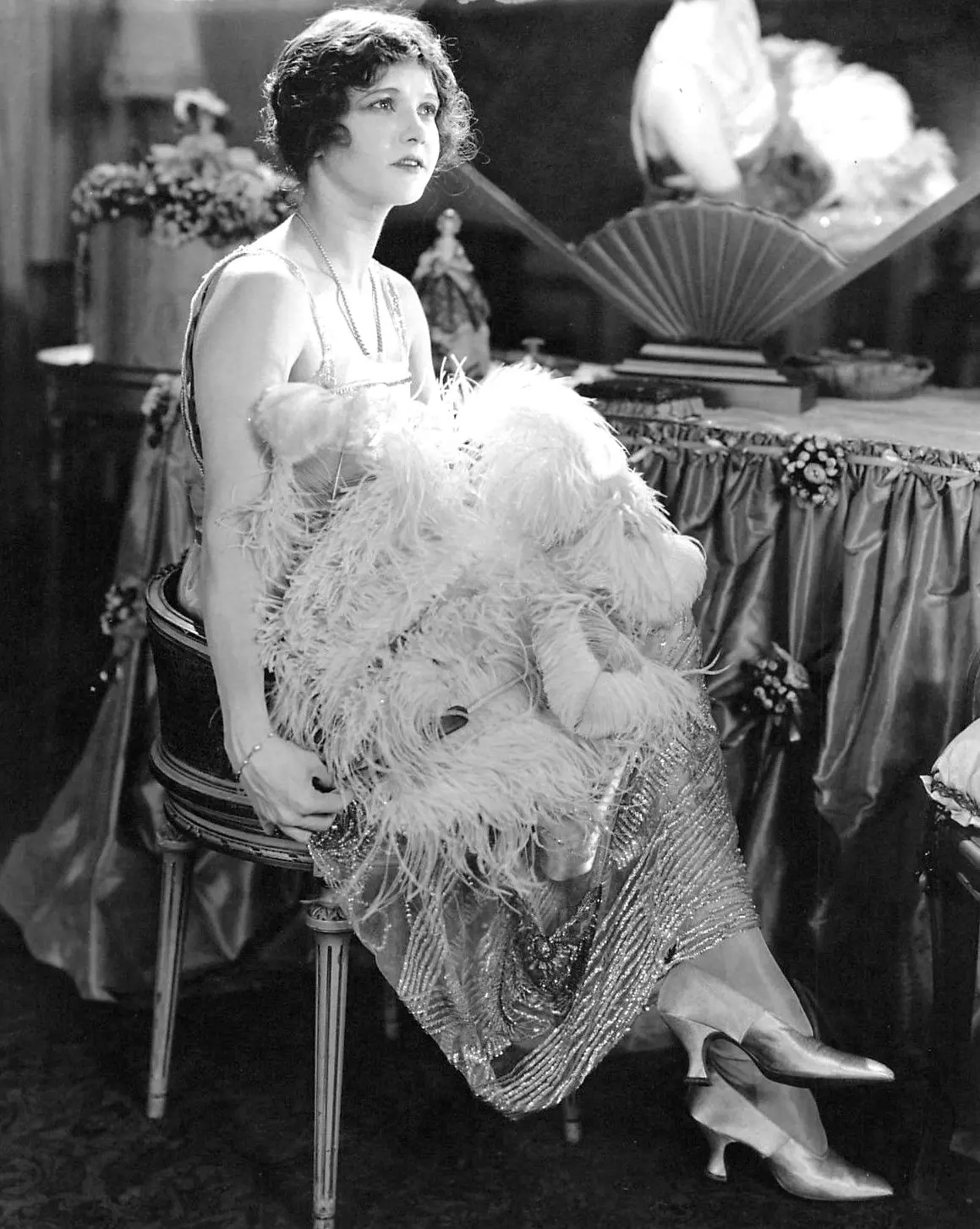
The Transgressive Seed: Sacrifice (1918) and the Birth of Proto-Horror
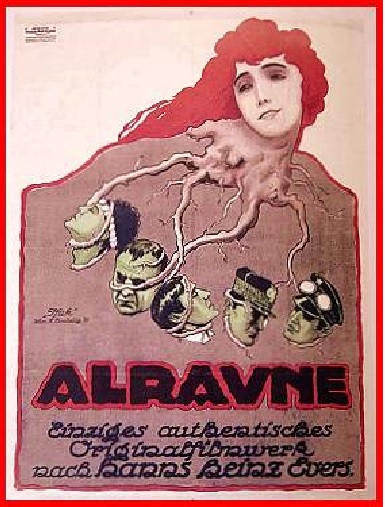
Perhaps no film from the silent era better encapsulates the spirit of the cult underground than Sacrifice (1918). In a plot that feels decades ahead of its time, an insane doctor named Ten Brinken uses the semen of a dead man to artificially inseminate a prostitute. The resulting child, a beautiful but inherently evil woman, eventually turns against her creator. This is not merely a melodrama; it is a transgressive masterwork that predates the modern body-horror genre. The themes of scientific hubris, moral decay, and the creation of a 'monster' through unnatural means are the very pillars upon which cult classics like The Rocky Horror Picture Show or Eraserhead were eventually built.
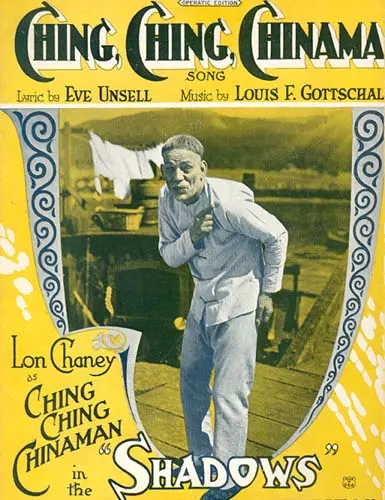
The allure of Sacrifice lies in its willingness to confront the taboo. In 1918, the concept of artificial insemination was not just scandalous; it was perceived as a violation of the natural order. By placing this narrative on screen, the filmmakers invited a specific kind of gaze—one that sought out the uncomfortable and the grotesque. This 'outsider' perspective is the heartbeat of cult cinema, proving that the desire for the forbidden has always been a driving force in film history.
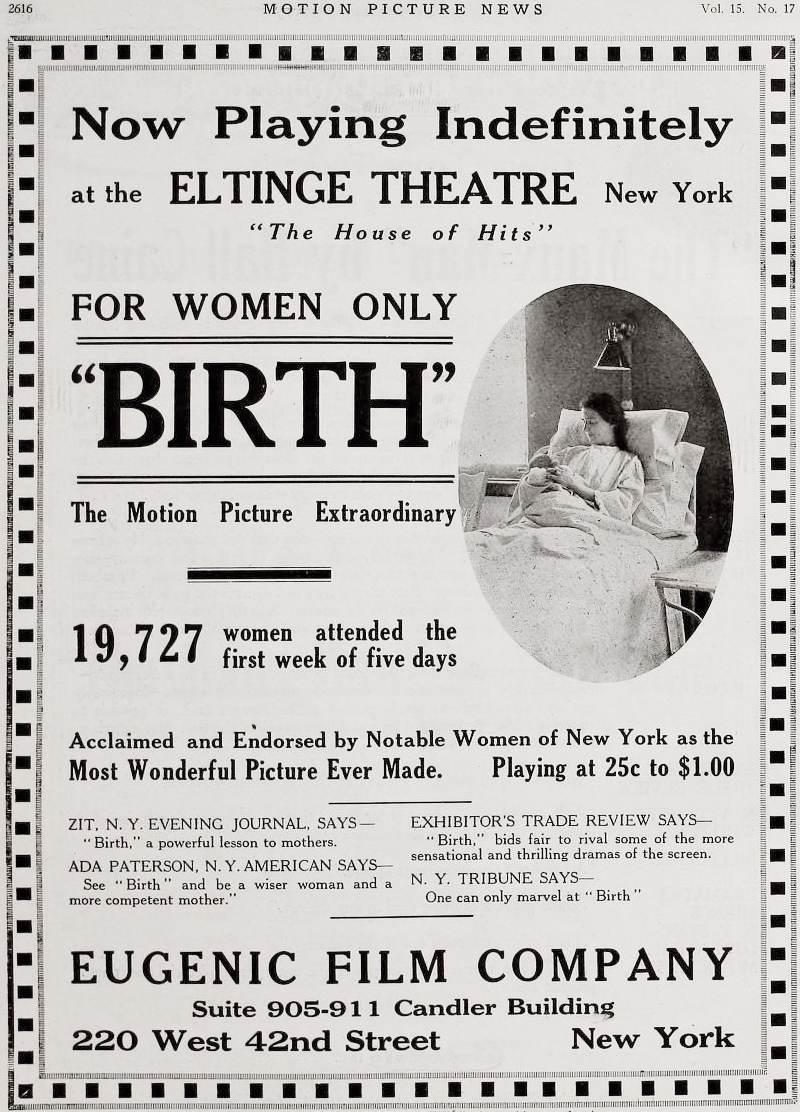
Meta-Narratives and the Illusion of the West: Wild and Woolly
While horror provides the shock, meta-commentary provides the intellectual depth often found in cult favorites. Wild and Woolly offers a fascinating early example of cinema reflecting upon its own mythology. The story follows a rich newcomer whose fantasies of the 'Wild West' are so potent that the civilized inhabitants of a modernized town decide to recreate their rowdy heyday just to indulge him. This narrative subversion plays with the audience's expectations of the Western genre, much like how modern cult hits like Blazing Saddles or Repo Man deconstruct their respective tropes.
In Wild and Woolly, the 'reality' of the film is a performance within a performance. This layering of artifice creates a distance that allows the audience to appreciate the film not as a straightforward adventure, but as a commentary on the power of the cinematic image. It suggests that the 'Wild West' is a construct of the mind, a theme that resonates deeply with the post-modern sensibilities of contemporary cult fandom.
Reincarnation and the Occult: The Fantasy of Buried Treasure
The cult mindset is often drawn to the esoteric and the spiritual, seeking out films that explore the boundaries of human existence. Buried Treasure taps into this fascination by weaving a tale centered around the idea of reincarnation. Moving between the days of Spanish pirates and the 'present' of the 1920s, the film suggests a cosmic continuity that defies the linear passage of time. This blend of romance, fantasy, and adventure creates a dreamlike atmosphere that is a hallmark of the cult aesthetic.
Films like Buried Treasure provided an escape from the mundane reality of post-war life, offering a glimpse into a world where the past is never truly gone. This 'spectral' quality—the sense that there is a hidden world just beneath the surface—is what keeps audiences returning to certain films year after year, turning them into objects of ritualistic viewing.
The Rebel Soul: The Zeppelin's Last Raid and Political Defiance
Cult cinema is frequently a cinema of resistance. The Zeppelin's Last Raid provides a stark look at the conflict between duty and conscience during the height of World War I. The story of a German airship commander whose sweetheart belongs to a rebel group working to overthrow the Kaiser is a potent cocktail of war drama and political subversion. It highlights the rebel heart that beats within many cinematic anomalies.
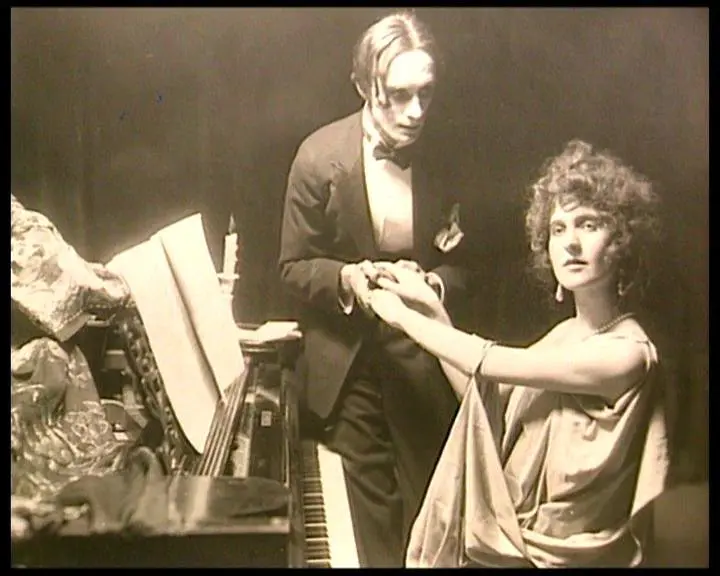
The commander’s internal struggle reflects the societal anxieties of the era, but it does so through the lens of a high-stakes aerial thriller. This ability to mask radical ideas within genre frameworks is a tactic used by cult directors throughout history, from the sci-fi allegories of John Carpenter to the transgressive satires of Paul Verhoeven. In The Zeppelin's Last Raid, the airship itself becomes a symbol of both technological power and impending doom, a visual metaphor that sticks in the mind long after the credits roll.
Surrealism in the Everyman: The Comedy of the Absurd
Not all cult films are dark or political; many find their following through sheer, unadulterated weirdness. The short film He Got It is a prime example of the surrealist humor that permeated early comedy. Mistaken for a sheriff in a remote woodland, the protagonist encounters a band of hillbillies comprised of chorus girls in ragged costumes and a 'tall ugly girl.' This absurdist imagery defies logic and leans into the grotesque, creating a viewing experience that is both jarring and hilarious.
Similarly, Off His Trolley uses the physical comedy of the era to present a world where passengers are lifted onto trolley cars with derricks. These films reject the 'simple life' in favor of a chaotic, mechanical madness. This embrace of the nonsensical is a direct ancestor to the 'so bad it's good' or 'intentionally bizarre' movements in modern cult circles. It proves that the anarchy of the frame has always been a valid form of artistic expression.
Fairy Tales and Faked Deaths: The Darker Side of Innocence
The subversion of childhood innocence is another recurring theme in the cult canon. The Babes in the Woods takes the classic Hansel and Gretel story and injects it with a cynical, adult-oriented plot involving a millionaire faking his death to test his wife's loyalty. The wife and brother’s plot to kill the children for their inheritance turns a children's fable into a noir-inflected nightmare.
This juxtaposition of the innocent and the predatory is inherently unsettling. Cult cinema thrives in this 'in-between' space, where the familiar is made strange and the safe is made dangerous. By using a fairy tale as a blueprint for a story about greed and murder, the film challenges the moral simplicity of the era, much like the twisted animations of Jan Švankmajer or the dark fantasies of Guillermo del Toro.
The Architecture of the Abnormal: Why the Misfit Endures
When we look at films like The Butterfly—where a hunchback seeks revenge by luring a woman's stepdaughter onto the stage—we see the early stirrings of the 'Other' as a central protagonist. The hunchback is not merely a villain; he is a catalyst for drama, a figure shaped by rejection and bitterness. This focus on the marginalized and the deformed is a hallmark of cult cinema, which often champions the underdog or the outcast.
Whether it is the 'square' gambler in Kaintuck's Ward who saves his rival, or the town drunk in Life's Shadows who supports the very people who despise him, these characters represent a moral complexity that was often absent from the mainstream 'prestige' pictures of the time. They are the misfit icons that a certain subset of the audience could relate to—those who felt out of step with the rigid social structures of the early 20th century.
Conclusion: The Eternal Flicker of the Fringe
The 50 films referenced in this archive—from the elopement chaos of Why Smith Left Home to the desert marauders of Arabian Love—are more than just historical curiosities. They are the primordial soup from which the modern cult sensibility emerged. They remind us that cinema has always been a medium for the rebellious, the weird, and the transgressive.
The 'Midnight Mindset' is not about the time of day a film is screened; it is about the state of mind of the viewer. It is a search for the authentic, the unpolished, and the daring. As we look back at the anomaly archive of the silent era, we recognize the same spark that ignites fandoms today. We gather in the dark to witness the unconventional, to celebrate the misfits, and to find beauty in the shadows of the screen. The cult of cinema is eternal, and its roots are buried deep in the fertile, anarchic soil of our earliest moving images.
Community
Comments
Log in to comment.
Loading comments…