
Cult Cinema Deep Dive
The Architect of Obsession: How Early Cinema’s Genre Deviants and Moral Rebels Sculpted the Cult Movie Soul
“A deep-dive exploration into the silent era roots of cult cinema, examining how early genre-bending films and transgressive narratives created the blueprint for today’s midnight movie devotion.”
Cult cinema is often discussed as a phenomenon of the 1970s—the era of the midnight movie, the grindhouse, and the rise of the specialized fan. However, the DNA of the cult film was actually spliced decades earlier, in the flickering shadows of the silent era and the early talkies. To understand why we worship the weird, the transgressive, and the misunderstood today, we must look back at the genre deviants and moral outcasts of early cinema. These were films that didn't just entertain; they challenged social norms, experimented with narrative structure, and spoke to niche audiences who felt excluded from the mainstream marquee.

The Vigilante Blueprint: Serials and the Birth of Fandom
Long before modern superhero franchises dominated the box office, early cinema had its own masked icons that inspired a fervor bordering on the religious. Take, for instance, the twelve-part serial Judex. Directed by the visionary Louis Feuillade, this film followed a masked vigilante fighting against corruption and financial greed. It wasn't just a crime drama; it was a myth-making exercise. The character of Judex represented a proto-cult figure—a man operating outside the law to enforce a higher moral code. This archetype of the shadowy protector would later become a staple of cult cinema, from the dark deco of Batman to the gritty anti-heroes of the 1980s.

What makes Judex a cult precursor is its episodic nature and its reliance on visual iconography. Fans didn't just watch it; they followed it, obsessed over the cliffhangers, and internalized the vigilante’s struggle. This level of engagement is the bedrock of cult devotion. It’s the transition from passive viewing to active participation, a hallmark of the "midnight" mindset.

The Scarlet Strain: Cinema’s Early Moral Outcasts
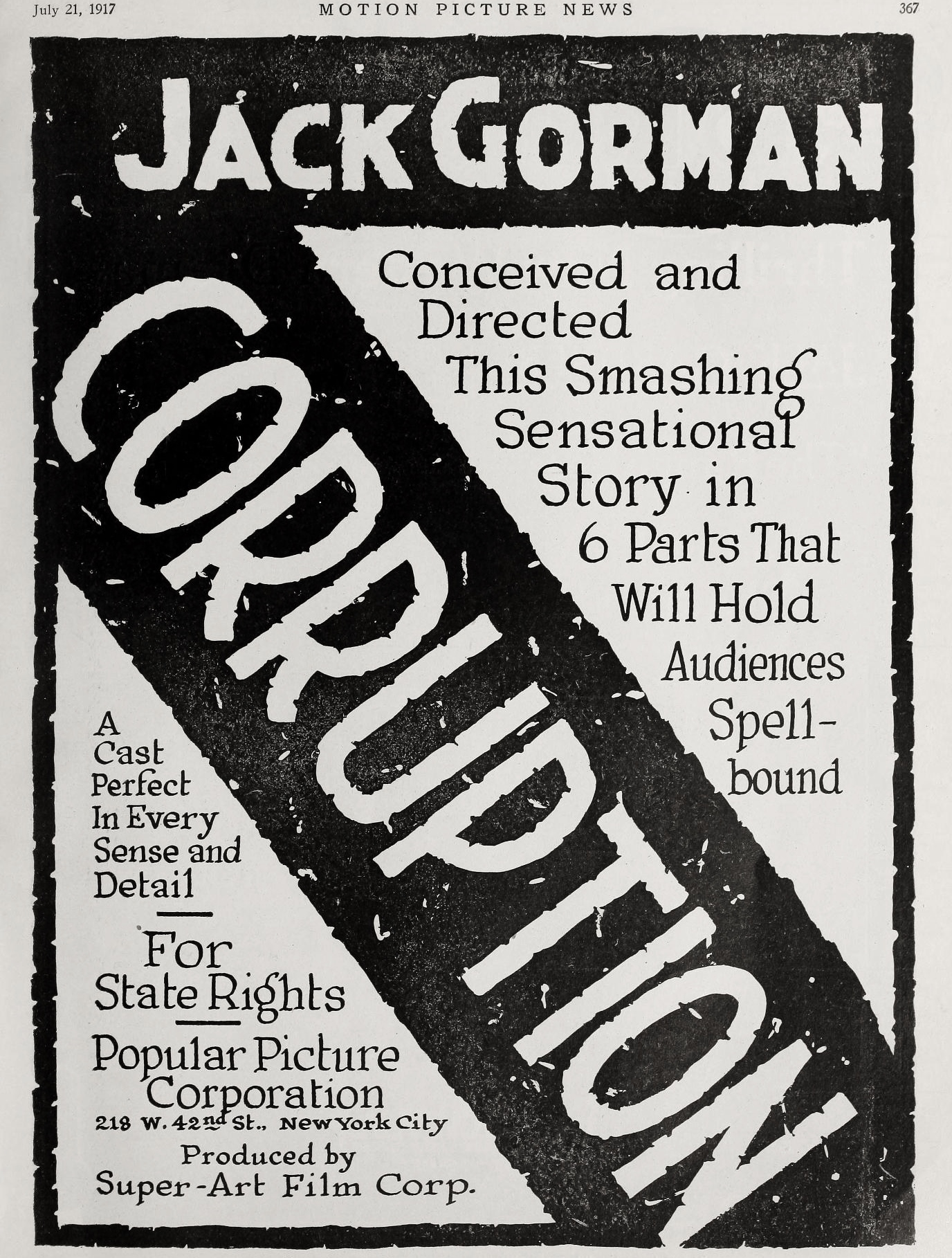
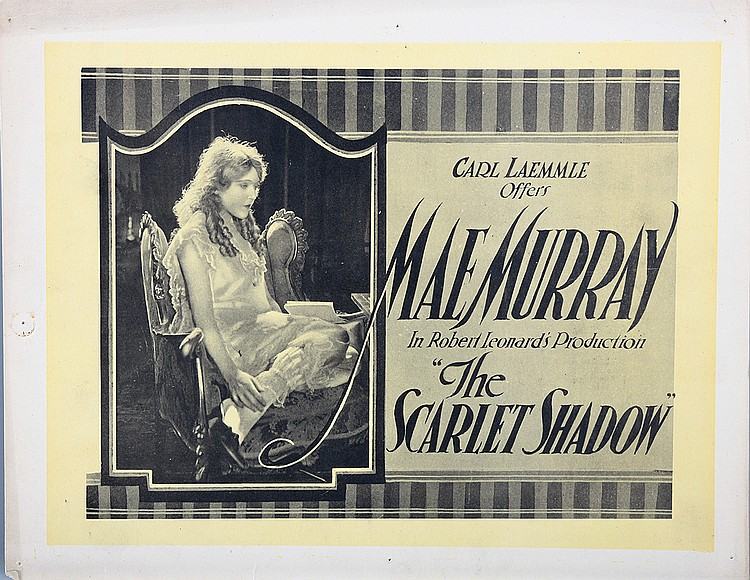
Cult films are frequently defined by their relationship with the "Other." They often feature characters who are socially ostracized or morally ambiguous. In the early film The Scarlet Shadow, we see the concept of the "scarlet strain"—a belief that moral deviance is an inherited trait. This film, which centers on a young woman raised by a moralistic aunt who fears her niece's inherent corruption, perfectly encapsulates the transgressive spirit that cult audiences find so magnetic. Cult cinema often serves as a sanctuary for those who feel they carry their own "scarlet strain," providing a space where the outcast is the protagonist.
Similarly, films like Hungry Hearts brought the immigrant experience to the screen with a raw intensity that predated the social realism of later decades. By focusing on the hopes and hardships of Jewish women in New York, it spoke to a specific, underserved audience. In the world of cult cinema, the specific is universal. The more a film leans into a niche identity or a fringe experience, the more likely it is to be adopted by a devoted subculture that sees its own reflection in the celluloid.
The Anarchy of the Kinetic: Surrealism in Early Comedy
If cult cinema is about breaking the rules, then early silent comedies were the ultimate rebels. The physical anarchy found in films like Cops represents a type of proto-surrealism that would later define the works of cult directors like David Lynch or Terry Gilliam. In Cops, a series of mishaps leads a young man to be chased by an entire city's police force. The sheer scale of the pursuit and the dreamlike logic of the gags create a sense of cinematic vertigo. This isn't just slapstick; it’s an assault on order and authority.
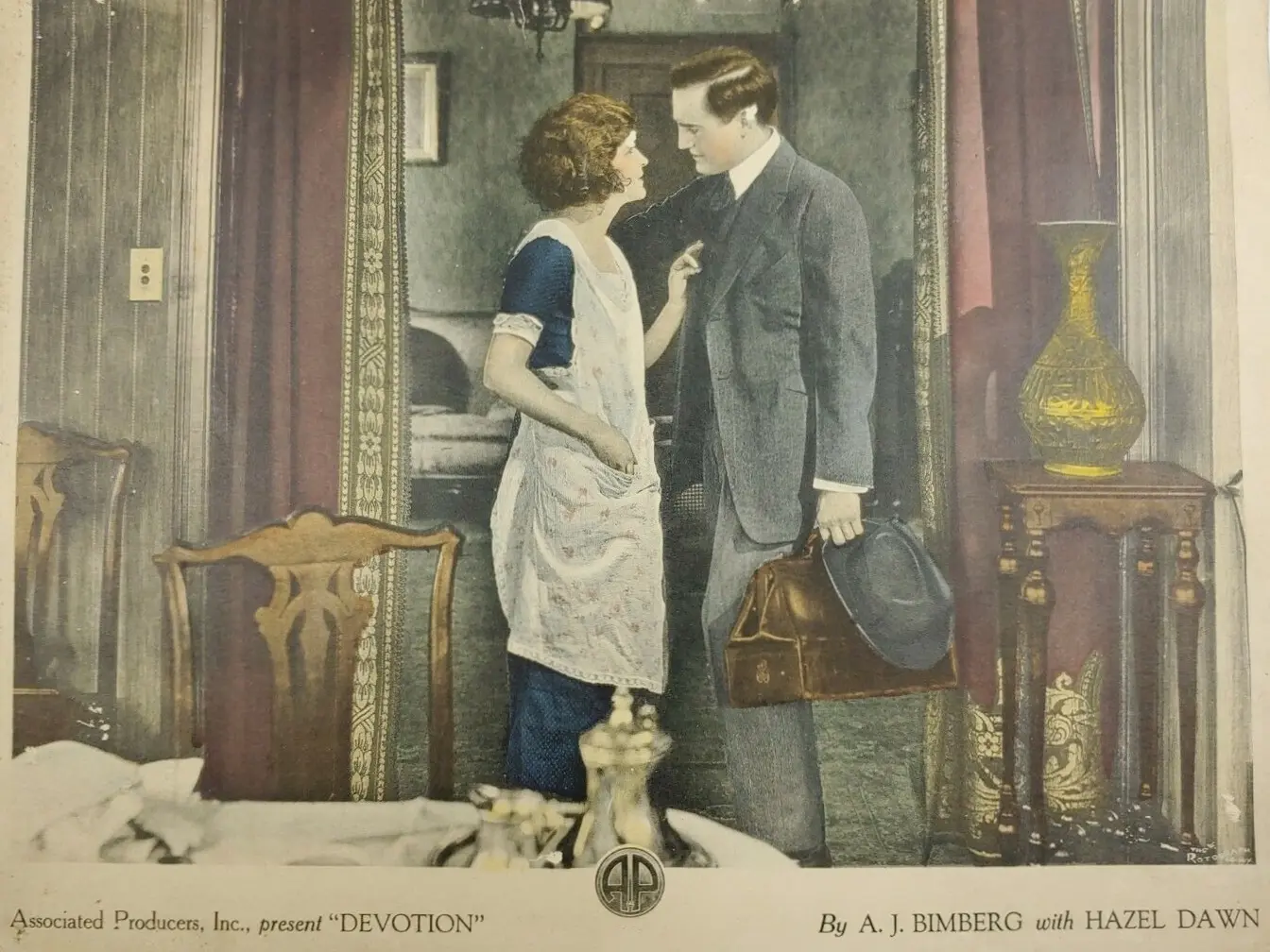
This kinetic energy is also present in The Desperate Hero, where a young man raffles off his car just to afford a date. These narratives of desperation, fueled by a manic, almost frantic pacing, resonate with the cult ethos of "doing whatever it takes." The low-budget ingenuity of these early creators mirrors the DIY spirit of the cult filmmakers of the 1960s and 70s who worked on the fringes of the studio system.
Social Storms and the Undercurrent of Rebellion
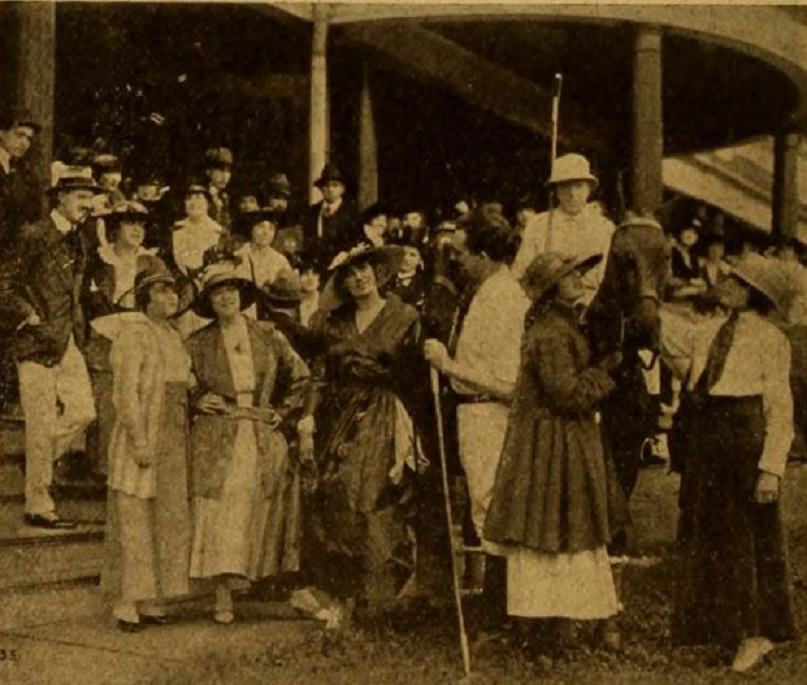
The post-World War I era was a period of intense social upheaval, and the cinema of the time reflected this instability. Films like The Undercurrent and A Friend of the People delved into the class struggles and industrial tensions of the age. The Undercurrent, in particular, explores the trauma of a returning soldier who finds his place in society has been usurped. This sense of displacement and the subsequent radicalization of the character is a theme that echoes through the history of cult cinema, which often thrives on the disillusionment of the individual against the machine of the state.
In A Friend of the People, the divide between the lower classes and the elite is portrayed as a "social storm." This imagery of the storm is central to the cult experience; these films are often the lightning rods for social friction. They don't shy away from the darker aspects of the human condition—greed, betrayal, and the crushing weight of poverty. Consider Trail of the Axe, a drama involving revenge and industrial sabotage. These are not "safe" stories. They are jagged, uncomfortable, and raw, which is exactly why they endure in the margins of film history.
The Domestic Transgression: Decoding the Family Cupboard
While many cult films are celebrated for their external action, a significant subset focuses on the rot within the domestic sphere. Early works like The Family Cupboard and Honor's Altar peel back the veneer of middle-class respectability to reveal a world of transactional relationships and hidden infidelities. In Honor's Altar, a financial titan essentially "buys" a man to take his place in a failing marriage. This type of narrative cynicism is a hallmark of cult cinema, which frequently seeks to expose the hypocrisy of traditional institutions.
Even the comedies of the era, such as The Married Flapper or Mary's Ankle, toyed with the boundaries of social propriety. These films utilized mistaken identities and bold flirtations to poke fun at the rigid moral codes of the time. This spirit of playfulness, combined with a willingness to engage with taboo subjects like infidelity and financial ruin, laid the groundwork for the "camp" and "trash" aesthetics that would later become synonymous with cult icons like John Waters.
International Shadows: The Global Roots of the Weird
Cult cinema has always been a global conversation. Long before the "Asian Extreme" or "French New Extremity" movements, international films were pushing the boundaries of what was acceptable on screen. The Russian film Lyubov statskogo sovetnika (The Love of a State Councilor) and the Danish Gengældelsens ret (The Right of Retaliation) offered perspectives that were aesthetically and tonally distinct from the Hollywood machine. These films often dealt with themes of obsessive love and cold-blooded revenge, presented with a visual flair that felt alien to Western audiences.
This "otherness" is a primary driver of cult status. When a film feels like it comes from another world—whether that world is a different country or a different mental state—it attracts a specific type of viewer who craves the unfamiliar. The haunting performances in these early European and Russian dramas provided a blueprint for the atmospheric dread that would become a staple of cult horror and noir.
The Alchemical Mystery: From Obscurity to Immortality
What is the secret ingredient that turns an obscure film like The House of a Thousand Candles or Queen of the Forty Thieves into a subject of fascination? It is often a combination of rarity, eccentricity, and a singular vision. These films, often lost to time or preserved only in fragmented reels, possess an aura of the forbidden. To watch a film like Full o' Spirits, which involves a seance and accidental hauntings, is to engage in a cinematic ritual. We are looking into a past that was just as weird, just as obsessed with the occult and the unknown, as we are today.
The cult film is an accidental masterpiece. It is a film like The Sea Master, where a fierce captain and a vengeful sailor clash on the Barbary Coast, or The Salamander, which pits a nature-loving "woodland nymph" against the call of the corrupt city. These films don't follow the rules of the "well-made play." They are messy, ambitious, and often bizarre. And it is in that messiness that the cult fan finds beauty. We don't love these films because they are perfect; we love them because they are authentically strange.
Conclusion: The Eternal Flame of the Misfit Reel
The history of cult cinema is not a straight line; it is a web of connections, a series of echoes that stretch back to the very dawn of the medium. When we watch a modern cult classic, we are seeing the descendants of the Huntsman posing as a count, or the "some boy" expelled from college in Some Boy who finds his way through sheer audacity. These stories of reinvention, rebellion, and resilience are the core of the cult experience.
Early cinema provided the laboratory where the formulas for cult devotion were first tested. By embracing the outcast, the vigilante, the surreal, and the social rebel, these early filmmakers ensured that cinema would always have a place for the misfit. As long as there are films that defy definition, there will be audiences waiting in the dark to claim them as their own. The cult doesn't just watch; the cult remembers. And in that remembering, these forgotten reels achieve a form of cinematic immortality that no blockbuster can ever touch.
Community
Comments
Log in to comment.
Loading comments…