
Film History
The Architecture of Outrage: How the Silent Era’s Social Pariahs Invented the Cult of the Transgressive
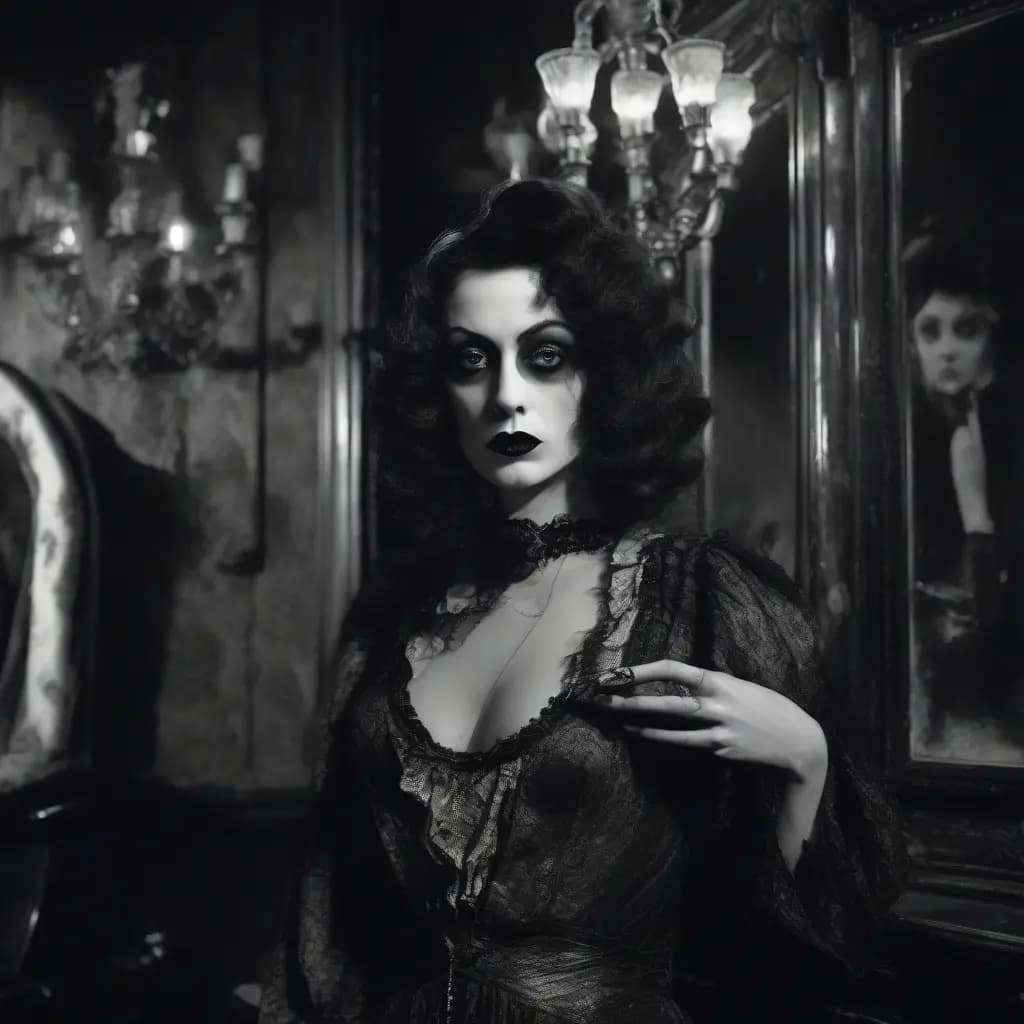
“Beyond the flickering slapstick of the 1910s lies a darker, more visceral history of social rebellion. Discover how early cinema’s obsession with 'fallen' women and class warfare forged the very DNA of modern cult obsession.”
We have been fed a sanitized lie about the 'innocence' of the silent era. The popular imagination often reduces the first three decades of cinema to flickering slapstick, histrionic damsels tied to train tracks, and the safe, pantomimed morality of a bygone age. But if you peel back the layers of nitrate and look into the jagged shadows of the 1910s and early 20s, you find a cinema that was far more dangerous, more visceral, and more obsessed with the rot of the status quo than anything the mainstream produces today. This was the era of the social pariah—the birth of a cinematic language dedicated to the 'unwanted,' the 'fallen,' and the 'unjustly accused.' It is here, in the grime of the pre-code social drama, that the true DNA of the transgressive cult film was synthesized.

The early 20th century was a pressure cooker of industrial expansion and Victorian collapse. Cinema didn't just record this; it weaponized it. While the censors were still sharpening their shears, a wave of filmmakers began exploring themes of sexual agency, class-based vengeance, and systemic corruption. These weren't just stories; they were provocations. When we watch a modern cult masterpiece that challenges our moral compass, we are seeing the echoes of a rebellion that started with a hand-cranked camera and a willingness to stare directly into the gutter.
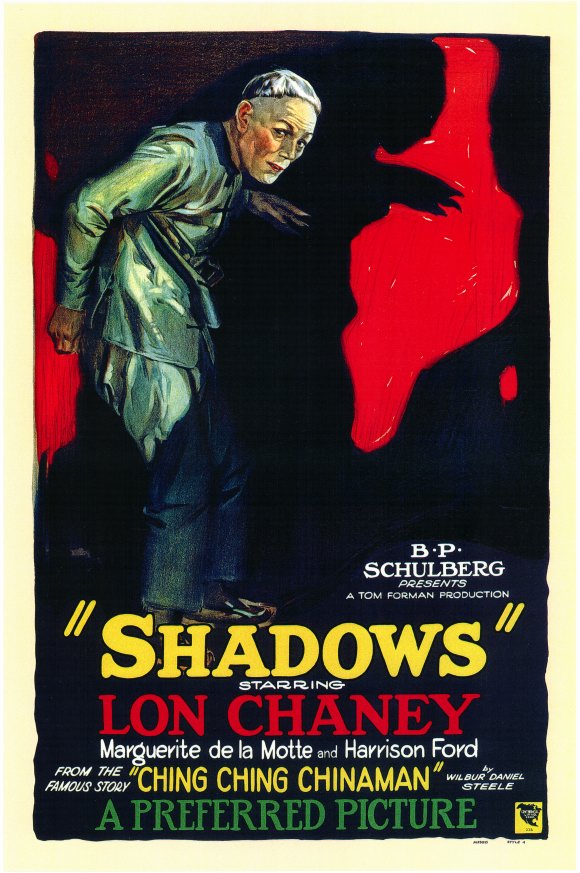
The Vamp as a Social Wrecking Ball
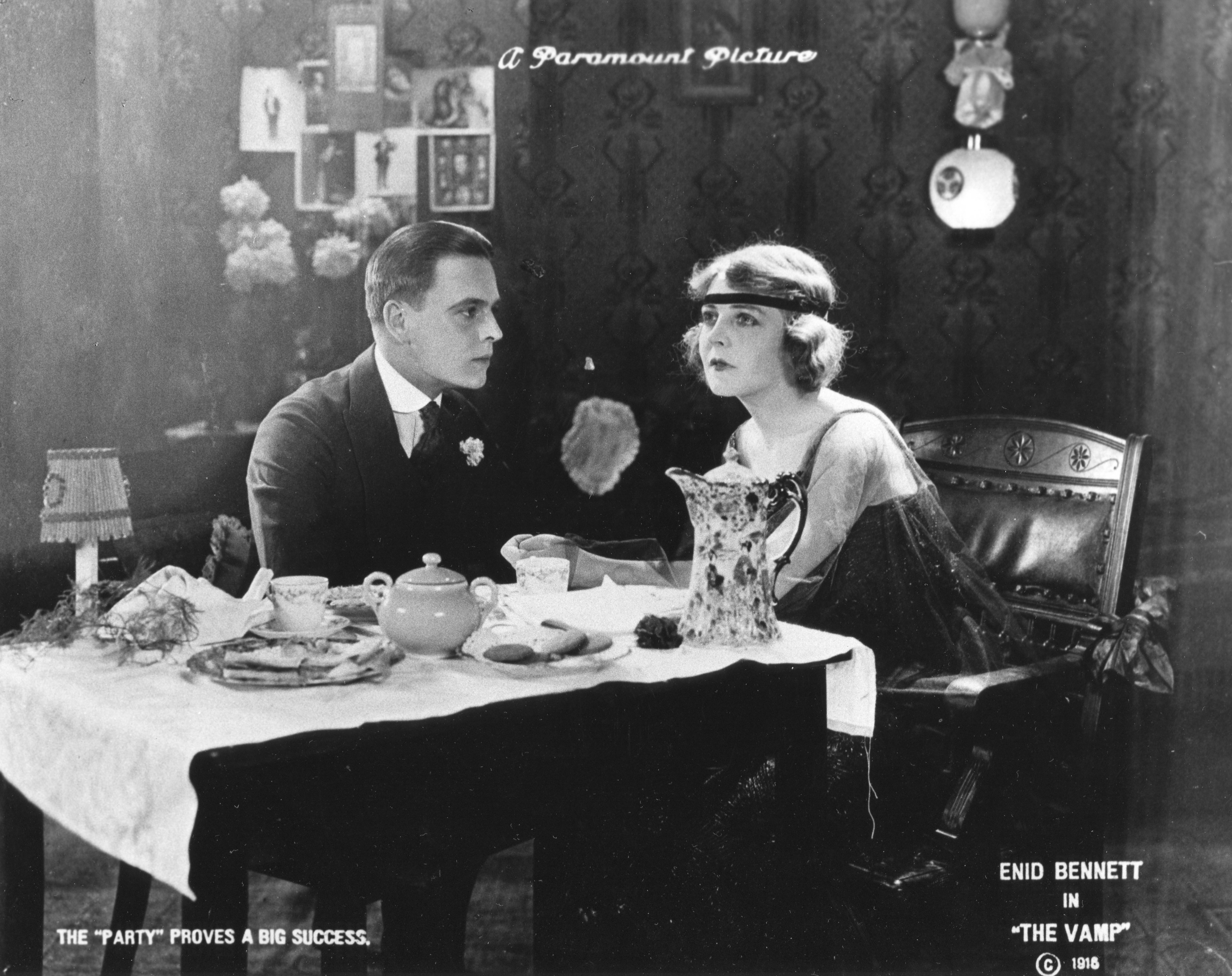
Long before the femme fatale of noir or the 'final girl' of horror, there was the Vamp. Often dismissed as a mere caricature, the Vamp—embodied most famously by figures like Theda Bara—was actually a radical disruption of the domestic ideal. In The Eternal Sappho (1916), we see the blueprint for the transgressive anti-heroine. This isn't a story of a woman seeking redemption; it’s a story of a woman using her sexuality as a scalpel to dissect the hypocrisy of the wealthy elite. The 'vampire' character was a predator, yes, but she was a predator created by a society that offered women only two roles: the saint or the servant.
In The Clemenceau Case (1915), Bara’s character isn't just a 'bad woman'; she is a force of nature that exposes the fragility of the male ego and the hollowness of the marriage contract. These films were consumed by audiences with a fervor that borders on the religious—a hallmark of the cult experience. Viewers weren't just watching a movie; they were participating in a ritualistic dismantling of the moral order. The Vamp was the first cult icon because she represented the 'Other'—the person who refuses to play by the rules of polite society and instead burns the drawing room down from the inside.
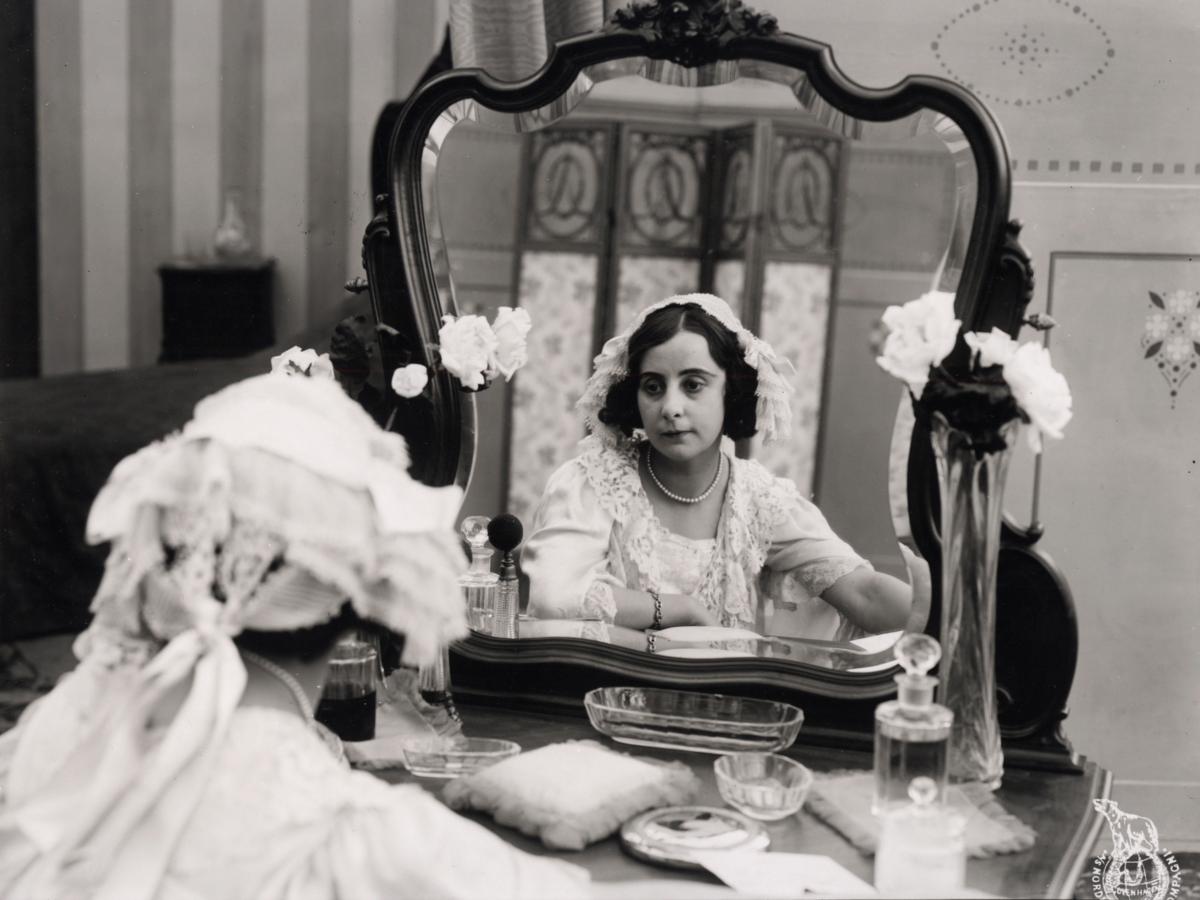
The silence of these films was never a lack of voice; it was a scream that didn't need sound to shatter the glass of the Victorian parlor.
The Cult of the Wronged: Class Warfare in the Silent Frame
If the Vamp attacked the bedroom, the social realist dramas of the 1910s attacked the courtroom and the counting house. One of the most potent examples of this is Within the Law (1917). Mary Turner is a shopgirl unjustly convicted of a crime she didn't commit. In a modern blockbuster, she might seek to prove her innocence through the 'proper' channels. But in this proto-cult narrative, Mary Turner does something far more satisfying: she studies the law to learn how to break it legally. She becomes a high-society racketeer, a woman who uses the system’s own rot against itself.
This theme of systemic injustice is the bedrock of the 'vigilante' cult subgenre. Mary Turner is the direct ancestor of every character who has ever decided that 'justice' and 'the law' are two very different things. The film’s focus on the 'unjustly convicted' resonated deeply with a working-class audience that felt the boot of the industrial machine on their necks. It wasn't just entertainment; it was a survival manual for the disenfranchised. We see this same raw, unvarnished look at poverty in Lois Weber’s Shoes (1916), a film that treats the struggle for a pair of footwear with the gravity of a Shakespearean tragedy. These films didn't look away from the grime; they celebrated the resilience of those living in it.
The Global Geometry of Despair
The obsession with the social pariah wasn't limited to Hollywood's backlots. Across the Atlantic, European and Middle Eastern filmmakers were pushing the boundaries even further, often with a more cynical, fatalistic edge. In Hungary, Michael Curtiz (then Mihály Kertész) was crafting masterpieces like Az utolsó hajnal (1917). This film, with its dizzying plot of suicidal heirs and shifting identities, feels like a precursor to the psychological thrillers of the 1960s. It captures a sense of existential dread that was unique to a continent on the brink of total collapse.
Similarly, in the Ottoman Empire, films like Istanbul'da Bir Facia-i Ask (1922) explored the tragic collision of traditional values and the chaotic reality of the armistice years. These films are essential to the cult canon because they represent the 'lost' voices of cinema—works that were often banned, censored, or forgotten because they spoke too truthfully about the trauma of their time. They remind us that the cult impulse is a global one, born from the need to process collective pain through the lens of the extreme.
The 'Social Hygiene' Loophole: Exploitation’s Secret Origins
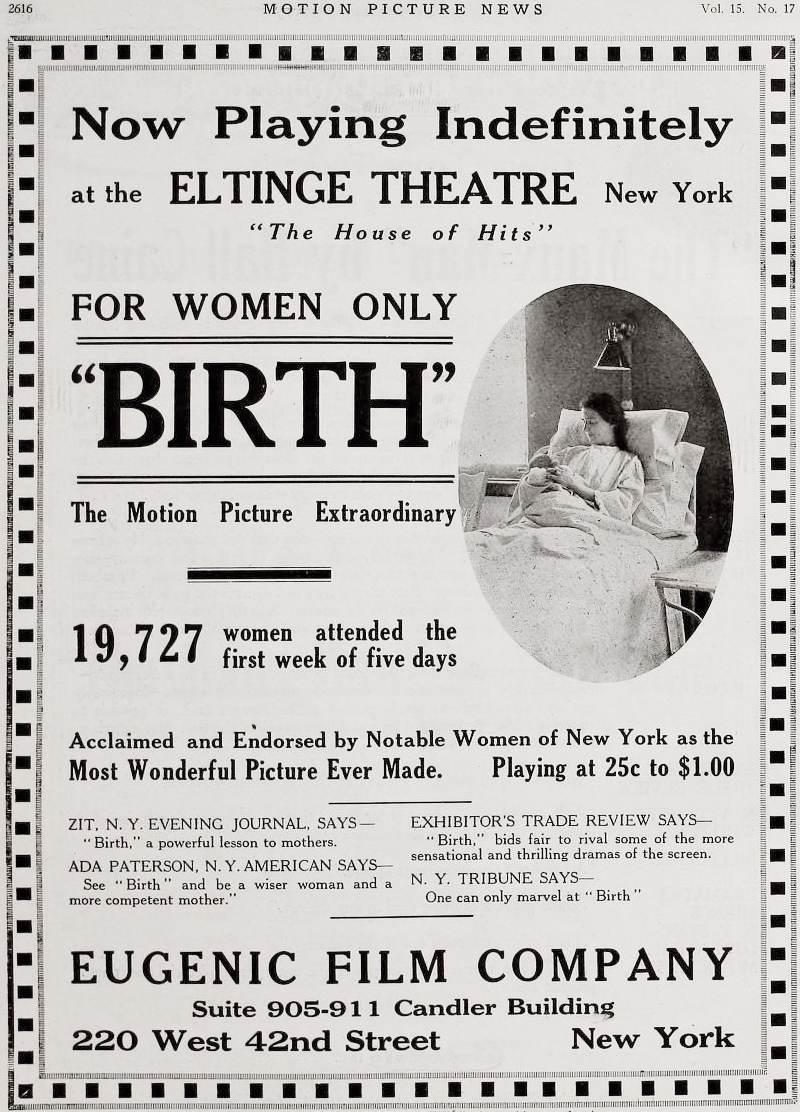
One of the most fascinating chapters in the birth of the transgressive cult is the rise of the 'social hygiene' film. These were movies that ostensibly existed to 'educate' the public on taboo subjects like childbirth, venereal disease, and divorce, but in reality, they provided a loophole for filmmakers to show the forbidden. Films like Maternity (1917) or Temporary Marriage (1919) dealt with topics that were strictly off-limits in 'polite' cinema.
In Temporary Marriage, the narrative follows a woman who celebratory divorces her 'stodgy' husband and descends into a world of gambling and 'dangerous' associations. While the film might end with a moralistic warning, the bulk of its runtime is dedicated to the thrill of the transgression itself. This 'moral masquerade' is the exact same tactic used by the exploitation filmmakers of the 1960s and 70s. The 'educational' framing was a thin veil that allowed the audience to indulge in the spectacle of the taboo. It created a specific type of viewer: the one who knows they are seeing something they aren't supposed to see. That conspiratorial relationship between the screen and the audience is the very definition of a cult following.
- The Forbidden Subject: Using 'education' as a shield for exploitation.
- The Moral Masquerade: Why the ending of a film matters less than the transgressive middle.
- The Voyeuristic Gaze: How early cinema taught us to love the 'scandalous' reel.
Outcasts and Abandoned Souls: The Humanity of the Gutter
At the heart of every cult film is a character who has been discarded by the world. In Outcast (1917), we follow Miriam Gibson, a woman seduced, abandoned, and forced into prostitution to provide for a child that eventually dies. It is a bleak, uncompromising look at the consequences of male cruelty and societal indifference. But Miriam isn't a passive victim; she is a survivor who navigates a world that wants her to disappear. This 'humanity of the gutter' is what attracts us to cult cinema. We see ourselves in the outcasts, the misfits, and the people who have been told they don't belong.
Even in lighter fare, like Pots-and-Pans Peggy (1917), we see the 'servant' character—the person usually relegated to the background—become the hero of the story. Peggy is a maid who manages to fix the broken lives of her 'superiors' while supporting her own family. These films flipped the script. They told the audience that the person cleaning the floors or walking the streets had a story more compelling, more 'real,' than the people in the mansions. This inversion of the social hierarchy is a powerful drug, and it is one that cult cinema has been dealing in for over a century.
The Lingering Shadow of the Silent Pariah
Why do these century-old reels still matter to the modern cult enthusiast? Because the battles they were fighting haven't ended. The struggle against systemic injustice, the fight for sexual autonomy, and the rebellion against a rigid class structure are still the primary engines of transgressive art. When we watch a film like Within the Law, we aren't just looking at a museum piece; we are looking at the foundation of the anti-establishment mindset.
The silent era's social pariahs were the first to prove that cinema could be a mirror held up to the darkest corners of the human experience. They showed us that the 'scandal' wasn't the film itself, but the reality the film was reflecting. By embracing the 'fallen' and the 'unwanted,' these early filmmakers didn't just invent a genre; they invented a way of seeing. They taught us that there is beauty in the breakdown, and that the most important stories are often the ones the world tries to bury in the archives. As long as there are people who feel like outsiders, the architecture of outrage built by the silent era will continue to house the soul of cult cinema.
Community
Comments
Log in to comment.
Loading comments…