
Cult Cinema, Deep Dive
Beyond the Spotlight: Unearthing the Enduring Power of Cinema's Unconventional Icons

“Cult cinema thrives in the shadows, creating devoted communities around films that defy mainstream sensibilities and often find their true voice years after their initial release. This deep dive explores the magnetic allure of these unconventional masterpieces and the fervent loyalty they inspire, t…”
In the vast, ever-expanding tapestry of cinematic history, certain films refuse to fade into obscurity. They are not always the blockbusters, the critical darlings, or the Oscar winners. Instead, they are the unconventional icons, the cinematic rebels that carve out a niche in the collective consciousness, gathering fervent disciples long after their initial release. This phenomenon, known as cult cinema, is a vibrant testament to the enduring power of storytelling that dares to be different, to challenge, to provoke, and to resonate deeply with a specific, often underserved, audience. But what truly defines a cult film, and how far back can we trace this magnetic allure?
The essence of cult cinema lies in its ability to transcend initial reception, often being misunderstood, ignored, or even reviled upon its debut. Yet, through word-of-mouth, midnight screenings, and the passion of dedicated fans, these films achieve a peculiar form of immortality. They become more than mere entertainment; they become cultural touchstones, shared secrets, and rallying points for communities that find solace and identity within their frames. This journey from obscurity to beloved status is not a modern invention; its roots delve deep into the earliest days of filmmaking, where narratives of transgression, social commentary, and human eccentricity first flickered across the silver screen, setting the stage for the cult phenomenon we recognize today.
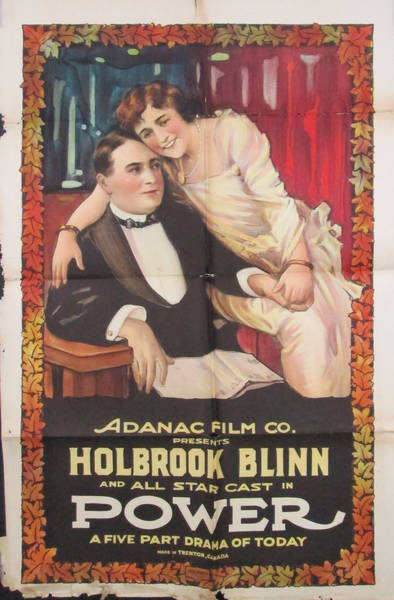
The Maverick Spirit: Challenging Norms and Embracing Transgression
At its heart, cult cinema often embodies a maverick spirit, a defiant rejection of the status quo. These are films that push boundaries, explore taboo subjects, or present perspectives that mainstream society might find uncomfortable. From the silent era onward, filmmakers have grappled with complex moral dilemmas and societal hypocrisies, laying the groundwork for narratives that would later find their devoted following. Consider the early dramatic explorations of personal liberty and societal judgment, where characters might find themselves on trial not just legally, but morally, for choices that defied convention. Such stories, whether depicting a 'wife on trial' for an unconventional relationship or a 'dwelling place of light' exposing hidden societal malaise, offered audiences a glimpse into the darker, more complicated facets of human existence.
This willingness to delve into the transgressive is a hallmark of cult cinema. It’s about films that explore the forbidden, the uncomfortable, the controversial. Early narratives, for instance, sometimes touched upon themes of sexual harassment, moral compromise, or the harsh realities faced by individuals challenging rigid social structures. Films that dared to present characters who turned their backs on conventional life, perhaps becoming a 'man who turned white' to lead an outlaw band, or those who found themselves entangled in a 'whirlpool of destiny' through their defiance, resonated with viewers seeking alternative perspectives. This spirit of defiance extends to narratives that questioned political power structures, with some films even facing censorship for their perceived challenges to authority, much like the reported banning of 'Bhakta Vidur' for political reasons. Such acts of suppression only served to solidify their rebellious image and ignite a fervent underground appreciation.

The power of these early, often censored or ignored, works lies in their refusal to conform. They were the cinematic equivalent of a whisper in a crowded room, a secret shared among those who understood its true meaning. This inherent subversiveness is a key ingredient in the cult formula, drawing in audiences who feel alienated by mainstream narratives and are hungry for stories that reflect their own sense of otherness or their desire for deeper, more challenging engagement.
Narrative Anarchy and Unconventional Storytelling
Beyond thematic transgression, cult films often stand apart due to their unconventional narrative structures or unique storytelling approaches. They might defy genre classification, blend disparate elements, or simply tell a story in a way that feels fresh and unexpected. Early cinema, in its nascent experimental phase, was fertile ground for such narrative anarchy. Filmmakers were still discovering the language of film, leading to a raw creativity that sometimes stumbled upon truly original forms.

Consider films that featured peculiar characters or unlikely heroes, such as a professor and his donkey, 'King Solomon,' navigating a wicked valley in 'The Donkey Did It,' or a wealthy jester deciding to spend his last months in a madcap spree, as in 'Simon, the Jester.' These narratives, far from the polished, predictable fare of Hollywood's Golden Age, possessed an unpredictable charm. They embraced eccentricity, presenting protagonists who were often outcasts, misfits, or rebels against their circumstances, whether it was a 'galley slave' fighting for freedom or a 'last outlaw' revisiting his youthful exploits.
Many early films, especially shorts and comedies like 'Officer, Call a Cop' or 'Raise the Rent,' experimented with visual gags and situational humor that broke from traditional stage conventions. While not necessarily cult films themselves, their willingness to play with form and character laid the groundwork for future generations of filmmakers who would consciously subvert narrative expectations. Documentaries, too, could stumble into cult territory by focusing on the bizarre or the overlooked, such as 'Peculiar Pets,' which, by chronicling unusual animal companions, offered a window into niche fascinations that resonate with a particular kind of audience seeking the extraordinary in the mundane.
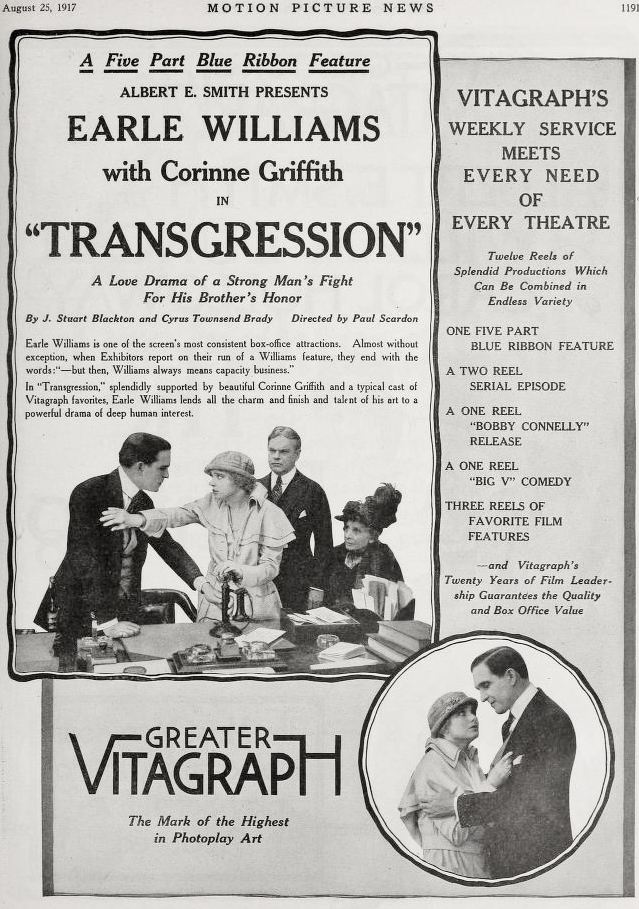
This embrace of the unexpected, the narrative detour, and the character study of the marginalized, creates a rich soil for cult appreciation. Audiences drawn to these films often relish their deviation from the norm, finding intellectual stimulation or emotional resonance in their unique rhythms and perspectives. The narratives don't just tell a story; they invite interpretation, discussion, and a deeper engagement that fosters a sense of shared discovery.
The Aesthetics of the Outlier: Visuals, Atmosphere, and Style
Beyond plot and theme, the aesthetic qualities of a film play a crucial role in its cult status. Cult films often possess a distinctive visual style, a unique atmosphere, or a memorable tone that sets them apart. Early cinema, freed from the strictures of established genres and studio formulas, was a crucible of visual experimentation. Filmmakers explored nascent cinematic techniques, creating worlds that could be dreamlike, stark, melodramatic, or profoundly realistic.
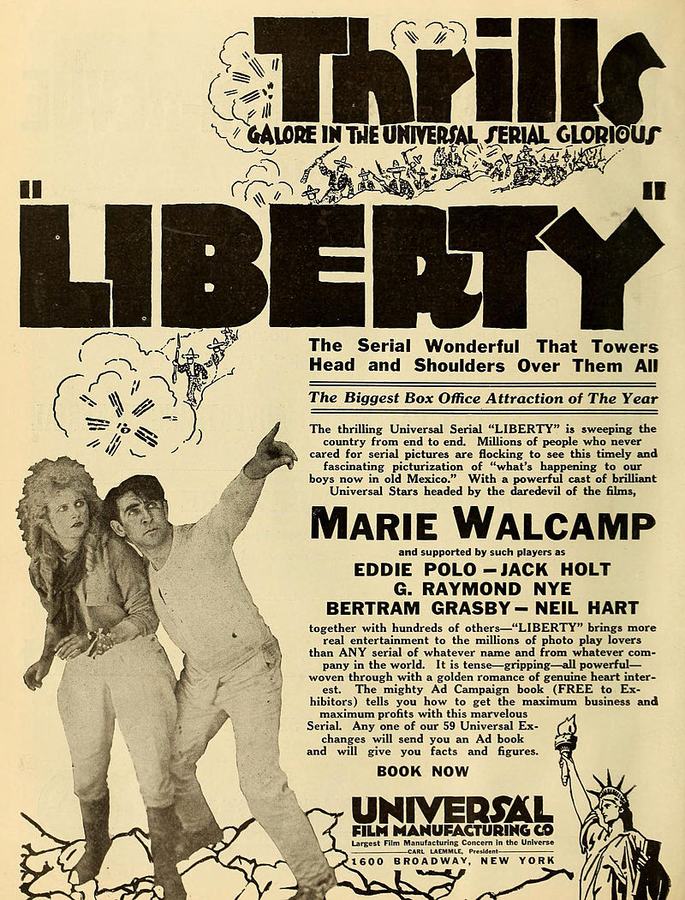
Think of the dramatic intensity found in early films tackling themes of war, like 'Arms and the Girl,' or the stark realism of social dramas such as 'The Dawn of Understanding.' Even newsreels and travelogues, like 'A Day and Night at Coney Island' or 'Giro d'Italia,' while ostensibly factual, captured slices of life with an unvarnished authenticity that, in retrospect, can feel incredibly rich and evocative. These films, through their pioneering cinematography, innovative editing, and often theatrical performances, forged a visual language that was both immediate and enduring.
The atmosphere of these early works, whether intentionally eerie or simply a product of early film technology, contributed to their unique appeal. The dramatic lighting, the reliance on body language and expression in the absence of spoken dialogue, and the often heightened emotionality could create a powerful, almost hypnotic, effect. Films that explored themes of identity and deception, such as 'Her Father's Son' or 'The Phantom Foe,' often relied on visual cues and symbolic imagery to convey complex internal states and build suspense. This early mastery of visual storytelling, even in its rudimentary form, laid the groundwork for the more refined and self-aware aesthetics that would come to define many later cult classics.
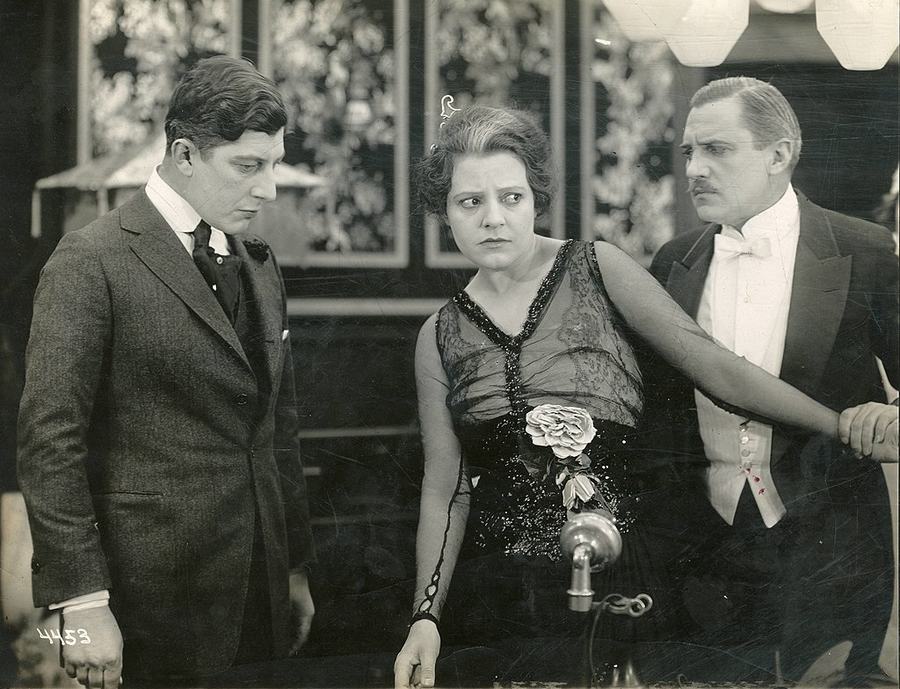
The distinct visual identity of a film can become as iconic as its characters or plot, drawing viewers into its unique world. Whether it's the raw, unfiltered look of early documentaries or the stylized melodrama of a silent epic, these aesthetic choices contribute to the film's lasting impression and its ability to cultivate a devoted following who appreciate its particular brand of cinematic artistry.
From Obscurity to Oracle: The Journey of Rediscovery
Many films destined for cult status are initially overlooked, dismissed, or simply fail to find their audience. Their journey to recognition often involves a period of obscurity, only for them to be rediscovered and re-evaluated years, or even decades, later. This process of reclamation is central to the cult phenomenon, transforming forgotten reels into revered artifacts. The vast majority of the films from the early 20th century, like 'The Iron Ring' or 'Chasing Rainbows,' are precisely these kinds of cinematic relics: once-popular or ambitious projects that fell out of common circulation, awaiting rediscovery by eager cinephiles.

The very act of unearthing these cinematic treasures, whether through archival efforts or dedicated fan communities, imbues them with a special significance. Audiences feel a sense of ownership and pride in discovering something unique, something that wasn't force-fed by the mainstream. This is where the academic appreciation often intertwines with passionate fandom, as scholars and enthusiasts alike delve into the historical context, thematic depth, and artistic merit of these forgotten works.
Consider the myriad dramas, adventures, and comedies that once graced screens, each a product of its time, yet potentially holding timeless appeal. Films exploring themes of social injustice, like 'Les Misérables, Part 2: Fantine,' or the struggles of individuals against powerful institutions, as seen in 'Powers That Prey,' resonate across generations. Their original intent might have been to entertain or inform, but their enduring themes and often unconventional portrayals mean they can be reinterpreted and appreciated anew by different audiences. The stories of characters fighting for 'a man's making' or navigating 'the eternal question' of human relationships, regardless of their initial commercial success, possess a universality that allows them to be reborn as cult objects.
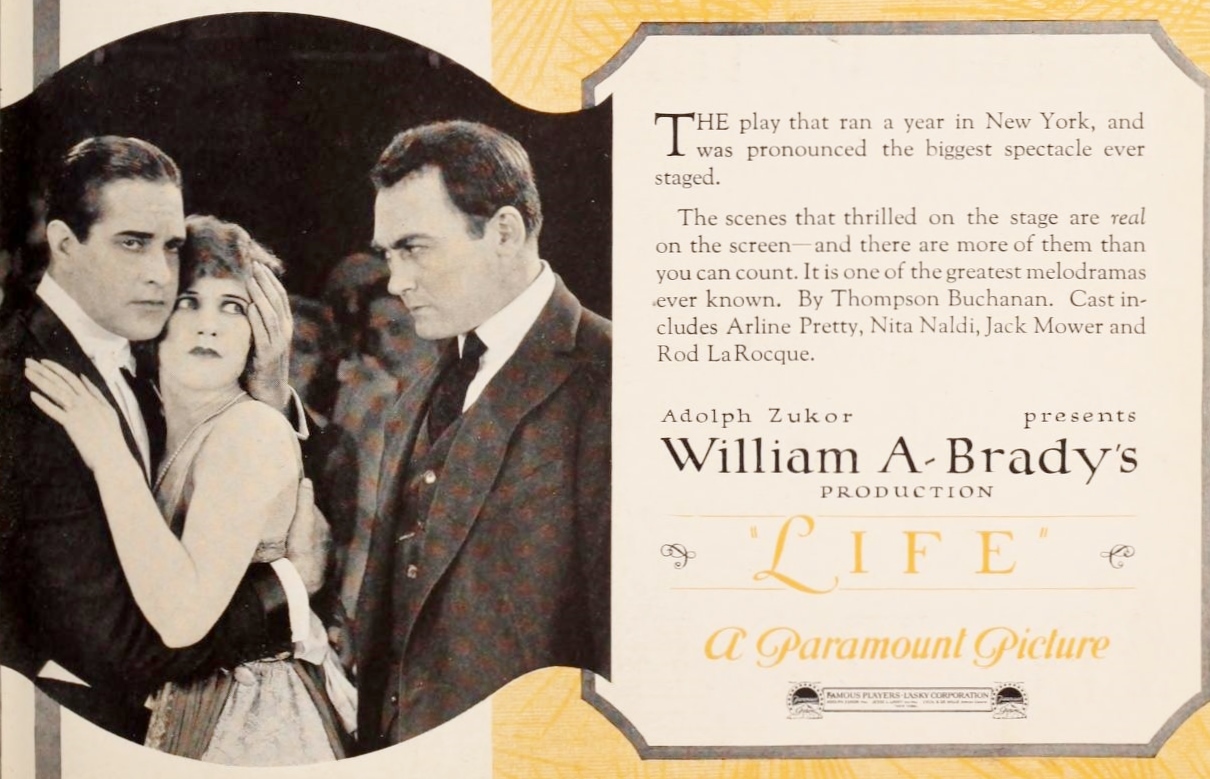
This journey from obscurity to oracle is a testament to the fact that true cinematic value isn't always immediately apparent. Sometimes, a film needs time to breathe, to be viewed through a different cultural lens, or to simply await the right audience that is ready to receive its unique message. The enduring appeal of cult cinema often lies in this slow burn, this gradual recognition of genius or audaciousness that was initially missed.
The Community and Ritual: Forging Bonds Through Film
Perhaps the most defining characteristic of cult cinema is the community it fosters. These films don't just attract viewers; they gather disciples. The shared experience of watching, discussing, and celebrating these unconventional icons creates a powerful bond among fans. This communal aspect often manifests in rituals: repeated viewings, quoting dialogue, dressing up, or participating in interactive screenings. While such overt rituals are more common in modern cult phenomena, the underlying principle of shared devotion has always been present.

Even in the early days of cinema, films could spark intense discussion and personal connection. Imagine the conversations generated by a thought-provoking drama about a 'doctor neighbor' dealing with complex ethical dilemmas, or the excitement surrounding an adventure serial like 'The Phantom Foe.' These films, by sparking conversation and reflection, laid the groundwork for the more organized fan communities that would emerge later. The very act of seeking out and appreciating films that were outside the mainstream created a nascent sense of belonging for those who identified with their unique sensibilities.
The films themselves, through their often bizarre or deeply personal narratives, can act as a secret handshake for those who 'get it.' Whether it's the quirky humor of a silent short like 'Wanted, a Girl!' or 'Start Something,' or the compelling drama of a character navigating 'exile' or a profound personal struggle, these stories forge connections. They provide a common language, a shared mythology, and a sense of solidarity among individuals who might otherwise feel isolated. The enduring legacy of cult films is not just in their content, but in the vibrant, passionate communities they inspire, transforming passive viewership into active participation and communal celebration.

The Enduring Legacy of the Unconventional Screen
The journey of cult cinema, from its tentative beginnings in early film to its current status as a recognized cultural force, is a fascinating exploration of audience psychology, artistic rebellion, and the unpredictable nature of lasting appeal. It reminds us that cinematic greatness isn't solely determined by box office receipts or critical consensus, but often by the profound, personal connection a film makes with its audience, however niche that audience may be.
These films, whether they are rediscovered silent dramas, experimental avant-garde pieces, or genre-defying oddities, serve as vital counterpoints to the mainstream. They challenge our perceptions, expand our understanding of what cinema can be, and provide a sanctuary for those who seek something more, something different. The early films, with their tales of struggle, romance, adventure, and social commentary – from the 'rose of the south' to 'bare knuckles' – were the initial sparks in this ongoing cinematic revolution. They showed that stories of the human condition, even when presented in unconventional ways or from marginalized perspectives, possess an undying resonance.
Ultimately, cult cinema is a celebration of the outlier, the unheralded, and the defiant. It's a tribute to the films that refused to be forgotten, finding their true power not in the glare of the spotlight, but in the dedicated hearts and minds of their devoted followers. As we continue to delve into the vast archives of film history, we are constantly reminded that the most profound and lasting cinematic experiences often emerge from the most unexpected corners, transforming the once-obscure into unconventional icons that continue to inspire and unite generations of cinephiles. The enduring power of these films lies in their ability to speak to a deeper, often unspoken, need for connection, meaning, and rebellion in a world increasingly dominated by the conventional.
The Magnetic Allure of the Fringe
The magnetic allure of the cinematic fringe is undeniable. It’s where creativity often flourishes unchecked, where risks are taken, and where truly original voices emerge. These are the films that break free from the gravitational pull of commercial expectations, allowing for narratives that are more personal, more daring, and ultimately, more memorable to their chosen audience. The early silent films, often produced independently or by nascent studios, frequently embodied this spirit of creative freedom, tackling subjects and employing styles that might not have survived later studio system strictures.
From lighthearted comedies exploring domestic predicaments to intense dramas dissecting the complexities of ambition and moral decay, these films inadvertently contributed to the rich tapestry of cult cinema. Their very existence, often outside the grand narratives of Hollywood's ascent, underscores the idea that cinematic value is multifaceted and not always immediately evident. They are the seeds from which the mighty tree of cult fandom grew, proving that even the most humble or forgotten flicker can ignite an enduring flame of devotion.
A Legacy of Artistic Freedom
The legacy of cult cinema is, in many ways, a legacy of artistic freedom. It champions the right of filmmakers to tell stories on their own terms, and the right of audiences to discover and cherish those stories without needing mainstream validation. This reciprocal relationship between artist and audience forms the bedrock of cult appeal, creating a space where the unique is celebrated and the unconventional is revered. As we continue to explore the vast and varied landscape of film, the spirit of cult cinema remains a powerful reminder that the most impactful stories are often found where we least expect them, waiting to be discovered by those willing to look beyond the obvious.
Community
Comments
Log in to comment.
Loading comments…