
Cult Cinema
Beyond the Box Office: The Transformative Power of Cult Cinema's Unsung Narratives

“Cult cinema thrives outside mainstream success, offering audiences transgressive narratives and unique perspectives that forge deep, enduring connections. This deep dive explores how these unconventional films, from early cinematic experiments to modern midnight masterpieces, transform viewers into …”
In the vast, glittering galaxy of cinema, there exists a peculiar constellation known as cult cinema. These aren't the blockbusters that dominate multiplexes or the Oscar darlings celebrated by critics. Instead, they are the cinematic rebels, the misfits, the films that often flounder upon initial release only to be resurrected by passionate audiences who see in them something profoundly unique, something that speaks to their souls. Cult films defy easy categorization, reject conventional narratives, and often push the boundaries of taste, genre, and storytelling. Their enduring allure lies not in universal appeal, but in their potent ability to forge niche communities and transform passive viewers into fervent devotees.
What exactly defines a cult film? It's a question without a singular answer, a fluid concept that encompasses everything from bizarre midnight movies to artistic masterpieces initially misunderstood. At its heart, cult cinema is about rebellion – a rebellion against the mainstream, against expectation, and sometimes, against logic itself. It's about films that resonate on a deeper, often subversive, level, inviting repeat viewings, passionate discussion, and even ritualistic engagement. Think of the communal sing-alongs for The Rocky Horror Picture Show, the intricate fan theories surrounding Donnie Darko, or the philosophical debates sparked by Blade Runner. These are not merely movies; they are experiences, shared secrets, and badges of belonging.

The Genesis of the Fringe: Early Cinematic Seeds
While the term 'cult film' gained prominence with the rise of midnight screenings in the 1970s, the subversive spirit that defines these movies has roots stretching back to the earliest days of filmmaking. Even in the silent era and the nascent years of talkies, there were films that, intentionally or not, planted the seeds for what would become the cult phenomenon. These were often narratives that dared to explore transgressive themes, depicted societal outcasts, or simply presented stories with an unconventional flair.
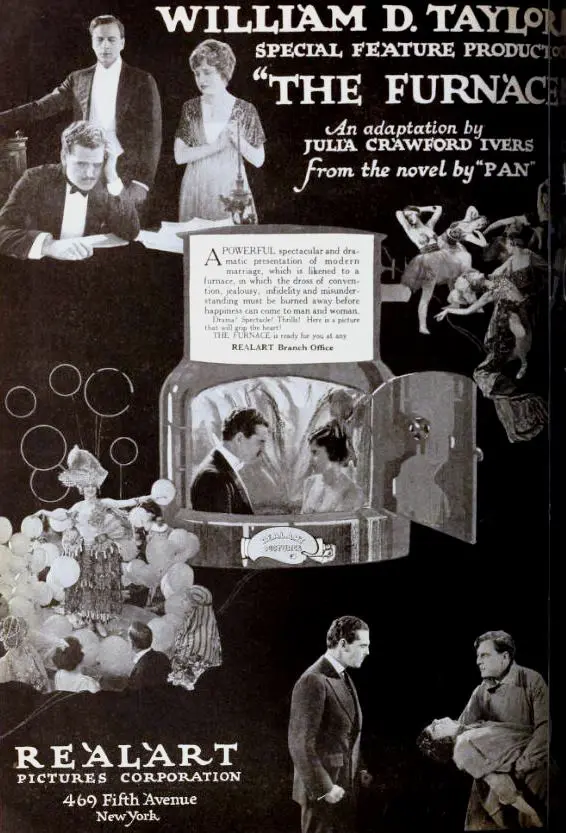
Consider the dramatic intensity of early films like Fior di male, a raw depiction of a prostitute's struggles, or The Call of the Blood, which delves into themes of seduction, infidelity, and murder. These films, though perhaps not 'cult' in their time, tackled subjects that were often considered taboo, pushing the moral boundaries of early cinema. Similarly, films like Wife or Country, exploring espionage and moral compromise, or The Furnace, a drama about marriage for money and social maneuvering, offered complex characters and situations that challenged simplistic notions of good and evil. Such narratives, even if presented within conventional melodramatic frameworks, hinted at a deeper, more unsettling reality that would later become a hallmark of cult storytelling.

Even in the Western genre, a staple of early American cinema, one can find glimmers of the outsider ethos. Films such as The Sheriff's Son, The Broken Spur, and The Ghost of the Canyon, while adhering to genre conventions, often featured protagonists who operated on the fringes of society, grappling with personal demons or challenging established authorities. This recurring motif of the maverick, the individual standing against the world, is a powerful precursor to many later cult heroes.
The sheer diversity of early cinema, from the slapstick of Bear Skinned Beauties and Kids and Kidlets to the dramatic explorations of mental health in The Hellion or social injustice in Within the Law, created a rich tapestry of narrative experimentation. These films, often produced independently or by studios willing to take risks, allowed for a fluidity of genre and a willingness to explore the unusual. While many of the specific films from this era might be lost to time or remain obscure today, their collective spirit of experimentation and their willingness to depict unconventional aspects of life laid the groundwork for the unruly aesthetics that would later define cult cinema.

The Midnight Movie Phenomenon: A Cultural Revolution
The true blossoming of cult cinema as a recognized cultural phenomenon occurred in the 1970s, largely fueled by the 'midnight movie' circuit. These late-night screenings in grindhouse theaters became sanctuaries for films too strange, too shocking, or too genre-defying for mainstream daytime audiences. It was in these darkened halls, often after hours, that films like Eraserhead, Pink Flamingos, and El Topo found their fervent followings.
These midnight movies weren't just viewed; they were experienced. Audiences, often comprised of counter-culture enthusiasts, students, and cinephiles looking for something different, engaged with these films in a way that transcended passive consumption. They dressed up, shouted lines back at the screen, and transformed screenings into interactive rituals. This era cemented the idea that a film's success wasn't solely measured by its opening weekend box office, but by its ability to spark obsessive devotion and communal participation.

The films themselves often reflected the anxieties and aspirations of their times, presenting a distorted mirror to society. They challenged authority, broke taboos, and revelled in their own weirdness. This was a direct evolution from earlier cinematic explorations of the 'outsider.' Where a film like The Woman Gives might have subtly explored an artist's model navigating social recognition, later cult films would explicitly embrace characters and narratives that were far outside the social norm, celebrating their deviance rather than lamenting it.
Themes of Transgression and Rebellion
One of the most defining characteristics of cult cinema is its embrace of transgression. These films often delight in breaking cinematic rules, societal norms, and even moral conventions. They explore themes that mainstream cinema might shy away from, delving into the grotesque, the absurd, the taboo, and the deeply unsettling. This isn't merely for shock value; it's often a deliberate artistic choice to provoke thought, challenge comfort zones, or offer a unique perspective on the human condition.

From the psychological unease of a film about a painting foretelling crime like Die Doppelnatur (even in its early form) to the overt body horror of a contemporary cult classic, the thread of challenging audience expectations is consistent. Cult films often feature anti-heroes or morally ambiguous protagonists. Characters who are outcasts, rebels, or simply misunderstood resonate deeply with audiences who themselves feel like outsiders. The journeys of these characters, whether they are navigating the complexities of their own minds or fighting against oppressive systems, provide a powerful sense of identification for viewers seeking alternative narratives.
The visual language of cult cinema is also frequently unconventional. Directors often employ unique aesthetics, experimental narrative structures, and jarring stylistic choices that set their films apart. This distinctive visual identity contributes significantly to a film's ability to stand out and attract a dedicated following. It’s an evolution from the foundational dramatic stylings seen in early works like The Little Duchess or Life, where character-driven conflicts were paramount, but now amplified with audacious artistic freedom.
The Power of Niche: Building Communities
Perhaps the most potent aspect of cult cinema is its unparalleled ability to foster community. Unlike mainstream blockbusters, which aim for broad appeal, cult films thrive on their niche appeal. They create a sense of belonging among those who 'get it,' who appreciate their unique vision, and who are willing to delve into their complexities. This shared understanding transforms individual viewership into a collective experience, where fans become active participants in the film's ongoing legacy.
This communal aspect is not a modern invention. Even in the early days of cinema, audiences would gather, perhaps not with the same organized fervor, but with a shared enthusiasm for new stories. The serialized adventures in films like Adventures of Carol or the dramatic escapades of Diane of the Green Van, while popular, cultivated an audience eager for the next installment. Cult cinema takes this natural human desire for shared experience and amplifies it, providing a platform for like-minded individuals to connect over their mutual love for the unconventional.

The internet and social media have only intensified this phenomenon, allowing fandoms to coalesce and flourish across geographical boundaries. Online forums, fan art, podcasts, and conventions dedicated to cult films demonstrate the deep level of engagement these movies inspire. Fans dissect every frame, analyze every line of dialogue, and create their own interpretations, enriching the film's narrative far beyond its original intent. This active participation ensures the film's enduring legacy, allowing it to evolve and remain relevant for generations.
For many, cult films offer a form of escapism, a refuge from the mundane or the overwhelming pressures of reality. They provide a space where the weird is celebrated, where challenging ideas are embraced, and where the fringes of human experience are brought into sharp focus. This makes them incredibly powerful tools for self-discovery and connection, transforming isolated viewers into members of a global cinematic tribe.

The Enduring Legacy: Cult Cinema Today
Today, the landscape of cult cinema is as vibrant and diverse as ever. While the classic 'midnight movie' format may have evolved, the spirit of seeking out and celebrating the unconventional remains strong. Streaming services, arthouse theaters, and film festivals continue to be crucial platforms for these films to find their audiences. Directors consciously create works with the potential for cult status, understanding the power of a dedicated following.
The influence of cult cinema can be seen across the broader film industry, with mainstream productions often borrowing stylistic elements or narrative tropes perfected by their more niche predecessors. The willingness to experiment, to defy genre, and to prioritize artistic vision over commercial viability—qualities inherent even in early explorations like Lord Loveland Discovers America or Young Romance, which played with social conventions and mistaken identities—has become more accepted, if not always celebrated.

From the surreal narratives that echo the dreamlike qualities of early German expressionism (like Der kleine Muck or Über den Wolken might have hinted at visually) to the gritty realism of independent dramas, cult films continue to push boundaries. They remind us that cinema is not just an industry, but an art form capable of profound self-expression and cultural commentary. They are the maverick visions that refuse to be forgotten, constantly rediscovered and reinterpreted by new generations of fans.
The transformative power of cult cinema lies in its capacity to offer alternative perspectives, to validate outsider experiences, and to build bridges between individuals who might otherwise feel isolated. It’s a testament to the idea that true artistic merit often emerges from the fringes, challenging the status quo and redefining what is possible on screen. The stories of struggle, ambition, and moral quandaries found in films like Burning Daylight or The Isle of Conquest, though from a different era, speak to universal human experiences that resonate when presented with a unique, often bold, cinematic voice.

The Future of Fandom and the Unseen Narratives
As cinematic technology advances and distribution methods diversify, the future of cult cinema promises to be even more dynamic. Micro-budget productions can reach global audiences, fostering new communities around increasingly niche interests. The ability for creators to connect directly with their audiences, bypassing traditional gatekeepers, means that the next generation of cult classics could emerge from anywhere, at any time.
The unsung narratives—the stories that mainstream Hollywood deems too risky, too strange, or too niche—will continue to find their champions. These films will persist in their role as cultural artifacts, reflecting the evolving anxieties, desires, and dreams of society, often with a critical or satirical edge. They are the cinematic equivalent of folk tales, passed down and reinterpreted, each viewing adding another layer to their mystique and meaning.
Ultimately, cult cinema is more than just a collection of movies; it's a movement, a philosophy, and a profound testament to the power of film to connect, challenge, and transform. It reminds us that sometimes, the greatest treasures are found not in the brightest spotlight, but in the shadowy corners, waiting to be discovered by those brave enough to look beyond the box office.
Community
Comments
Log in to comment.
Loading comments…