
Cult Cinema
Beyond the Screen: Unearthing the Collective Obsession and Maverick Spirit of Cult Cinema
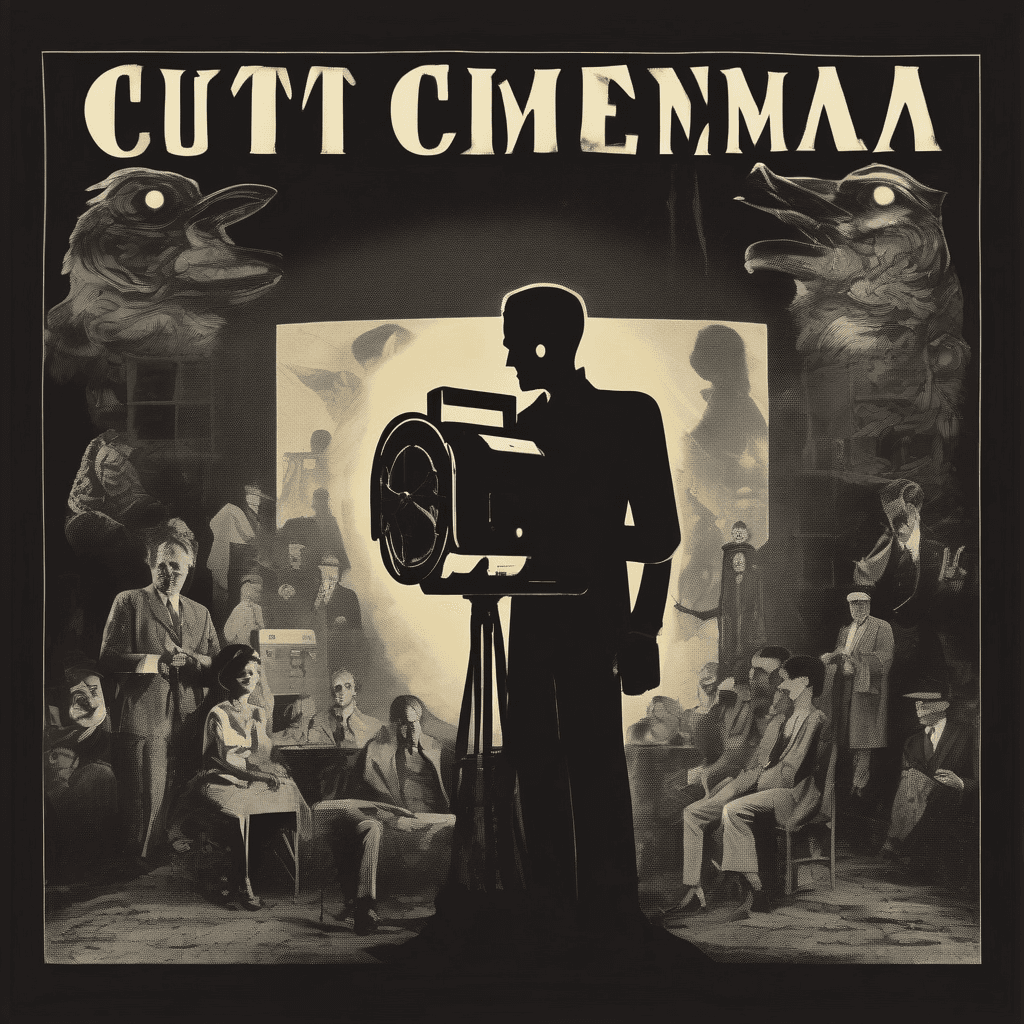
“Dive into the enigmatic world of cult cinema, exploring its origins, the fervent communities it inspires, and the rebellious spirit that defines its enduring appeal beyond mainstream acceptance. This deep dive unearths how unconventional narratives and stylistic audacity, even in early film, paved t…”
In the vast, ever-expanding universe of film, there exist certain cinematic creations that defy easy categorization. They are not merely movies; they are experiences, rituals, and rallying cries for devoted communities. These are the films of the cult canon, a diverse collection united not by genre or budget, but by their ability to captivate, provoke, and inspire an almost religious fervor among their adherents. What is it about these unconventional narratives, these cinematic oddities, that fosters such an intense, enduring fascination? To truly understand the allure of cult cinema, we must journey beyond the marquee, tracing its rebellious spirit from the flicker of early reels to the vibrant, global phenomenon it is today.
Defining the Cult Experience: More Than Just a Movie
The term "cult film" is often thrown around casually, but its true meaning is deeply rooted in the unique relationship between a film and its audience. A cult film isn't necessarily a critical darling or a box office smash; in fact, many are initially panned or ignored, only to find their true calling years, even decades, later. What defines them is their capacity to generate a passionate, often obsessive, following. These audiences don't just watch; they participate, analyze, quote, re-enact, and celebrate. They form communities, both online and off, where shared appreciation for the strange, the subversive, and the spectacular becomes a binding force.
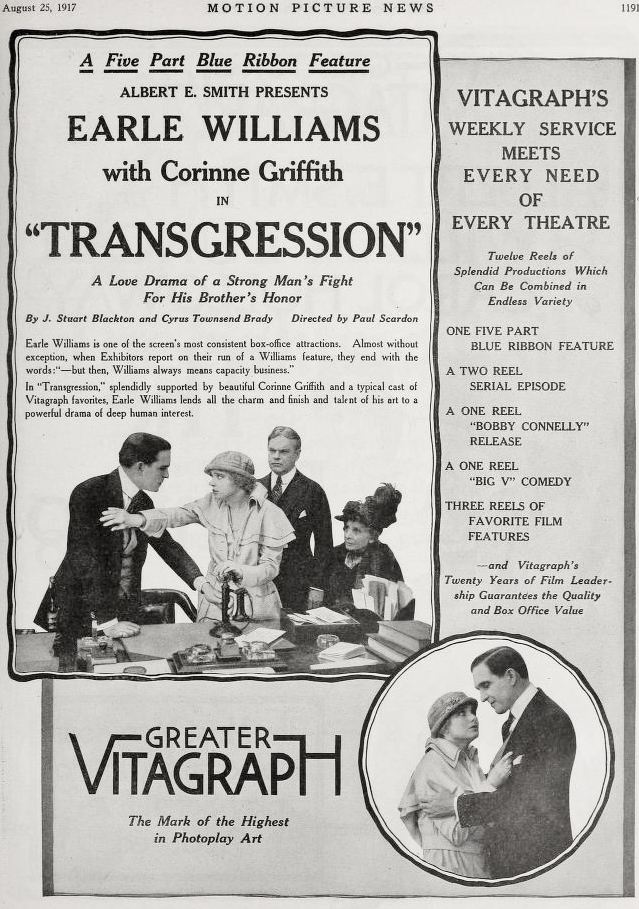
At its heart, cult cinema thrives on transgression. It dares to challenge societal norms, push artistic boundaries, or explore themes considered taboo by mainstream sensibilities. It revels in the unconventional, the bizarre, the grotesque, or the profoundly thought-provoking. These films often feature unforgettable characters, distinctive visual styles, or narratives that deviate sharply from conventional storytelling. They invite multiple viewings, revealing new layers with each watch, fostering a sense of discovery and ownership among their fans.
The Genesis of the Unconventional: Early Cinema's Maverick Seeds
While the term "cult film" gained prominence with the rise of midnight movies in the 1970s, the maverick spirit and the tendency towards niche appreciation were present almost from the dawn of cinema. Even in the silent era, amidst the nascent industry's struggle to define itself, certain films emerged that, whether intentionally or not, laid the groundwork for what we now understand as cult phenomena. These were the cinematic outliers, the experimental narratives, and the melodramas that pushed emotional or thematic envelopes.

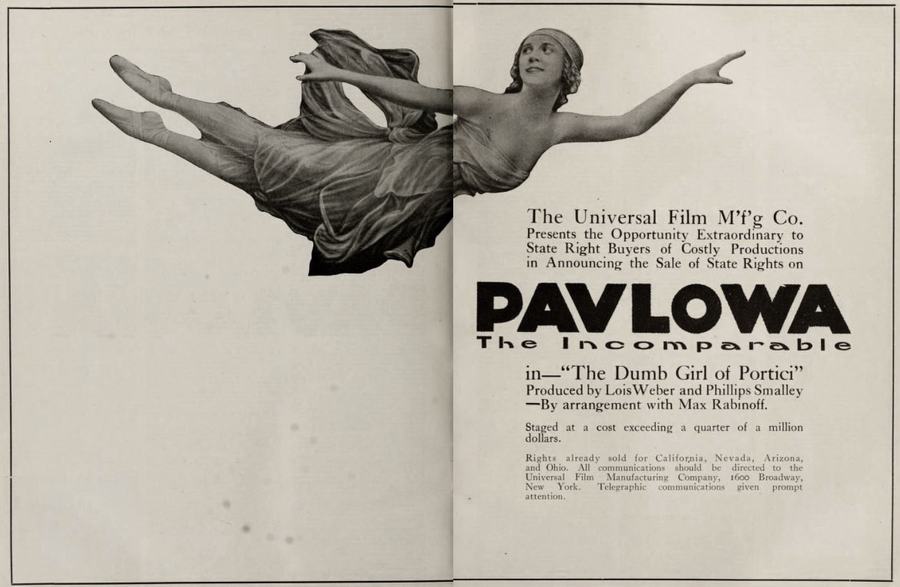
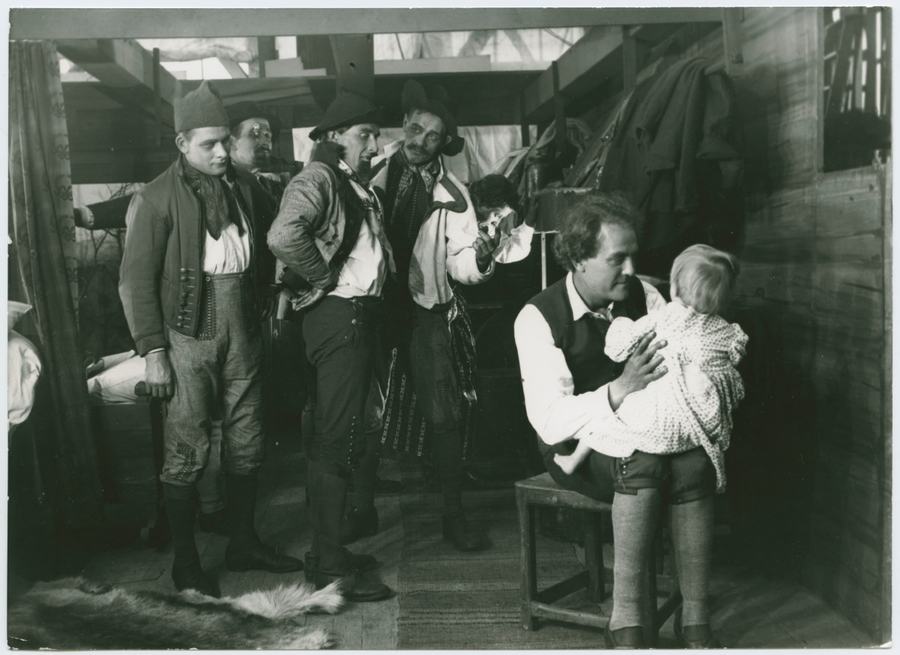
Consider the early 20th century, a period of immense experimentation and rapid evolution in filmmaking. Films like The Dumb Girl of Portici (1916), an ambitious epic starring Anna Pavlova, showcased grand spectacle and intense melodrama, elements that, while popular, also contained a certain operatic excess that could resonate deeply with specific audiences. Its blend of historical drama, romance, and political upheaval, centered around a mute protagonist, offered a unique emotional intensity that transcended typical storytelling. Similarly, the dramatic weight of A Man There Was (1917), a powerful tale of revenge and forgiveness set against a rugged coastal backdrop, demonstrated how strong characterization and stark moral dilemmas could create a profound, lasting impact. These films weren't merely entertainment; they were experiences that lingered, sparking conversation and fervent discussion.
Narrative Deviations and Moral Ambiguity
Many early films, perhaps due to less rigid industry standards or a desire to simply tell compelling stories, often featured narrative elements that would later become hallmarks of cult cinema: moral ambiguity, complex villains, and unconventional heroes. Take The Stealers (1916), where a reverend, jaded by personal injustice, leads a life of crime. This subversion of religious authority and exploration of a protagonist operating in a moral grey area is precisely the kind of narrative boldness that attracts cult followings. Likewise, Judge Not (1914) delves into the complexities of family secrets and criminal pasts, forcing audiences to confront uncomfortable truths, a thematic thread running through countless later cult classics.
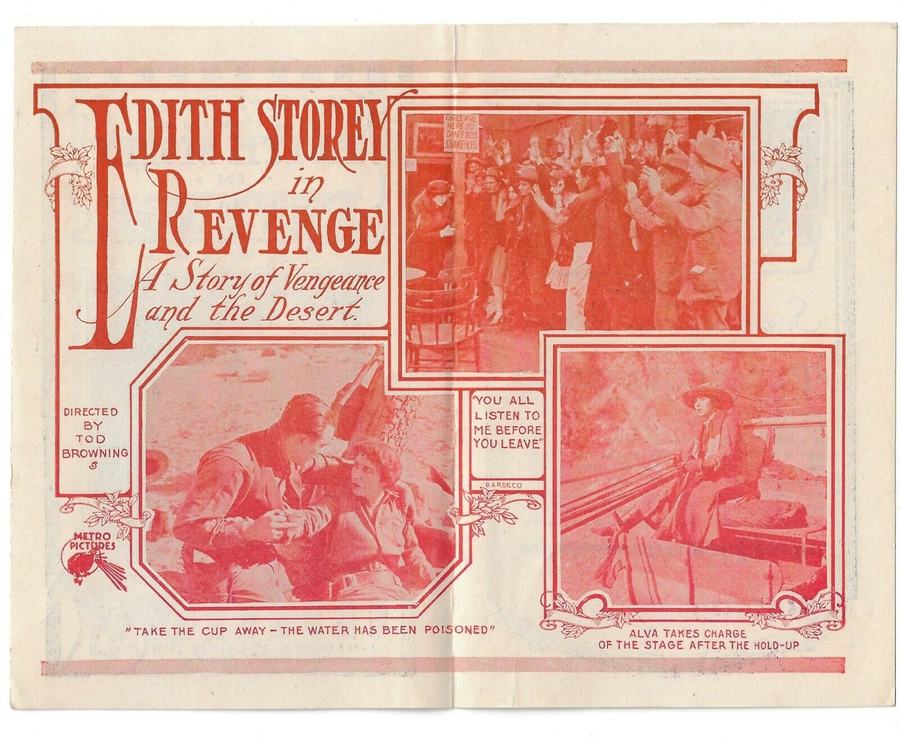
Even genre pieces from this era often had an edge. The Tong Man (1919), a crime drama set within the Chinese Mafia, offered audiences a glimpse into an exotic, dangerous underworld. While intended as popular entertainment, its depiction of organized crime, smuggling, and murder could have resonated with audiences seeking more visceral or 'forbidden' narratives. These films, in their own time, might have been seen as sensational or niche, appealing to those drawn to stories that pushed beyond the polite confines of mainstream narratives.
The Bizarre and the Fantastic
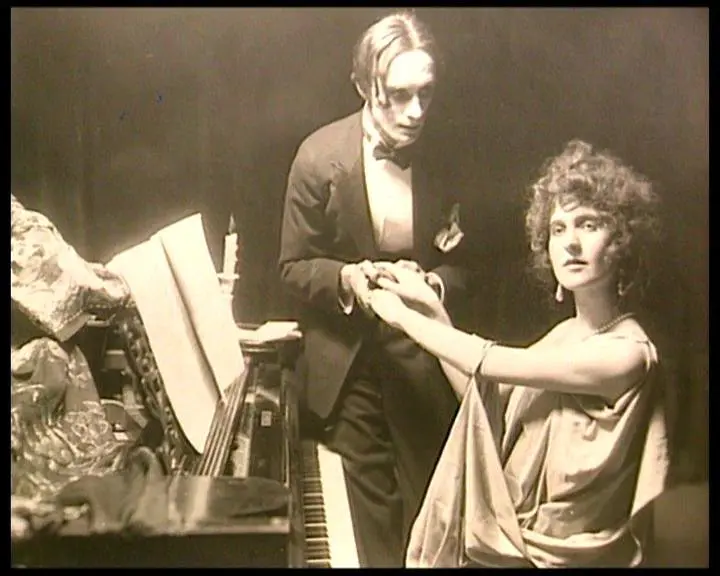
The appetite for the strange and the fantastical is another cornerstone of cult appreciation. Early cinema, unburdened by established conventions, often embraced the bizarre. Films like Teufelchen (1916), a short comedy about a little devil with a stomach ache, or Mysteries of India, Part I: Truth (1916), which promised fantasy and adventure, hint at a nascent fascination with the supernatural and the otherworldly. While these might not be "cult" in the modern sense, they represent an early willingness to explore non-realistic narratives and visual spectacle that would later be fully embraced by cult cinema, from surrealist masterpieces to creature features.
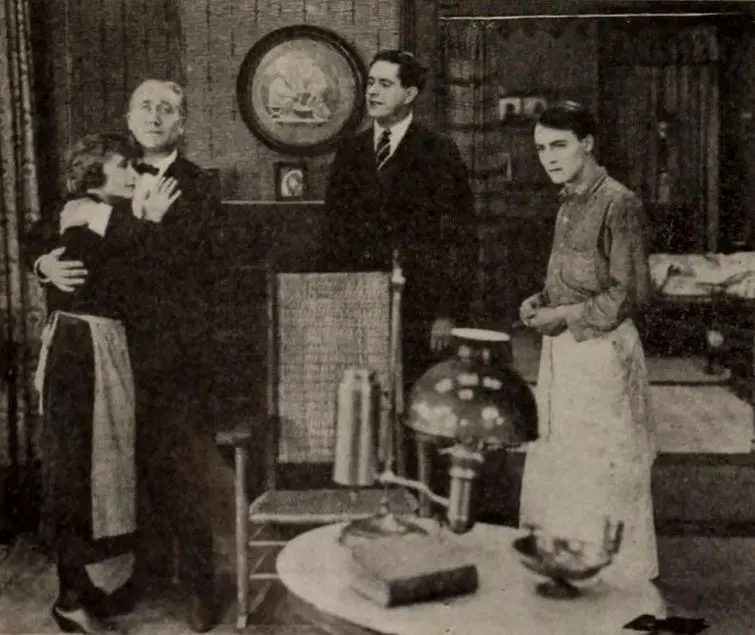
The element of identity manipulation and deception, seen in films like Gräfin Küchenfee (1918) where a servant pretends to be a countess, or Das Maskenfest des Lebens (1917) with its themes of masked identities and hidden pasts, also speaks to a foundational aspect of cult appeal: the exploration of altered realities, hidden truths, and the fluidity of self. These early narratives, while seemingly simple, played with concepts that would become central to more complex, mind-bending cult films of later decades.
From Fringe to Fandom: The Evolution of Appreciation
The journey from an obscure or misunderstood film to a beloved cult classic is a fascinating one, often driven by a confluence of factors: re-evaluation by critics, word-of-mouth, midnight screenings, and the emergence of home video formats. Films that once seemed too weird, too niche, or too provocative for general audiences found their tribe in the shadows of late-night showings or the intimacy of personal collections.

Consider the melodramas and social commentaries of the early era. A film like Borrowed Clothes (1918), about a poor girl seeking a better life, or The Golden Chance (1915), which tackles themes of poverty, blackmail, and moral compromise, might have been seen as starkly realistic or even shocking for their time. While not explicitly transgressive in a modern sense, their unflinching portrayal of human struggle and moral dilemmas could have captivated audiences seeking more profound engagement than typical fare. This emotional intensity and willingness to delve into the darker aspects of life are key ingredients in the cult recipe.
The Power of the Unconventional Protagonist
Cult films frequently feature protagonists who are outsiders, rebels, or figures of anti-establishment sentiment. This resonates deeply with audiences who feel similarly marginalized or misunderstood. Even in early cinema, we see hints of this. The determined daughter in Hobson's Choice (1916), who defies her tyrannical father, or the resourceful Mary Wayne in Good References (1920), who navigates New York City alone and penniless, embody a spirit of fierce independence and resilience. These characters, in their struggle against adversity and convention, offer a relatable, even aspirational, focal point for viewers who appreciate stories of individual defiance.
The appeal of the anti-hero or the morally complex character is also evident. The criminal mastermind in The Ace of Hearts (1921), for example, or the desperate figures in Dolken (1915) facing financial ruin, present human beings in extremis, making choices that challenge easy judgment. This exploration of the darker facets of the human psyche, rather than simple black-and-white morality, is a potent ingredient for cult appeal, fostering endless debate and interpretation.
The Enduring Legacy: Why Cult Films Matter
The enduring power of cult cinema lies in its ability to offer an alternative cinematic experience. It's a refuge for those who seek something different, something challenging, something that speaks to their unique sensibilities. These films often become more than just movies; they become cultural touchstones, symbols of rebellion, and catalysts for community. They prove that artistic merit isn't solely determined by mainstream success or critical consensus, but by the depth of connection they forge with their audience.
From the silent-era epics like The Diamond from the Sky (1915), a serial that captivated audiences with its unfolding mystery and adventure, to more intimate dramas exploring personal struggles like Fortune's Child (1919) or Incantesimo (1919), the seeds of cult appreciation were sown in diverse forms. Each, in its own way, offered something beyond the ordinary, something that resonated more deeply with a segment of the audience.
The very concept of a "cult" implies a group of devoted followers, and this sense of belonging is crucial. Whether it's the shared laughter at a quirky comedy like Stop That Wedding (1920) or Back from the Front (1917), or the intense discussions sparked by a thought-provoking drama like Topiel (1917), the communal aspect of cult cinema is undeniable. It's about finding others who "get it," who appreciate the nuances, the absurdities, and the profound messages hidden within these cinematic gems.
The Director as Visionary and Maverick
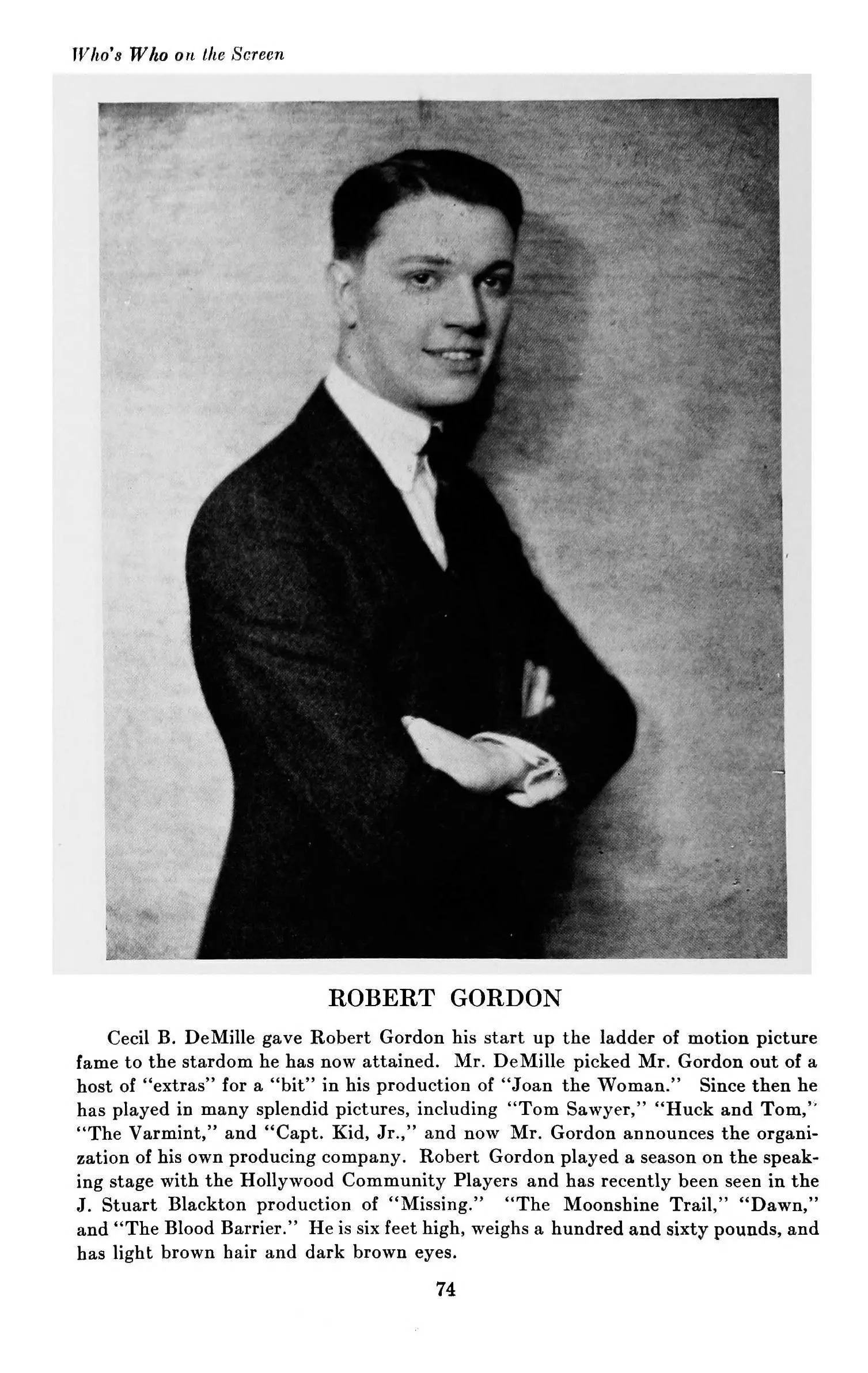
Often, a cult film is inextricably linked to the unique vision of its director. These are the maverick filmmakers who dare to defy convention, whose personal stamp is so strong that their work stands apart. While early cinema was often a more collaborative and studio-driven endeavor, the emergence of distinctive directorial voices was already apparent. The craftsmanship in a film like A Master of Music (1916), though its specific plot is less known today, hints at an artistic intention to explore certain themes or aesthetics. The very act of creating something outside the perceived norm, whether through narrative structure, visual style, or thematic content, is a proto-cult act.
Films like The New Mission of Judex (1918), a continuation of a popular serial, showcase how character and narrative universes can build dedicated fanbases over time, a precursor to modern serialized cult phenomena. The consistent, stylized world-building and recurring characters create a loyalty that transcends mere casual viewing. This early form of genre storytelling, with its strong heroes and villains, laid the emotional groundwork for audiences to invest deeply in cinematic worlds.
Cult Cinema Today: A Continuum of Rebellion
Today, the landscape of cult cinema is richer and more accessible than ever. Streaming services and digital platforms have allowed countless forgotten or overlooked films to find new audiences, fostering a continuous cycle of discovery and re-evaluation. The spirit of the early cinematic outliers – those films that dared to be different, to be provocative, or simply to exist outside the mainstream – lives on in every new cult classic that emerges.
From the audacious narratives of Partners of the Night (1918) to the intriguing identity shifts in Boundary House (1918), the foundational elements of cult appeal were present in the pioneering days of film. These early works, though perhaps not viewed through a "cult" lens at the time, experimented with themes, characters, and styles that would later become synonymous with the genre. They demonstrated cinema's power to engage on a deeper, more personal level, to challenge perceptions, and to create lasting impressions that resonate far beyond a single viewing.
In conclusion, cult cinema is not just a niche market; it is a testament to the diversity and transformative power of film. It’s a celebration of the unconventional, a sanctuary for the misunderstood, and a vibrant community built on shared passion. The journey from the flickering, sometimes strange, images of early cinema to the beloved midnight movies of today reveals a continuous thread of rebellion, artistic daring, and the undeniable human need to connect with stories that defy expectation and challenge the status quo. The cult film, in essence, is a living, breathing entity, constantly evolving but always rooted in its maverick origins, forever inviting us to look beyond the screen and embrace the magic of collective obsession.
Community
Comments
Log in to comment.
Loading comments…