
Cult Cinema
The Celluloid Anarchist: Unearthing the Primal Transgressions and Maverick Rhythms of Cinema’s Original Silent Outcasts
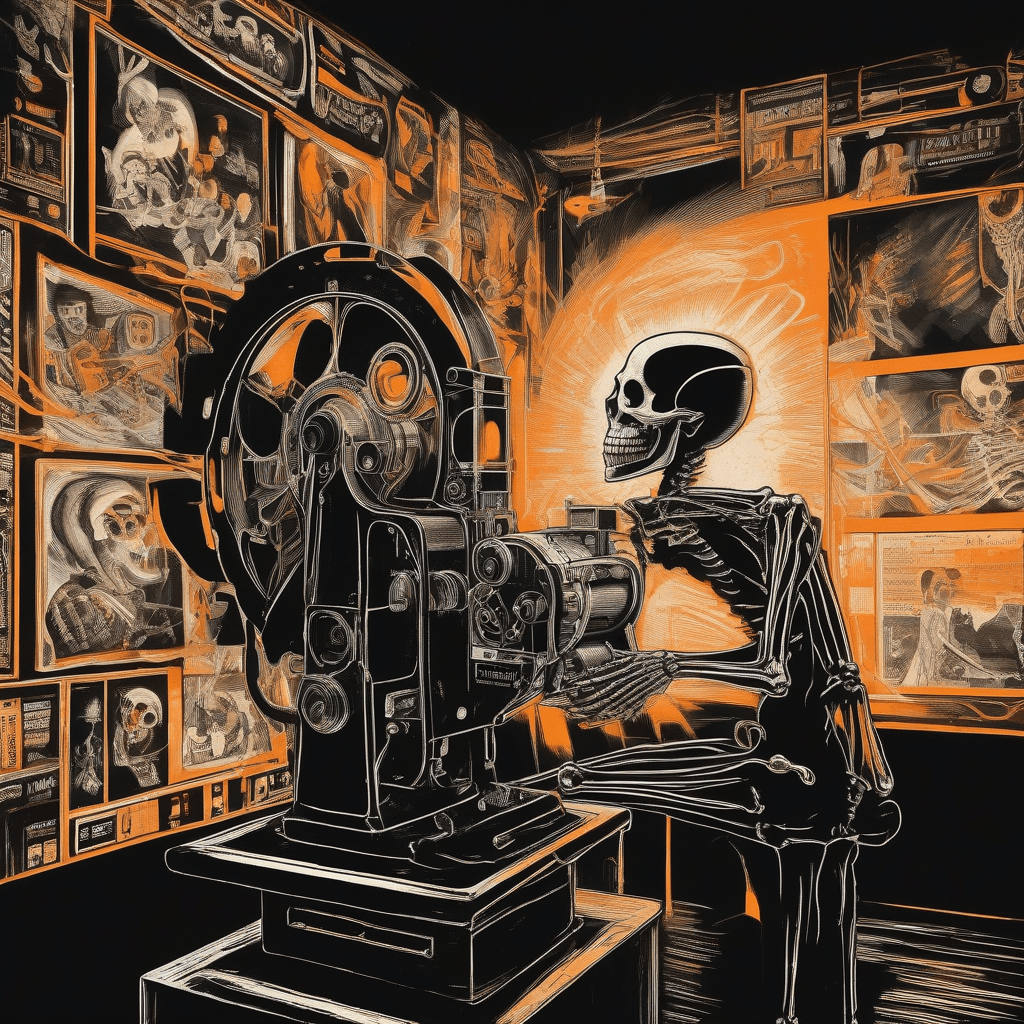
“A deep dive into the transgressive roots of cult cinema, exploring how the silent era's most daring misfits and narrative rebels forged the blueprint for modern midnight movies.”
Cult cinema is rarely about the polish of the frame; it is about the friction within it. Long before the midnight movie became a formalized ritual in the 1970s, the seeds of cinematic rebellion were being sown in the flickering shadows of the silent era. These were the original celluloid anarchists—films that refused to adhere to the burgeoning moral codes of the industry, opting instead for narrative anarchy and primal transgressions. To understand the modern obsession with the fringe, we must look back at the early 20th century, where filmmakers were already experimenting with the taboo, the bizarre, and the socially deviant.
The Genesis of the Outcast Archetype
The cult movie relies heavily on the figure of the outsider, a character who operates on the periphery of polite society. In the early 1920s, this was perhaps best exemplified by the mythologizing of the American criminal. Jesse James as the Outlaw (1921) serves as a fascinating precursor to the cult of the anti-hero. By depicting the legendary bandit as a man forced into crime by a corrupt system, the film challenged the black-and-white morality of early narrative cinema. This sympathetic portrayal of a "branded" man created a template for the transgressive hero that would later define the works of directors like John Waters or Quentin Tarantino. It wasn't just a Western; it was a statement on the necessity of rebellion when the law itself is a lie.
Similarly, the concept of social mobility and the hunger for luxury in A Song of Sixpence highlights a different kind of deviance: the rejection of one's humble origins in favor of a self-made, albeit morally ambiguous, destiny. Emmy Morgan’s singular goal to marry for luxury reflects a primal desire that often drives cult narratives—the pursuit of the impossible or the forbidden, regardless of the cost to the soul. These early explorations of human greed and ambition provided the psychic bedrock for a cinema that prioritizes the visceral over the virtuous.
Transgression and the Moral Grey Zone
Cult cinema thrives in the grey zones of morality. During the silent era, films like Forbidden Fruit (1921) and Camille (1921) pushed the boundaries of what was acceptable in romantic storytelling. In Forbidden Fruit, the discovery of infidelity leads not to a quiet resolution, but to a radical shift in the protagonist's life, marrying a best friend out of anger—a narrative choice that suggests a messy, reactive humanity. Camille, featuring the tragic courtesan, dealt with the intersection of idealistic love and the rigid, often hypocritical structures of high society. These films were not merely dramas; they were subversive critiques of the status quo, inviting the audience to sympathize with characters who lived outside the bounds of traditional domesticity.
The Niche Devotion to the Bizarre
One cannot discuss cult cinema without mentioning the bizarre. The silent era was rife with experimental oddities that felt like transmissions from another dimension. Take, for instance, The Golem and the Dancing Girl (1917). This was a meta-narrative long before the term was popularized, featuring an actor impersonating a screen monster—the Golem—to play a practical joke. This self-referential humor and the blurring of the lines between reality and cinematic fiction are hallmarks of the cult experience. It acknowledges the audience's familiarity with genre tropes while simultaneously subverting them.
Then there is the sheer eccentricity of The Last Bottle (1923). Set in a then-future where global prohibition has taken hold, it follows a man’s desperate quest for the final bottle of champagne. This blend of speculative fiction and slapstick comedy captures the "what-if" spirit that fuels niche fandoms. It is a film that exists in its own peculiar bubble, much like the cult classics of the 80s that imagined dystopian futures through a low-budget, idiosyncratic lens. The maverick rhythms of such films—their refusal to follow standard pacing or tonal expectations—are what endear them to a dedicated, often obsessive, audience.
War, Trauma, and the Radical Image
The trauma of World War I cast a long shadow over early cinema, leading to works that were surprisingly transgressive in their depiction of violence and political tension. The Little American (1917) and Nurse Cavell did not shy away from the brutality of conflict. The Little American, in particular, used the sinking of a ship by a German U-boat to frame a narrative of personal survival amidst nationalistic fervor. These films provided a visceral, often uncomfortable look at the world, serving as the ancestors to the transgressive war cinema and exploitation films that would later dominate the underground circuit. They used the screen as a site of primal transgression, forcing the viewer to confront the horrors of the modern age through a stylized, often melodramatic lens.
In Womanhood, the Glory of the Nation (1917), we see a proto-invasion narrative that would become a staple of cult sci-fi and action. The capture of New York by a foreign army and the subsequent prepared response of the American forces tapped into a collective anxiety that was both sensationalist and deeply felt. This kind of "event cinema"—designed to provoke and alarm—is the DNA of the midnight movie, where the spectacle is as much about the audience's reaction as it is about the story being told.
The Outcast as Hero: From Gigolette to Sin
The cult of the deviant is further cemented by films that focus on those at the bottom of the social ladder. Gigolette (1921), with its story of a woman turning to the streets to pay for her sister's medical bills, and Sin (1915), which follows a peasant girl who deserts her fiancé for a wealthy gangster, are early examples of the "fallen woman" narrative that would be reclaimed by cult audiences. These films do not judge their protagonists; instead, they chronicle their tribulations with a sense of empathy that was often missing from the more moralistic mainstream fare. The journey from the gutter to a semblance of agency is a narrative arc that resonates deeply with those who feel marginalized by society.
The Aesthetics of the Silent Fringe
Visually, the silent era’s fringe films were often characterized by a raw, unpolished energy. Look Out Below, with its hair-raising stunts atop a skyscraper, captured a sense of physical danger that felt real and unmediated. This "daredevil" approach to filmmaking—where the spectacle is achieved through genuine risk—prefigures the low-budget ingenuity of cult horror and action movies. There is a primal anarchy in watching a youth ride pieces of steel high above the Los Angeles streets; it is a rejection of the safety of the studio system in favor of the unpredictability of the real world.
Even the comedies of the era had a subversive edge. Tootsies and Tamales and Friday, the Thirteenth utilized absurd situations and dark humor to poke fun at social conventions and superstitions. The villain in Tootsies and Tamales, who binds and gags the heroine’s father to win her hand, is a caricature of domestic tyranny, while Friday, the Thirteenth plays on the irrationality of human fear. These films invited the audience to laugh at the things they were supposed to take seriously, a key component of the cult sensibility.
The Legacy of the Maverick Vision
The enduring power of cult cinema lies in its ability to forge a community out of the discarded and the misunderstood. Films like The Amateur Wife (1920), which contrasts a convent-educated daughter with her flamboyant actress mother, or The Man Who Lost Himself (1920), involving a case of mistaken identity and the replacement of an Earl, explore the malleability of identity. This theme—the idea that one can shed their skin and become someone else—is central to the cult experience, where fans often adopt the personas of their favorite characters through cosplay and ritualized viewing.
As we look back at the silent underground, we see a landscape populated by The Golem, The Sheik, and the Gigolette. We see a cinema that was already grappling with the complexities of gender, class, and morality. The 50 films mentioned in this context are not just historical artifacts; they are the genetic precursors to everything we love about the unconventional today. They remind us that the screen has always been a place for the outcast, the rebel, and the dreamer.
In conclusion, the transgressive DNA of early cinema was not an accident; it was a response to a world in flux. The silent era’s original misfits used the medium to challenge the status quo, to explore the darker corners of the human psyche, and to create images that would haunt the collective imagination for a century. They were the first to realize that cinema is most powerful when it is unapologetically deviant. As we continue to seek out the strange and the subversive in our modern theaters, we are merely following the path blazed by these early celluloid anarchists, whose maverick rhythms still beat at the heart of every great cult classic.
Community
Comments
Log in to comment.
Loading comments…