
Cult Cinema Deep Dive
The Celluloid Chrysalis: Unearthing the Primal Weirdness and Enduring Rhythms of Cinema’s First Century of Misfits
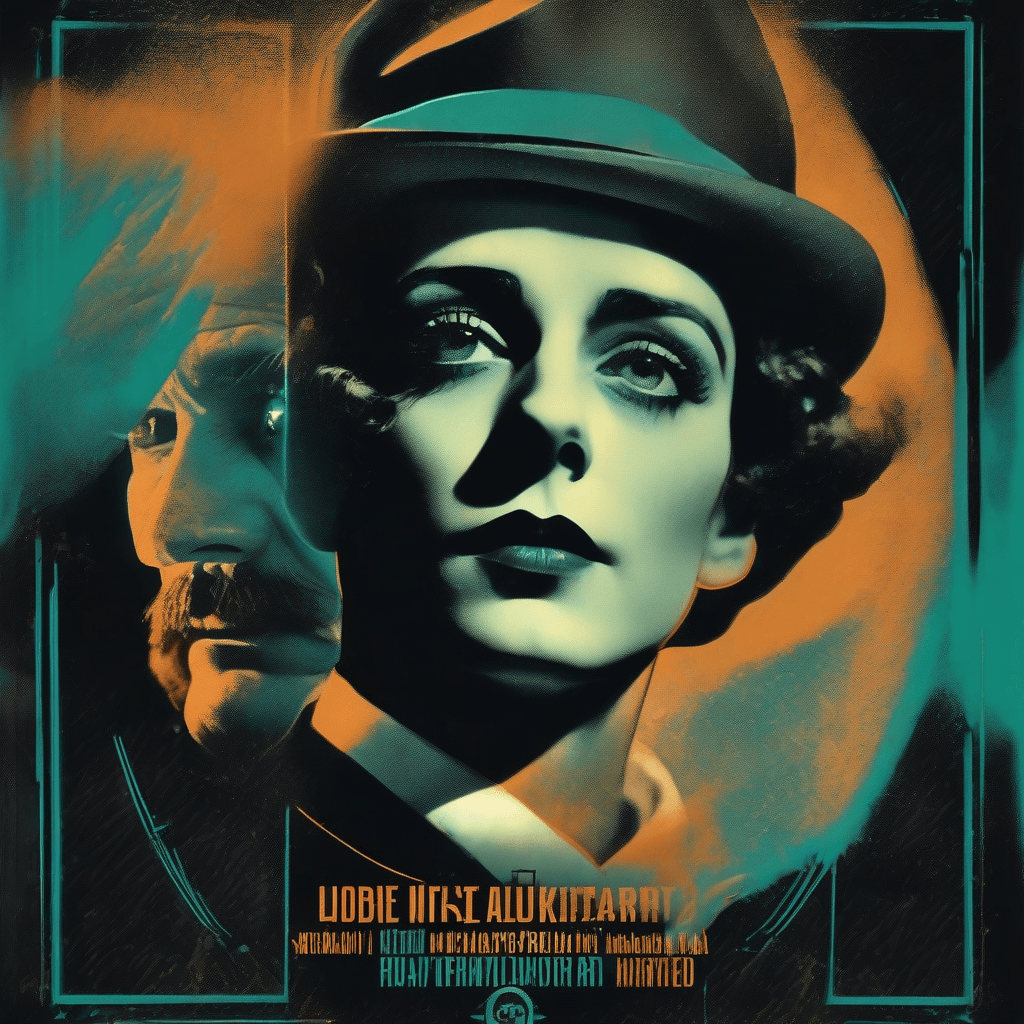
“An exploration into how the forgotten anomalies of early cinema, from cross-border smugglers to mythical supermen, provided the genetic blueprint for modern cult obsession.”
In the flickering shadows of the early twentieth century, before the rigid hierarchies of the studio system had fully calcified, the DNA of the cult film was being spliced in the dark. We often think of cult cinema as a product of the 1970s midnight movie circuit, yet its soul—the transgressive, the weird, and the stubbornly idiosyncratic—has been part of the medium since the first nitrate reels began to spin. To understand the modern obsession with the fringe, we must look back at the celluloid chrysalis of the silent era, where films like The White Mouse and The Superman first dared to challenge the boundaries of narrative and social expectation.

The Smuggler’s Soul: Transgression as Narrative Engine
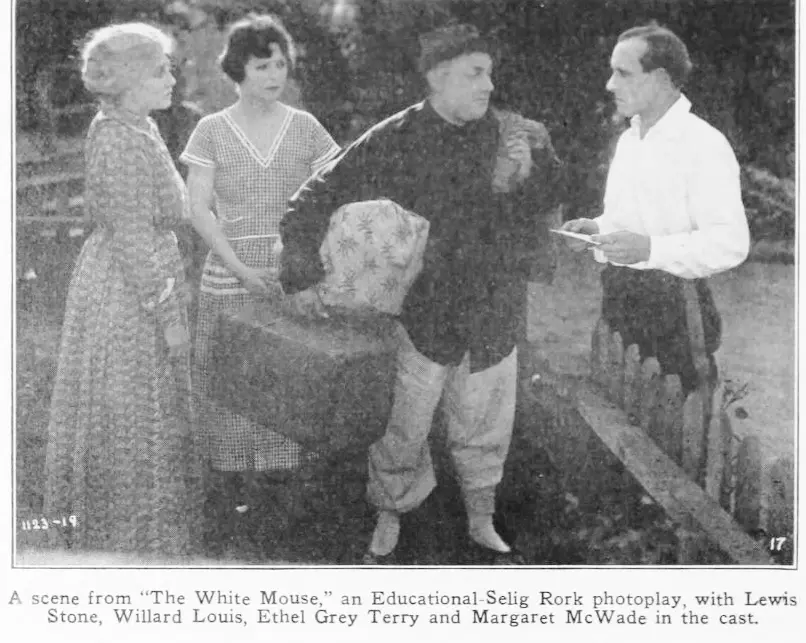
At the heart of any cult classic lies a fascination with the outsider, the rebel who operates in the gray zones of morality. This archetype finds its earliest expressions in the crime-laden shorts and features of the pre-talkie era. Consider the atmospheric tension of The White Mouse, where Sergeant Blake’s pursuit of border smugglers provides a proto-noir framework that would eventually evolve into the gritty underworlds of 1940s B-movies. This same pulse of lawlessness beats through Miss 139, a tale of counterfeit rings and international intrigue that highlights the era's obsession with the clandestine.
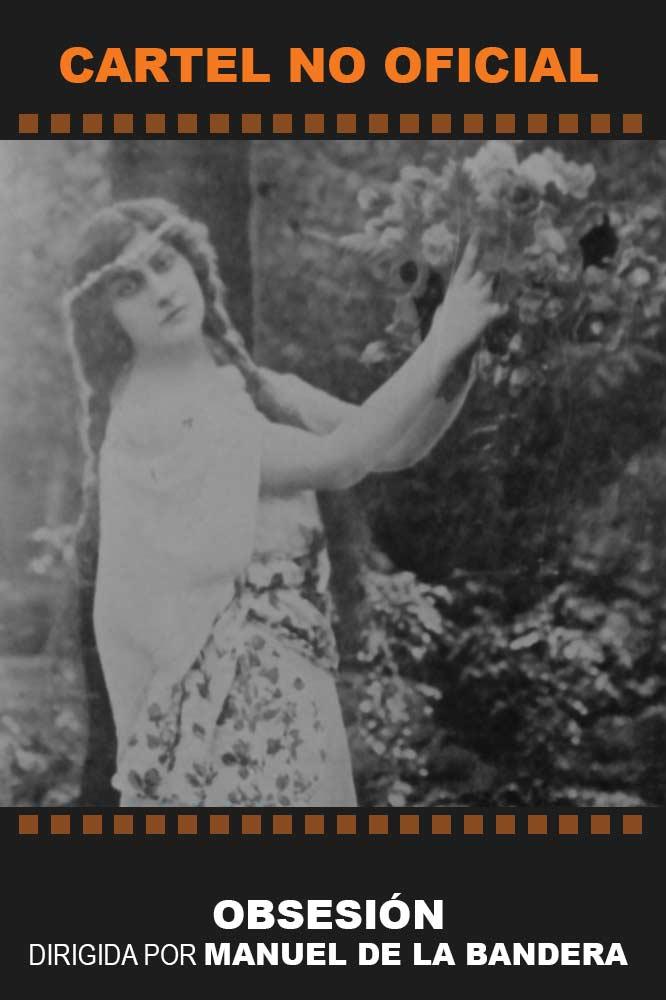
Cult cinema thrives on the "wild" element—the character who cannot be tamed by polite society. In Hurricane’s Gal, we see the girl captain of a smuggling schooner ruling over wild men, a precursor to the fierce, independent heroines of 1970s exploitation cinema. These narratives weren't just about crime; they were about the freedom of the fringe. Whether it is the night riders in The Midnight Raiders or the master thief Picard in A Rogue’s Romance, early cinema established a template for the charming outlaw that remains a cornerstone of cult devotion today.
The Mirror and the Mask: The Dual Identity Obsession
If the outlaw is the body of cult cinema, then the double is its fractured psyche. The trope of the lookalike, the twin, or the hidden identity is a recurring motif that speaks to the inherent artifice of the medium. The Prisoner of Zenda set the gold standard for this narrative device, using a lookalike relative to save a kingdom. This exploration of identity was mirrored in Determination, where twins separated by class and geography (London and Paris) become pawns in a larger social drama. Even in the gold fields of The River’s End, the false accusation and the quest for a lookalike guilty party underscore a fundamental truth of the cult aesthetic: nothing is ever as it seems.
This fascination with the mask reaches its artistic peak in The Devil’s Double. Here, an artist’s obsession with finding the perfect model for Lucifer—a model to depict "brooding evil" and "sardonic sin"—parallels the cult filmmaker's own search for the grotesque and the sublime. Cult audiences are perpetually drawn to these stories of metaphysical mirrors, where the line between the creator and the creation, or the hero and the villain, becomes dangerously thin.
Social Subversion and the Satirical Sting
Cult cinema is often defined by its refusal to play by the rules of the mainstream, and this rebellious streak was alive and well in the early century’s social satires. Bilet Ferat stands as a landmark of this spirit, contrasting conservative Bengali culture with the colonial elite through a sharp, satirical lens. It is the story of the outsider returning home, only to find themselves alienated by the very culture they were meant to belong to—a theme that resonates deeply with the "misfit" audiences of the midnight circuit.
Similarly, The Fair Barbarian and It Isn’t Being Done This Season tackle the rigidity of social class and the absurdity of tradition. In It Isn’t Being Done This Season, the conflict between marrying for wealth and marrying for love becomes a dramatic crucible, while The Wild Strain explores a young woman’s fondness for "wild adventures" that disturb her prominent Hollywood family. These films were the original counter-culture manifestos, subtly or overtly mocking the status quo and celebrating the individual’s right to be eccentric.
The Gendered Lens: Changing Positions and Hidden Secrets
The evolution of the female protagonist in early cinema provided a fertile ground for cult exploration. Woman, an anthology reflecting the changing position of women through history—from Adam and Eve to Messalina—prefigures the thematic depth of later feminist cult classics. The struggle for autonomy is palpable in A Jewel in Pawn, where a widow fights the squalor of the slums to raise her daughter, and in Up in Mary’s Attic, where a secret marriage and child must be hidden to protect an inheritance. These stories of domestic subversion and secret lives provided a voice for the disenfranchised, creating a bond of empathy between the screen and the viewer that defines the cult experience.
The Mythical and the Macabre: Early Genre Mutations
Before horror and fantasy were codified genres, they existed as strange, amorphous experiments. Kinder der Finsternis (Children of Darkness) and Der Teufelswalzer (The Devil’s Waltz) tapped into a primal fear and curiosity that would later blossom into the gothic horror genre. Der Teufelswalzer, with its detective Stuart Webbs investigating a virtuoso's severe anxiety and a mysterious death, blends the procedural with the uncanny in a way that feels remarkably modern.
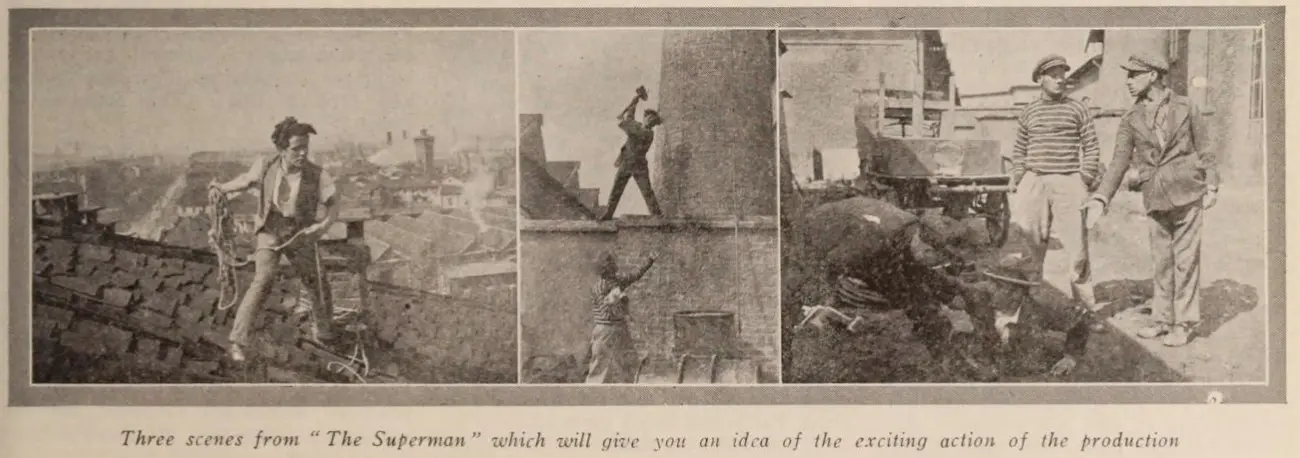
Then there is The Superman, a tale of a mythical kingdom where a royal prince attempts to usurp the throne, only to be thwarted by the sheer physical and moral force of Samson. This blend of the mythical and the political—the idea of a "superman" intervening in the affairs of men—is the bedrock of the superhero and fantasy cults that dominate contemporary fandom. These early films were not afraid to be "too much"—too dramatic, too strange, or too ambitious for their budgets. It is this fearless excess that cult audiences find so intoxicating.
The Architecture of the Abnormal: Narrative Anarchy
Perhaps the most enduring trait of cult cinema is its willingness to embrace the absurd and the surreal. The Cruise of the Make-Believes features a girl in a New York slum who builds a "yacht" in her backyard to take imaginary voyages. This image of the DIY dreamer, building their own world out of the scraps of the old one, is a perfect metaphor for the cult filmmaker. It is the same spirit found in Bound and Gagged, where a hero must travel the world starting "absolutely naked" to prove his worth. This kind of narrative anarchy—where the premise is so high-concept or bizarre that it defies mainstream logic—is exactly what allows a film to transition from a mere curiosity to a cult icon.
Even the comedies of the era, such as Frisky Lions and Wicked Husbands or the Mutt and Jeff firehouse antics in Fireman Save My Child, leaned into a slapstick surrealism that challenged the viewer's sense of reality. In Apartment 29, a dramatic critic finds himself entangled with the very author whose play he trashed—a meta-commentary on the relationship between the creator and the critic that feels like a precursor to the self-aware cult films of the 1990s.
Conclusion: The Eternal Flame of the Fringe
The films of the early twentieth century were more than just historical curiosities; they were the first sparks of a fire that continues to burn in the hearts of cinephiles today. From the frontier hotels of Her Secret to the opulence and downfall depicted in The Great Victory, Wilson or the Kaiser?, these narratives explored the human condition in all its messy, glorious, and weird permutations. They taught us that the most interesting stories are often found on the edges, in the "no man's land" of The Flower of No Man’s Land or the squalid slums of A Jewel in Pawn.
As we continue to deconstruct and celebrate cult cinema, we must remember that the maverick spirit is not a modern invention. It is a legacy handed down through the nitrate flicker of the silent era—a legacy of rebellion, of doubled identities, and of an unwavering devotion to the unorthodox. The celluloid chrysalis may have been forgotten by the masses, but for those who know where to look, its influence is everywhere, reminding us that the weird will always find its way home.
Community
Comments
Log in to comment.
Loading comments…