
Cult Cinema
The Celluloid Congregation: Uniting the Disenfranchised Through Cult Cinema's Maverick Visions

“Cult cinema thrives on the fringes, forming passionate communities around films that defy mainstream sensibilities and offer alternative perspectives. This deep dive explores the enduring allure of these maverick visions, from their transgressive narratives to their profound impact on cinematic cult…”
In the vast, ever-expanding galaxy of cinematic art, there exists a peculiar, often misunderstood, yet profoundly cherished constellation known as cult cinema. These are not merely films; they are phenomena, forging fervent communities and inspiring a devotion rarely seen for mainstream blockbusters. Far from being defined by box office success or critical acclaim, cult films carve their legacy through an unwavering, often delayed, embrace by a dedicated viewership. They are the cinematic outcasts, the misfits, the daring rebels that challenge convention, offering narratives and aesthetics that resonate deeply with those who feel alienated by the ordinary.

What is it about these unconventional films that compels such unwavering loyalty? It's a complex alchemy of transgressive themes, audacious storytelling, unique visual styles, and often, a sense of shared discovery. From the earliest days of cinema, certain films, perhaps dismissed or misunderstood in their time, harbored a latent power to captivate and provoke. They touched upon universal human experiences—forbidden desires, societal critique, the struggle for identity, or sheer, unadulterated absurdity—but presented them through a lens that was anything but typical. This article delves into the enduring mystique of cult cinema, examining its origins, its evolution, and its profound impact on both the cinematic landscape and the souls of its devoted congregants.

The Maverick's Manifesto: Defying Conventional Storytelling
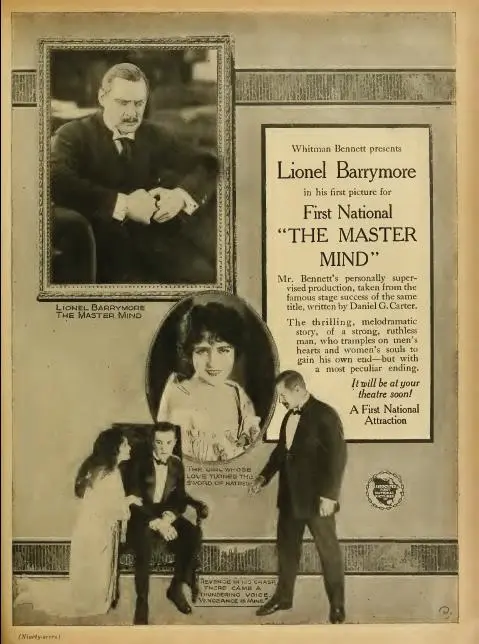
At the heart of every cult classic lies a willingness to disregard established cinematic rules. These films refuse to be neatly categorized, instead embracing narrative anarchy and genre mutation. Consider the early dramas that explored moral ambiguities and challenging social dynamics, or the burgeoning crime thrillers that delved into the minds of anti-heroes and masterminds. While films like The Fatal Card or The Master Mind might have presented conventional plots, their underlying themes of obsession, revenge, or the manipulation of justice laid groundwork for later, more explicit explorations of transgressive morality. These narratives, often featuring protagonists who operate outside the law or challenge societal expectations, resonated with audiences seeking stories that mirrored their own sense of defiance or disillusionment.
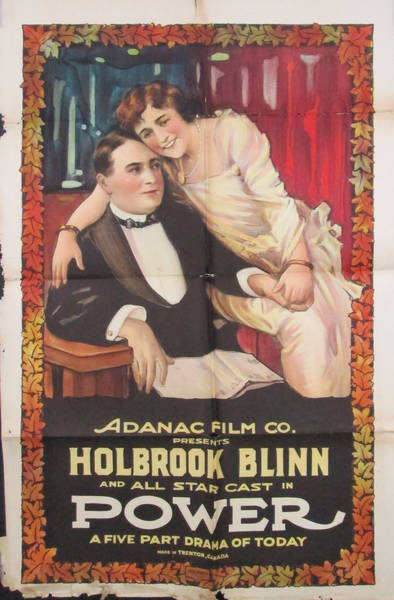
The cinematic landscape of the early 20th century, though seemingly innocent, often harbored films that, in hindsight, carried the seeds of cult status. Tales of ambition leading to ruin, as seen in False Ambition, or the quiet desperation of marginalized lives, as in Mrs. Wiggs of the Cabbage Patch, presented a stark contrast to the saccharine morality plays prevalent at the time. These were not just stories; they were reflections, sometimes distorted, of real-world struggles, offering audiences a glimpse into lives less ordinary. The raw, unfiltered portrayal of human flaws and societal pressures, even within the confines of early cinematic language, began to forge a connection with viewers who craved authenticity over escapism.

Many cult films thrive on a sense of subversion. They might take a familiar genre, like the Western (e.g., The Fighting Trail or The Devil's Trail), and infuse it with unexpected psychological depth or moral complexity, moving beyond simple good-versus-evil narratives. Others, like early comedies such as The Heart Snatcher or The Show, might have pushed the boundaries of slapstick or surreal humor, anticipating the absurdism that would become a hallmark of later cult comedies. It is this inherent quality of challenging the status quo, of offering an alternative perspective, that makes these films so enduringly compelling. They beckon viewers to look beyond the surface, to question the obvious, and to find meaning in the unconventional.

From Obscurity to Obsession: The Alchemy of Fandom
One of the most fascinating aspects of cult cinema is its journey from initial obscurity or critical dismissal to widespread, passionate adoration. Many films that now hold legendary status were, upon their release, box office failures or met with lukewarm critical reception. It’s as if they were speaking a language that the mainstream wasn't yet ready to understand. Yet, over time, these films found their true audience, a congregation of viewers who recognized their unique brilliance, their prescient themes, or their sheer audacity. This delayed recognition is often a key ingredient in the cult phenomenon.

The rise of midnight movie screenings in the mid-20th century played a pivotal role in solidifying the concept of cult cinema. These late-night showings provided a safe haven for films that were too strange, too provocative, or too niche for daytime audiences. It was in these dark, communal spaces that films like Humor Risk (a legendary lost Marx Brothers film, hinting at early experimental comedy) or even more dramatic fare dealing with forbidden love or social ostracization could be experienced in an environment of shared enthusiasm and acceptance. The repeated viewings, often accompanied by audience participation, transformed passive spectatorship into an active, almost ritualistic engagement. This communal aspect is vital; cult films are not just watched, they are experienced together.
The shared experience extends beyond the theater, fostering online communities, fan art, merchandise, and academic discourse. Enthusiasts dissect every frame, analyze hidden meanings, and celebrate the quirks that others might deem flaws. A film like Li Ting Lang, which explores intercultural romance and social prejudice, might have initially struggled to find an audience, but its themes could resonate powerfully with later generations grappling with similar issues of identity and acceptance. This dedication turns a mere film into a cultural touchstone, a secret handshake among those who understand its unique language. The journey from obscurity to obsession is a testament to the power of a film to find its tribe, regardless of initial commercial pressures.

The Unseen Tapestry: Weaving Diverse Genres into a Unified Cult Fabric
What truly defines cult cinema is not a specific genre, but rather a shared sensibility. It’s a vast, intricate tapestry woven from threads of horror, science fiction, drama, comedy, and experimental art. You can find cult status bestowed upon films as diverse as psychological thrillers like The Clue, which might have explored espionage and deception, or lighthearted comedies such as Be My Wife, which pushed comedic boundaries. The unifying factor is their distinctiveness, their refusal to conform to mainstream expectations, and their ability to forge an emotional or intellectual connection with a discerning audience.

The aesthetic of the outcast often plays a significant role. This could manifest as a deliberately bizarre visual style, unconventional pacing, or characters who are themselves societal misfits. Films that explored the lives of those on the fringes, whether through the lens of poverty as in The Heart of a Police Officer, or familial strife as in Young Mrs. Winthrop, often resonated with audiences who saw their own struggles or unique perspectives reflected on screen. These films, regardless of their original intent, became beacons for the unconventional, offering narratives that embraced complexities over simplistic portrayals.
The themes that recur in cult cinema are often deeply human yet presented in heightened or stylized ways. Forbidden love, moral corruption, the quest for identity, and rebellion against authority are common motifs. A film like Forbidden Fruit, with its exploration of marital infidelity and societal expectations, could be seen as an early example of a narrative challenging the moral conventions of its era, paving the way for more explicit explorations of taboo subjects. Similarly, a drama about a character struggling against overwhelming odds, like Courage, might find its cult following in its raw emotional honesty and its portrayal of resilience in the face of adversity. This genre-bending, thematic depth, and unique aesthetic create a rich, diverse body of work that continues to fascinate and inspire.
The Rebel Heart: Embracing the Transgressive and the Taboo
Cult cinema, almost by definition, flirts with the transgressive. It dares to explore subjects deemed taboo, pushes the boundaries of taste, and challenges moral conventions. This willingness to go where mainstream cinema fears to tread is a significant part of its irresistible allure. From early crime dramas that delved into the intricacies of criminal masterminds (like The Master Mind) to films that depicted characters driven by revenge or obsession (such as The Devil's Trail), there has always been an audience fascinated by the darker, more unconventional aspects of the human psyche.
The concept of the 'forbidden fruit' extends beyond explicit content, encompassing narratives that challenge societal norms, question authority, or celebrate characters who defy expectations. Films like Li Ting Lang, which explored a controversial interracial relationship for its time, or Forbidden Fruit, which dealt with marital infidelity, were inherently transgressive. They presented scenarios and relationships that were often whispered about but rarely openly discussed or depicted on screen, offering a form of catharsis or validation for audiences who felt similarly constrained by societal rules.
Even seemingly innocuous comedies or shorts from the early era could contain elements of rebellion. A film like The Great Nickel Robbery, despite its comedic premise, subtly plays with themes of petty crime and defiance against corporate structures, albeit in a lighthearted manner. The psychological complexity of characters, whether they are driven by greed, love, or a thirst for justice, often forms the backbone of these transgressive narratives. Cult films invite viewers to confront uncomfortable truths, to empathize with the morally ambiguous, and to question the facile distinctions between good and evil. This embrace of the unconventional and the willingness to explore the shadows of human experience is a defining characteristic of the cult film phenomenon, creating a powerful bond with audiences who crave intellectual and emotional challenge.
More Than Just Movies: A Cultural Phenomenon
Ultimately, cult cinema transcends its status as mere entertainment; it becomes a cultural phenomenon, leaving an indelible mark on cinematic history and popular culture. These films, once outliers, often go on to influence generations of filmmakers, inspiring new aesthetics, narrative structures, and thematic explorations. The audacious spirit of early experimental shorts or the raw emotionality of forgotten dramas can be seen echoed in contemporary independent cinema, proving that true artistic merit and a unique vision can endure far beyond initial commercial reception.
The longevity of cult classics is a testament to their timeless appeal. Despite changes in technology, societal norms, and cinematic trends, films that once played to empty theaters continue to find new audiences, year after year. Their themes of alienation, rebellion, identity, and the search for meaning remain universally resonant. Whether it’s the intricate plotting of a mystery like The Lost Express or the stark portrayal of survival in the wilderness as in Brawn of the North, these stories tap into fundamental human experiences in ways that mainstream productions often fail to capture.
For many, cult cinema offers a profound sense of belonging. It’s a secret society, a shared language, a celluloid congregation where outsiders find their tribe. The collective experience of discovering, dissecting, and celebrating these unconventional masterpieces creates bonds that transcend geographical boundaries and generational divides. Films like A Daughter of Australia or Sanji Goto - The Story of Japanese Enoch Arden, even if regionally specific, can find universal appeal in their depiction of human struggles and triumphs. This enduring power to connect, to subvert, and to inspire is the true legacy of cult cinema, ensuring its place as a vital, vibrant, and continuously evolving force in the world of film.
The Undying Resonance of Rebel Reels
From the earliest flickerings of the silent era to the digital age, cult films have carved out a unique and indispensable niche in the cinematic landscape. They remind us that the most profound and resonant art often emerges from the fringes, challenging us to look beyond the obvious and to embrace the strange, the beautiful, and the utterly unconventional. They are a testament to the fact that a film's true value isn't measured in box office receipts, but in the hearts and minds of those it profoundly touches.
The journey of a film from obscurity to beloved cult classic is a compelling narrative in itself, mirroring the struggles of many of its characters. It’s a story of perseverance, of finding one’s voice, and of ultimately connecting with an audience that truly understands. The maverick visions that once seemed out of step with their time now stand as towering achievements, forming a collective consciousness of cinematic rebellion. As long as there are stories to be told that defy expectation and audiences eager to discover them, the congregation of cult cinema will continue to grow, its rebel heart beating strong, forever echoing through the dark, communal spaces where the true magic of film resides.
Community
Comments
Log in to comment.
Loading comments…