
Cult Cinema
The Celluloid Pariahs: Mapping the Genetic Blueprint of Cinematic Devotion
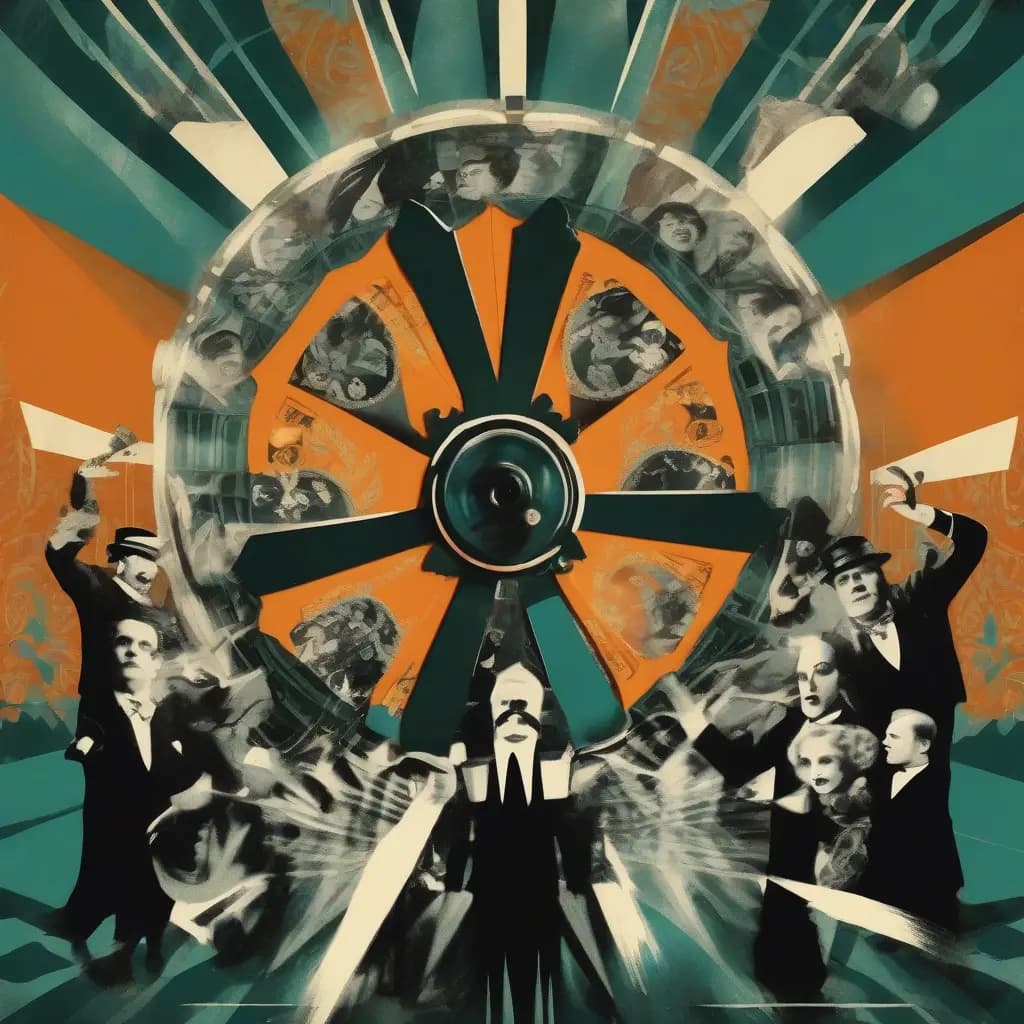
“Explore how the forgotten misfits, moral outliers, and genre-bending experiments of early cinema provided the foundational DNA for the modern cult movie phenomenon.”
To understand the modern cult cinema phenomenon—the midnight screenings of The Rocky Horror Picture Show, the obsessive deconstruction of David Lynch, or the digital resurrection of forgotten b-movies—we must look back to the shadows of the silent era. Cult cinema is rarely born from the mainstream; it is forged in the friction between the audience and the unconventional. It is a lineage of the misunderstood, the transgressive, and the aesthetically rebellious. Long before the term "cult" was coined, the early 20th century was already producing celluloid pariahs that challenged moral codes, experimented with narrative structure, and invited a specific, devotional kind of viewership.
The Genesis of the Misfit Narrative
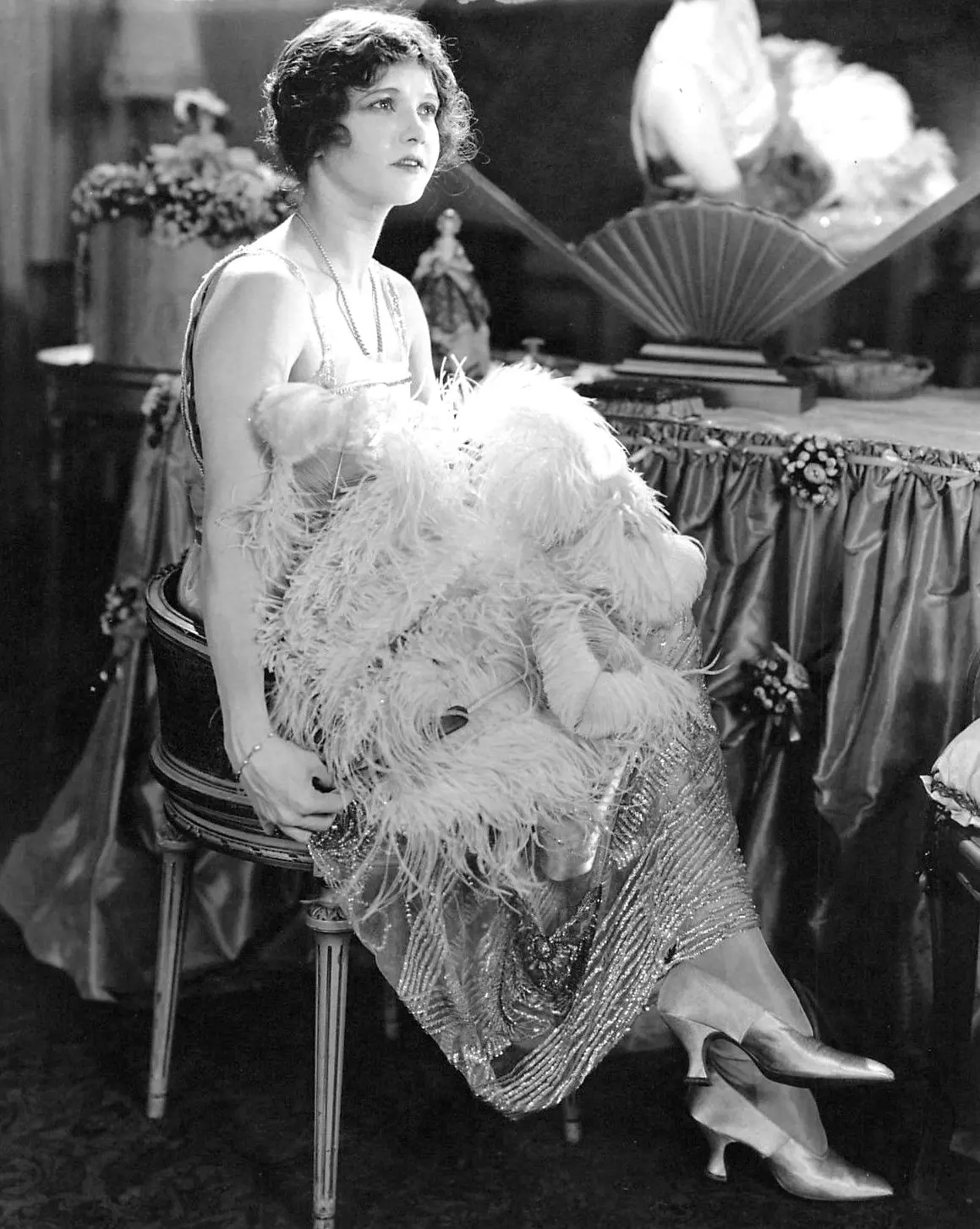
The DNA of cult cinema is rooted in the figure of the outsider. Take, for instance, the 1918 film The Five Faults of Flo. On the surface, it is a moralistic tale of a girl outgrowing pride, envy, and jealousy. However, its episodic structure and hyper-focus on character flaws provide a template for the character-driven obsession that fuels niche fandoms. Cult audiences gravitate toward characters who are palpably human in their failures. We see this again in Phil-for-Short (1919), where the feisty, independent Damophilia Illington challenges the stuffy norms of her time. These are the proto-rebels, the ancestors of the modern cinematic iconoclasts who refuse to fit into the neatly polished boxes of commercial storytelling.

Similarly, the 1924 comedy Hot Water offers an early glimpse into the "domestic surrealism" that would later define camp. The episodic look at married life—complete with a turkey on a trolley and a wild ride in a new auto—elevates the mundane to the absurd. This elevation of the ordinary into something strange and ritualistic is a hallmark of the cult experience. When we watch Clown Charly or Film Foolish, we are witnessing the birth of meta-commentary, where the medium itself becomes a playground for the eccentric.
Subverting the Moral Compass
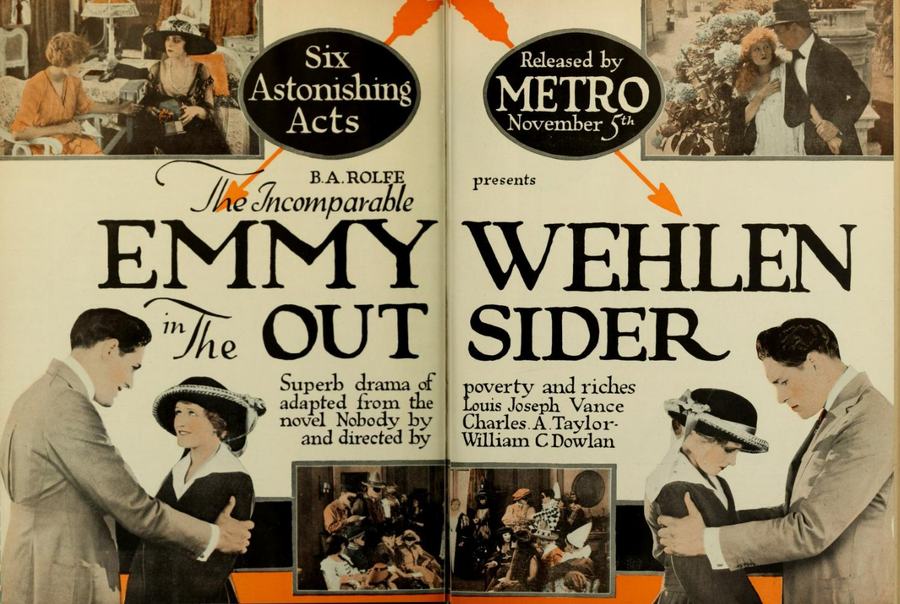
Cult cinema has always been a sanctuary for the transgressive. In the early days of film, censorship was a looming specter, yet filmmakers found ways to explore the darker, more complex corners of the human psyche. When a Woman Sins (1918), starring the legendary Theda Bara, is a prime example. By casting the era's preeminent "vamp" as a nurse who drives men to suicide before seeking redemption, the film flirts with the forbidden. It is this proximity to the "taboo" that creates a magnetic pull for the cult devotee. The cult film does not just tell a story; it offers a secret, a glimpse into a world the mainstream would rather ignore.
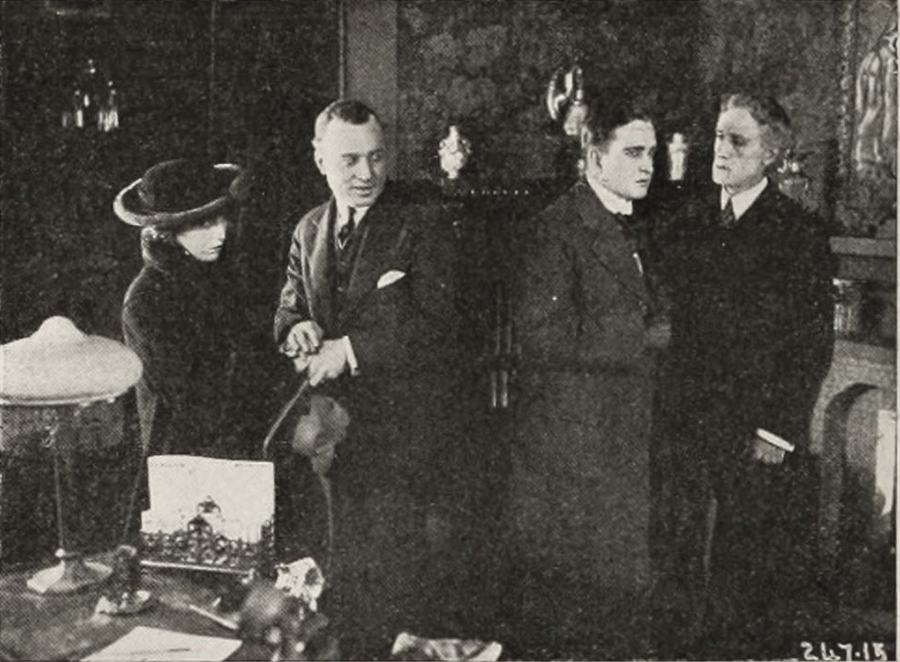
This moral ambiguity is further explored in The Kreutzer Sonata (1915), a Russian-inspired drama of unfortunate love and disgrace. The narrative of a child born out of wedlock and a forced marriage deals with the "unpleasant" realities of life that the polished Hollywood studio system would later attempt to sanitize. Cult cinema thrives in these cracks. It embraces the "fallen" figures found in films like Fallen Angel (1918) or The Soul Market (1916), where actresses and salesgirls navigate a world of passionate suitors and financial ruin. These narratives resonate with the marginalized because they mirror the complexities of an unforgiving reality.
The Aesthetic of the Other
Beyond narrative, the visual language of early genre experiments laid the groundwork for the "aesthetic of the other." The 1923 version of The Blue Lagoon, with its shipwrecked children discovering sexual maturity in a South Pacific void, presents a primal, almost dreamlike environment. This isolation from society is a common trope in cult cinema, creating a vacuum where new rules can be established. Whether it is the archipelago of Nuori luotsi or the desert trails of Spawn of the Desert, the setting often acts as a character itself—a place where the rules of the "civilized" world no longer apply.
Action and mystery films of the era, such as The Shadow of Lightning Ridge (1920) or The Frozen Warning (1917), introduced the concept of the "masked" or "secret" protagonist. The Shadow, a highwayman seeking vengeance, is a precursor to the anti-heroes and vigilantes that populate the fringes of modern genre film. These characters operate in the shadows, much like the cult films themselves, which often exist on the periphery of the public consciousness until they are "discovered" by a dedicated few.
Technological Anxiety and the Birth of Genre
The early 20th century was a time of rapid technological change, and cinema was the primary medium for processing the resulting anxieties. Les gaz mortels (1916), featuring a scientist studying snakes and the looming threat of chemical warfare, is a fascinating proto-horror/thriller. It captures the fear of the unknown and the perversion of science—themes that would become staples of the sci-fi and horror cult classics of the 1950s and 70s. When we look at Roving Thomas on an Aeroplane, we see the whimsical side of this technological obsession, but the underlying fascination remains the same: how do we navigate a world that is changing faster than we can understand it?
Genre-bending is another essential element of the cult DNA. Films like A 111-es (1919) blended thriller, romance, and drama into a cocktail that defied easy categorization. Cult films are often those that "fail" to fit into a single genre, creating a hybrid experience that feels fresh and unpredictable. The Hornet's Nest (1919), with its mix of inheritance mystery and romance, or Potash and Perlmutter (1923), which combines the garment industry with a Russian violinist's love story, show a willingness to experiment with tone and subject matter that is rarely seen in modern blockbusters.
The Devotional Audience: From Silent Reels to Midnight Screens
What truly transforms a film into a cult object is the audience. This relationship began with the serials and short films that kept viewers coming back week after week. The Adventures of Peg o' the Ring (1916) is a perfect example of the "cliffhanger" culture that fostered a sense of community and shared anticipation. To follow Peg’s circus adventures was to be part of a group that "knew" something the casual observer did not. This sense of belonging is the heartbeat of cult fandom.
Even the more "earnest" films of the era, such as The Life of Christ (1906/1917) or The Chosen Prince (1917), invited a ritualistic form of viewing. The Chosen Prince, exploring the intense friendship between David and Jonathan, has been re-examined by modern audiences through various lenses, proving that a film’s meaning is never static. Cult cinema is defined by this ability to be re-interpreted, re-claimed, and resurrected. A film like Revolutionens datter (1918), with its workers' shipyard strikes and class conflict, may have been a contemporary drama in its time, but today it serves as a radical artifact for those seeking the roots of political cinema.
Unearthing the Forgotten Masterpieces
The tragedy of early cinema is that so much of it has been lost to time and nitrate decay. Yet, the films that remain—the fragments and the restored prints—act as a "reliquary" for the cult spirit. When we watch Samhällets dom (1912), a story of a man seeking a new life in America after prison, we are watching the archetype of the "outcast seeking redemption" that has fueled a thousand indie films. When we see Is Money Everything? (1923), we are reminded that the critique of the American Dream is as old as the camera itself.
The cult movie is an act of archeology. It requires the viewer to dig, to search, and to value the "broken" thing. An Alabaster Box (1917) tells the story of a child whose father goes to prison for embezzlement; it is a story of shame and the struggle for identity. These are not the bright, shiny stories of the elite; they are the stories of the people in the gutters, the people in the cheap seats, and the people who would eventually become the architects of the midnight movie revolution.
Conclusion: The Eternal Flicker of the Fringe
Cult cinema is not a genre; it is a state of mind. It is the refusal to accept the "official" version of film history. By looking at the 50 films in this context—from the slapstick of The Sportsman to the social engineering of The Making of an American—we see a medium that was, from its very inception, diverse, daring, and deeply weird. The silent era was the first great laboratory of human obsession, and the experiments conducted there continue to influence every "weird" movie we love today.
Whether it is the haunting melodrama of Le crépuscule du coeur or the comedic vengeance of Graf Sylvains Rache, these films remind us that the spirit of rebellion is timeless. The next time you find yourself in a dark theater at 2:00 AM, watching a film that no one else seems to understand, remember that you are part of a century-old tradition. You are a descendant of the viewers who sat in the dark in 1916, mesmerized by the Leopard's Mark or the mysterious Mr. Wu Chung Foo. The celluloid may be old, but the fire of the fringe never goes out.
The legacy of the pariah is the salvation of the cinema. As long as there are filmmakers willing to risk failure for the sake of the unconventional, and as long as there are audiences willing to embrace the "faults" of a Flo or the "sins" of a Bara, cult cinema will continue to thrive in the shadows of the mainstream marquee.
Community
Comments
Log in to comment.
Loading comments…