
Cult Cinema Deep Dive
The Celluloid Saboteur: Unveiling the Transgressive Soul and Maverick Rhythms of Early Cinema’s Genre Rebels

“A deep-dive investigation into the forgotten outliers of the silent era and how these early cinematic anomalies provided the genetic blueprint for modern cult movie devotion.”
Cult cinema is often defined by its afterlife—the midnight screenings, the obsessive fan theories, and the ritualistic devotion of a dedicated subculture. However, the genetic code of this transgressive magnetism was not written in the 1970s with the birth of the midnight movie circuit. Instead, it was etched into the flickering silver of the early 20th century, inside the frames of films that dared to be different, difficult, or downright bizarre. To understand the modern cult phenomenon, we must look back at the celluloid saboteurs of the silent and early sound eras, those genre-defying anomalies that broke the rules of polite society and narrative convention long before the term 'cult film' even existed.

The Architecture of the Abnormal: Why the Fringe Endures
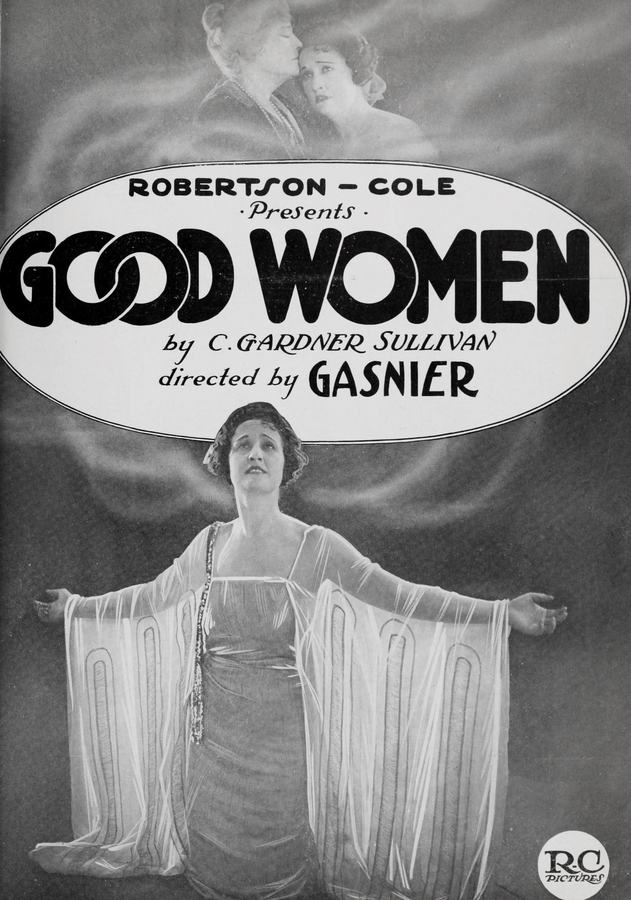
At its core, cult cinema is the sanctuary of the overlooked. It is a space where films like Destiny's Isle or Good Women find a second life far removed from their initial commercial reception. In the early days of the medium, the pressure to conform to moralistic codes was immense, yet filmmakers constantly found ways to slip through the cracks. Consider the 1921 film Good Women, a narrative that explores a woman challenging conventions and being cast aside by society. This theme of the social pariah is a cornerstone of cult appeal; the audience identifies with the outcast, the rebel who refuses to bow to the status quo.
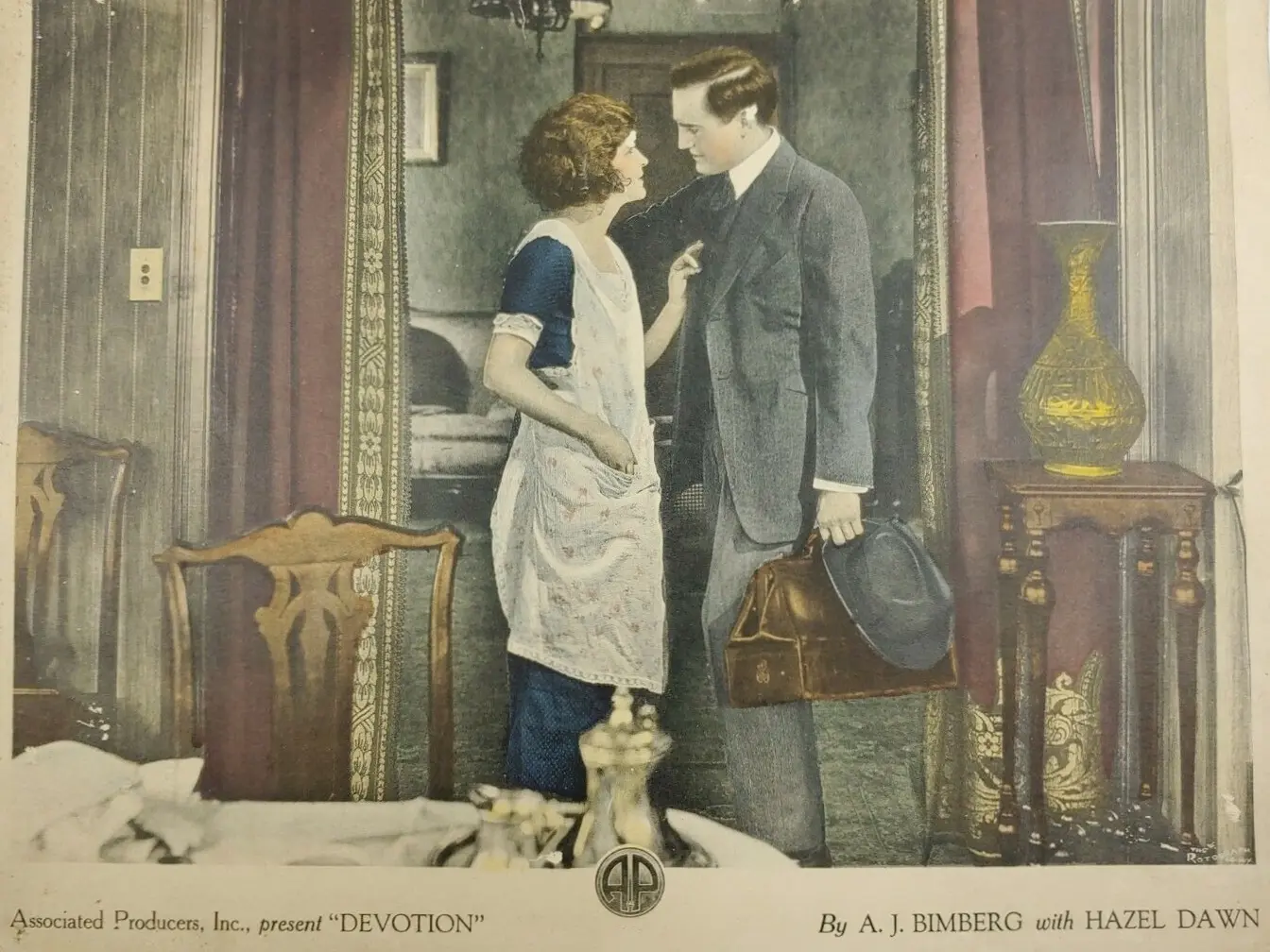
These early works were not merely entertainment; they were experiments in narrative anarchy. Films like The Girl in Number 29, which depicts a playwright refusing to repeat his own success, mirror the very nature of cult creators who reject the 'safe' path of the mainstream. This refusal to repeat the familiar is what attracts the cultist—the viewer who seeks the jagged edge of the unconventional rather than the smooth polish of the blockbuster.

The Primal Magnetism of the Silent Outlier
One cannot discuss the roots of cult cinema without addressing the sheer weirdness that permeated early short-form content. Take, for example, The Pest (1922). Before Stan Laurel became half of the most famous comedy duo in history, he was experimenting with surrealist humor that bordered on the grotesque. In The Pest, Laurel dresses as a dog and navigates a world of lecherous landlords and eviction threats. This brand of absurdist comedy is a direct ancestor to the works of John Waters or the Monty Python troupe. It is comedy that doesn't just ask for a laugh; it demands a double-take.
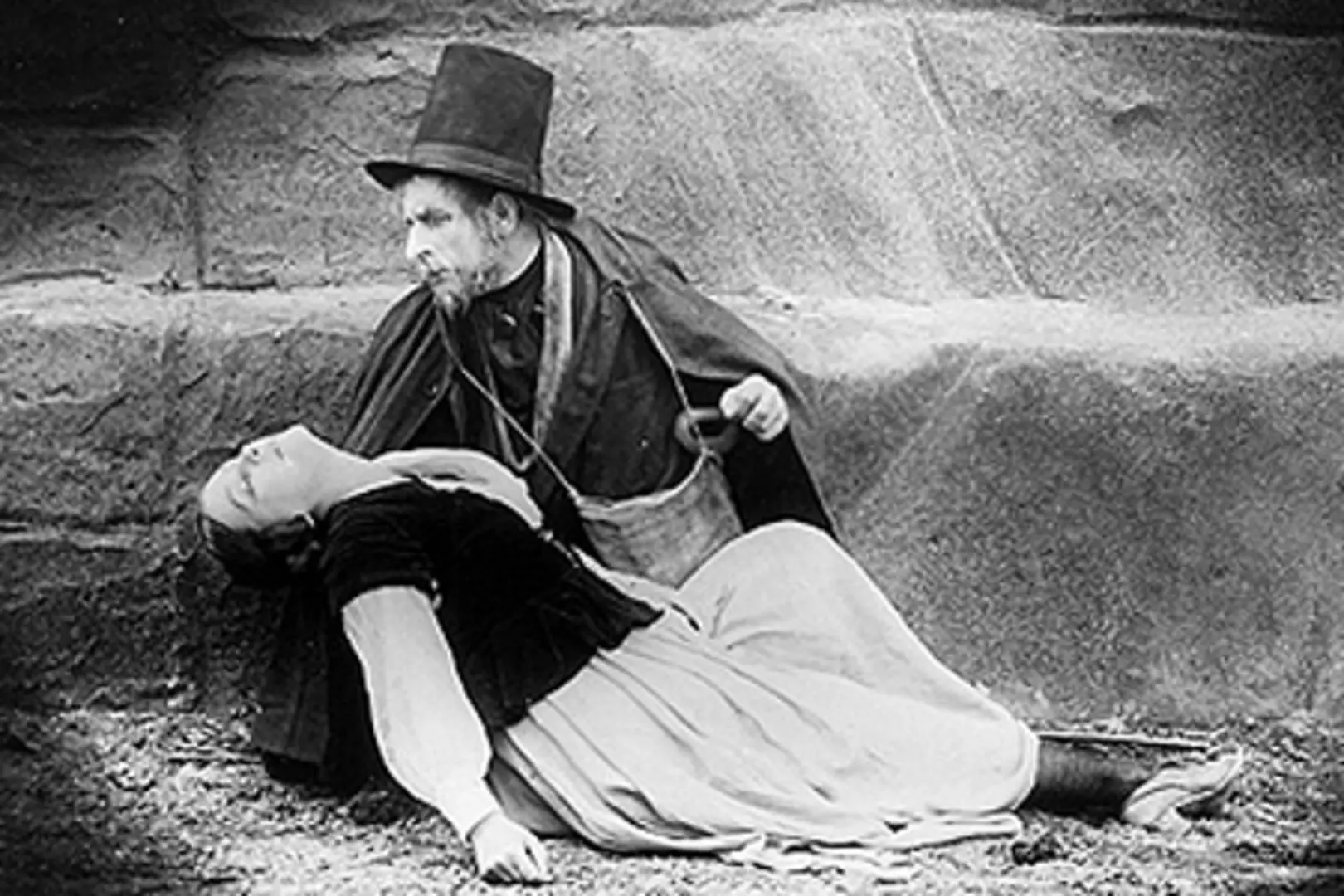
Similarly, Wet and Warmer and All Wet showcase a fascination with the physical and the slapstick that often veered into the uncanny. These films utilized the camera not just to record reality, but to distort it, creating a visual language that spoke to the disenfranchised. The cult movie fan is, by nature, a collector of these distortions. They are the cartographers of the 'weird,' mapping out the moments where cinema loses its mind and finds its soul.
Transgressive Narratives and the Birth of the Femme Fatale
The cult of the 'Dangerous Woman'—the femme fatale who disrupts the patriarchal order—finds its early champions in films like Colomba and Iris. In Colomba, we see the archetype of the elegant disruptor, a woman who keeps the men around her trapped in a cycle of romantic fantasy and expectation. This is not the passive heroine of the Victorian stage; this is a precursor to the noir icons and the transgressive leads of 1970s exploitation cinema.
The 1915 film Iris takes this a step further, depicting a widowed heiress who is forbidden from remarrying but chooses to take a lover anyway. Such narratives were radically subversive for their time, challenging the audience's moral compass and providing a blueprint for the 'difficult' characters that cult audiences adore. We see this same spirit in The Last Payment, where a woman flees the wild life of Paris for self-exile in South America, a story of reinvention and hidden pasts that resonates with the cult ethos of escaping the mundane.

Genre Anarchy: From Westerns to Weirdness
Cult cinema thrives on the 'genre-mashup,' the film that refuses to stay in its lane. Early cinema was rife with these mutations. Hands Up (1918) is a perfect example: a newspaperwoman finds herself in the middle of an Inca tribe that believes she is the reincarnation of their princess. This blend of contemporary journalism and ancient mysticism is the exact kind of high-concept madness that fuels modern cult hits. It is a cinematic anomaly that defies easy categorization, making it a prime candidate for rediscovery by those who value the strange over the standard.
Even the traditional Western was not safe from the touch of the unconventional. The Wild Wild West and The Secret Man (starring Harry Carey as the convict Cheyenne Harry) introduced the 'anti-hero' to the American landscape. In The Secret Man, we see a protagonist escaping prison in a garbage truck—a gritty, unglamorous, and deeply human moment that stands in stark contrast to the polished heroes of the era's more 'respectable' fare. This is the outlaw spirit that remains the heartbeat of the cult movie world.
The Global Fringe: Cult Beyond Borders
The magnetism of the unconventional is not limited to Hollywood. The early 20th century saw a global explosion of maverick visions. In Turkey, Bican Efendi vekilharç introduced an awkward, rule-breaking steward whose comedic bumbling served as a form of social defiance. This film, along with others like the Danish Valdemar Sejr or the Japanese Yamata, proves that the desire for the 'other' is a universal human trait. Cult cinema is the bridge that connects these disparate cultural moments through a shared appreciation for the marginal.
Consider the documentary-style experimentation of Such Is Life in Munich or the historical provocation of Barbarous Mexico. These films sought to pull back the curtain on realities that the mainstream preferred to ignore. They were, in their own way, the first 'underground' films, documenting the grit and the grime of the human experience. For the cult film scholar, these works are essential artifacts, representing a time when the camera was a weapon used to challenge the viewer's perception of the world.
The Ritual of the Rediscovered Reel
Why do we continue to obsess over these forgotten reels? Why does a film like The Man Who Stole the Moon or A Night in New Arabia still hold a certain power over the cinematic imagination? The answer lies in the communal catharsis of the discovery. To find a film that has been buried by time—to watch the adventures of Tom in Destiny's Isle or the moral dilemmas of the banker in David Harum—is to participate in a cinematic séance. We are not just watching a movie; we are resurrecting a vision that was once deemed too small, too strange, or too niche for the masses.
The cult experience is built on this sense of exclusive knowledge. When we discuss the awkward charm of Nugget Nell (played by the incomparable Dorothy Gish) or the psychological depth of The Other Man (a story of a surgeon becoming a derelict after discovering his wife's infidelity), we are engaging in a secret language. We are identifying with the themes of betrayal, isolation, and the struggle for redemption—themes that the celluloid saboteurs of the past handled with a raw honesty that still feels modern today.
Conclusion: The Eternal Flame of the Fringe
The legacy of the early 20th century’s genre rebels is not found in the history books of the victors, but in the hearts of the fans who refuse to let the strange die. From the absurdist antics of The Pest to the transgressive social critiques of Iris, these films laid the foundation for every midnight movie that followed. They taught us that cinema is at its most potent when it is subversive, messy, and unapologetically itself. As we continue to navigate the vast ocean of digital content, we must remember to look back at the outliers, the anomalies, and the forgotten misfits. They are the ones who truly defined the cult soul, proving that even in the silent era, the loudest voices were often the ones whispering from the shadows.
Whether it is the mystery of The Third Eye or the high-stakes drama of The Raiders, the spirit of the celluloid saboteur lives on. It is a spirit of defiance, a refusal to be forgotten, and a testament to the enduring power of the unconventional. In the end, we don't just watch cult films; we inhabit them, finding a home in the very fringes that the rest of the world has chosen to ignore. And as long as there are stories like The Gates of Doom or A Virginia Courtship waiting to be unearthed, the flame of cult cinema will never truly go out.
Community
Comments
Log in to comment.
Loading comments…