Deep Dive
The Chromatic Outlaw: Decoding the Primal Subversions of Early Cinema’s First Century of Genre Mutants
“An analytical exploration of how early silent-era oddities and transgressive narratives established the genetic blueprint for modern cult cinema and niche obsession.”
The genesis of cult cinema is often mistakenly attributed to the midnight movie craze of the 1970s, but the true DNA of the transgressive, the weird, and the obsessive was forged in the flickering shadows of the early 20th century. Long before the term 'cult film' entered the lexicon, a series of genre mutants and narrative outliers were already challenging the boundaries of the medium. These films, ranging from early horror adaptations to social hygiene dramas, provided the primal rhythms that would eventually define the maverick soul of alternative cinema. To understand the modern obsession with the fringe, one must look back at the original rebels who refused to adhere to the burgeoning Hollywood formula.
The Alchemical Origins of Cinematic Horror and Fantasy
At the heart of the cult experience lies the allure of the impossible and the grotesque. Early cinema was a laboratory for these visual experiments. Consider the 1920 Italian production of The Monster of Frankenstein. While later versions would become iconic, this early adaptation tapped into a primal fear of the scientific 'other' that resonated with the era's growing anxiety toward industrialization. It wasn't just a monster movie; it was a manifestation of the unconventional vision that would later characterize the horror genre's most devoted fanbases.
Similarly, the technical audacity of 20,000 Leagues Under the Sea (1916) showcased a different kind of cult magnetism: the obsession with technical spectacle. By utilizing pioneering underwater photography, the film invited audiences into a world that felt tangibly alien. This desire to transcend the limitations of the physical world is a cornerstone of the cult ethos. Whether it is the magical intervention of a Jinn in The Brass Bottle or the airship crash that leads to a utopian island in The Lotus Eater, early cinema was obsessed with the concept of the 'elsewhere'—a theme that remains a primary driver for niche fandoms today.
The Moral Outlier: Transgression as Narrative Engine
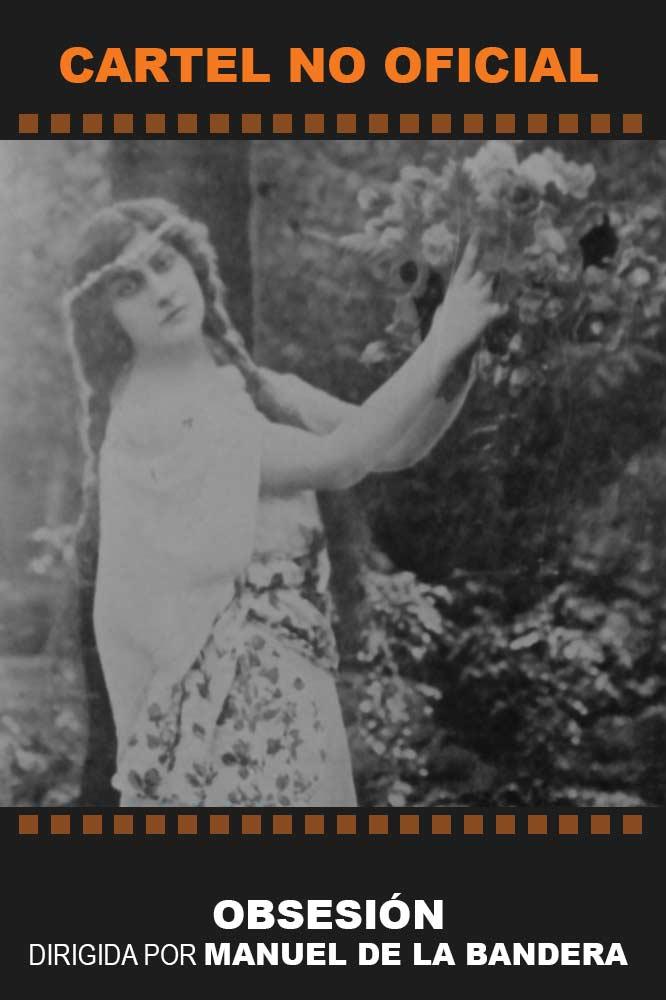
Cult cinema has always thrived on the forbidden. In the silent era, this often took the form of 'social hygiene' films or melodramas that pushed the envelope of acceptable morality. The Solitary Sin (1919) is a fascinating precursor to the exploitation cinema of the 1960s and 70s. By framing taboo subjects under the guise of education, these films allowed audiences to engage with the primal deviance of the human condition. This tradition of exploring the 'unseen' or 'unspoken' created a blueprint for the transgressive narratives that cult audiences crave.
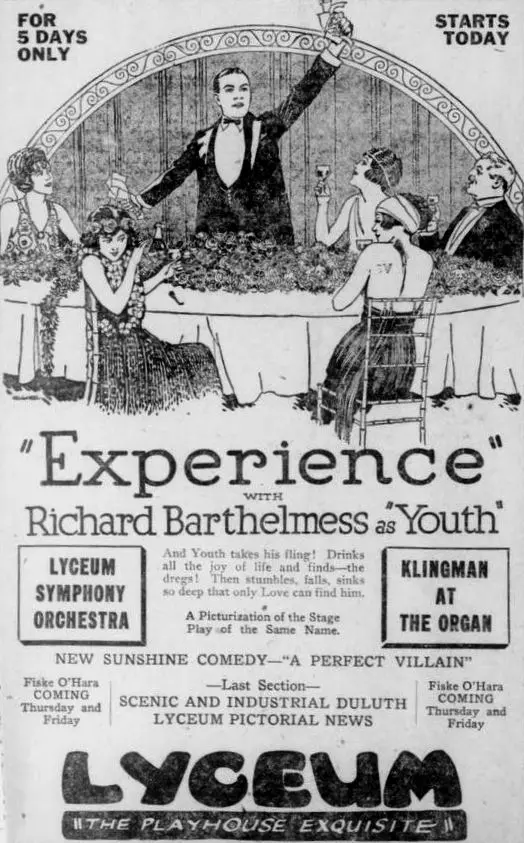
We see this same moral complexity in The Cheat (1915), where the visceral act of branding becomes a symbol of possession and social disgrace. The film’s willingness to depict such raw, violent imagery set a precedent for the visual shocks that would later define the works of directors like John Waters or David Cronenberg. These films didn't just tell stories; they challenged the viewer's comfort zone, demanding a level of engagement that went beyond passive consumption. This is the essence of the renegade spirit: a refusal to play by the rules of polite society.
Identity, Doubles, and the Fragmented Self
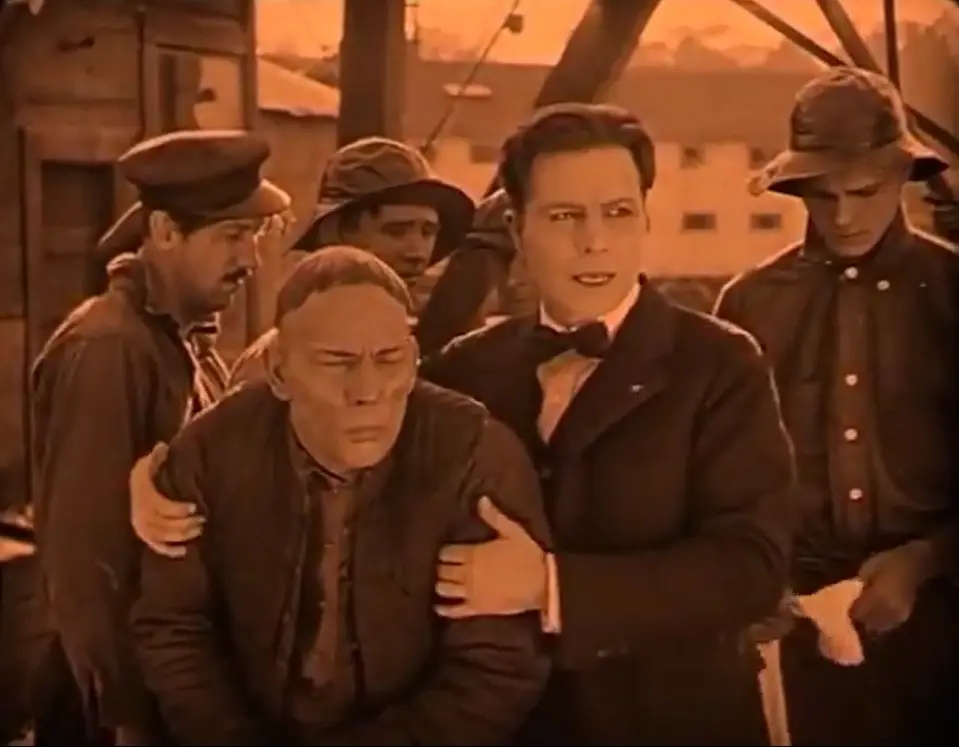
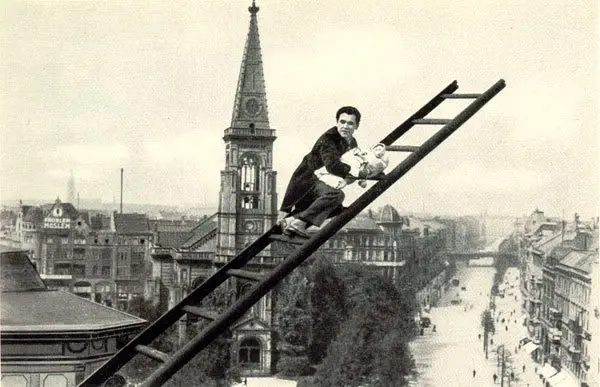
A recurring theme in cult-adjacent cinema is the fluidity of identity. In Twenty-One, the trope of the lookalike—a young man trading places with a boxer—prefigures the postmodern obsession with the 'double' or the 'doppelgänger.' This narrative device allows for an exploration of the self that is inherently unstable, a concept that resonates deeply with audiences who feel disenfranchised from the mainstream. The struggle to be recognized, as seen in The Strength of Donald McKenzie, where a woodsman guide fights for his poetry to be seen, mirrors the struggle of the cult artist themselves: the fight for a unique voice in a world of standardized content.
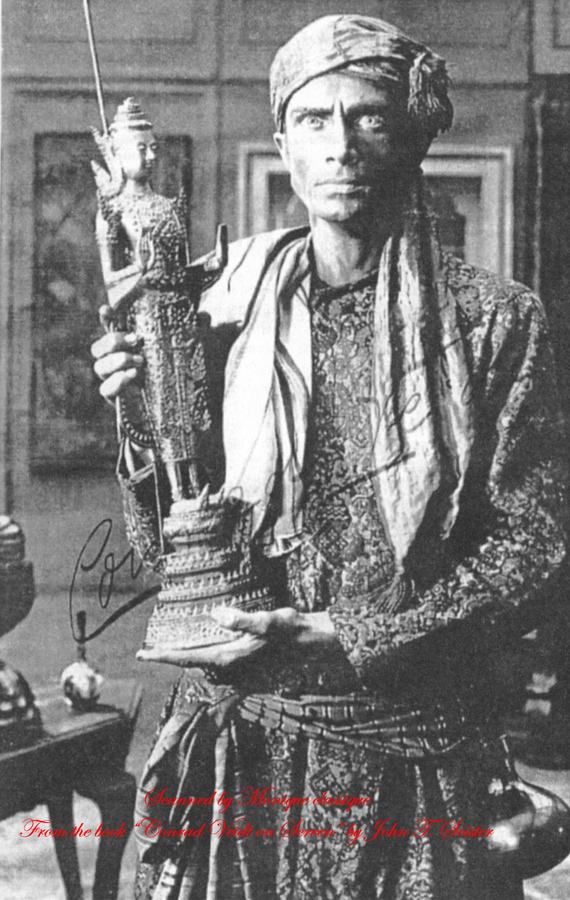
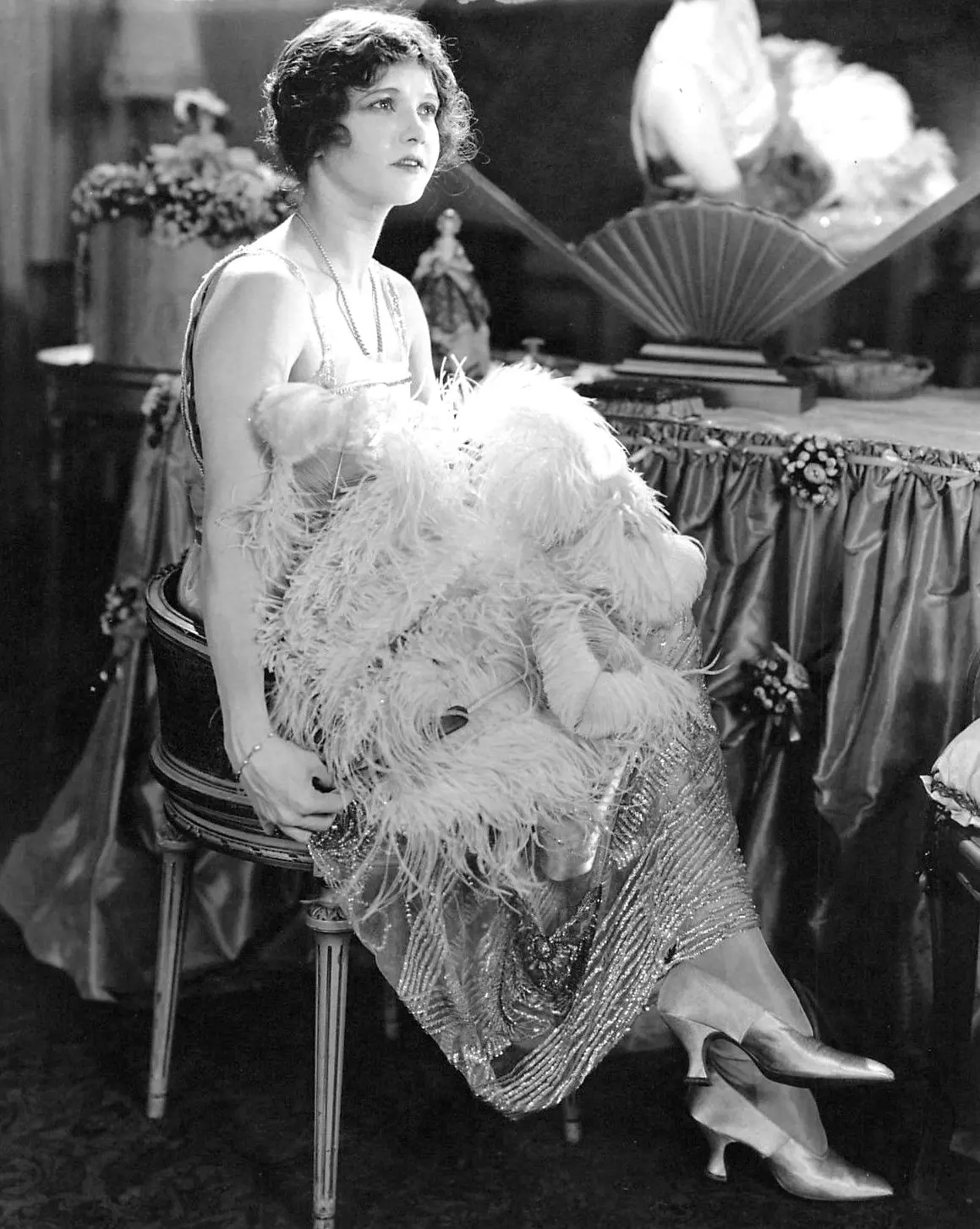
This fragmentation is also present in the stories of women who lead double lives or seek redemption through extreme circumstances. In The Girl Who Came Back, a professional burglar’s daughter must navigate the moral grey area between her criminal upbringing and her desire for a 'normal' life. Similarly, Station Content features a woman who leaves her domestic life for the thrill of the railroad, only to find redemption through a literal train wreck. These high-stakes, almost operatic melodramas provided the emotional intensity that would later fuel the 'camp' and 'melodrama' subsectors of cult appreciation.
The Visual Anarchy of the Short and the Strange
Cult cinema isn't always about the grand epic; often, it is found in the margins of the short film and the absurdist comedy. The early 20th century was rife with these narrative mutants. Take The Pousse Cafe, where a literal interpretation of a drink order leads to a kitten being placed in a glass and a subsequent riot. This kind of surreal, almost Dadaist humor is the ancestor of the 'midnight movie' short. It defies logic and embraces the absurd, creating a shared experience of 'what did I just watch?' that is the bedrock of communal cult viewing.
Even in animation and animal-centric comedies like The Fable of Fearless Fido or Schoolday Love, there is a sense of visual anarchy. These films often featured animals interacting in ways that were both charming and subtly unsettling, tapping into a curiosity about the non-human that persists in the cult fascination with 'creature features.' The sheer variety of these early shorts—from the slapstick of Small Town Stuff to the adventurous travelogues like A Trip to the Wonderland of America—shows a medium still in its wild-west phase, willing to try anything to capture the audience's imagination.
The Hauntology of the Silent Screen
There is a specific kind of cult devotion reserved for films that feel like ghosts. Smilin' Through and The Chimes deal explicitly with the haunting of the past, where memories of lost love or social injustice dictate the present. This 'hauntology'—the presence of the past in the present—is a powerful force in cult cinema. Fans of the genre often act as amateur archivists, unearthing forgotten reels like Der Onyxknopf or L'assassino del corriere di Lione, seeking to piece together a history that was never fully written.
This archival impulse is what keeps the cult flame alive. When we watch The Mayor of Casterbridge and see a man sell his wife to a sailor, we are witnessing a narrative transgression that still feels shocking a century later. The film’s exploration of regret and the cyclical nature of fate provides a depth of character that defies the 'simple' label often applied to silent films. It is in these dark, complex corners of film history that the modern cult sensibility finds its home.
Conclusion: The Enduring Legacy of the First Misfits
The films of the 1910s and 1920s were not just precursors; they were the architects of the cult paradigm. By embracing the strange, the transgressive, and the technically ambitious, these early creators laid the groundwork for every midnight movie, every underground hit, and every niche obsession that followed. From the sci-fi wonder of 20,000 Leagues Under the Sea to the psychological grit of The Cheat, the primal pulse of the fringe has always been there, beating beneath the surface of the mainstream.
As we continue to navigate the digital age of cinema, the allure of the 'outlier' remains as strong as ever. We are still drawn to the stories of the misunderstood, like Conrad in Quest of His Youth, or the dreamers who defy their small-town roots in Youth's Desire. These films remind us that cinema is at its most potent when it dares to be different, when it dares to be an outlaw. The chromatic history of the fringe is a testament to the enduring power of the maverick vision, ensuring that as long as there are stories to tell, there will be a 'cult' waiting to worship them in the dark.
Community
Comments
Log in to comment.
Loading comments…