
Cult Cinema, Deep Dive
The Cinematic Hypnosis: Why Certain Films Cast an Unbreakable Spell on Audiences

“Cult cinema isn't just a genre; it's a phenomenon where films, often overlooked or misunderstood initially, develop an enduring, almost hypnotic grip on dedicated audiences, transcending time and conventional appeal. This article delves into the magnetic pull of these cinematic outliers.”
In the vast, ever-expanding universe of cinema, some films shine brightly upon their release, garnering critical acclaim and box office success, only to fade into the annals of history. Others, however, follow a different trajectory. They might be misunderstood, critically panned, or simply ignored upon their debut, yet over time, they gather a devoted following, achieving a legendary status far beyond their initial reception. These are the films of cult cinema, works that possess an inexplicable, almost hypnotic magnetism, drawing audiences into their unique worlds and fostering a sense of shared discovery and belonging. But what precisely is this unbreakable spell, and how has it been cast throughout cinematic history, from the silent era’s daring experiments to today’s fringe masterpieces?
The Genesis of the Unconventional: Early Cinema's Proto-Cult Sparks
To understand cult cinema's enduring power, we must journey back to its earliest sparks, long before the term 'cult film' entered the lexicon. Even in the nascent days of the moving picture, certain films dared to tread paths less traveled, challenging social norms, exploring complex moral ambiguities, or simply presenting narratives with an idiosyncratic flair. These early, often forgotten, works laid the groundwork for the transgressive spirit that would define cult cinema for generations.
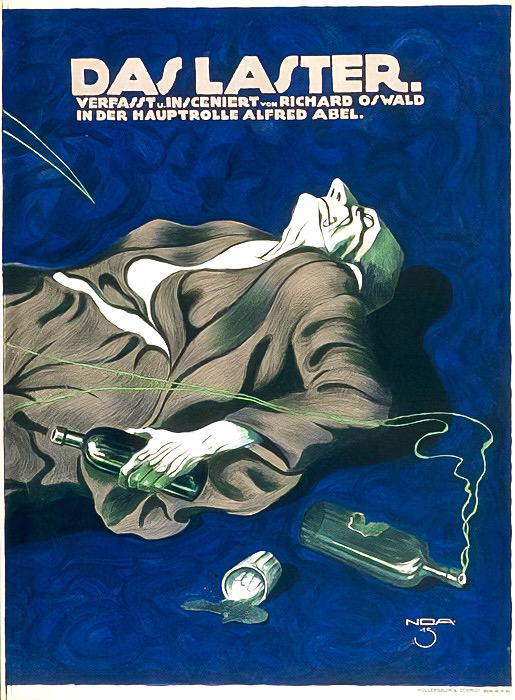
Consider the social dramas of the early 20th century. Films like Das Laster (Vice), which unflinchingly depicted the devastating cycle of alcoholism, or Es werde Licht! 3. Teil (Let There Be Light! Part 3), which tackled the then-taboo subject of syphilis, were not designed for mass appeal in the same way as lighthearted comedies. Their frankness, their willingness to confront societal ills head-on, would have resonated deeply with specific segments of the audience, perhaps those who felt marginalized or saw their own struggles reflected on screen. These weren't 'midnight movies' in the modern sense, but their thematic audacity created a form of proto-cult following, attracting viewers seeking something more profound, more challenging than typical fare.

Similarly, narratives that explored unconventional relationships or defied rigid societal expectations often sparked intense discussion. The Typhoon, with its story of a Japanese diplomat's love affair in Paris and the subsequent social fallout, pushed boundaries of racial and romantic convention. By Right of Purchase presented a woman who effectively 'sells herself' in marriage, only for her husband's unexpected delicacy to lead to misunderstandings – a complex exploration of agency and societal pressure that would have felt provocative. Films like The Talk of the Town, where a young woman rebels against a strict upbringing seeking freedom, or Social Ambition, depicting a man's financial ruin to satisfy his wife's social climbing, touched on universal anxieties about status, gender roles, and personal liberty. These were not just stories; they were reflections, sometimes distorted, of a rapidly changing world, offering a mirror to those who felt out of step with the mainstream.

The Allure of the Anti-Hero and the Outsider Narrative
A defining characteristic of many cult films is their embrace of characters who exist on the fringes of society, anti-heroes, or protagonists whose moral compass operates on an entirely different plane. These figures often embody a rebellion against conventional morality, offering a cathartic release for audiences who feel similarly disenfranchised or simply drawn to the allure of the unconventional.

Early cinema provided numerous examples of these compelling outsiders. In The City of Comrades, an architect turned burglar and his derelict friend find a path to redemption, presenting a protagonist far removed from the virtuous heroes of the day. A Change of Heart features a former convict, 'Handsome Harry,' struggling to reform, offering a sympathetic portrayal of someone trying to escape their past. These narratives dared to suggest that goodness could be found in unexpected places, and that society's outcasts harbored complexities often ignored by mainstream storytelling.
Female characters, too, often broke molds. The Man Tamer, for instance, features a young woman who becomes a lion tamer, navigating a dangerous profession and complex romantic entanglements. This depiction of a strong, independent woman in a traditionally male-dominated role would have been empowering and fascinating. Even seemingly simple tales like A Little Sister of Everybody, featuring a kindhearted humanitarian socialist in a tenement, highlighted characters whose values diverged from the capitalist ideals often promoted. These films, through their characters, provided a space for audiences to explore identities and viewpoints outside the dominant cultural narrative.

Melodrama, Mystery, and the Macabre: Genres that Cultivate Obsession
While character-driven narratives formed a significant part of early proto-cult cinema, genre elements also played a crucial role in cultivating a dedicated following. Melodramas, with their heightened emotions and often tragic stakes, could become intensely absorbing. Films like Love and the Woman, a dramatic tale of an impoverished maid swapping her baby for a wealthy one to give her child a better life, or Blue Blood, dealing with a wealthy man ignoring a paresis warning to marry, offered potent emotional experiences. These were stories of desperate choices, forbidden loves, and societal constraints that, when told with conviction, could deeply move and even obsess audiences.
The nascent genres of mystery and horror also provided fertile ground for cult development. The chilling premise of Die Ahnfrau (The Ancestress), where a long-dead ancestress haunts her descendants until the family line dies out, taps into primal fears and gothic sensibilities. Such a film, with its supernatural elements and dark atmosphere, would have been a distinct experience, drawing in those who relished the unsettling and the macabre. Similarly, the intrigue of The Greek Interpreter, a Sherlock Holmes short involving kidnapping and a sinister gang, offered intellectual engagement alongside suspense, fostering a dedicated viewership among mystery aficionados.

Even comedies could possess a quirky, offbeat charm that made them stand out. While many early comedies were ephemeral, some, like the slapstick antics of Ambrose and the Bathing Girls or the whimsical premise of Aladdin (a tailor using a dog to tear clothes for business), offered a unique brand of humor that might have been too niche for universal appeal but perfect for a select group. These films, regardless of their initial popularity, were often remembered for their distinctiveness, laying the groundwork for future generations of quirky, beloved cult comedies.
The Enduring Resonance: From Obscurity to Revered Iconography
The true magic of cult cinema lies in its ability to defy the conventional cycles of film consumption. A film might be dismissed upon its release, only to be rediscovered years or even decades later, its themes resonating with a new generation, its stylistic choices finally appreciated, or its narrative complexities unpacked by dedicated fans. This journey from obscurity to revered iconography is central to the cult phenomenon.
Many of the films from our historical context, such as Uncharted Seas, with its simple yet powerful message to 'always follow your heart,' or A Romance of the Air, a WWI flying adventure, might have been popular in their day but then faded. Yet, the themes they explored – courage, love, self-discovery – are timeless. When such films are unearthed by film historians, enthusiasts, or even accidental viewers, they often reveal layers of meaning or artistic merit that were overlooked in their original context. The very act of rediscovery becomes part of their cult status, transforming them into hidden gems or forgotten masterpieces.
The community aspect is vital. Cult films don't just exist; they are discussed, analyzed, celebrated, and often reinterpreted by their fans. This collective engagement transforms a mere film into a shared experience, a cultural touchstone for a particular group. Whether it’s dissecting the moral dilemmas in What Becomes of the Children? or appreciating the character arc in The Westerners, fans find common ground in their shared appreciation for these cinematic outliers. This communal aspect is what truly solidifies a film's cult status, transforming individual viewing into a collective ritual.
The Magnetic Pull: What Makes a Film a Cult Classic?
So, what is the secret ingredient that allows certain films to cast this unbreakable spell? It’s rarely a single factor, but rather a confluence of elements that set them apart. It could be a unique vision that was ahead of its time, a willingness to challenge taboos, a distinct aesthetic, or performances that are so compelling they transcend the narrative itself.
Many cult films, even those from the early 20th century like the various shorts (Some Mind Reader, A Flivver Wedding, Blue Sunday), might have offered a particular brand of humor or narrative quirk that, while not universally appealing, struck a chord with a specific audience. Films like The Heart of Romance, exploring the extravagance of a wealthy ward, or Down Home, with its depiction of a town drunk and an unsavory inn, might have been seen as too gritty or too niche for broad consumption, yet their realism or heightened drama made them memorable for those who sought it.
The element of subversion is often key. Cult films frequently subvert expectations, whether through genre blending, narrative twists, or moral ambiguity. They refuse to be easily categorized or consumed, demanding active engagement from their audience. This demand creates a deeper, more personal connection, transforming passive viewers into passionate advocates. The films that make us think, that challenge our preconceptions, or that simply offer an experience unlike any other, are the ones most likely to linger in our collective consciousness and gather a dedicated following.
Cult Cinema: A Mirror to Our Collective Subconscious
Ultimately, cult cinema serves as a vital barometer of our collective subconscious, reflecting desires, fears, and ideas that mainstream narratives often shy away from. From the daring social commentary of early films like Das Laster and Es werde Licht! 3. Teil to the character studies in The Man Tamer or A Little Sister of Everybody, these films speak to a human need for stories that resonate beyond the superficial.
The power of these unconventional icons lies not in their initial box office receipts or critical accolades, but in their ability to forge lasting connections with audiences who see themselves, their struggles, or their hidden desires reflected in these unique cinematic visions. They are the films that refuse to die, continually finding new life through rediscovery and fervent devotion. This is the enduring hypnosis of cult cinema – a spell woven from rebellion, resonance, and the shared passion of a dedicated tribe, ensuring that these cinematic outliers will forever hold a special, cherished place in the heart of film history.
Community
Comments
Log in to comment.
Loading comments…