
Cult Cinema
The Cinematic Outlaw's Grimoire: Decoding the Silent Era's Sacred Anomalies and the Birth of Niche Obsession
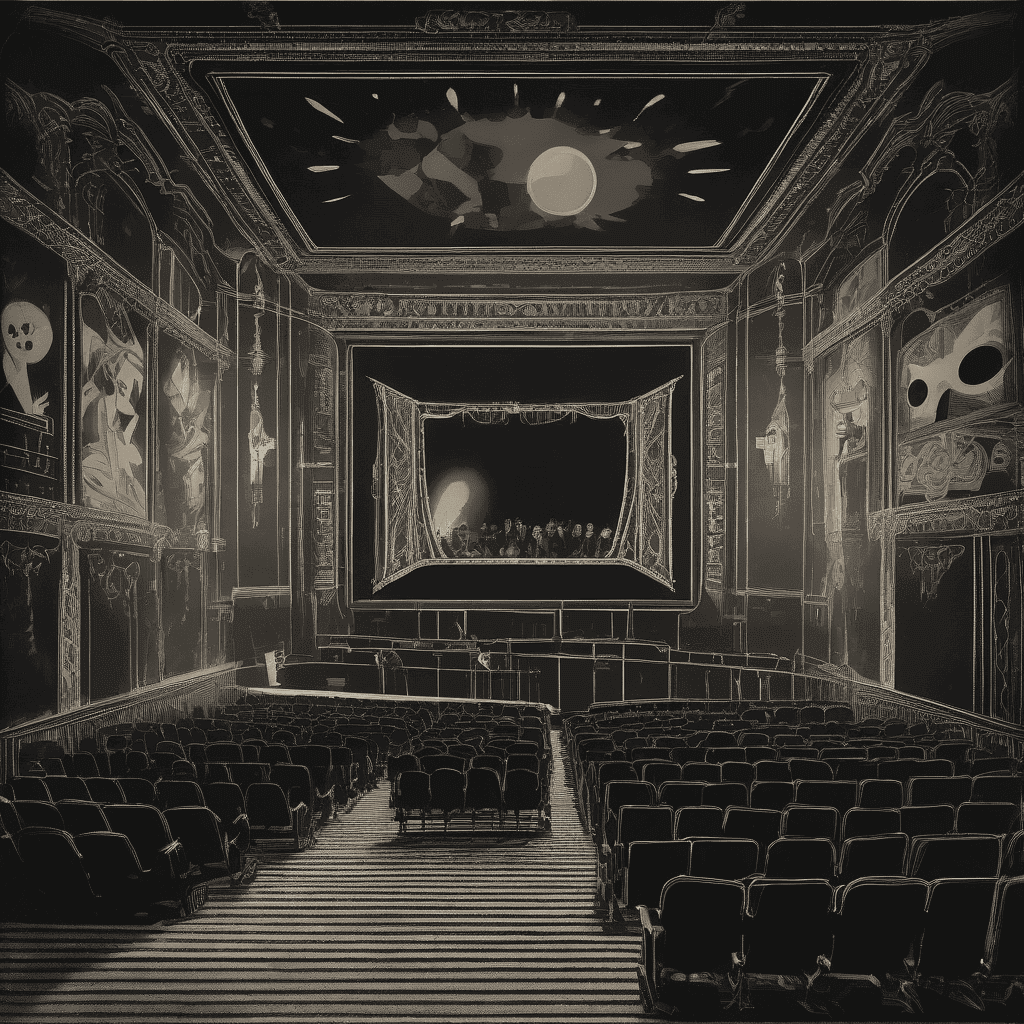
“An investigative deep dive into the transgressive roots of cult cinema, exploring how the forgotten misfits and genre-bending curios of the silent era forged the DNA of modern fandom.”
Cult cinema is often discussed as a phenomenon of the 1970s midnight movie circuit, a byproduct of the counter-culture movement that birthed the likes of El Topo and Eraserhead. However, the true genesis of the cinematic outlier—the film that defies categorization and demands a fanatical, niche devotion—stretches back much further into the flickering shadows of the silent era. To understand the modern cult obsession, we must open the Cinematic Outlaw’s Grimoire, a collection of forgotten reels and narrative mutants that dared to be different when the language of film was still in its infancy. These films, ranging from surreal animations to transgressive social dramas, provided the blueprint for everything we now define as 'cult.'
The Surrealist Spark: Animating the Impossible
One cannot discuss the roots of the cult aesthetic without acknowledging the early pioneers of the surreal. Long before the avant-garde movements of the 1940s, early animators and short-film creators were experimenting with the logic of the subconscious. Take, for instance, the 1922 iteration of Little Red Riding Hood. This is not the sanitized fairy tale of modern memory. In this version, we find a cat shooting holes into donut dough with a pistol and fishing the cooked treats out of boiling oil. This level of visual absurdity—where a character can lose all nine lives in a single gag—prefigures the dark humor and non-linear logic that would later define the works of cult icons like Terry Gilliam or Jan Švankmajer. Similarly, Felix in the Swim showcases a world where the laws of physics are merely suggestions, and a mouse can negotiate for the freedom of a feline friend. These early experiments in the 'weird' established a precedent: cinema was a place where the impossible could be rendered manifest, creating a psychic space for audiences who felt alienated by the rigid structures of traditional storytelling.

The Moral Mutant: Redemption and Social Exile
Cult cinema has always been a sanctuary for the social pariah. The silent era was rife with characters who existed on the fringes of acceptable society, often grappling with moral dilemmas that the mainstream of the time found uncomfortable. In The Soul Master, we encounter Robert Travers, a man who loses all faith in humanity and becomes known as 'the man without a soul.' This archetype—the embittered, isolated protagonist—is a staple of the cult genre. Travers’ journey reflects the existential dread that would later permeate the noir-inflected cult films of the 1940s and 50s. The idea of the 'unlovable' protagonist who demands the viewer’s empathy is a radical act of narrative defiance.
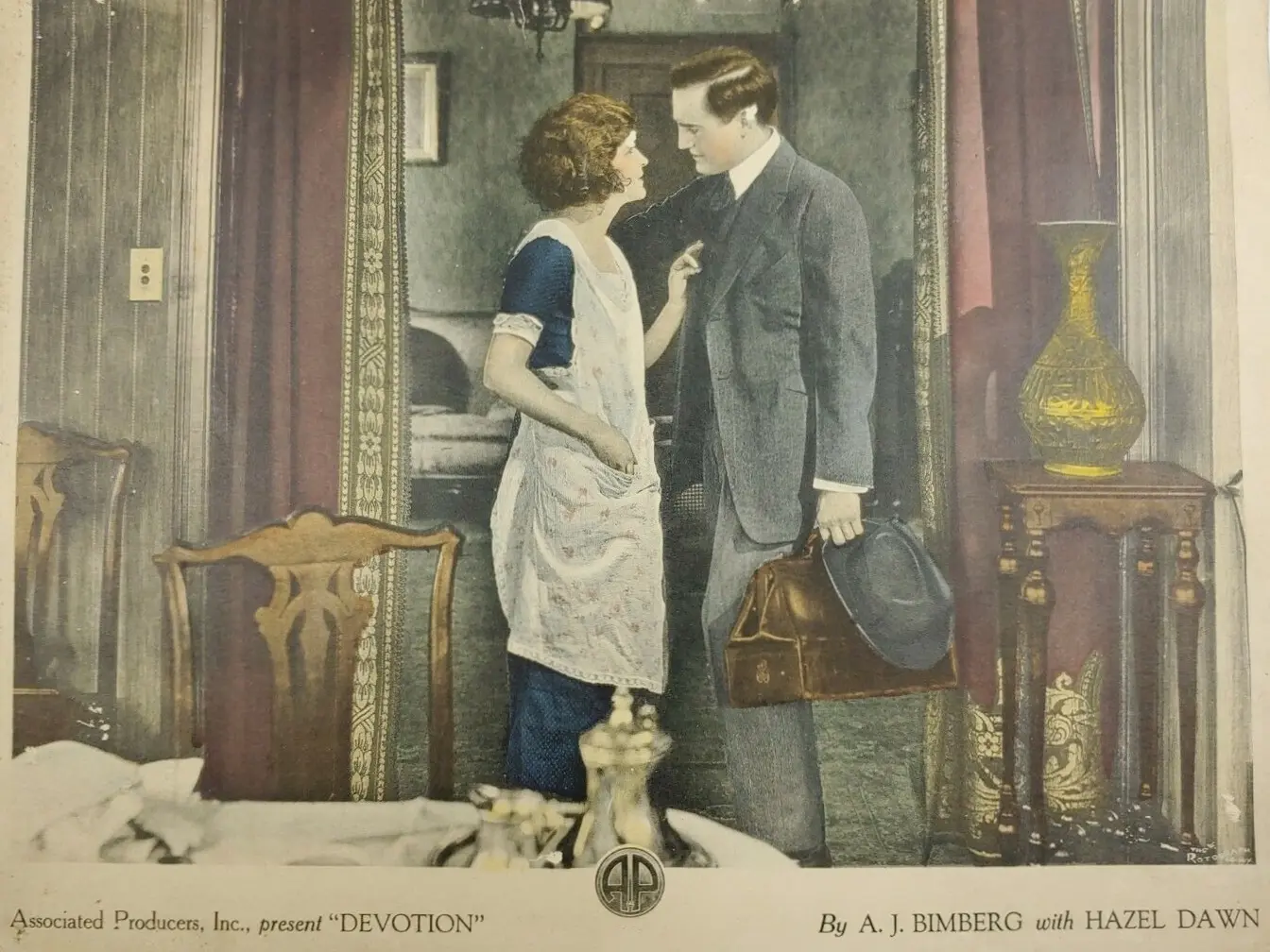
We see a similar thread in The Right of Way (1920), where the snobbish attorney Charles 'Beauty' Steele falls from grace due to alcoholism and vanity. His eventual search for redemption in a world that has forgotten him mirrors the trajectory of many cult anti-heroes. These films didn’t just tell stories; they explored the transgressive potential of the human spirit. They asked the audience to look into the abyss alongside the character, a hallmark of the immersive experience that modern cult fans crave. Whether it is the gambler Jim Pemberton in Twins of Suffering Creek, deciding his fate with a draw of the gun, or the penniless John Kendall in The Wall Between, these characters are defined by their refusal to fit into the predetermined boxes of their social strata.

Paranoia and the Spy: The Architecture of the Underground
The cult movie often thrives on the 'secret history'—the idea that there is a hidden world operating just beneath the surface of our own. This fascination with the clandestine can be traced back to the propaganda and spy thrillers of the World War I era. Films like The Prussian Cur and 0-18 or A Message from the Sky utilized the burgeoning fear of the 'other' to create high-stakes narratives of espionage and betrayal. In The Prussian Cur, the establishment of an intricate spy network in America by Count Johann von Bernstorff taps into a primal paranoia that would later be refined by the conspiracy-driven cult cinema of the 1970s.

These films were more than just wartime entertainment; they were the first instances of cinema capturing a collective cultural anxiety. The image of the typist in 0-18 exposing a group of businessmen as German spies plotting to blow up a bridge is a precursor to the lone-wolf truth-seekers found in modern thrillers. This sense of 'forbidden knowledge' is a key component of the cult allure. To watch a film that reveals the hidden mechanisms of power—even in a fictionalized or propagandistic sense—is to join a community of the 'informed.' This is the same impulse that drives fans to decode the cryptic layers of a David Lynch film or the subtext of a body-horror masterpiece.

The Visual Avant-Garde and the Power of the Image
While narrative transgression is vital, the aesthetic of cult cinema is equally rooted in visual experimentation. The 1921 short Manhatta stands as a towering example of the 'city symphony' genre, capturing the majesty and mechanical coldness of New York City. By focusing on the geometry of skyscrapers, bridges, and rail yards, Manhatta moved cinema away from the theatrical and toward the purely visual. This emphasis on the image over the plot is a defining characteristic of cult cinema’s most enduring entries. When a film like Manhatta prioritizes the mood and the 'vibe' of a location, it creates an atmospheric cocoon that allows for a deeper, more meditative form of spectatorship.
We also see this visual daring in the melodrama Birth of Democracy, which served as a vehicle for the diva star Lyda Borelli. The theatricality and stylized performance of the silent 'diva' films created a heightened reality that felt distinct from everyday life. This 'larger-than-life' quality is exactly what draws audiences to cult icons. Whether it is the mystical allure of The Magic Skin, where musicians are so consumed by their art that they ignore their own poverty, or the haunting atmosphere of The Haunted Bedroom, where a journalist goes undercover in a supposedly cursed Virginia estate, the silent era excelled at creating worlds that felt separate from our own. This sense of 'otherworldliness' is the primary ingredient in the cult movie's ability to cast a permanent spell over its audience.
Identity and the 'Other': Transgressing the Boundary
Perhaps the most potent element of the cult DNA is the exploration of identity and the crossing of social boundaries. A Tale of Two Worlds (1921) presents a narrative that, while problematic by modern standards, explores the radical idea of a white child being raised as Chinese in San Francisco. This theme of 'passing' or existing between two worlds is a recurring motif in cult cinema, which often champions the hybrid, the mutant, and the misfit. The film’s focus on the fluidity of identity—and the tension that arises when those identities are challenged—resonates with the transgressive spirit of the genre.
Furthermore, the subversion of gender and social roles can be seen in films like The Social Secretary, where a young professional disguises herself to avoid unwanted attention. This use of disguise and performance within the narrative highlights the artificiality of social norms, a theme that cult cinema has spent decades deconstructing. Even the bizarre premise of African Lions and American Beauties—featuring a 'specialist in everything' running through the streets with a 'Doctor' sign to find patients—suggests a world where identity is a performance, a chaotic scramble for recognition in a burgeoning urban landscape. This absurdist take on professional identity is exactly the kind of 'weird' that modern cultists find endlessly fascinating.
The Enduring Legacy of the Silent Outlier
As we look back at these fifty-plus examples of early cinematic experimentation, we see a clear lineage. The cult movie is not a modern invention; it is a continuation of a rebel spirit that has existed since the first frames of nitrate film were exposed. The Cinematic Outlaw’s Grimoire tells us that the fringe has always been the most fertile ground for innovation. From the poacher’s son in The Narrow Valley who weds a draper's maid to defy a village watch committee, to the old knight in The Fruitful Vine who enters a marriage doomed by secret desires, these stories are the ancestors of the transgressive narratives we celebrate today.
The cult aesthetic is defined by its unconventionality, its willingness to fail in the eyes of the mainstream in order to succeed in the hearts of the few. Whether it is the animated mischief of Charley at the Beach or the grim social realism of The Bruiser, these films remind us that cinema is at its most powerful when it is at its most daring. They are the sacred anomalies that prove that even in the silent era, the heart of the medium was beating with a wild, uncontrollable, and deeply cultish fervor. By studying these forgotten icons, we don't just learn about film history; we learn about the enduring human desire to find beauty in the bizarre, truth in the transgressive, and a tribe in the shadows of the midnight screen.
Community
Comments
Log in to comment.
Loading comments…