
Cult Cinema
The Ethereal Renegades: How the Silent Era’s Genre Mutants Birthed the Cult Movie Obsession
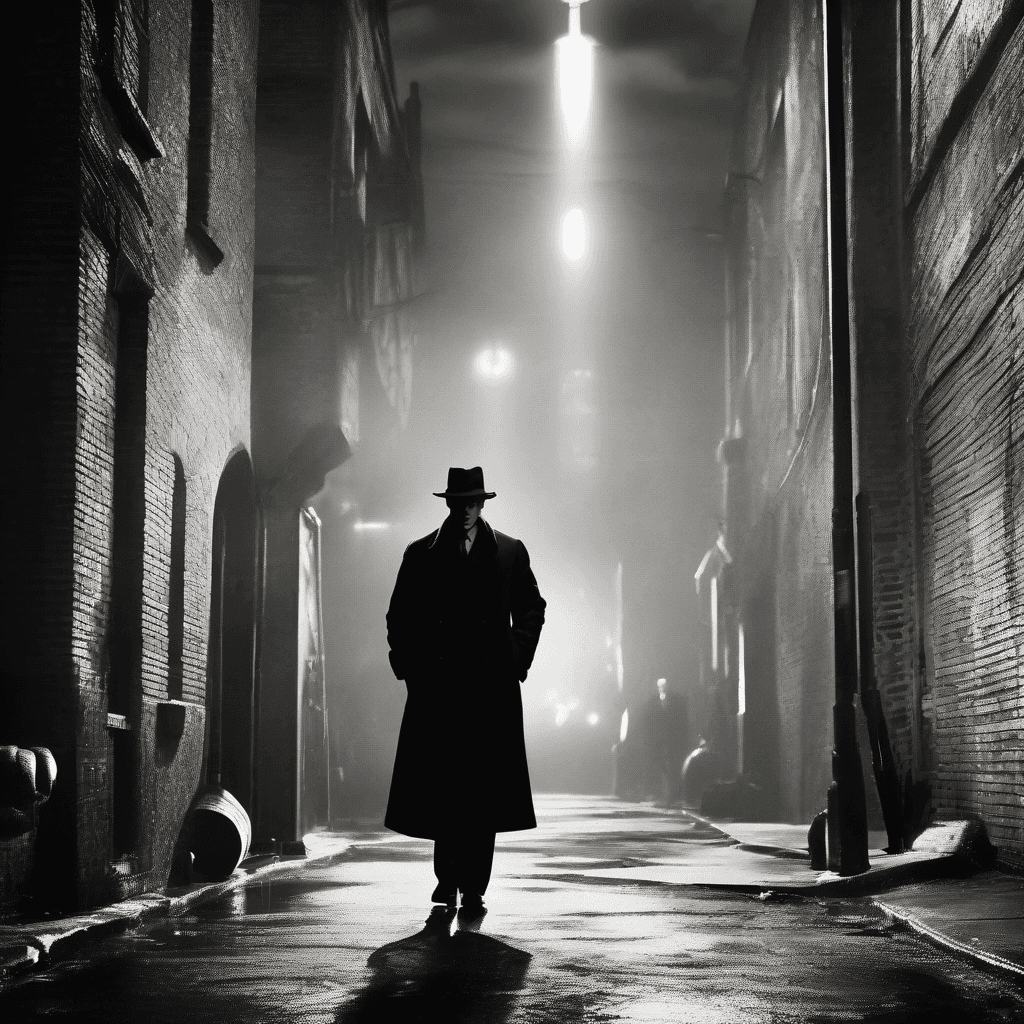
“Explore the transgressive roots and genre-bending anarchy of early 20th-century cinema that laid the foundation for modern cult movie devotion.”
When we speak of cult cinema, the mind often drifts to the neon-soaked midnight screenings of the 1970s or the VHS-fueled obsessions of the 1980s. However, the true DNA of the transgressive, the weird, and the wonderfully niche was spliced much earlier. Long before the term "cult classic" was coined, the flickering screens of the 1910s and 1920s were already hosting a parade of genre mutants and narrative outlaws that defied the burgeoning conventions of Hollywood. These films, often lost to the ravages of time or relegated to the dusty corners of archives, represent a primordial soup of cinematic rebellion.
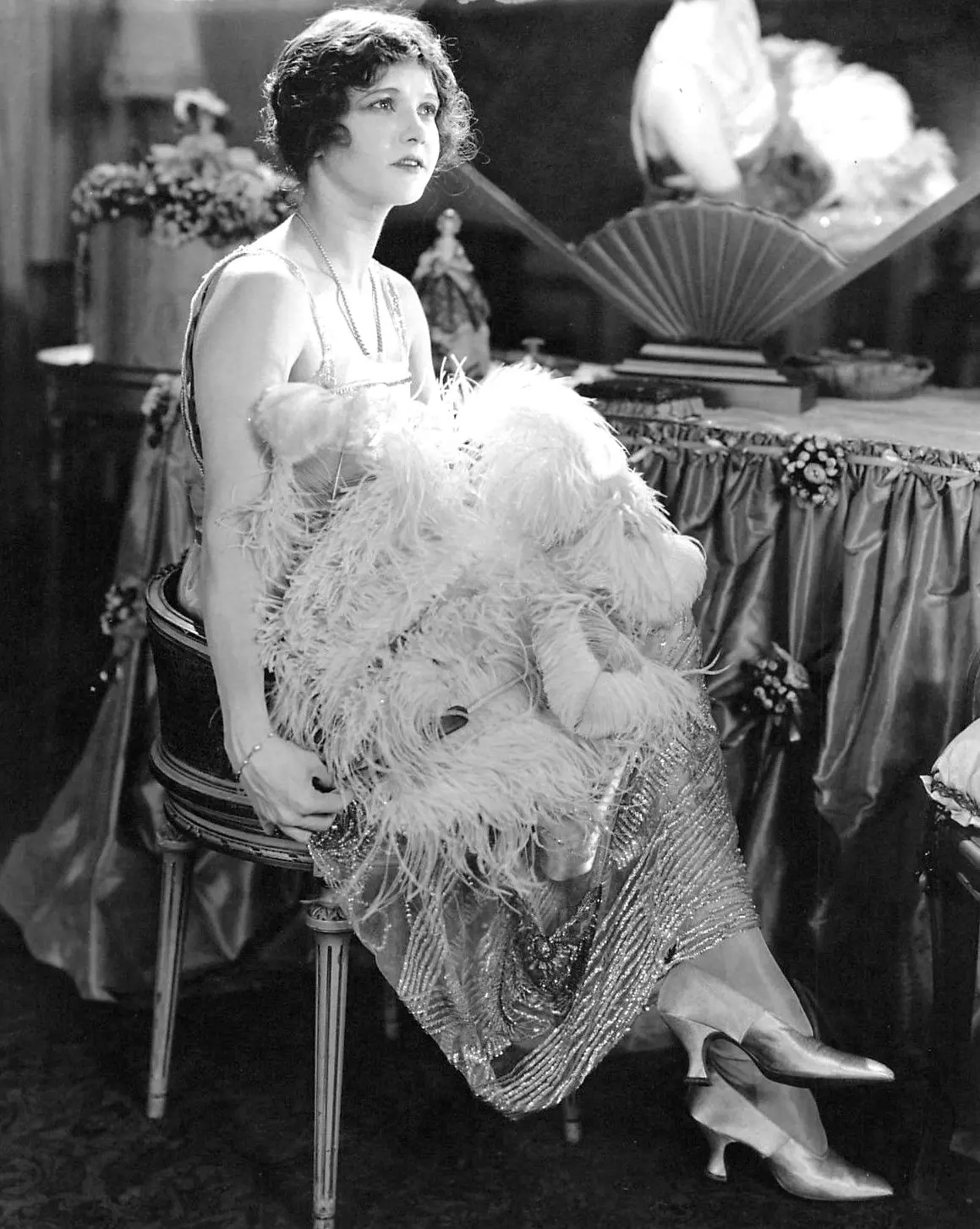
The Moral Grey: Transgression in the Early Century
Cult cinema has always thrived on the edge of social acceptability. In the early 20th century, filmmakers were already testing the waters of moral ambiguity. Take, for instance, the 1917 production Rasputin, the Black Monk. This film delved into the dark, magnetic influence of the infamous mad monk, a figure whose very existence challenged the stability of an empire. The fascination with such "outsider" figures is a hallmark of cult devotion—we are drawn to the characters who operate outside the lines of polite society.
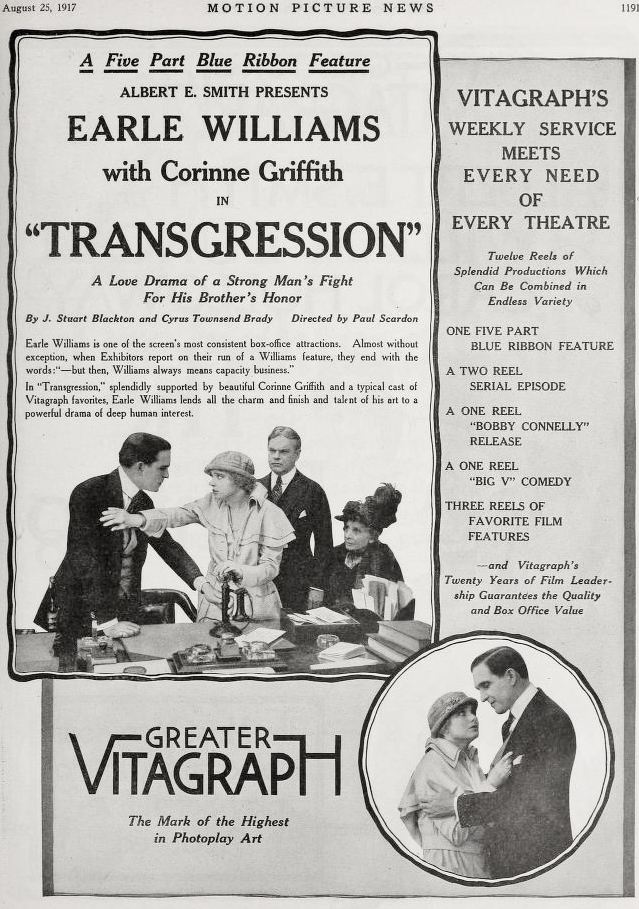
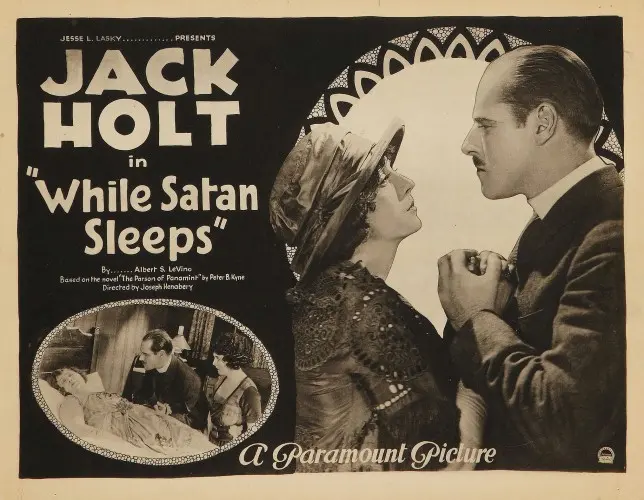
Similarly, While Satan Sleeps (1922) presented a protagonist who was anything but a hero. Phil Webster, a criminal who disguises himself as a minister, embodies the "charlatan with a heart of gold" trope that would later populate the film noir and neo-noir landscapes. This subversion of religious authority and the exploration of the criminal psyche provided a template for the anti-hero worship that defines modern fandoms. Even more daring was The Bride of Hate, which tackled themes of abduction and forced marriage with a grit that prefigured the exploitation cinema of the 1960s.
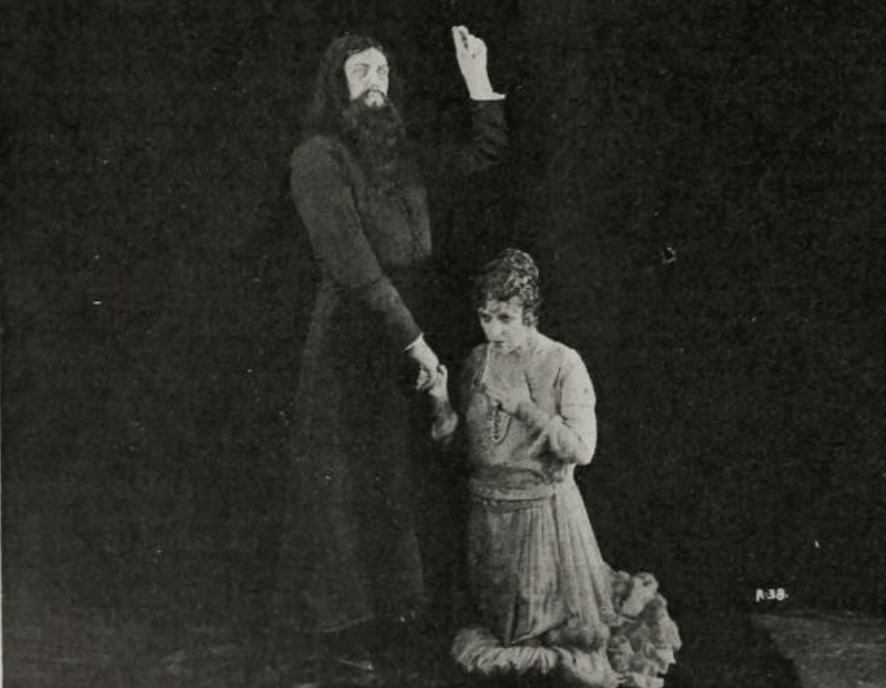
Genre Anarchy: Blending the Unblendable
If there is one thing that defines a cult film, it is its refusal to fit into a single box. The early era of film was a wild west of experimentation where genres bled into one another with reckless abandon. Dew Drop Inn (1923) is a perfect example: it pits a moonshine-hunting lawman against a female film director and her all-female cast. This meta-commentary on the film industry, mixed with slapstick and crime, creates a surreal cocktail that modern audiences would find strikingly avant-garde.
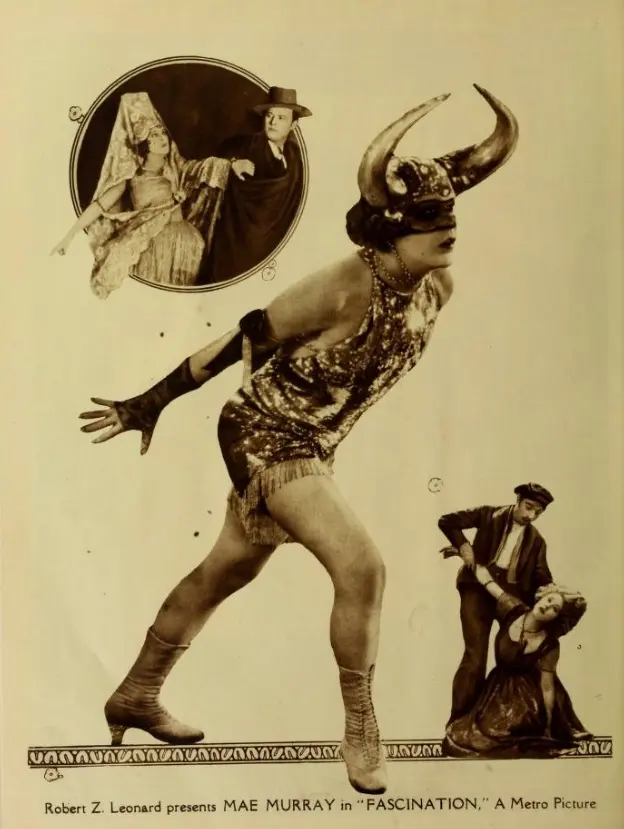
The era also saw the birth of the "Gentleman Crook" in Velvet Fingers (1920), a series that combined action and adventure with a protagonist who lived by his own moral code. This rejection of traditional law-and-order narratives is a cornerstone of the cult ethos. Meanwhile, The Big Town Round-Up (1921) blended the Western with the capitalist critique of the big city, proving that even a century ago, filmmakers were using genre as a Trojan horse for social commentary.
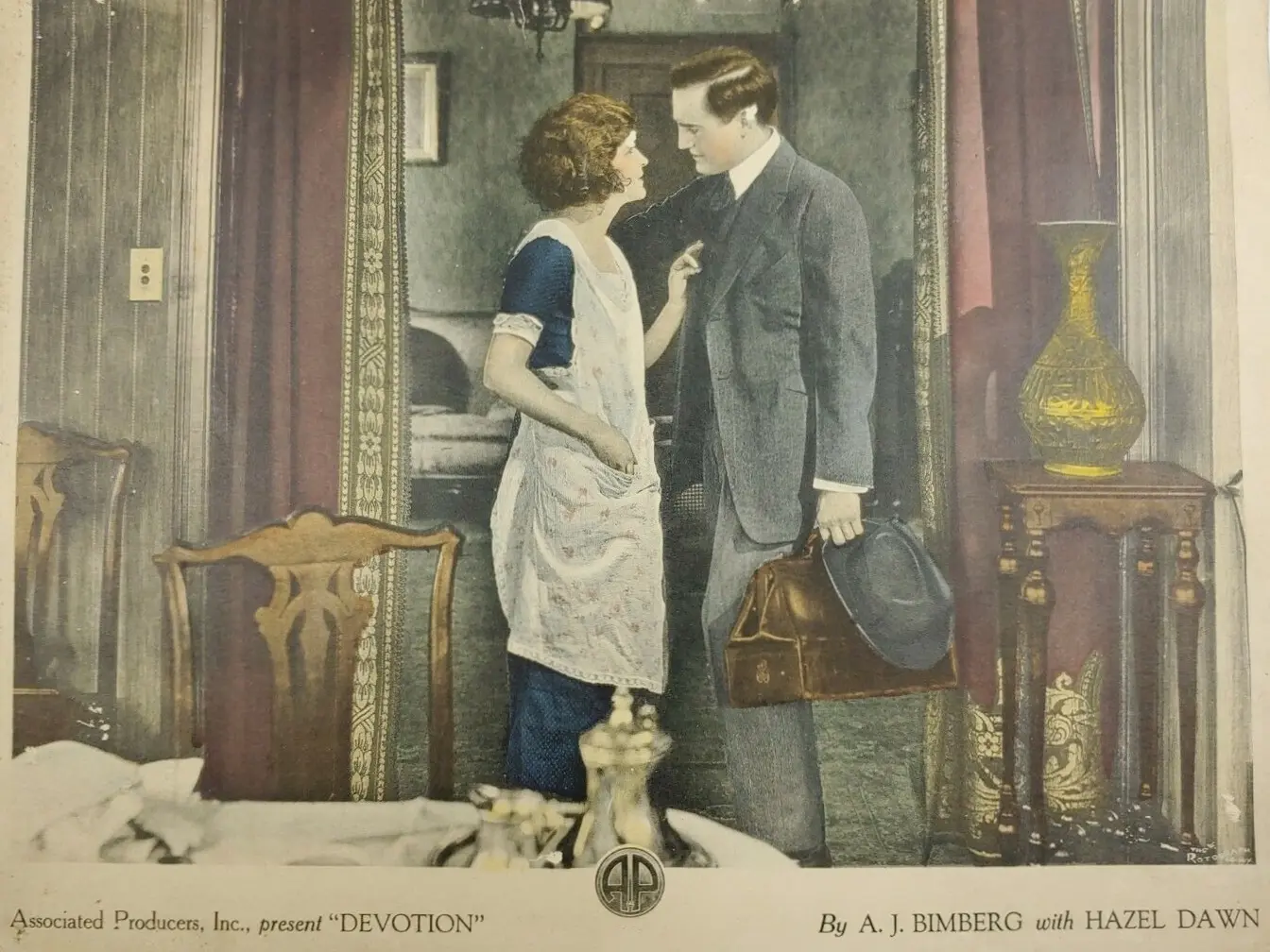
The Sci-Fi and Fantasy Fringe
Before CGI, there was the pure, tactile imagination of early special effects. The First Men in the Moon (1919) stands as a monumental precursor to the cosmic horror and sci-fi epics we adore today. The image of an inventor marooned on the lunar surface by a crooked financier is a direct ancestor to the "lonely astronaut" trope found in cult hits like Moon or Silent Running. The German production Ikarus, der fliegende Mensch similarly reached for the skies, blending the mythic with the technological to create a visual language of aspiration and doom.
Identity, Deception, and the Comedy of Errors
The cult of the "weird comedy" often relies on elaborate ruses and the breakdown of social structures. The Chicken in the Case (1921) features a young man passing off his friend's wife as his own to secure an inheritance—a plot so convoluted and absurd it feels like a precursor to the screwball comedies of the 30s and the surrealist farces of the modern era. This theme of fluid identity is echoed in She Loves and Lies (1920), where a woman must marry the man she loves to claim a fortune but is too shy to approach him honestly.
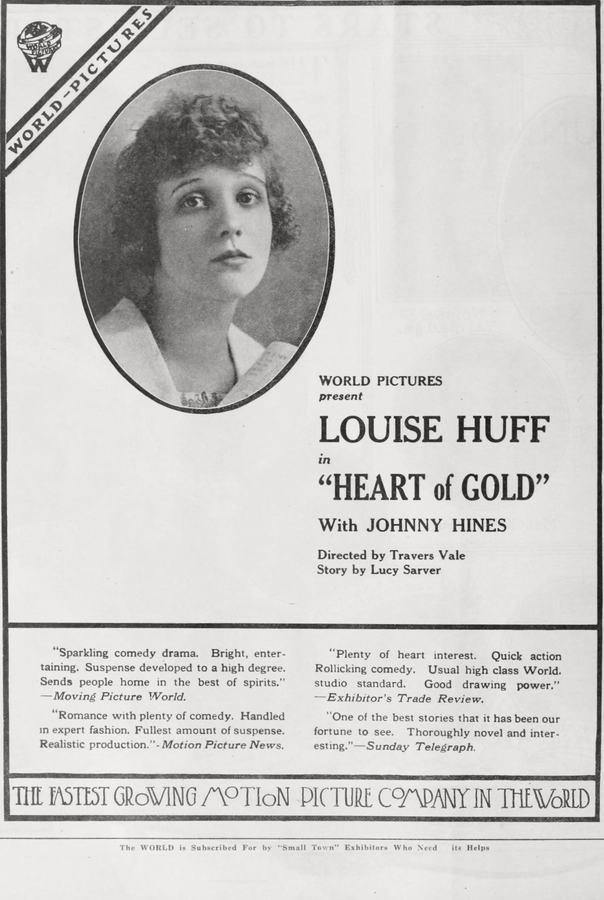
These films reflect a societal anxiety about the performative nature of modern life. In Nearly a King (1916), an actor takes the place of a crown prince to avoid an unwanted marriage, highlighting the thin line between reality and performance. For the cult viewer, these narratives offer a playful but pointed critique of the masks we all wear, a theme that resonates through the ages to films like The Rocky Horror Picture Show.
Social Outcasts and the Cinema of the Disenfranchised
Cult cinema often gives a voice to the marginalized, and the silent era was no different. Who's Your Neighbor? (1917) took a hard look at the lives of prostitutes and the hypocritical laws designed to displace them. By centering the narrative on those living in the "Red Light District," the film engaged in a form of social transgression that was rare for its time. Similarly, Mrs. Dane's Defense (1918) explored the consequences of a woman's past indiscretions, challenging the Victorian morality that still gripped the public consciousness.
Even the seemingly innocent Little Women (1918) and The Sawdust Ring (1917) dealt with the struggles of family and the search for identity in a world that often sought to confine women to specific roles. The "circus" setting of The Sawdust Ring is particularly evocative of the cult aesthetic—the circus has always been a sanctuary for the weird, the talented, and the forgotten, a theme that continues to fascinate directors like David Lynch or Guillermo del Toro.
The Global Pulse of the Underground
The roots of cult cinema are truly international. From the French orphan in 12.10 (1919) to the biblical epics like Das Buch Esther (1919) and The Passion Play (1914), the global film community was experimenting with narrative structures that moved away from simple linear storytelling. Les travailleurs de la mer (1918) blended documentary realism with the high drama of Victor Hugo, creating a hybrid form that prefigured the "docu-fiction" cult favorites of the late 20th century.
In Scandinavia, films like Surrogatet (1919) and En hustru till låns (1920) brought a unique Northern wit and a focus on domestic absurdity that would later influence the deadpan humor of directors like Aki Kaurismäki. Meanwhile, the Mexican-set French western Haceldama ou Le prix du sang (1919) showcased a sadistic cowboy villain, Bill Stanley, whose sheer brutality was a shock to contemporary audiences, planting the seeds for the gritty spaghetti westerns that would eventually become the ultimate cult genre.
Conclusion: The Eternal Flicker of the Outlier
The 50 films discussed here—from the comedic ruses of The Chicken in the Case to the dark mysteries of Queen of Spades—are more than just historical curiosities. They are the ancestral spirits of every film that has ever been screened at midnight to a room full of devotees. They represent a time when the rules of cinema were still being written, allowing for a level of narrative deviance and visual experimentation that is the lifeblood of the cult experience.
As we look back at the "pert office boy" in Torchy (1920) or the tall tales of the coffin salesman in Some Liar (1919), we see the origins of the quirky, the obsessive, and the unrepentant. These early rebels proved that cinema didn't have to be for everyone; it just had to be everything to someone. That, in essence, is the definition of a cult film. Whether it is the high-speed racing of Double Speed (1920) or the spiritual journey of Via Crucis (1919), these films continue to flicker in the subconscious of the medium, reminding us that the most enduring stories are often found on the fringe.
Community
Comments
Log in to comment.
Loading comments…