
Cult Cinema
The Flicker of Defiance: Decoding the Silent Era’s Transgressive Archetypes and the Genesis of the Cult Gaze
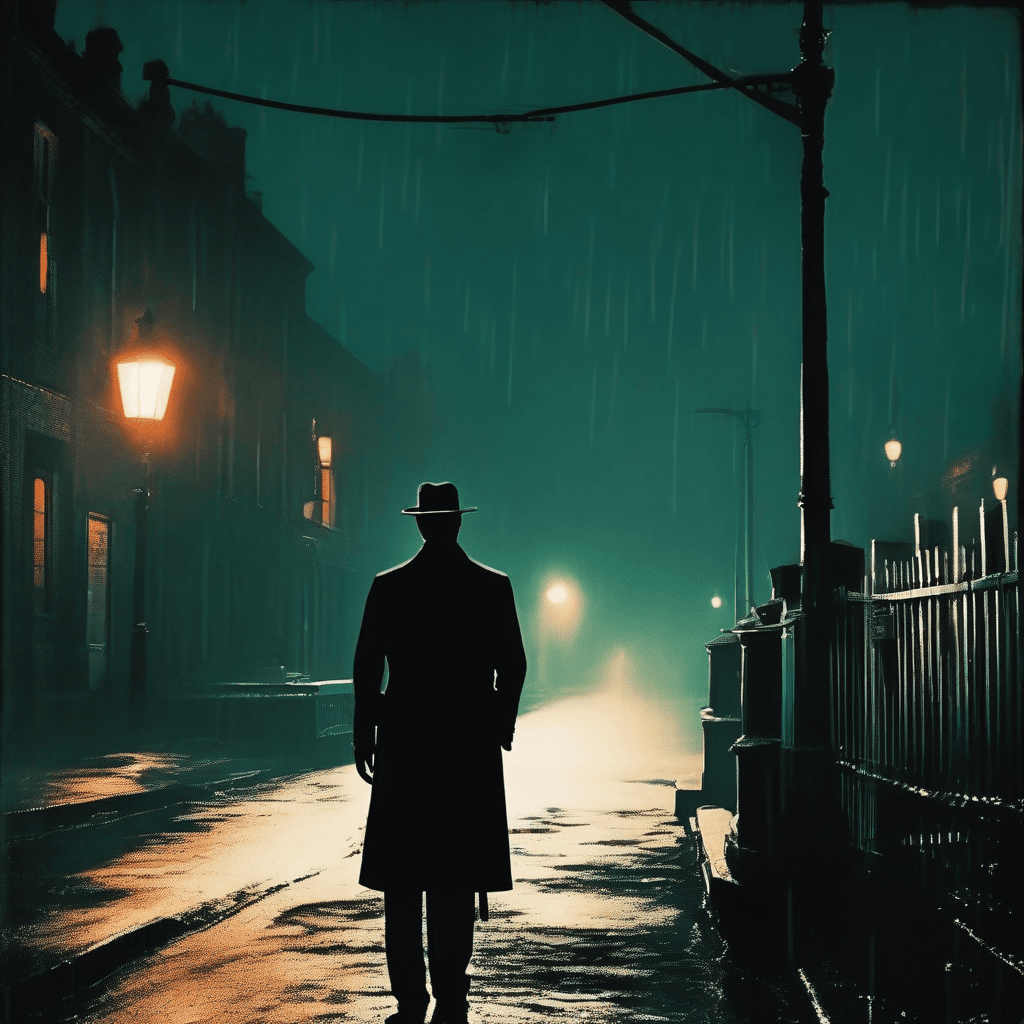
“Discover how the silent era's forgotten outcasts, from anarchist secret societies to criminal preachers, laid the foundational blueprint for modern cult cinema obsession.”
In the contemporary landscape of cinema, the term "cult" is often synonymous with the midnight movie circuit of the 1970s—a world of fishnets, flying toast, and psychedelic imagery. However, to truly understand the DNA of the cinematic outlier, one must look further back, into the flickering shadows of the silent era. Long before the term was coined, films like The Ace of Hearts and The Arrival from the Darkness were already engineering the psychological architecture of the cult gaze. This was a period of radical experimentation where the boundaries of morality, genre, and social hierarchy were not just questioned but frequently dismantled. The silent era’s fringe was a laboratory for the transgressive, a place where the misfit narrative first found its voice amidst the hiss of nitrate and the hum of the projector.
The Anarchist Heart: Secret Societies and Moral Ambiguity
One of the most potent ingredients in the cult cinema cocktail is the presence of the "secret society"—a group operating outside the laws of man and god. In the 1921 masterpiece The Ace of Hearts, we see a group of secret anarchists who take revenge on those they deem unworthy. This film doesn't just present a crime; it presents a philosophy of rebellion that resonates with the modern cult fan’s desire for counter-cultural narratives. The tension of the secret ballot, the weight of the "death card," and the internal struggle of the protagonists create a template for the high-stakes moral dilemmas found in later underground classics. This wasn't merely entertainment; it was a subversive exploration of political agency and the ethics of violence.
Similarly, the concept of the "outlaw with a code" is a recurring motif that bridges the gap between the silent era and the modern midnight movie. In Hell's Hinges, the reformation of a local tough guy through faith and the love of a "good woman" might seem traditional on the surface, but the film's depiction of the wayward town—a literal hell on earth—showcases a gritty, nihilistic aesthetic that would later define the acid western. These early films weren't afraid to wallow in the muck of human depravity, providing a stark contrast to the sanitized studio productions that would eventually dominate the industry.
The Sacred Outlaw and the Criminal Preacher
Perhaps no figure is more central to cult cinema than the hypocrite or the inverted authority figure. Consider The Stealers, where the Reverend Robert Martin uses his position to lead a band of pickpockets. This transgressive subversion of religious authority is a direct ancestor to the "blasphemous" themes explored in 1970s exploitation cinema. By turning the pulpit into a den of thieves, the silent era challenged the viewers' social conditioning. It asked the audience to find empathy for the criminal and skepticism for the institution—a hallmark of the cult mindset.
Social Decay and the Urban Misfit
Cult cinema has always been a sanctuary for the marginalized, and the silent era was surprisingly vocal about the failures of the industrial machine. In Out of the Night, the tragic story of Rosalie Lane—who turns to prostitution after her sister dies from overwork and the company refuses to help—is a devastating indictment of capitalist cruelty. This isn't just a melodrama; it is a primal scream from the urban fringe. The film’s willingness to tackle taboo subjects like sex work and systemic poverty paved the way for the gritty realism of later cult movements.
This thematic thread continues in A Daughter of the Poor, where a young girl and her uncle become susceptible to socialist ideas. By portraying the struggle of the working class through a lens of political radicalization, early filmmakers were tapping into a vein of genre anarchy. They were creating stories that didn't just aim to please the masses but to provoke them. The "cult" status of these films often stems from their status as historical anomalies—works that were too radical, too depressing, or too strange for the mainstream audience of their time.
The Duality of the Soul: Sisters and Sirens
The exploration of the fractured self is another cornerstone of cult obsession. The Girl Without a Soul presents a fascinating study in duality through two sisters: one demure and one a "wild free spirit." This archetypal split—the Madonna and the Whore, the musician and the rebel—is a recurring obsession in cult narratives. It speaks to the audience's own internal conflicts and the societal pressure to conform. When we see the "wild" sister pursued by a carpenter, we are seeing the proto-cult heroine: a woman who refuses to be contained by the domestic expectations of her era.
The "siren" archetype also finds a complex home in the silent era. In The Golden Lotus, a man falls for a woman he believes is pure, only to find she is a lure for a gambling den. This femme fatale evolution is crucial to the development of noir and its subsequent cult offshoots. The idea that beauty is a mask for danger, and that the protagonist's infatuation is his undoing, provides a dark, romantic fatalism that cult audiences find irresistible.
Genre Mutations: From Westerns to Weird Fiction
The silent era was a period of kinetic fluidity, where genres were not yet set in stone. The Arrival from the Darkness serves as a perfect example of early fantasy and horror elements blending into a singular, unsettling experience. The discovery of an old book detailing the "Mystery of the Black Tower" introduces a sense of arcane dread that would later be perfected by filmmakers like Mario Bava or David Lynch. This film’s use of shadows and the supernatural to explore human obsession is a direct precursor to the atmospheric horror that dominates the cult canon.
Even the Western genre, often seen as the most traditional of American forms, was subject to bizarre mutations. A Child of the Prairie and Nearly a Lady explore the clash between the "wild west" and the "civilized city" in ways that subvert the hero's journey. In Nearly a Lady, the comedy arises from the protagonist's refusal to adapt to the refined manners of a visiting Lord. This celebration of the unrefined is a core tenet of cult cinema—a refusal to bow to the "sophisticated" standards of the elite.
The Comedy of the Grotesque
We cannot discuss the cult soul without mentioning the absurd. Short comedies like What a Whopper! and All Wet utilized slapstick not just for laughs, but to highlight the absurdity of modern life. These films often featured characters trapped in Sisyphean loops of failure, a theme that resonates with the "loser-as-hero" trope found in many cult classics. The surreal imagery of Wampum Hunters, with its far-away island and wild tribes, showcases an early fascination with the "exotic other" that, while problematic by today's standards, highlights the era's drive to transport the audience to uncanny territories.
The Enduring Flame of the Misfit
As we look back at films like The Jucklins, April Fool, and The Reckless Sex, we see a cinema that was vibrant, unruly, and deeply invested in the experience of the outsider. Whether it was a young man smuggling his wife into his home dressed as a boy or an orphan's optimism changing a bitter town in Pollyanna, the silent era was obsessed with the transformative power of the anomaly. The cult film is, at its heart, a celebration of the thing that does not fit—the frame that flickers, the character that rebels, and the narrative that refuses to resolve neatly.
The nitrate legacy of these films provides a map for the modern cinephile. To watch Hamlet (1911) or Betsy Ross is to witness the birth of cinematic iconography. But to watch The Highway of Hope—a story of a man cast out by his father who finds redemption in the arms of a saloon servant—is to witness the birth of the midnight soul. These are the stories of the broken, the brave, and the bizarre. They are the primal transgressions that taught us how to love the strange, how to cherish the forgotten, and how to find beauty in the flickering darkness of the fringe.
In conclusion, the silent era was not a primitive precursor to "real" cinema; it was the radical genesis of everything that makes cult film essential. It provided the archetypes of the rebel, the hypocrite, the siren, and the seeker. It gave us the visual language of shadows and the narrative rhythm of the outcast. As we continue to seek out the weird and the wonderful in the digital age, we must never forget that the first rebels were silent, and their defiance still echoes in every frame of the films we hold sacred today. The celluloid undercurrent of the 1910s and 20s remains the most potent source of inspiration for those who dare to look beyond the marquee and into the heart of the cinematic unknown.
Community
Comments
Log in to comment.
Loading comments…